
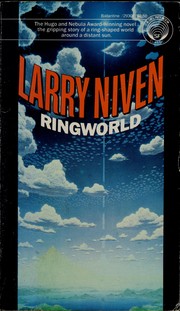
Ringworld
2,370-word summary 11 min read 320 pages in the book
- First published
- 1970
- Publisher
- Del Rey
- Pages
- 320
- ISBN
- 9780345333926
- Series
- Ringworld (#1)
Reading options
What's inside (8 sections)
I read Ringworld because a physics friend said it would break my brain about scale, and it did in the best way. First published in 1970 by Ballantine Books. The Del Rey edition runs 320 pages with ISBN 9780345333926. It opens the Ringworld series, followed by The Ringworld Engineers. It follows Louis Wu, a 200 year old bored human, on an alien hired trip to a vast ring habitat around a star. If you love big ideas, strange aliens, and 1970s flavors good and bad, strap in. The Ring is the star.
Louis Wu is 200, thanks to boosterspice, healthy, rich, bored. On his birthday he teleports around Earth for parties and meets Nessus, a Puppeteer, two headed, three legged, cowardly to a philosophy. Nessus hires Louis for a mystery mission with Speaker to Animals, a Kzin, big cat warrior, and Teela Brown, a young woman bred for luck. They fly to the Ringworld, an artificial ring around a sun, million miles wide, with surface area of millions of Earths, built by persons unknown. Who built. Why abandoned. What lives now. Those questions drive.
The crew dynamics carry long travel pages. Louis, jaded and clever, hides competence behind ennui. Speaker, proud and lethal, respects strength and learns restraint. Nessus, terrified and manipulative, pulls strings while fleeing danger. Teela, twenty, lucky in ways that seem supernatural, charms and infuriates. Niven bred her for luck as a trait, which raises free will questions the book half explores. Their banter, poker, sex, arguments about risk, feels 1970s crew adventure. Men debate. Teela listens, then acts, often saving them through luck that looks like plot armor because it is the point.
The Ring itself
The Ring reveal is deservedly famous. A band around a star, with inner surface habitable, shadow squares for night, rim walls to hold air, ports with Bussard ramjets. Niven works out physics with loving detail. How day night works. How gravity simulates by spin. How meteor punctures cause falling. How soil built up. Louis calculates. Speaker hunts. Nessus panics at numbers. Teela sunbathes. The sense of wonder still lands fifty years on. Later books and games borrowed freely, Halo most famously. Reading source shows how bold 1970 was. Build a world bigger than stories. Let stories get lost in it. They do, gloriously.
Crash strands them and the book becomes travelogue. Their ship, punctured by defenses, crash lands. To escape they must cross vast distances with failing tech, meeting Ring natives who regressed after superconductor plague. Villages worship fallen tech as magic. Nomads trade. Vampires? Not quite, but night hunters drain. Each encounter teaches Ring history sideways. Once the Ring held one civilization with transport, power, control. Then plague, revolt, fall. Now fragments live among ruins they cannot fix. Niven, known for hard SF, shows soft collapse well. Big things break from small missing parts. A superconductor gone means cities die. Remember that when supply chains wobble.
Native cultures vary fast. Some friendly, trading food for stories. Some hostile, shooting. Louis uses age and calm to negotiate. Speaker uses roar. Nessus uses bribes. Teela uses luck and smile. Their different tools model first contact. Do not assume. Trade. Listen. Run when needed. One long section in a floating city, with abandoned control rooms, maps the fall poignantly. Empty chairs. Dead screens. A child toy. Empire ended not with bang but with quiet when maintenance stopped. That image stayed with me longer than battles.
The mystery of who built and why unravels slowly. Puppeteers know more than they say. Nessus mission is not tourism. It is scouting for threat and profit. The Ring engineers, Pak? Actually later books reveal. Here hints suffice. Strange maps in control rooms show Earth, Mars, Kzin worlds. Someone moved planets? Or studied. Teela luck may be engineered by Puppeteers breeding, which raises consent issues the book sidesteps. Niven focuses on wonder over ethics here. Modern readers will notice. Note it and keep reading for scale. Later books interrogate more.
Luck, sex, and 1970s
Teela Brown luck as genetic trait needs discussion because it is brilliant and troubling. Niven posits Puppeteers bred humans for luck through lottery wins. Teela wins always. In danger, improbable saves happen. Crew debates whether she chooses or universe bends. Louis argues luck is real and cruel, saving her while killing others to balance. That idea, luck as finite resource, is fascinating and bleak. It also strips Teela agency. She becomes plot device with pretty face. Niven gives her moments of choice late, leaving Louis to find her own path, which helps a little. Still, 1970s gender shows. She has sex with crew as available reward. Her dialogue serves male debate. Readers should know. Read for Ring, forgive or critique people.
Louis age gives the book its melancholy. Two hundred years of birthdays, friends dead, wives gone, work done. He takes the mission because boredom hurts more than risk. Niven writes ennui well. Parties across time zones. Teleporting to avoid goodbyes. Sex without names. When Ring dangers wake him, he feels alive first time in decades. That arc, bored immortal learns to care, predates many later takes. His affair with Teela is uncomfortable given age gap, though boosterspice complicates age. The book treats it lightly. Modern eyes should not. Note and move. The ideas outlast the mores, mostly.
Nessus cowardice as philosophy delights. Puppeteers flee danger by instinct and call it wisdom. Nessus carries a tasp, a device that gives pleasure from afar to control. He uses it on crew, which is violation played as joke. Later books reckon more. Here it jars. Speaker honor as counterpoint helps. Kzin live by face, challenge, scream and leap. Speaker learns to think before leaping from Louis example. Their friendship, human and cat, is the book warmth. When Speaker spares an enemy because Louis asks, growth shows. Enemies can learn across species. Puppeteers manipulate. Friends persuade. Choose friends.
The ending escapes without solving. They leave the Ring, damaged, wiser, with Teela staying behind by luck or choice. Mysteries remain. Who built. Where engineers went. What luck costs. Niven planned sequels and wrote them. This book stands alone as wonder plus crash. No throne won. Just survival with bigger questions. That openness frustrated 1970 readers and now feels right for a universe. Some rings have no end. Some stories should not close. Look up at night after. Stars feel smaller. Rings feel possible.
How to read it
Read for scale, forgive people, note ethics. At 320 pages, travel middle sags with desert walking. Skim dunes if needed, but do not skip control rooms. They pay off. Keep track of ship parts lost. Each loss raises stakes. Pair with Rama for other big object, or with Le Guin Dispossessed for different physics politics. Fans of hard SF will love numbers. Fans of character should adjust. This is idea book with people as tour guides. Guides charm enough to carry.
Fair criticism is real. Gender dated hard. Teela as luck object. Minor women as rewards. Puppeteer manipulation played light though it is assault. Colonial gaze on natives as primitives. Niven improves later, but here shows age. Read with eyes open. Teach it with notes. The Ring remains magnificent despite makers flaws. Big ideas can come from flawed hands. Hold both. Wonder at the band around sun. Question who gets to be lucky. Then look at your own luck with clearer eyes. The night sky will feel wider and stranger. That is why the book lasts.
Puppeteers, Kzin, and deals
Nessus the Puppeteer deserves a full portrait because cowardice as evolution is brilliant and creepy. Two heads on stalks, three legs, rumps that face danger while heads hide. Puppeteers fled galactic core for fear, bred humans for luck, built ships with invulnerable hulls, and hire others to take risks. Nessus carries a tasp that gives pleasure at distance to control. He uses it on Louis and Speaker without consent, which the book plays as joke. Do not laugh it off. It is assault as diplomacy. Niven later reckons with Puppeteer manipulation more harshly. Here note it and watch how fear shapes policy. Puppeteers will sacrifice whole worlds to stay safe. That caution built the Ring expedition and doomed its honesty. Fear as wisdom has limits. The book shows both. Heed the warning about caution that harms to protect self.
Speaker to Animals as Kzin gives the book its honor code. Kzin evolved from predators, live by scream and leap, respect strength. Speaker respects Louis because Louis faced him unarmed once. Their friendship grows through hunts where Speaker could kill and chooses not to. When Speaker learns Puppeteers engineered Kzin wars to cull the violent, he rages, then thinks. That revelation, that his species courage was bred out by enemies, shakes identity more than any wound. He decides to be honorable by choice, not instinct. That decision redeems some dated warrior tropes. Honor as chosen restraint, not killing, feels modern. Remember Speaker when crews debate. Roar less. Listen more. Strength shown by holding back lands harder than pouncing.
Teela luck as plot engine needs final thought because it divides fans. If luck is real and heritable, stories lose tension. Why fear when Teela wins. Niven answers by making luck cruel. Teela survives while others die to balance odds. Her presence endangers friends to save her. Louis realizes this late and is horrified. He loves her and fears traveling with her. That horror gives luck cost. Still, Teela herself gets little interiority. She decides late to leave Louis and find her own path on the Ring, which reads as agency reclaimed. Cheer that choice. It is the book smallest hope. Luck cannot choose for you. You must, even if universe bends. Choose kindly, then let luck sort. The Ring turns regardless. People matter more than odds.
Natives, maps, and falling
Ring natives met along the way deserve catalog because they show collapse stages. River villagers who trade fish for wire, friendly and curious, living well though tech gone. They remember star ships as myths and ask Louis if he fell from sky. He says yes, which is true and useless. They feed crew and ask for medicine Louis cannot give. That exchange, food for stories, mirrors Emily Wilde fieldwork in another book I love. Take with thanks. Leave something useful. Louis leaves a knife. Small, real, enough.
City dwellers in floating ruins fare worse. They live among dead machines they worship as gods. Engineers as priests. Pilots as angels. Children play with control rods as toys. When Louis tries to explain, they hear blasphemy. Speaker roars to be heard. Nessus bribes. Teela smiles. None reach. That failure teaches first contact humility. Do not correct myths on day one. Eat. Sleep. Learn words. Later, show one small fix. The crew learns too late for some cities. They flee mobs they meant to help. Good intentions do not translate. Bring humility, not manuals. The Ring punishes saviors who rush.
Maps in control rooms break hearts most. Star charts with Earth, Kzin, Puppeteer worlds marked. Someone studied known space for ages. Who. Why move on. Louis stares at Earth dot among millions and feels small in ways 200 years never taught. Speaker sees Kzin home and growls. Nessus sees Puppeteer routes and calculates profit even while fleeing. Teela sees only pretty lights. Those four reactions to one map define characters better than chapters of talk. Wonder, hunger, fear, delight. Niven trusts readers to feel all four at once. I did. The map room scene alone justifies the book. Stand before a map that knows your home better than you. Feel known and lost together. Then keep walking. The Ring is wide. So is ignorance. Both invite.
Falling, failing, and leaving
Falling as Ring danger needs physics because Niven earns wonder with math. Rim walls hold air by height. Shadow squares orbit to make night. Meteor punctures let air fall in fountains that freeze. Soil slips into sun. The crew sees a puncture wound from afar, a mountain exhaling. Louis calculates. Speaker hunts below it. Nessus panics at numbers that dwarf homeworld. Teela sunbathes near edge, lucky and oblivious. That contrast, math fear versus sun joy, captures exploration. Experts see doom. Newcomers see beach. Both true. The Ring is sublime in old sense. Beautiful and lethal. Respect both or die admiring. The crew learns to camp back from edges, tie gear, watch sky for falling. Small cautions in vast place. Enough to survive though never to master. Mastery was Engineers pride and fall. Do not repeat. Tread lightly on big artifacts. Take notes. Leave offerings. Go.
Failing tech grounds the second half in chores that humanize. Flycycles break. Translators garble. Lights die. Louis fixes with wire and curses. Speaker carries packs when lift fails. Nessus trades tools for food though every trade hurts frugal soul. Teela finds water by luck that saves all and annoys engineers who wanted credit. Those small repairs take pages some skim. Do not skim. They teach that big exploration runs on maintenance. The Ring fell because maintainers vanished. Empire ended when no one fixed drains. Remember when infrastructure creaks at home. Fix small. Thank fixers. The crew survives because Louis, old and bored, knows how to patch. Boredom taught patience. Patience saves. That is Louis arc in one wire splice. Ennui to usefulness through necessity. Keep patching.
Leaving without solving respects mystery and frustrates plot hungry. They escape by luck, Teela luck that costs others, and leave questions open. Who built. Where went. Why maps show Earth. Niven planned sequels and wrote them, but this book stands as wonder plus crash. No throne won. Just survival with bigger questions. Some readers hate open doors. I love them when earned by scale. The Ring is too big for one book answers. Let it loom. Later books explain Pak builders and offer new puzzles. Read on if hooked. If not, keep the image of a band around sun with blue squares of night sliding. That image alone widens sky. Look up after. Stars feel near and small. Something larger might circle one. Wonder remains. That is enough for 320 pages that broke brains in 1970 and still stretch today.
FAQ
When was Ringworld published?
First published in 1970 by Ballantine Books. The Del Rey edition runs 320 pages with ISBN 9780345333926.
Is it part of a series?
Yes. It opens the Ringworld series, followed by The Ringworld Engineers.
Who should read it?
Older teens and adults fit best. There is 1970s sexual content and violence.
Similar books
More from Ringworld first, then related titles.
Network Effect
Murderbot's contract job turns into a rescue mission when a hijacked research ship and a colony of corrupted colonists appear.
2,256-word summary · 10 min read
Children of the Mind
Ender's children split across worlds as Jane faces shutdown and Lusitania flees.
2,532-word summary · 11 min read
The Fall of Hyperion
Keats persona Severn dreams pilgrims to the Time Tombs as Hegemony falls and TechnoCore war breaks the farcasters.
2,115-word summary · 9 min read
Prelude to Foundation
A young Hari Seldon arrives on Trantor with a theory he cannot yet prove, and a hunt through the planet-city forces him to turn psychohistory into a real…
2,013-word summary · 9 min read
Consider Phlebas
The first Culture novel follows a spy for the opposing side, a man hired to hunt a fugitive through a war between an anarchist post-scarcity utopia and a…
2,350-word summary · 10 min read
Starsight
Spensa Nightshade goes undercover aboard the Superiority space station Starsight to steal a hyperdrive, and finds a frightened bureaucracy where she expected…
2,568-word summary · 11 min read
Out of the Silent Planet
A Cambridge philologist is kidnapped and taken to Mars, where the natives are civilized and the humans are the dangerous invaders.
2,612-word summary · 12 min read
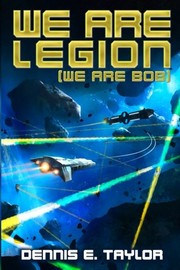
We Are Legion (We Are Bob)
A dead software engineer wakes up as a self-replicating space probe, clones himself into a squabbling fleet of Bobs, and tries to keep a ruined Earth alive.
2,357-word summary · 10 min read
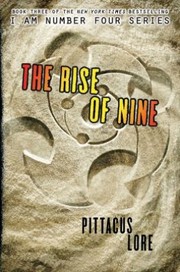
The Rise of Nine
John, Six and Nine race to India to find Eight before the Mogs strike.
2,321-word summary · 10 min read
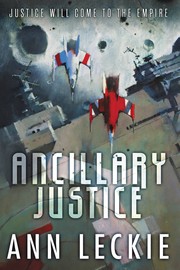
Ancillary Justice
A ship mind trapped in one human body hunts the emperor who betrayed her across frozen worlds.
2,595-word summary · 12 min read
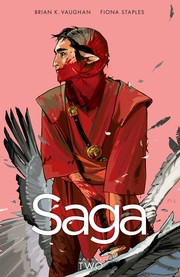
Saga, Volume 2
Alana and Marko flee with baby Hazel while exes, princes, and ghosts close the net.
2,028-word summary · 9 min read
Iron Gold
Ten years after victory, Darrow and new rebels face peace that feels like another war.
2,158-word summary · 10 min read
Exit Strategy
Murderbot returns to help its humans as corporate hunters close in and old friends risk all.
2,088-word summary · 9 min read
Cibola Burn
Settlers and a company fight over a new world while Holden tries to stop a war.
2,011-word summary · 9 min read
Seveneves
Stephenson 880-page William Morrow epic, May 2015: the Moon shatters, the Cloud Ark fails, seven women restart humanity, and heirs meet survivors on Earth.
2,389-word summary · 11 min read
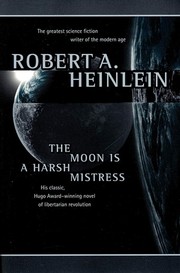
The Moon Is a Harsh Mistress
In 2076 Lunar colonists led by Mannie, Wyoh, Prof, and computer Mike revolt against Earth with rocks and rhetoric.
2,003-word summary · 9 min read
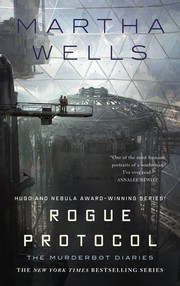
Rogue Protocol
Murderbot hunts GrayCris evidence on a dead colony world and befriends a trusting pet robot in this third Murderbot Diaries novella.
2,213-word summary · 10 min read
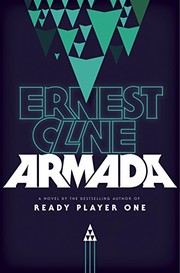
Armada
Gamer Zack learns Armada game trains real defense against alien Europans.
2,004-word summary · 9 min read
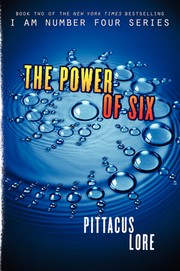
The Power of Six
John and Six run from the FBI and Mogs while Marina plots escape from a Spanish convent.
2,904-word summary · 13 min read

Hell's Heart
Queer whalers hunt god-monsters over Jupiter in this bloody Moby Dick riff.
2,200-word summary · 10 min read
Xenocide
Lusitania faces a fleet with planet death while Ender, Jane, and families debate virus, souls, and law.
2,647-word summary · 12 min read
The Long Way to a Small, Angry Planet
Runaway clerk Rosemary joins the Wayfarer crew for a year long tunnel job that tests family and love.
3,295-word summary · 15 min read
Childhood's End
Silver ships end war and want while Overlords midwife humanity's children into something beyond human.
2,054-word summary · 9 min read
Caliban's War
Ganymede burns, Bobbie survives it, Avasarala curses through politics, and Prax hunts daughter Mei.
2,080-word summary · 9 min read
Speaker for the Dead
Ender speaks whole truths for alien deaths on a fenced colony where biology confuses murder.
1,992-word summary · 9 min read
All Systems Red
A self aware security robot just wants soap operas, but its survey team keeps walking into corporate murder.
2,119-word summary · 9 min read
2001: A Space Odyssey
A black slab nudges apes to tools, calls Floyd to the Moon, and pulls Bowman past HAL toward Saturn and a strange rebirth.
2,982-word summary · 13 min read
I Am Number Four
Alien teen Four hides in Ohio and develops Legacies with Sam and Sarah.
2,335-word summary · 10 min read

The Host
Stephenie Meyer imagines Earth settled by Souls, where Wanderer wakes inside Melanie Stryder and hears her voice refuse to fade, sparking a desert flight to…
2,288-word summary · 10 min read
The Secret of the Nagas
Shiva hunts the Naga who attacked Sati, discovers her hidden twin sister and lost son, and follows the trail to the Naga capital of Panchavati.
2,442-word summary · 11 min read