
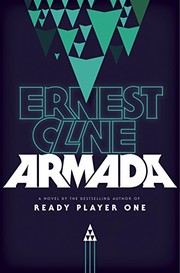
Armada
2,004-word summary 9 min read 368 pages in the book
- First published
- 2015
- Publisher
- Crown Publishing Group
- Pages
- 368
- ISBN
- 9780804137256
Reading options
What's inside (5 sections)
I read Armada right after Ready Player One because I needed more game lit, and found a faster, messier love letter to shooters. Crown Publishing Group published it July 14, 2015, a 368 page hardcover with ISBN 9780804137256. It is a standalone science fiction novel about Zack Lightman learning his game trains real defense. If you like Last Starfighter with 80s references and dad secrets, launch in. Expect dogfights, twists, and fun that outruns flaws.
Zack Lightman is eighteen, high school senior, working part time, living with mom. Dad died when Zack young, or so told. Zack tops Armada game, flight sim where Earth defends from Europans. He fails school though brilliant because bored and angry. Sees a saucer like game outside classroom. Thinks madness. It is real. Earth Defense Alliance recruits gamers because game was training. Alien scouts inbound. Teen pilots fly drones from bases. Zack joins with best friend? Actually with new friends. His skills matter. His father history matters more. What was told about dad death is lie to protect. Learning truth reshapes mission from game to family. I will keep twists vague, but expect two big ones about dad and enemy. Both divide fans. I liked one, tolerated other. Fun carries either way.
Game as training device works because Cline loves games sincerely. Armada cabinet details, controls, ranks, clans. Zack strategies from years translate to drone controls. Other gamers bring skills, trash talk, teamwork. Their banter feels real to anyone who played online. GG. Noob. Cover me. Bases have sim rooms that look like bedrooms. Transition from bedroom to war is the point. Kids already train. Adults just hid purpose. That idea thrills teens and worries parents in productive ways. What do games teach. Here, flying, teamwork, sacrifice. Elsewhere, other lessons. Discuss after chapters. Do not dismiss games as waste after reading. They train something, for better and worse. Ask what. Steer toward better. Zack learns to fly for Earth, not score. Growth from gamer to guardian, cheesy and satisfying. Cheer through cheese. It tastes good at Mach speed.
Dad, drones, and twists
Dad secret drives emotional plot more than aliens and deserves care without spoiling. Zack believes father died in accident. Mother works hard and worries. A man claiming to know father appears with files. What was told protects, or controls. Learning dad was involved in first war changes Zack from slacker to legacy. He must decide whether to trust stories or forge own. His anger at mother for lying wars with love for her sacrifice. Those scenes, kitchen table talks between alerts, ground space battles in family. Cline writes parent teen fights well. Yelling, door slams, apologies. If you have teens, you will nod. If you are teen, you will feel seen. Games do not replace parents. They reveal gaps. Fill gaps with talk after missions. Zack learns late. Learn sooner. Ask about family stories before war forces. Moms know more than they say to protect. Thank them after. Then fly.
Drones as warfare keeps action both exciting and safe, which suits YA. Teens pilot from bases, no bodies in space. Deaths are pixels until scouts break through and real people die. That shift raises stakes mid book effectively. Safe war was lie too. Cline nods to Ender's Game openly, homage not theft, though comparisons follow. Are gamers responsible for kills by remote. Who decides targets. Teens ask. Brass deflects. Zack questions orders when civilians risk. That questioning matters more than dogfights. Blind obedience, even in games, kills. Think before firing though score begs. The book tries to have fun and ethics together. Mostly succeeds. Sometimes fun wins and ethics get a line. Accept popcorn with conscience. Discuss after landing. When is remote killing just. Who programs targets. Ask before enlisting, even for Earth. Good.
Twists about enemy divide readers and need framing without spoiling. First twist reframes dad. Earned and moving. Second reframes Europans. Some love subversion. Some feel cheated after shooting chapters. I landed middle. Twist makes thematic sense about communication, though execution rushes. Reread hints were there. A line about signals here. A glance about language there. Fair play, barely. Accept or not, fun remains in dogfights described with gamer joy. Barrel rolls. Power ups. Boss patterns. Cline writes action clearly. You always know where ships are. That clarity is craft. Many space books confuse. This thrills. If twist bothers, focus on Zack choosing mercy where game taught kill. That choice redeems plot tricks. Games teach patterns. People break them kindly. Zack does. Cheer that more than reveal. Heart over twist, always. The book knows, mostly. Forgive mostly. Enjoy fully. Then debate twist with friends for hours. That debate is the real game. Play it well.
Pop culture with heart
Pop references fly as fast as ships and need note because they define Cline joy and limit. Star Wars, Star Trek, Firefly, Battlestar. Movies quoted mid battle. Soundtrack named. Fans will catch and grin. Others may feel excluded. The book explains enough to follow without wiki, though winks reward nerds. Critics say references replace character. Partly true here more than Ready Player One. Zack loves list more than people at first. Growth means loving people beyond lists. He learns names of fellow pilots beyond gamer tags. He asks about families. That shift from reference to relationship is the arc. Notice it. Mimic in life. Quote less. Ask more. Friends beat franchises, though both fun. Keep references as garnish, not meal. Cline sometimes forgets. Forgive when dogfights thrill. Skim lists when they clog. Story survives. Heart beats under high scores. Listen for it between explosions. It hums like arcade after closing. Sweet and a little sad. Stay for hum. Then play something cooperative after. Practice teamwork games teach at best. Save Earth together. Good.
Gamers, dads, and Earth Defense
Gamer crew as found squad deserves roll call because Cline writes teams with affection. Zack Lightman, top player slacker. Friends with distinct skills. A snarky girl who outflies boys. A quiet kid who fixes drones. Veterans who remember first war. Each brings gamer tag and real name. Tags joke. Names matter when danger hits. Bases have briefing rooms with leaderboards that embarrass and motivate. Zack learns to call by real names under fire. That shift from tag to name marks growth from game to war. Readers who play online will recognize. Teammates become friends when voice chat turns to stories between matches. Nurture that turn in life too. Ask real names kindly. Remember families. Squads that care fly better than skilled strangers. The book proves in final battle where misfits coordinate without orders because they trust. Trust built over losing matches together. Lose together in games to win together when counts. Good lesson wrapped in lasers. Play co op after chapter. Practice trust with low stakes. Earth may need it. Probably just friendship needs. Both count. Game on together. Well.
Dad mystery as emotional engine needs handling without spoiling reveal mechanics. Zack believes father died in accident. Mother works hard and worries. A stranger claims otherwise with files. What was told protects, or controls. Learning dad was involved in first war changes Zack from slacker to legacy. He must decide whether to trust stories or forge own. Anger at mother for lying wars with love for her sacrifice. Kitchen table talks between alerts ground space battles in family. Cline writes parent teen fights well. Yelling, door slams, apologies. If you have teens, nod. If you are teen, feel seen. Games do not replace parents. They reveal gaps. Fill gaps with talk after missions. Zack learns late. Learn sooner. Ask about family stories before war forces. Moms know more than they say to protect. Thank them after. Then fly. That order, family first then mission, keeps hero human amid aliens. Remember when choosing between game and dinner. Dinner first, usually. Game waits. Moms worry in real time. Honor that. Fly after dishes. Better pilot for full stomach and clear conscience. Good.
Who should read. Teens and adults who love games and space fit best. There is space violence, language, no explicit sex, mild romance. Fans of Ready Player One, Ender's Game, Last Starfighter will feel home. Pair with Ready Player Two? Actually with Warcross next for different game ethics, or with Ender's Game first for source debate. Read with controller nearby. Pause for dogfights. Shout at twists. Expect fun over depth and get both in flashes. I closed it wanting to call dad and play co op. Both good urges. Follow one. Then the other. Games train. Love directs. Fly well. Land kindly. Earth needs both pilots and people. Be both. Good.
Dad files as reveal mechanics need care without spoiling content. A stranger brings boxes. Photos. Letters. Flight logs. Zack reads late at night while mother sleeps. Each paper reframes childhood memory. That fishing trip was training. That absence was mission. Anger at mother for lying wars with love for her sacrifice. Kitchen talks between alerts ground space battles in family. Cline writes parent teen fights well. Yelling, door slams, apologies. If you have teens, nod. If you are teen, feel seen. Games do not replace parents. They reveal gaps. Fill gaps with talk after missions. Zack learns late. Learn sooner. Ask about family stories before war forces. Moms know more than they say to protect. Thank them after. Then fly. That order keeps hero human amid aliens. Remember when choosing game versus dinner. Dinner first. Game waits. Moms worry real time. Honor that. Fly after dishes. Good.
Earth Defense Alliance secrecy as civic question suits classroom debate after landing. Secret base. Recruited gamers. Drones for war. Adults hid purpose to train kids. Is that okay to save Earth. The book says mostly yes with queasy aftertaste. Zack questions orders when civilians risk. Brass deflects with need to know. He pushes. Sometimes punished. Sometimes proven right. That push and pull models civic virtue better than blind obedience. Question even saviors. Especially saviors with secret budgets. Readers should debate after landing. When is lying to kids justified. Who decides targets for remote pilots. What if game trains for wrong war. Those questions outlast dogfights. Teachers can use Armada to discuss drones, games, consent. Fun opens door. Ethics walk through. Do not skip that walk for next battle. Pause. Ask who programs. Ask who profits. Then decide whether to enlist, even for Earth. Good citizens ask before flying. Zack learns. So should players. Think, then thrust. Good.
Bases have briefing rooms with leaderboards that embarrass and motivate. Zack learns to call by real names under fire. That shift from tag to name marks growth from game to war. Readers who play online will recognize. Teammates become friends when voice chat turns to stories between matches. Nurture that turn in life too. Ask real names kindly. Remember families. Squads that care fly better than skilled strangers. The book proves in final battle where misfits coordinate without orders because they trust. Trust built over losing matches together. Lose together in games to win together when counts. Good lesson wrapped in lasers. Play co op after chapter. Practice trust with low stakes. Earth may need it. Probably just friendship needs. Both count. Game on together. Well. Good.
Game on together. Well. Good. Trust built over losing matches together. Lose together in games to win together when counts. Practice trust with low stakes. Earth may need it. Probably just friendship needs. Both count. Ask real names kindly. Remember families. Squads that care fly better than skilled strangers. The book proves in final battle where misfits coordinate without orders because they trust. Nurture voice chat into stories between matches. Ask about families. Friends beat franchises. Keep references as garnish, not meal. Story survives. Heart beats under high scores. Listen between explosions. Stay for hum. Good. Fly well. Land kindly. Be both. Good.
Fly well. Land kindly. Be both pilot and person. Games train hands. Love directs heart. Earth needs both. Good. Play co op. Practice trust. Save Earth together. Good.
FAQ
When was Armada published?
Crown Publishing Group published it July 14, 2015. The hardcover runs 368 pages with ISBN 9780804137256.
Is it part of a series?
No. It is a standalone science fiction novel.
Who should read it?
Teens and adults fit best. There is space violence and language.
Similar books
The Rise of Nine
John, Six and Nine race to India to find Eight before the Mogs strike.
2,321-word summary · 10 min read
Warcross
Emika Chen glitches into the Warcross Tokyo championship, joins the Phoenix Riders to hunt the masked Zero, and must face Hideo Tanaka's plan to read minds for…
2,826-word summary · 13 min read
The Power of Six
John and Six run from the FBI and Mogs while Marina plots escape from a Spanish convent.
2,904-word summary · 13 min read
I Am Number Four
Alien teen Four hides in Ohio and develops Legacies with Sam and Sarah.
2,335-word summary · 10 min read
Ready Player Two
Wade finds the ONI headset and seven new shards, reuniting the High Five against Anorak for the OASIS future.
2,157-word summary · 10 min read
Ready Player One
In 2045 Wade Watts hunts Halliday's three keys inside the OASIS, racing IOI with Art3mis, Aech, Daito and Shoto for the Jade Key onward.
1,971-word summary · 9 min read

Archenemies
Nova steals for the Anarchists while Adrian hides his Sentinel identity, and a serum that erases prodigy powers puts them both at risk.
2,485-word summary · 11 min read
Carve the Mark
On a planet divided between conquered and conqueror, the tyrant's sister and a kidnapped oracle's son discover that their gifts make them useful to everyone…
2,340-word summary · 10 min read
Leviathan
In an alternate 1914, a prince on the run and a girl disguised as a soldier meet aboard a living airship.
2,406-word summary · 11 min read
Starsight
Spensa Nightshade goes undercover aboard the Superiority space station Starsight to steal a hyperdrive, and finds a frightened bureaucracy where she expected…
2,568-word summary · 11 min read
Saving the World and Other Extreme Sports
Max and the flock split in two to take down the lab behind their lives, one half in California and the other in Europe.
2,175-word summary · 10 min read
Network Effect
Murderbot's contract job turns into a rescue mission when a hijacked research ship and a colony of corrupted colonists appear.
2,256-word summary · 10 min read
Never Fade
Ruby, now a leader in the Children's League, must track down the boy whose memories she erased, because he holds the only proof of what caused the disease that…
2,188-word summary · 10 min read
Children of the Mind
Ender's children split across worlds as Jane faces shutdown and Lusitania flees.
2,532-word summary · 11 min read
Under the Never Sky
Exiled from her Pod, Aria crosses a storm-scarred wilderness with Outsider Perry to find family and the fabled Still Blue.
2,572-word summary · 11 min read
School's Out - Forever
The bird kids try normal school under FBI guard until hunters crash class and chase them to Itex in Florida.
2,584-word summary · 11 min read

Ringworld
Bored Louis Wu joins alien crew to explore a vast ring habitat around a star.
2,370-word summary · 11 min read
The Infinite Sea
Cassie and Squad 53 wait out winter in a hotel while Ringer is retaken and learns the truth behind the 5th Wave.
2,985-word summary · 13 min read
Skyward
Spensa dreams of flying for Detritus though her father was branded a coward, until a crashed ship, a talking AI, and flight school force out the truth.
2,865-word summary · 13 min read

The Angel Experiment
Six winged kids escape the lab that made them and fly cross country to rescue their youngest from wolf hybrids.
2,037-word summary · 9 min read

The City of Ember
Two twelve-year-olds trade jobs and chase a chewed-up note to save their fading underground city before its lights fail.
2,998-word summary · 13 min read
The Death Cure
Thomas refuses WICKED's final test, remembers too much, and runs with the Gladers toward a last cure and a ship north.
2,955-word summary · 13 min read
The 5th Wave
Cassie Sullivan crosses ruined Ohio to save Sammy after four alien waves, trusting Evan Walker while doubting him.
3,063-word summary · 14 min read

The Host
Stephenie Meyer imagines Earth settled by Souls, where Wanderer wakes inside Melanie Stryder and hears her voice refuse to fade, sparking a desert flight to…
2,288-word summary · 10 min read
The Thief
A boastful young thief is pulled from a prison to steal a legendary stone for the king's magus, and the story he tells about himself is not the whole story.
2,514-word summary · 11 min read

Inkdeath
The final Inkworld novel sends Mo into the land of the dead, leaves Meggie choosing between two boys, and ends the Adderhead's immortality with three written…
2,062-word summary · 9 min read