

Opal
2,013-word summary 9 min read 382 pages in the book
- First published
- 2012
- Publisher
- Entangled Teen
- Pages
- 382
- Series
- Lux (#3)
Reading options
What's inside (4 sections)
I had read Obsidian and Onyx back to back and needed to know what happens after Blake's betrayal, so Opal, third in the Lux series, first published in 2012 by Entangled Teen, 382 pages in paperback, no ISBN verifiable in Open Library so omitted here with cover via ID 7284818, picks up with Katy changed and Daemon desperate. Katy carries a trace from Daemon healing her that gives her powers and paints a target. Daemon hunts for his brother Dawson, believed dead. The Department of Defense watches the town. Blake, who offered help, shows his link to what happened to Dawson and Bethany. It is the middle book that deepens rather than stalls, with more DOD menace, more Luxen lore, and a romance that finally chooses freely after healing debates.
Katy Swartz starts different. In book one she was new girl with a blog. In book two she gained shimmer from healing. Now she moves objects when angry, heats air, sees light she should not. Daemon trains her in secret, which means touching to guide energy, arguing about limits, worrying when she pushes too far. Their dynamic shifts from banter to partnership with real risk. Using powers together leaves traces the DOD and Arum track. Every lesson could expose. A scene where Katy accidentally blows out windows during an argument with her mom captures teen power as metaphor made literal. Feelings break glass. Parents ground you for breaking glass while missing why it broke. Armentrout balances literal and emotional well. Katy is powerful and still grounded for coming home late. That normalcy keeps paranormal grounded.
Dawson, Bethany, and Blake
The search for Dawson drives plot. Daemon believed his brother died with Bethany, his human girlfriend, in a fire covered up as tragedy. In Onyx we learned Dawson may live, held by DOD. Here Daemon plans rescue with Katy's help despite risks. Dee, their sister, wants her brother back but fears what captivity did. Those sibling scenes give Daemon depth beyond smirk. He jokes less when Dawson is mentioned. He checks exits. He sleeps badly. Katy sees the boy under alien bravado and loves him more for fear, not despite. When they finally find Dawson, and I will keep details light, reunion is not relief but complication. Captivity changed him. Bethany changed too. Rescue starts new problems about control and consent that book four must solve. That complication saves middle from sag. Finding who you sought does not end wanting.
Blake as villain who smiles is effective because he mirrors Daemon's early arrogance without heart. Human? Actually half? He offers Katy training, flirts, shares information about Dawson to earn trust, while working with DOD or for himself. Katy, lonely under DOD watch and fighting with Daemon about risks, leans on Blake too long. Readers will shout at her, which is the point. She knows better but wants answers Daemon withholds to protect. That information asymmetry, protect by silence, backfires as it always does in YA. When Blake's link to Dawson's capture emerges through documents and a slipped name, betrayal stings proportionally because hope was high. A scene where Katy realizes Blake let her practice powers while recording for DOD reframes every kind lesson as surveillance. Learning as spying. That violation hurts more than any fight because it corrupts growth itself.
The DOD tightens believably. Agents interview classmates, install cameras, threaten Katy's mom with custody issues. Teacher Matthew Gray, secretly Luxen? Actually ally, tries to buffer. Lesa, Katy's human friend, gets pulled in through curiosity that endangers. Those collateral pressures show occupation without soldiers on streets. Paperwork as weapon. Forms that must be signed. Meetings that must be attended. Armentrout understands small town control. Everyone knows whose car is new from government payout. Gossip tracks black SUVs better than radar. When Katy must lie to Lesa to protect her, friendship strains in ways that feel adult. Protection through exclusion rarely works and always costs. Lesa finds out sideways and is hurt more by secrecy than danger. That lesson about honesty inside protection repeats across Lux and lands here hardest.
For pacing, the training middle could drag with lessons. Shield practice, light whip, trace masking. Two sessions in a row follow similar beats, try, flare, argue. I skimmed one because pattern, Katy pushes, Daemon stops, was clear. Then a DOD raid on a party snaps it back. Music stops. Flashlights sweep. Kids scatter while Luxen teens must hide glow. Those public near exposures raise stakes better than private practice. Powers must hide in crowds, not just cabins. A later scene where Katy uses powers openly to save Dee and accepts exposure shows growth from hiding to choosing. Visibility as decision rather than accident. That turn prepares finale where hiding ends.
Choosing freely after healing
The romance question from book one, does Katy love Daemon or the trace from healing, resolves here through choice rather than proof. Daemon offers to sever? Actually to let her go if trace compels. Katy refuses test, insisting feelings predate powers and persist when trace fades during DOD dampening. They fight about it explicitly, which I appreciated. Many paranormal romances dodge consent questions with fate. Armentrout faces it through dialogue. Would you love me human. Yes, shown through actions when powers gone during capture. Those depowered chapters, where Katy must rescue without glow and Daemon must trust her plan without strength, prove partnership beyond biology. When powers return, they choose again with knowledge. That choosing, repeated, is the book's answer. Love as renewed consent, not imprint.
Dee gets welcome depth beyond best friend. She grieves Dawson differently than Daemon, with hope rather than rage. She befriends Katy's human circle genuinely, not as cover. When she learns what DOD did to Dawson, her light flares dangerously in public. Katy talks her down not with orders but with shared loss about fathers? Actually about feeling helpless. Those girl friendship scenes balance alien lore with ordinary comfort. Shopping, movies, pancakes after patrols. Normalcy as resistance to occupation. The DOD wants them scared indoors. Going out for milkshakes becomes defiance. I liked that politics stays personal. No speeches about rights. Just girls insisting on dessert while watched.
For craft, Armentrout's voice stays chatty and fast for 382 pages. Short chapters, many ending on texts or touches. Katy narrates with humor about blogs, books, moms. If you dislike first person snark, you may tire. I did twice when jokes undercut tension. A quip during a raid broke mood. But overall voice carries pages quickly. Worldbuilding expands usefully. Arum history, Obsidian weapons that kill Luxen, DOD divisions that disagree. Those details set up later books without info dumping. A file Katy steals explains more in two pages than prior books did in chapters. Stealing files as exposition device works because characters need it too, not just readers.
For criticism, Blake's plan relies on Katy trusting too long despite red flags. Readers will find her naive for a third book heroine who should know better after book two betrayals. I did, though loneliness under surveillance explains partly. Also, Dawson and Bethany return with trauma summarized quickly to keep plot moving. Given their importance, one more quiet scene of them alone together would deepen cost. As is, reunion serves Daemon arc more than their own. And DOD agents blur. Two suits with similar threats merge. Names help less than faces would on screen. Still, at 382 pages it moves faster than Onyx middle. I finished and immediately started Origin, book four. That is what a good third does. Deepen bonds, widen enemy, leave rescue incomplete. Katy choosing Daemon freely while DOD closes in gives both romance payoff and plot launch. Choose and run. That order matters. Love first as decision, then flight as consequence.
For who this is for. If you liked Obsidian banter and Onyx powers, this pays off both with higher stakes. If you are new, start at Obsidian. You need trace debates and Dawson grief for choices here to land. If you dislike love triangles, Blake fades as threat rather than rival by end, which helps. I closed it thinking about healing as trace that marks. Daemon marked Katy to save. She bears light that draws danger. They decide together whether mark means owing. Deciding it does not, while keeping light, is freedom as practice. Keep glowing. Keep choosing. That is Lux in one image.
Dawson and Bethany as cautionary mirror deserve a final paragraph because their captivity story warns what Katy and Daemon risk becoming. Held by DOD, experimented on, separated to control, they survive through bond that DOD studies like specimen. When rescued, they flinch at touch even from saviors, hoard food despite plenty, sleep in shifts. Those behaviors, learned in labs, do not vanish with freedom. Bethany trusts no one offering help, having learned helpers record. Dawson trusts only Bethany, having learned brother could not reach in time. Their reunion with Daemon and Dee is awkward rather than joyful. Hugs held too long from need. Conversations stalled by unspeakable memories. Armentrout resists making rescue fix. It starts longer healing that later books address. That honesty about aftermath elevates series above rescue fantasy. Finding is beginning, not end. Katy watches Dawson flinch at Daemon's loud joy and understands her own future if captured. Fear as teacher without preaching. She trains harder not from ambition but from seeing what happens to those who cannot fight back when taken. Dread as motivator works better than duty here. Protect the bond by becoming dangerous enough that taking costs. That logic leads to moral gray the series explores well. How dangerous may victims become to avoid re-victimization. Katy's answer, dangerous enough to choose, never to dominate, threads books forward.
Lesa as human friend who stays despite lies also anchors normalcy that paranormal threatens to drown. She notices Katy's absences, covers with parents, asks direct questions when stories slip. When lied to, she does not forgive instantly upon reveal. She needs time and proof of trust rebuilt through small consistencies. Showing up when promised. Texting back fast. Those ordinary repairs matter more than alien battles for friendship survival. Armentrout gives Lesa one scene where she tells Katy that being protected felt worse than danger because it meant exclusion from truth about her own life. That critique lands on both Katy and readers who accept paternalistic protection as love. Inclusion in risk beats safety through ignorance for those old enough to choose. Lesa demands choice and gets it late, which costs but saves friendship. Keep human friends by telling partial truths early rather than full truths after betrayal. Timing matters as much as honesty.
Daemon's humor as shield that cracks deserves attention because Armentrout uses jokes to mark where feelings exceed words. He teases Katy about blogs, about Vaughn? Actually about Dawson? He nicknames, flirts, deflects with smirks when DOD closes in. Those jokes work on Lesa and Dee who laugh along. With Katy alone, humor thins. He goes quiet about Dawson, about mother, about fear of losing Katy to Blake's information. That quiet signals trust more than banter. He stops performing for the one person he needs to believe him scared. A scene where he tries to joke during a stakeout and voice breaks mid line shows cost of constant performance. Katy does not laugh to cover. She waits. That waiting gives him room to state fear plainly. DOD took brother. Might take you. Cannot sleep. Those short sentences carry more than chapters of banter because they cost pride to say. Daemon, alien strong, admitting sleeplessness to human girl he protects reverses expected comfort direction. Strong one needs holding. Katy holds by staying awake with him without fixing. Presence as answer to fear that has no solution yet. Those night watches build intimacy heat cannot. Bodies near in quiet while danger waits outside. That closeness sustains through later separations when touch impossible. Remember sitting awake together. That memory fuels choices to return across fire. Love as shared insomnia survived together. Those lessons apply beyond Lux to any reader with secrets kept for others' good.
FAQ
Where does Opal sit in Lux?
Yes. It is book 3 in Lux after Obsidian and Onyx, before Origin. Start at Obsidian for trace debates and Dawson grief.
When was Opal published?
Entangled Teen published it in 2012. The paperback runs 382 pages. No ISBN verifiable in Open Library so omitted with ID cover.
Similar books
More from Lux first, then related titles.



Dumplin'
Willowdean Dickson enters her town's beauty pageant as a protest and discovers that confidence is harder to keep once she lets someone close.
1,922-word summary · 9 min read

Archenemies
Nova steals for the Anarchists while Adrian hides his Sentinel identity, and a serum that erases prodigy powers puts them both at risk.
2,485-word summary · 11 min read

The Awakening / The Struggle
A popular high school girl falls for a vampire, then discovers that his dangerous brother wants her too, in the first two books of the Vampire Diaries series.
2,660-word summary · 12 min read

Carve the Mark
On a planet divided between conquered and conqueror, the tyrant's sister and a kidnapped oracle's son discover that their gifts make them useful to everyone…
2,340-word summary · 10 min read

I Kissed Shara Wheeler
Shara Wheeler kisses her rival Chloe Green at prom and disappears, leaving a scavenger hunt that forces Chloe to rethink everything she knew about her.
2,083-word summary · 9 min read
Stars Above: A Lunar Chronicles Collection
Nine Lunar Chronicles stories fill in the histories of Cinder, Wolf, Thorne, Cress, Winter, and Jacin, and end with a wedding after the war.
2,230-word summary · 10 min read

Reveal Me
A Shatter Me novella told by Kenji, set between Defy Me and Imagine Me, as the rebels learn Anderson has taken hostages and Juliette faces Emmaline.
2,098-word summary · 9 min read

Wither
In a future where women die at twenty, sixteen-year-old Rhine is sold as a bride to a wealthy stranger and plots an escape from a beautiful prison.
2,395-word summary · 11 min read

The Rise of Nine
John, Six and Nine race to India to find Eight before the Mogs strike.
2,321-word summary · 10 min read

Under the Never Sky
Exiled from her Pod, Aria crosses a storm-scarred wilderness with Outsider Perry to find family and the fabled Still Blue.
2,572-word summary · 11 min read

The Upside of Falling
Two teens fake-date for a summer dare and end up facing grief, family secrets, and first love.
2,274-word summary · 10 min read

Shadow Me
Kenji Kishimoto narrates for the first time as he joins Nazeera on a quiet mission after Restore Me, carrying painful secrets into Defy Me.
2,512-word summary · 11 min read

Across the Universe
Frozen teen Amy wakes early on ship Godspeed and joins heir Elder to stop cryo murders and expose Eldest's drugged rule in this January 2011 Razorbill series…
2,430-word summary · 11 min read

Armada
Gamer Zack learns Armada game trains real defense against alien Europans.
2,004-word summary · 9 min read
The Power of Six
John and Six run from the FBI and Mogs while Marina plots escape from a Spanish convent.
2,904-word summary · 13 min read
The Infinite Sea
Cassie and Squad 53 wait out winter in a hotel while Ringer is retaken and learns the truth behind the 5th Wave.
2,985-word summary · 13 min read

Skyward
Spensa dreams of flying for Detritus though her father was branded a coward, until a crashed ship, a talking AI, and flight school force out the truth.
2,865-word summary · 13 min read

Requiem
Lena fights in the Wilds while cured Hana marries into Portland power.
2,232-word summary · 10 min read
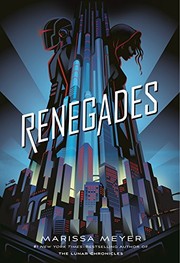
Renegades
Villain Nova infiltrates heroes while Adrian questions justice.
2,453-word summary · 11 min read
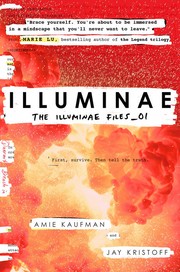
Illuminae
Exes flee invasion on ships with rogue AI, told in chats and files.
1,959-word summary · 9 min read

Ice Planet Barbarians
Crashed women meet blue hunters on ice and a parasite forces a mating choice.
1,983-word summary · 9 min read

Imagine Me
Juliette remembers who she was and storms the capital to end the Reestablishment for good.
2,090-word summary · 9 min read



Perfect Chemistry
Perfect rich girl and gang tied boy tutor each other into love that must survive threats.
2,029-word summary · 9 min read
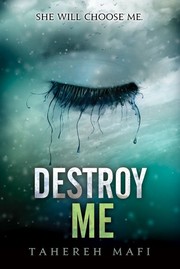
Destroy Me
Shot by Juliette, Warner holds his base together while his father arrives with harsher plans for her.
2,556-word summary · 11 min read

I Am Number Four
Alien teen Four hides in Ohio and develops Legacies with Sam and Sarah.
2,335-word summary · 10 min read