
Reading options
What's inside (7 sections)
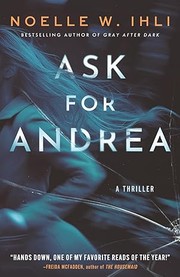
I started Ask for Andrea late at night and finished with lights on, which does not happen often after years of thrillers. First published in 2022. The Pan Macmillan edition runs 304 pages with ISBN 9781035079988. It is a standalone thriller about three murdered women who haunt their killer to stop him, followed by prequel Forget You Saw Her. Meghan, Brecia, and Skye were all killed by the same online dater. Dead but not gone, they find each other and hunt him. If you like ghost stories with teeth and female rage with heart, clear your schedule. The haunt is on.
James Carson hunts online, posing as eligible bachelor. Thick charm, bright smile, first dates that end in shallow graves. He got away three times. Police see separate cases. Families grieve alone. Meghan, Brecia, Skye wake dead and confused. They learn rules slowly. They can watch the living, move small things with effort, find each other by cold spots. They find each other because unfinished business hums same frequency. Together they understand. Same man. Same charm. Same grave dirt under nails. They decide to stop him before a fourth.
The three women differ, which keeps pages turning. Meghan, young mother? Actually recent divorcee trying dating again, cautious, kind. Brecia, bold, funny, protective of sisters. Skye, youngest, sweet and trusting. Death does not flatten them. They bicker about plans. Meghan wants to warn living women directly. Brecia wants to scare James. Skye wants to understand why. Their debates about justice versus vengeance drive middle as much as scares. What can ghosts do. What should they. How to protect without possessing. Rules cost. Breaking costs more.
Haunting rules
Ghost rules are clear enough to follow and strange enough to fear. They see living who do not see them, except animals, children, and one sensitive woman. They move objects by focusing rage, which exhausts. They enter dreams but cannot stay. They feel cold where killer walks. Time moves differently. A day for living is flicker for dead, except when watching James, when seconds crawl. Ihli keeps rules consistent. When a rule breaks for plot, another ghost pays. That cost keeps scares honest. No free powers. Haunting tires the dead too.
James as villain chills because he is ordinary. No mask. Good job. Gym selfies. Texts with emojis. Dates plan picnics. He studies women profiles for loneliness markers, recent moves, new jobs. He mirrors interests. He pays for dinner. Then he walks them to cars and kills. Ihli writes his point of view sparingly, which is wise. Too much would humanize or bore. Glimpses show entitlement, not mystery. Women owe him for dinner. They should be grateful. When they resist, rage flashes. That banal evil feels truer than mastermind. Check dating apps after reading and shiver. Then check friends safety plans. The book wants that shiver to become action. Share locations. Meet public. Tell Andrea, the code the book titles.
Living women in his orbit need warnings they cannot hear. A new match, Emily? Actually a fourth target emerges, kind, lonely, ignoring red flags because charm works. Ghosts try to warn by flickering lights, moving phones, whispering in dreams. She dismisses as stress. Readers shout. That dramatic irony hurts in good way. You want to reach in. You cannot. Ghosts feel same frustration magnified. Their failures teach living readers to listen to unease sooner. If lights flicker around a man, leave. If friends worry, hear them. The book saves lectures by showing consequences. Three graves speak louder than tips.
Police procedural runs parallel and frustrates realistically. Detectives see patterns late because jurisdictions split. A female detective believes victims families before bosses do. She pushes DNA, phone records, dating app logs. She gets stonewalled by privacy rules and lack of bodies found together. Ghosts watch her work and cheer silently when she connects. They cannot hand her proof. They can nudge, a file left open, a dream that prompts recheck. Her breakthrough comes from victims families sharing stories online, not from ghosts. That choice respects real investigations. Women talking saves more than spirits. Believe women early. The book hammers without preaching. Three voices together make pattern undeniable.
Rage and grief
Female rage theme burns clean without tipping into cruelty. Meghan grieves daughter growing without her. Brecia grieves sisters guilt. Skye grieves parents who think she ran. Their rage at James is righteous, but Ihli lets them feel more. Sadness for lives unlived. Jealousy of living women who get mornings. Guilt for missing signs. They comfort each other in cold spots that feel like hugs. Those quiet scenes between scares give the book heart critics praise. Freida McFadden blurb, hands down favorite, makes sense. Horror with love lands harder than horror alone. You fear for ghosts as well as from them. You want them to rest, not just win.
Grief details ring true. Families keep rooms. Mothers call phones that go to voicemail. Fathers search woods. Friends tattoo names. James attends vigils to watch, a detail that sickens. Ghosts attend too, unseen, screaming at mourners to look at him. That helplessness mirrors real families of unsolved cases. Ihli, inspired by true events as notes say, handles with care. No gore feasts. Deaths described plainly, then focus shifts to aftermath. How mothers breathe after. How friends date again guiltily. The book honors victims by centering their afterlives as persons, not bodies. Say their names. Meghan, Brecia, Skye. Remember.
The trap plan to stop James risks living to free dead. Ghosts guide a living woman to meet him wired, watched. She agrees though scared because she believes them through dreams and signs. The sting operation scenes tighten. Texts sent. Location shared. Police near but not too near lest he bolt. James charms as always. Readers know. Tension comes from whether ghosts can intervene if he moves fast. They can, barely, at cost. One ghost fades by spending too much. That sacrifice lands because she chooses. Rest can wait. Another must live. I cried at that fade, which surprised me in a thriller. Good.
Fair criticism is light. At 304 pages, middle haunting repeats. Flicker lights, move keys, whisper dreams. James evades a little long. Nonlinear ghost time confuses once. Who sees whom when needs tracking, as takeaways note. Some readers want more police science. This book favors ghosts. Accept premise or skip. Content notes help. Murder, stalking, grief are constant though not graphic. No explicit sex, mild language. The scares are dread, not jumps. Night readers should know lights may stay on. Mine did.
Justice, prequel, and staying safe
Justice in the book looks different from courtroom shows and needs naming. Ghosts cannot testify. Police need bodies, phones, DNA. Families need answers before trials. The women work in gaps between systems. They nudge a detective to recheck logs. They guide a living target to record James. They comfort families in dreams that feel real enough to act on. When James is finally trapped, it is by living women believing dead ones plus a detective believing mothers. No single hero saves. Network saves. That message suits true crime readers tired of lone genius. Listen to victims together. Patterns emerge. Act early. The book models collective justice without preaching. Three voices hum same frequency until living hear. Hum with them by sharing stories. Believe first. Investigate after. Both matter.
Prequel hook lands softly and well. Forget You Saw Her follows Andrea, the namesake code, whose disappearance connects. You do not need it to finish here. The main trap closes. Ghosts rest, mostly. One lingers to watch the living woman she saved. That lingering, kind not creepy, opens door without cliffhanger. Fans will go next for Andrea story. Newcomers can stop here satisfied though haunted. Ihli rewards either. Her website lists order clearly. Read publication order, Andrea then prequel, for reveals as intended. Or read prequel first for chronology. Both work because characters differ. Ghosts guide either way. Follow cold spots. They lead to care.
Staying safe after reading matters more than stars. The book wants action, not just fear. Share locations on dates. Meet public first times. Tell a friend code phrase, Ask for Andrea, from real bar campaigns the title honors. If date feels wrong, leave loudly. Staff will help. Ihli includes resources implicitly through detective advice. Tell police early. Save messages. Trust unease. These steps will not stop all Jameses. They stop some. Readers, especially young women dating online, should discuss with friends after last page. Make a plan before next date. The haunt is on to keep others alive. Let it. Keep lights on while needed. Then sleep knowing three women watch. Rest, and wake ready to believe and act.
How ghosts work together
Ghost teamwork mechanics deserve detail because they carry theme beyond scares. Meghan, organized in life, keeps lists of James habits. Brecia, bold, tests what moves she can push. Skye, gentle, senses living emotions best. Together they cover planning, action, empathy. Alone each fails. Meghan plans without push. Brecia pushes without care. Skye feels without acting. The book argues justice needs all three, mind, muscle, heart, even among dead. When they argue about risks, voices overlap in cold spots that living feel as shivers. That shiver is collaboration made physical. Readers feel it too when pages chill. Good. You are in the huddle. Listen for your role. Planner, pusher, feeler. Every group needs all. Name yours before next crisis. Practice now.
Living allies learn to hear through different channels worth naming. The detective hears through files that will not close. A roommate hears through dreams that repeat. A mother hears through sudden cold at dinner. James new target hears through earbuds that cut out when he lies. Each channel requires belief to act on. The detective believes mothers first, then follows paper. The roommate believes dreams enough to call police, though embarrassed. The mother believes cold enough to check daughter location. Small beliefs compound into trap. Ihli respects each. No single believer saves. Network does. That message suits our age of isolated scrolling. Tell someone when unease hums. Compare notes. Patterns emerge from shared stories, not lone genius. Meghan, Brecia, Skye learned dead. Learn living. Share locations. Meet public. Ask for Andrea when needed. Staff trained to help will. The haunt continues through living who listen. Join it by believing early and acting kindly. Rest will follow, for dead and living both.
James patterns and stopping
James Carson patterns need naming without glorifying because readers must recognize red flags. Love bombing early, constant texts, grand dates. Isolation next, criticize friends, monopolize time. Control next, check phone, choose clothes. Charm as cover throughout, smile for waiters, rage in private. Ihli shows each stage through three victims who missed different signs. Meghan missed control because charm dazzled. Brecia missed isolation because independence felt like love. Skye missed love bombing because youth mistook intensity for care. Together their stories map the full cycle. Learn it. Teach it. When a date shows two stages fast, leave. No second chance for pattern. Friends should name stages kindly, not blame. She missed, we all miss. Leave now together. That script saves more than ghost warnings. Practice saying it. Mean it. The book gives words. Use them.
Stopping James requires living courage plus ghost nudges, and the balance matters. Ghosts can flicker lights, move keys, enter dreams. They cannot call police or testify. Living must do those parts scared. The new target agrees to wear wire though hands shake. The detective risks career to believe mothers over bosses. A roommate testifies about dreams though embarrassed. Each living act costs reputation, time, safety. They pay anyway because dead women cannot. That division honors both realms. Ghosts guide. Living decide. When trap springs in a parking lot with witnesses and recording, James charms as always. Witnesses do not melt. Recording runs. That ordinary justice, no exorcism, just evidence, satisfies more than supernatural revenge. Systems work when pushed by many. Push together. Believe early. Record always. The haunt ends when living refuse to look away. Look, record, testify. Rest follows for Meghan, Brecia, Skye at last. Say their names. Remember. Act.
Who should read. Adults who love thrillers with heart fit best. Fans of Freida McFadden pace, Lovely Bones voices, Jason Rekulak twists will feel home. Pair with prequel Forget You Saw Her after for Andrea story, or with Such Quiet Girls for more Ihli voices. Read with friends to discuss safety plans after. Share locations. Meet public. Ask for Andrea, the bar code from real life the title honors. If date feels wrong, leave. Ghosts in this book wish living women would. Listen sooner. The haunt is on to keep others alive. Let it.
FAQ
When was Ask for Andrea published?
First published in 2022. The Pan Macmillan edition runs 304 pages with ISBN 9781035079988.
Is it part of a series?
No. It is a standalone thriller, followed by prequel Forget You Saw Her.
Who should read it?
Adults fit best. There is murder, stalking, and grief.
Similar books

What She Knew
Rachel lets her eight-year-old son run ahead in a Bristol park, and the nine-day search turns her into a suspect in the public eye.
2,952-word summary · 13 min read

The Beach House
A young valet is beaten to death at a Hamptons party, and his law-student brother spends a year building a case against the family that covered it up.
2,049-word summary · 9 min read

Six Years
A professor who promised to forget the woman he loved sees her husband's obituary and discovers that the wedding, the marriage, and the woman herself may never…
2,076-word summary · 9 min read

Rules of Prey
Minneapolis detective Lucas Davenport hunts a killer who leaves a new rule at every scene and treats murder as a game of wits.
1,914-word summary · 9 min read

4th of July
Lindsay Boxer shoots two armed teenagers in self-defense, faces a wrongful-death trial, and spends her leave chasing a string of throat-slashing murders in…
2,192-word summary · 10 min read

61 Hours
A bus crash strands Jack Reacher in a snowbound South Dakota town where a drug gang, a corrupt police force, and a single witness are on a collision course.
2,227-word summary · 10 min read

Still Missing
A realtor is abducted at a Vancouver Island open house and held for more than a year. Told through therapy sessions, the novel follows her escape and the hunt…
2,466-word summary · 11 min read

Bad Luck and Trouble
A deposit of $1,030 summons Jack Reacher back to his old army unit, which is being picked off one name at a time.
2,366-word summary · 11 min read

3rd Degree
The third Women's Murder Club novel follows a San Francisco terror cell and a three-day killing schedule, and it costs the club a member.
2,685-word summary · 12 min read

Worth Dying For
Reacher stops for one night in rural Nebraska and finds a family that runs the county, a missing girl and a shipment worth killing for.
2,021-word summary · 9 min read

Say You're Sorry
A widowed prosecutor defends the teenager accused of killing her babysitter, uncovering a small town's secrets and a killer hiding in plain sight.
2,116-word summary · 9 min read

Echo Burning
Reacher hitches a ride with a Texas woman who wants her abusive husband killed, then has to prove she did not murder him when he comes home.
2,209-word summary · 10 min read

Girl, Forgotten
A rookie US marshal guards a judge with a stalker and ends up reopening the 1982 prom-night murder of the judge's pregnant daughter.
2,111-word summary · 9 min read

The Woods
Twenty years after two teenagers were murdered and two vanished at summer camp, prosecutor Paul Copeland identifies a fresh corpse as one of the missing.
2,490-word summary · 11 min read

The Boy from the Woods
Wilde, found feral in a New Jersey forest in 1986, hunts for a missing teenager while a senator's secrets tear a wealthy town apart.
2,270-word summary · 10 min read

Without Fail
Reacher is asked to test vice presidential security by planning to kill.
2,084-word summary · 9 min read

Things We Do in the Dark
A comedian kills her husband, then a podcaster digs up her teen murder past.
2,427-word summary · 11 min read

The Widow
A widow of a suspected criminal faces reporters and police while hiding what her marriage really cost.
2,599-word summary · 12 min read
The Racketeer
A jailed lawyer trades a judge murder secret for freedom and revenge.
2,434-word summary · 11 min read
The Night Swim
A true crime podcaster covers a rape trial while probing an old drowning in a small town.
2,260-word summary · 10 min read
The Judge's List
Lacy Stoltz hunts a sitting judge who murders off his list.
2,513-word summary · 11 min read
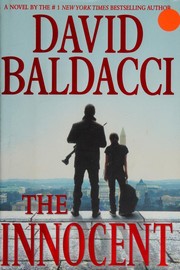
The Innocent
A government hitman refuses one kill and must protect a teenage girl at the center of a cover-up.
2,403-word summary · 11 min read
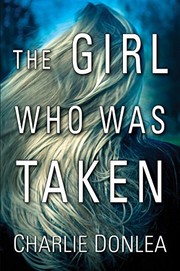
The Girl Who Was Taken
A survivor returns alone while a reporter digs for her lost sister.
2,261-word summary · 10 min read

The Club
A luxury island resort for the rich turns deadly when secrets, staff and guests collide.
2,386-word summary · 11 min read
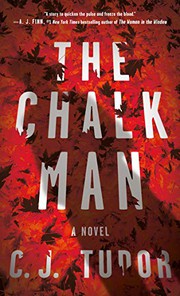
The Chalk Man
Childhood chalk codes lead to a murder that follows friends thirty years later.
2,350-word summary · 10 min read
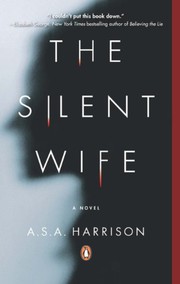
The Silent Wife
A Chicago psychologist watches her twenty-year partnership collapse when Todd leaves for Natasha, then plans murder.
2,591-word summary · 12 min read
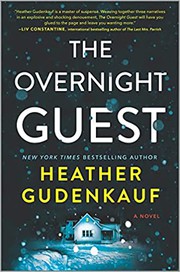
The Overnight Guest
A snowbound writer shelters a lost boy in Iowa while a twenty-year-old story of neglect closes in.
2,580-word summary · 11 min read
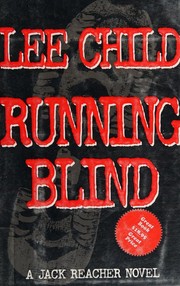
Running Blind
Jack Reacher must catch a killer who murders women with no forced entry and no trace.
2,008-word summary · 9 min read
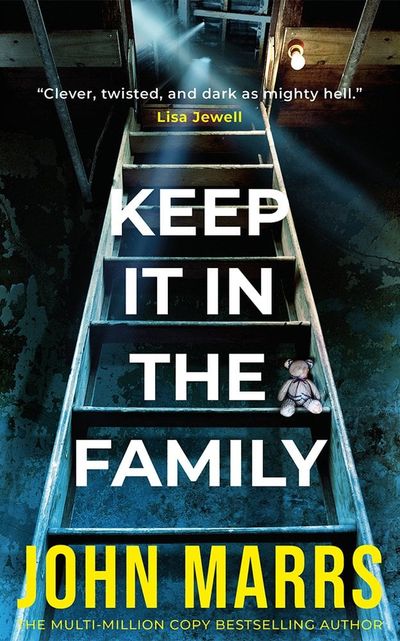
Keep It in the Family
Mia and Finn renovate a long empty house and find seven children hidden in the attic.
2,270-word summary · 10 min read

Force of Nature
Four women walk out of the Giralang Ranges and Alice Russell does not, leaving Falk to link bush lies to firm fraud.
2,250-word summary · 10 min read