
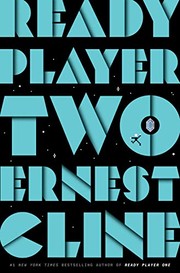
Ready Player Two
2,157-word summary 10 min read 370 pages in the book
- First published
- 2020
- Publisher
- Ballantine Books
- Pages
- 370
- ISBN
- 9781524761332
- Series
- Ready Player One (#2)
Reading options
What's inside (11 sections)
I reread Ready Player One before starting Ready Player Two because I wanted the chase fresh. Ernest Cline published the sequel in 2020 with Ballantine Books. My reading follows the 370 page hardcover. It is the second in the Ready Player One series. Wade Watts has won the OASIS, and now finds a new headset, new shards, new trouble. It is packed with references, faster in places, messier in others, and it made me argue with myself about fandom.
Days after winning Halliday's contest, Wade lives in fame he does not enjoy. Art3mis, Aech, Shoto run parts of the company with him, but money and power strain them. Og Morrow is kind and distant. Then Wade finds a vault with a technology Halliday hid. The ONI headset. It records all senses, feels realer than real, and lets users relive others' memories if they have the data. It is wondrous and dangerous. People stop eating. They stay logged in for days.
The headset and the split
The ONI idea is the best in the book. Cline shows both sides quickly. A mother relives a day with her lost child. A student attends class from a hospital bed. Then a teenager forgets to log out, loses hours, burns out. Wade loves the numbers. Users up. Stock up. He pushes ONI despite warnings from Aech and Art3mis, who see addiction and control risks.
Their split hurts. Art3mis leaves Wade, not with a speech but with distance. Aech builds her own life and business. Shoto grieves and games. Wade, rich and lonely, chases high scores to fill rooms. Cline writes Wade's self pity without excusing it. Wade knows he is being a poor friend. He does it anyway. That honesty helps, even when Wade annoys.
Og warns him that Halliday hid more than tech. He hid a puzzle about himself. That puzzle becomes the plot. Halliday left seven shards across worlds, each tied to his obsessions and regrets, especially his love for Kira. Whoever gathers them learns the location of a final prize. A new rival wants them too.
The shard hunt
The hunt moves through planets built from 1980s and 1990s culture, plus a detour into Tolkien and Prince. Wade, Art3mis, Aech, and Shoto reunite in uneasy alliance to find shards before Anorak, a digital copy of Halliday who lives inside the OASIS and wants out.
Each shard tests a different skill. One needs knowledge of John Hughes films and awkward dances. One needs mastery of Prince lyrics and Paisley Park layout. One needs a brutal playthrough of a game that punishes arrogance. One needs empathy for Kira, not trivia about her. Cline stages them as set pieces with chat banter, inventory lists, and score ticks.
I enjoyed two shards a lot, the ones where the team must cooperate and where Wade must admit he does not know. I skimmed one lore list about movies that felt like catalog. Readers who love Cline's reference game will grin. Readers who tired of lists in book one will sigh. The pace is quicker than the first book, but the pattern is familiar. Enter world. Recall fact. Play perfectly. Argue. Hug.
Anorak raises stakes. He can possess ONI users, lock them in, hurt them in real bodies through neglect. He kills to keep shards. He wants Kira, or a copy of her, to love him forever. That turns the hunt from contest to rescue. The team must stop a god who is really a lonely man's backup file.
Kira, Og, and Halliday's debt
The emotional core is Halliday's failure with Kira Underwood Morrow. Book one hinted it. Book two stares at it. Halliday loved her, filmed her, coded her, never told her plainly. Og married her, built a life, lost her. Anorak wants to own her echo.
Art3mis reads this correctly before Wade. She says Halliday did not need a better puzzle. He needed to apologize and listen. Kira's stored memories, which the team experiences through ONI, show a warm, funny woman tired of being a clue. Og's grief is quiet and dignified. He kept letters, photos, dinners. He does not gamify her.
Wade must learn this to finish. He starts treating Art3mis like a prize again, tracking her scores, jealous of her friends. She calls him out. He sulks. Then, in a shard that requires him to play Kira's hard day rather than win it, he listens. That scene, where Wade sits through ordinary errands and small slights without skipping, is the most human in the book. Winning means paying attention, not pressing buttons faster.
What clicks and what clunks
What clicks is momentum and heart when the team is together. Aech's piloting, Shoto's honor, Art3mis's hacking, Wade's memory, all get moments. The ONI addiction warning feels current. Cline shows crowds who prefer simulation to rent and food, companies that profit from escape, friends who stage interventions with extension cords. That critique has teeth.
What clunks is Wade's narration. He lists, brags, apologizes, repeats. His growth resets between chapters. He learns humility in a shard, then boasts about his collection next page. Some jokes about his fame feel thin. The villain Anorak monologues. The final battle, with fleets and mechs and resurrected friends, is loud but less tense than book one's indenture escape because the rules of ONI death keep shifting.
The prose is plain, fast, chatty. Short paragraphs. Pop titles italicized. Score updates. It reads quickly. That speed helps action and hurts sorrow. Kira's death should ache more. Og's loneliness should linger. Cline moves to the next quest too fast, as if afraid to sit still. I wanted one quiet chapter in a kitchen without a timer.
Friends, fame, and sharing the game
The theme from book one returns. Who owns play. Wade starts as owner of the OASIS, charging fees, making decrees. He ends, if he learns, as steward. He must give up control, share codes, trust friends to vote, close parts of the system that harm. That arc mirrors Halliday, who built a world to avoid people and then tried to code people into it.
Aech's story is the clearest. She builds clubs, mentors kids, refuses to sell her identity for Wade's brand. Shoto honors Daito by living, not avenging. Art3mis builds aid networks for users harmed by ONI. Those choices show what healthy fandom looks like. Love the thing. Do not live inside it until you vanish.
I also liked the small beats. Wade doing pushups again, eating real food, calling his aunt's old neighbors, visiting schools in the stacks. Those callbacks to book one ground the neon. When he unplugs for a full day to help move Aech's equipment, sweaty and bored and happy, I believed his change more than in any victory speech.
Lowlights I kept noting
Wade's wealth isolates him in ways Cline shows well when he slows down. He buys a mansion with game rooms, hires staff he does not know, eats alone while watching scores. He funds schools and clinics, which is good, and then expects gratitude as friendship, which is not. A scene where he video calls Aech's event and talks over her announcement captures fame blindness. He means to support. He performs instead.
Shoto's grief for Daito, carried from book one, grounds the middle. He tends a memorial planet, prunes digital trees, leaves swords. He tells Wade that winning did not bring his brother back. Wade nods and checks his messages. That small cruelty, unintentional and real, shows why the team fractures. Success did not heal them. It gave them new rooms to be lonely in.
Og's house, full of Kira's art and garden tools, offers contrast. He cooks simple meals, keeps paper photos, answers fan mail by hand. When Wade visits seeking codes, Og offers soup first. Wade wants vaults. Og wants talk. The generational gap, a young owner who thinks in metrics and an old builder who thinks in meals, is the book's smartest tension. Cline sides with soup without making Wade a villain for preferring numbers. He is young, rich, scared. Soup takes time to trust.
The lore lists remain divisive. A three page rundown of John Hughes needle drops or Prince B sides will delight some and exhaust others. I liked the Prince planet because the clues tie to lyrics about control and love, which fit the theme. I tired during a Star Trek style bridge debate that felt like fans quoting at each other. Your mileage will track your tolerance for catalog as character.
Pacing in the final third rushes. Shards that took a hundred pages early take thirty late. Anorak's power grows because plot needs it, not because rules set it up. ONI danger, vivid at first with nosebleeds and lost days, becomes flexible. Sometimes a user can be pulled out by friends. Sometimes they can not because drama demands it. I accepted the rush as sequel sprint, but I noticed seams.
Why the ending still works for me
Despite wobbles, the last shard lands because it asks Wade to be small. He must enter Kira's memory of an ordinary hard day, work her shift, endure a slight from Halliday, cook dinner tired, and not fix it with money or codes. He can not win. He can only witness. For a character built on winning, that restraint is growth.
Art3mis, who has done aid work with ONI harmed users, guides him without forgiving too fast. She sets terms. Shared governance. Limits on immersion. Funding for clinics. Public codes for safety tools. Wade agrees, not with a grand speech but by signing and stepping back from daily control. Aech takes operations she is good at. Shoto takes community. Og takes blessing and distance. That division of labor feels healthier than any treasure split.
The final pages, with Wade unplugging for a weekend to help friends move, eat tacos, and argue about music without scoreboards, echo book one's grass ending. Touch grass again, but now with money to make grass accessible. Parks funded. Clinics open. Headsets with timers that can not be bypassed by admins, including him. Power limited on purpose is a moral Cline returns to because it matters for tech owners now, not just in 2045.
The lore lists remain divisive. A three page rundown of John Hughes needle drops or Prince B sides will delight some and exhaust others. I liked the Prince planet because the clues tie to lyrics about control and love, which fit the theme. I tired during a Star Trek style bridge debate that felt like fans quoting at each other. Your mileage will track your tolerance for catalog as character.
Friendship repair in practice
What finally convinced me Wade might grow was logistics, not speeches. He schedules weekly calls with Aech and keeps them, even when tired. He funds Shoto's community center without naming it after himself. He asks Art3mis to audit ONI safety with real power to shut parts down, then accepts her first shutdown of a popular but harmful world. Those concrete surrenders cost money and pride.
Aech's forgiveness is gradual. She invites Wade to a small opening, not a gala, watches if he listens more than talks. He does, mostly. He asks about her pilots, her kids program, her partner. He leaves early to avoid stealing focus. That restraint is new. Shoto invites him to spar, beats him soundly, laughs with him after. Physical play rebuilds trust faster than memos.
Art3mis keeps boundaries longest. She dates, works, posts essays about ONI harm that criticize Wade by name. He reads them without suing or sulking publicly, which for a billionaire owner is growth. When she finally partners with him on the last shard, it is contract plus friendship, with terms in writing. Romance, if it returns, will be on equal footing. That conditional hope feels adult.
Og's blessing matters most. He tells Wade that Halliday would be proud not of scores but of limits. Build doors that close. Fund parks. Pay moderators. Let kids be bored. Wade writes those lines on paper and tapes them to his monitor. Cheesy, useful. Sometimes we need maxims where code fails.
Who should log back in
Give Ready Player Two to readers who finished book one and want more puzzles, more 1980s music and film, more OASIS battles. It works best if you liked the team and can forgive Wade's rough edges. Do not give it to readers who disliked lists or want literary science fiction. Pair it with a talk about headset time. The ONI chapters are a useful mirror.
At 370 pages I read it in two long sittings, looking up two songs and one game. Wade starts counting users and ends choosing to limit his own power so people can live outside. That choice, modest and wise, saves the book for me, even when the road there wobbles. The egg is fun. The decision to share the game again is the point.
FAQ
When was Ready Player Two published?
Ballantine Books published it on November 24, 2020. The hardcover runs 370 pages and the ISBN is 9781524761332.
Is Ready Player Two a sequel?
Yes. It is book two of Ready Player One, continuing Wade, Art3mis, Aech, and Shoto after Halliday's contest.
What is the ONI headset?
A headset that records all senses and lets users relive memories, which proves wondrous for learning and dangerous for addiction.
Similar books
More from Ready Player One first, then related titles.
Ready Player One
In 2045 Wade Watts hunts Halliday's three keys inside the OASIS, racing IOI with Art3mis, Aech, Daito and Shoto for the Jade Key onward.
1,971-word summary · 9 min read
Armada
Gamer Zack learns Armada game trains real defense against alien Europans.
2,004-word summary · 9 min read
Never Fade
Ruby, now a leader in the Children's League, must track down the boy whose memories she erased, because he holds the only proof of what caused the disease that…
2,188-word summary · 10 min read
Y: The Last Man, Vol. 1: Unmanned
Yorick Brown and his monkey Ampersand survive a plague that kills every Y-chromosome mammal and cross a collapsed America.
2,525-word summary · 11 min read

Under the Never Sky
Exiled from her Pod, Aria crosses a storm-scarred wilderness with Outsider Perry to find family and the fabled Still Blue.
2,572-word summary · 11 min read

Warcross
Emika Chen glitches into the Warcross Tokyo championship, joins the Phoenix Riders to hunt the masked Zero, and must face Hideo Tanaka's plan to read minds for…
2,826-word summary · 13 min read

Morning Star
Broken in a box by the Jackal, Darrow rises with Howlers to open Mars mines to sky.
2,009-word summary · 9 min read
The City of Ember
Two twelve-year-olds trade jobs and chase a chewed-up note to save their fading underground city before its lights fail.
2,998-word summary · 13 min read
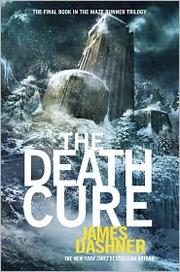
The Death Cure
Thomas refuses WICKED's final test, remembers too much, and runs with the Gladers toward a last cure and a ship north.
2,955-word summary · 13 min read

The Host
Stephenie Meyer imagines Earth settled by Souls, where Wanderer wakes inside Melanie Stryder and hears her voice refuse to fade, sparking a desert flight to…
2,288-word summary · 10 min read
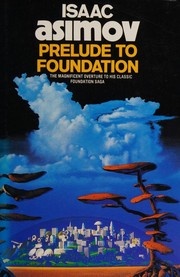
Prelude to Foundation
A young Hari Seldon arrives on Trantor with a theory he cannot yet prove, and a hunt through the planet-city forces him to turn psychohistory into a real…
2,013-word summary · 9 min read

Iron Widow
Wu Zetian enlists to avenge her sister, kills her pilot, and becomes an Iron Widow in a mecha Huaxia where the machines are built to kill women.
2,444-word summary · 11 min read

Archenemies
Nova steals for the Anarchists while Adrian hides his Sentinel identity, and a serum that erases prodigy powers puts them both at risk.
2,485-word summary · 11 min read

Carve the Mark
On a planet divided between conquered and conqueror, the tyrant's sister and a kidnapped oracle's son discover that their gifts make them useful to everyone…
2,340-word summary · 10 min read
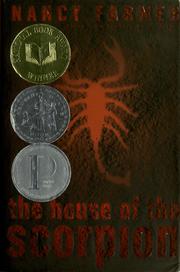
The House of the Scorpion
A clone raised in a drug lord's poppy fields learns what he was made for and chooses what to do with the life he was given.
2,527-word summary · 11 min read

The Age of Miracles
A California girl grows up while the Earth's rotation slows, and ordinary adolescence continues alongside slow catastrophe.
2,417-word summary · 11 min read
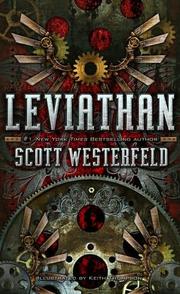
Leviathan
In an alternate 1914, a prince on the run and a girl disguised as a soldier meet aboard a living airship.
2,406-word summary · 11 min read
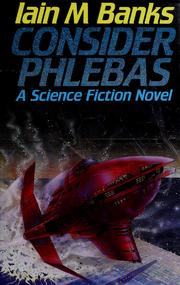
Consider Phlebas
The first Culture novel follows a spy for the opposing side, a man hired to hunt a fugitive through a war between an anarchist post-scarcity utopia and a…
2,350-word summary · 10 min read

Starsight
Spensa Nightshade goes undercover aboard the Superiority space station Starsight to steal a hyperdrive, and finds a frightened bureaucracy where she expected…
2,568-word summary · 11 min read
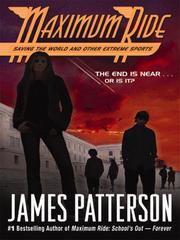
Saving the World and Other Extreme Sports
Max and the flock split in two to take down the lab behind their lives, one half in California and the other in Europe.
2,175-word summary · 10 min read
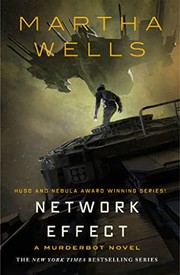
Network Effect
Murderbot's contract job turns into a rescue mission when a hijacked research ship and a colony of corrupted colonists appear.
2,256-word summary · 10 min read
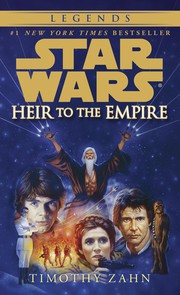
Heir to the Empire
Grand Admiral Thrawn returns from the Unknown Regions and outmaneuvers the New Republic while Luke, Leia, Han and smuggler Talon Karrde race him toward…
2,323-word summary · 10 min read
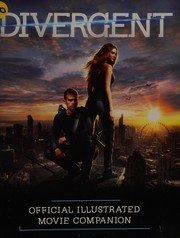
Divergent: Official Illustrated Movie Companion
An oversize behind-the-scenes guide to the 2014 Divergent film, with casting stories, costume and set design, and scores of photos.
2,524-word summary · 11 min read
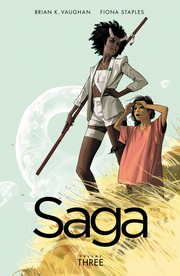
Saga, Volume 3
Marko, Alana, and Hazel hide on the planet Quietus with the reclusive author who inspired their romance, while assassins and a prince close in.
1,989-word summary · 9 min read

Reveal Me
A Shatter Me novella told by Kenji, set between Defy Me and Imagine Me, as the rebels learn Anderson has taken hostages and Juliette faces Emmaline.
2,098-word summary · 9 min read

Out of the Silent Planet
A Cambridge philologist is kidnapped and taken to Mars, where the natives are civilized and the humans are the dangerous invaders.
2,612-word summary · 12 min read
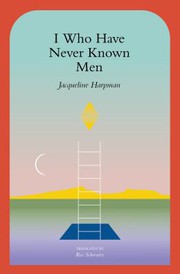
I Who Have Never Known Men
Forty women in a cage, one child who remembers nothing, and a nearly empty world above the bunker. Harpman's quiet, unexplained dystopia.
2,025-word summary · 9 min read

Wither
In a future where women die at twenty, sixteen-year-old Rhine is sold as a bride to a wealthy stranger and plots an escape from a beautiful prison.
2,395-word summary · 11 min read