
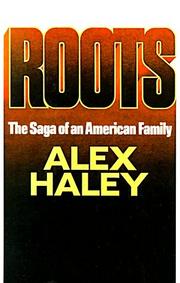
Roots: The Saga of an American Family
2,082-word summary 9 min read 688 pages in the book
- First published
- 1976
- Publisher
- Doubleday
- Pages
- 688
- ISBN
- 9780385037877
Reading options
What's inside (12 sections)
I finally read Roots because it kept appearing on American landmark lists I trusted. Alex Haley published it in 1976 with Doubleday. My reading follows the 688 page hardcover. From Kunta Kinte's Gambian village through slavery, war, and freedom to Haley himself, one family carries American history. It won a Pulitzer special citation, anchored a miniseries 130 million watched, and remains essential and argued over.
Kunta Kinte grows up in Juffure, Mandinka village on the Gambia River, learning manhood rites, drum talk, and his family's pride. At seventeen, seeking wood for a drum, he is seized by slavers, marched to the sea, and shipped through the Middle Passage to Annapolis. Haley renders the crossing with unflinching detail. Chains. Filth. Resistance punished. Those chapters set the book's method. Intimate suffering inside vast crime. One boy's terror stands for millions the manifest never named.
Annapolis to Alamance
Sold to Virginia planter Waller, Kunta refuses erasure with stubborn dignity that defines his arc. He rejects the name Toby. He attempts escape repeatedly. Each recapture costs more, culminating in Hamstringing that ends running but not resistance. He marries Bell, fellow enslaved cook with steady sense, and fathers Kizzy. That family, built inside bondage, gives the book its first hard won warmth. Lessons in Mandinka words. Stories of Africa by firelight. Kunta teaches Kizzy what masters can not confiscate. Memory itself as contraband.
Kizzy's sale to Tom Lea in North Carolina after she aids a lover's escape splits the family and starts the book's second movement. Lea, poor white farmer with cruelty sharpened by insecurity, fathers her son Chicken George through assault the book states plainly without lingering. Kizzy raises George on Kunta's stories at second hand, keeping Africa alive through grandmother memory. Those transmission chapters show culture surviving telephone across generations. Details blur. Core holds. Granddaddy was African. Say it.
Chicken George, cockfighter with charm and luck, carries the middle with flamboyant energy. His bouts fund fragile hopes. His marriage to Matilda builds the next link. Their son Tom, blacksmith with massive strength and pride, anchors Reconstruction era chapters where freedom arrives legally and fails practically. Night riders. Sharecropping traps. Votes threatened. Haley tracks each generation's partial liberation with steady anger. Slavery ends. Struggle continues in new clothes. That through line gives the book its 200 year scope without losing faces. Follow the forge. It rings.
Kizzy's bridge generation
Kizzy deserves extended honor as the book's great transmitter, the generation that remembers Africa secondhand and teaches it thirdhand. Sold south for helping a lover escape, she endures Tom Lea's household with dignity that refuses performance for pity. Her affair, brief and punished, costs her everything except the son it produces. Raising Chicken George on stories of a grandfather she barely knew, she performs culture as daily bread. Tell it at fire. Repeat names. Correct pronunciation. Those lessons seem small beside auctions and whippings. They are the whole resistance. What masters can not hear, they can not take. Kizzy knows and teaches low.
Her later years, watching grandchildren multiply while freedom stays theoretical, carry the book's patient sorrow. She ages into family griot whose memories blur at edges but hold at core. Granddaddy African. Mama Bell's cooking. Papa's drum words. Young ones roll eyes at repetition, then repeat themselves to their own children. That transmission comedy rings true across cultures. Elders repeat. Youth dismiss. Then youth repeats to youth. Haley structures the entire novel as that process scaled to centuries. Listen to old women. They carry maps drawn before your roads existed.
Chicken George's flamboyant survival
Chicken George deserves extended portrait as the book's most vivid creation and its riskiest tone shift. Cockfighter with showman's grin, he navigates slavery's late decades through charm, wagers, and calculated deference that reads as collaboration to prouder eyes. His bouts fund family hopes while costing dignity in installments. Haley loves him without excusing the compromises. Surviving inside evil requires deals that look dirty from outside. George makes them with eyes open and pays in self respect he never fully recovers. Those moral gray zones complicate heroic narratives usefully. Not all resistance looks like running. Some looks like winning rigged games to buy kin time.
His marriage to Matilda grounds flash in domestic reality that steadies the middle. She manages his winnings, buries his losses, and raises children with discipline he admires but can not model. Their partnership shows Black love persisting through markets designed to price it out. Masters own bodies. They can not own breakfast tables where couples plan. Those kitchen scenes, small and warm, carry the book's thesis about family as fortress. Walls belong to owners. Tables belong to eaters. Hold the table.
Tom the blacksmith's Reconstruction
Tom, son of Chicken George, deserves extended attention as the book's Reconstruction anchor and moral forge. Massive blacksmith with pride to match his hammer, he navigates freedom's partial arrival with skill that white neighbors need and resent. His marriage, children, and craft build free Black life from anvil up. Night riders test that building with torches. Sharecropping contracts test with fine print. Tom meets both with documented skill and documented patience. His ledger of work done and pay withheld could fill its own volume. Haley condenses into chapters that ring like hammer blows. Strike steady. Build anyway.
His daughter Cynthia carries the line into education era with significance the book treats quietly but firmly. Learning to read when law once forbade, teaching others in turn, she embodies freedom's second generation turning survival into schooling. Her marriage to Simon Haley's father figure lineage sets up the author's own arrival without fanfare. No trumpets for respectability. Just couples choosing learning amid sharecropper shacks. Those choices compound across decades into college doors opening. The book honors slow accumulation over heroic breakthroughs. Literacy as resistance practiced nightly. Read by lamplight. Teach at dawn.
Bell's steady center
Bell, Kunta's wife and Kizzy's mother, deserves emphasis as the book's quiet foundation stone often overshadowed by male odysseys. Cook with deep sense, she manages master's kitchen and family's spirit with equal competence. Her pragmatism balances Kunta's pride usefully. Bend enough to survive. Hold enough to remember. Those counsels keep family alive where pure defiance would die nobly and uselessly. Readers sometimes mistake her caution for submission. Look closer. She chooses battles with strategist's eye, preserving strength for moments that matter. Dinner served. Stories told. Children hidden when needed. Resistance wears aprons too.
Her relationship with Kunta models partnership under bondage that later generations echo knowingly or not. They argue about escape odds. Grieve differently. Love through work shared rather than vows celebrated. No wedding feast marks their union, only daily continuation. That unrecorded marriage outlasts many documented ones in sincerity. Haley honors it without romanticizing hardship into nobility. Bondage constrains choices brutally. Love persists inside constraints anyway. Both truths share pages without canceling. Hold them together as the book does. Complicated. True.
Tom the blacksmith's Reconstruction
Tom, son of Chicken George, deserves extended attention as the book's Reconstruction anchor and moral forge. Massive blacksmith with pride to match his hammer, he navigates freedom's partial arrival with skill that white neighbors need and resent. His marriage, children, and craft build free Black life from anvil up. Night riders test that building with torches. Sharecropping contracts test with fine print. Tom meets both with documented skill and documented patience. His ledger of work done and pay withheld could fill its own volume. Haley condenses into chapters that ring like hammer blows. Strike steady. Build anyway.
His daughter Cynthia carries the line into education era with significance the book treats quietly but firmly. Learning to read when law once forbade, teaching others in turn, she embodies freedom's second generation turning survival into schooling. Her marriage sets up the author's own arrival without fanfare. No trumpets for respectability. Just couples choosing learning amid sharecropper shacks. Those choices compound across decades into college doors opening. The book honors slow accumulation over heroic breakthroughs. Literacy as resistance practiced nightly. Read by lamplight. Teach at dawn.
Bell's steady center
Bell, Kunta's wife and Kizzy's mother, deserves emphasis as the book's quiet foundation stone often overshadowed by male odysseys. Cook with deep sense, she manages master's kitchen and family's spirit with equal competence. Her pragmatism balances Kunta's pride usefully. Bend enough to survive. Hold enough to remember. Those counsels keep family alive where pure defiance would die nobly and uselessly. Readers sometimes mistake her caution for submission. Look closer. She chooses battles with strategist's eye, preserving strength for moments that matter. Dinner served. Stories told. Children hidden when needed. Resistance wears aprons too.
Her relationship with Kunta models partnership under bondage that later generations echo knowingly or not. They argue about escape odds. Grieve differently. Love through work shared rather than vows celebrated. No wedding feast marks their union, only daily continuation. That unrecorded marriage outlasts many documented ones in sincerity. Haley honors it without romanticizing hardship into nobility. Bondage constrains choices brutally. Love persists inside constraints anyway. Both truths share pages without canceling. Hold them together as the book does. Complicated. True.
To Haley himself
The final movement brings Tom's daughter Cynthia, then her son Simon Haley's wife Bertha, then their son Alex, the author as character and researcher. Those closing chapters shift from novel to reported quest. Haley interviewing griots in Gambia. Archives in courthouses. The word Kamby Bolongo. Critics have contested his genealogical claims since publication, with plagiarism suits and historians' doubts shadowing triumphs. The book invites that argument by presenting itself as family truth researched hard rather than pure invention. Read it as saga anchored in fact, not footnote perfect history. Power first. Pedigree second.
What the structure achieves is American history told from inside Black family continuity instead of white milestones. Wars arrive as conscription notices and returning sons. Emancipation as rumor then paper then slow practice. The Great Depression as shared hunger across color lines that never quite shares. That perspective was revolutionary in 1976 mainstream publishing and remains the book's great gift. Students raised on presidents learn seasons through Kinte harvests instead. Different calendar. Truer weather.
The miniseries shadow falls across every page for modern readers who saw it first or absorbed its images. Kunta's whipping. Kizzy's sale. Chicken George's grin. Television fixed faces to names Haley left open. That fixing helps and harms. Helps by giving grief specific eyes. Harms by narrowing imagination the book deliberately leaves wide. Try to unsee where you can. Let prose recast. The book earns its own images across 688 pages. Give them room.
What endures and what aches
What endures is scope with intimacy, testimony with novelist's pacing, and a family's refusal to vanish from records designed to erase. Haley's plainspoken prose carries horror without purple and joy without apology. Birth scenes balance auction scenes. Weddings offset whippings. That rhythm keeps 688 pages moving despite weight. The Pulitzer citation and bestseller weeks followed naturally. So did the national conversation about genealogy that filled archives with new researchers. Books rarely change hobbies. This one did.
What aches is length and unevenness across two centuries. Some generations get novels. Others get chapters. Female interiority, strong with Bell and Kizzy, thins where records thinned. Violence repeats in patterns that numb by design but still numb. Modern readers will also bring knowledge of the plagiarism settlement and genealogical challenges that postdate triumph. Those facts complicate without erasing. Read with them in mind rather than as verdict. Saga first. Scholarship alongside.
Length suits the seven generations it carries. No serious bloat, though middle cockfighting chapters run long for non fans of the sport. Skim those without guilt. The family thread never drops. Follow names forward. They lead home eventually to a writer listening to old relatives on porches. That listening is the book's origin and moral. Hear elders. Write it down.
Who should trace
Give Roots to readers of American epics who want Black family center, to history students ready for novel length commitment, to genealogy curious of any background. It suits slow months with evenings for generations. Do not give it to readers needing fast plots or footnote certainty. Pair it with the 1977 miniseries for faces, then with histories of the slave trade for frame.
At 688 pages I read it across three weeks, marking Kunta pages. Kinte starts drumming free in Juffure and ends, through children's children, as name spoken in Tennessee kitchens. That survival, lineage as resistance, is why the book stands past controversies. Chains broke bodies. Stories carried. Listen.
FAQ
When was Roots published?
Doubleday published it in 1976. The hardcover runs 688 pages and the ISBN is 9780385037877.
Did it win the Pulitzer Prize?
Yes, a Pulitzer special citation, plus the 1977 miniseries 130 million Americans watched.
Whose generations does it follow?
Kunta Kinte, Bell, Kizzy, Chicken George, Tom, Cynthia, and finally Haley as researcher.
Similar books
Uncle Tom's Cabin
Enslaved Tom, Eliza, and George face sale and escape under Southern law.
2,105-word summary · 9 min read
Kindred
Dana pulled from 1976 to slave Maryland must save Rufus who owns her kin.
2,244-word summary · 10 min read
The Kitchen House
Irish orphan Lavinia is raised by enslaved cooks in the kitchen house, then torn between that family and the big house.
3,382-word summary · 15 min read
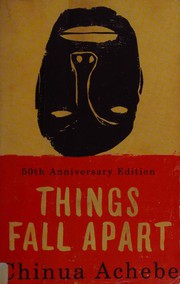
Things Fall Apart
Proud Igbo wrestler Okonkwo rises in 1890s Umuofia, then loses standing through hard exile, a son's conversion, and British missionaries and courts remaking…
2,518-word summary · 11 min read
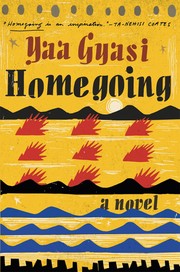
Homegoing
Half sisters Effia and Esi lines span Ghana to America across centuries.
2,552-word summary · 11 min read
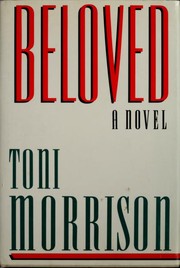
Beloved
Sethe lives with the memory of killing her child to save her from slavery until a young woman named Beloved arrives.
2,586-word summary · 11 min read

Violeta
A woman born in 1920 writes her life story to her grandson, from one pandemic to another, through wealth, ruin, passion, and dictatorship in South America.
2,555-word summary · 11 min read
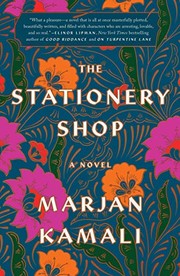
The Stationery Shop
Two teenagers fall in love in a Tehran stationery shop in 1953, are separated by the coup and a family deception, and meet again sixty years later.
2,024-word summary · 9 min read

The Long Winter
Dakota Territory, 1880: seven months of blizzards cut a town off from the railroad, and a family survives on twisted hay, ground wheat, and a dangerous wheat…
2,210-word summary · 10 min read

The Shadow Sister
Star D'Apliese steps out of her sister's shadow and follows a bookshop clue into the Edwardian life of Flora MacNichol, a woman who gave up love for duty.
2,260-word summary · 10 min read

Little Town on the Prairie
In the spring after the Long Winter, fifteen-year-old Laura sews shirts, studies for a teaching certificate, and helps send her blind sister Mary to college.
2,071-word summary · 9 min read
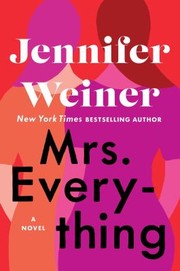
Mrs. Everything
Two Jewish sisters in Detroit grow up, apart and together, across seven decades of American life, from the 1950s to the 2016 election.
2,362-word summary · 10 min read
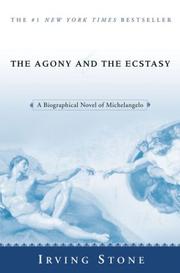
The Agony and the Ecstasy
Irving Stone turns Michelangelo's seventy years of carving, painting, and arguing with popes into a novel about the cost of making something that outlives you.
2,260-word summary · 10 min read

Sophie's Choice
A young Southern writer in 1947 Brooklyn befriends a brilliant, unstable couple and slowly learns the story of the Polish Catholic woman at the center of their…
2,798-word summary · 12 min read
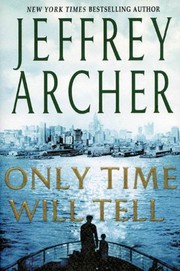
Only Time Will Tell
A Bristol dockworker's son wins a scholarship, falls in love with the daughter of the family that owns the shipyard, and learns that his father's death was not…
2,082-word summary · 9 min read
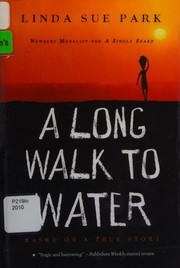
A Long Walk to Water
Two eleven-year-olds in southern Sudan, twenty-three years apart: a Dinka boy fleeing war and a Nuer girl walking hours for water, until their stories meet at…
2,217-word summary · 10 min read
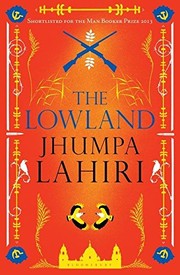
The Lowland
Two brothers grow up beside a marshy lowland in Calcutta, and the choices of the younger one draw the older into a life of duty, distance, and quiet grief that…
2,213-word summary · 10 min read
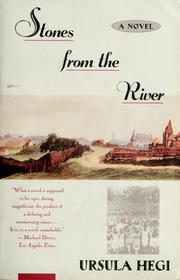
Stones from the River
Trudi Montag is born a dwarf in a small German river town in 1915 and grows up to keep the town's library and its secrets, from the First World War to the…
2,818-word summary · 13 min read

Ivanhoe
A disinherited Saxon knight, a great tournament, a besieged castle and a trial by combat. Scott's most famous novel, set in England in 1194.
2,834-word summary · 13 min read

Wide Sargasso Sea
Jean Rhys gives the first Mrs. Rochester a Caribbean childhood, a marriage built on money and suspicion, and a voice that Charlotte Bronte left in the attic.
2,021-word summary · 9 min read
The Last of the Mohicans
During the French and Indian War, Hawkeye and two Mohican warriors try to save two British sisters from a Huron chief whose revenge will end the Mohican line.
2,017-word summary · 9 min read
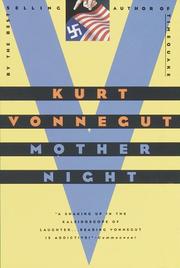
Mother Night
Howard W. Campbell Jr., a Nazi propagandist and American spy, tells the story of his double life from an Israeli prison cell while waiting to be tried for war…
1,988-word summary · 9 min read

Doctor Zhivago
A doctor and poet lives through revolution, war, and love in Pasternak's novel of private life under the pressure of Russian history.
2,213-word summary · 10 min read
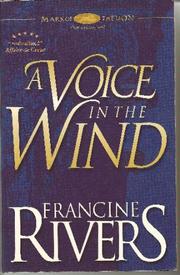
A Voice in the Wind
A young Christian slave in Rome serves a spoiled patrician daughter and catches the eye of her brother, while a captured German gladiator fights for freedom.
2,322-word summary · 10 min read
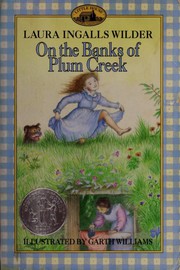
On the Banks of Plum Creek
The Ingalls family trades their horses for a dugout on Plum Creek and bets a single wheat harvest on a house above ground, in Wilder's fourth Little House book.
2,090-word summary · 9 min read

A Long Petal of the Sea
A pregnant widow and her brother-in-law marry for passage on a ship of Spanish exiles bound for Chile, then spend decades building and losing homes together.
2,016-word summary · 9 min read
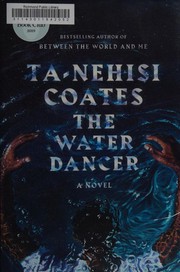
The Water Dancer
An enslaved man with a strange power for travel fights to free himself and rescue those he loves.
2,910-word summary · 13 min read
The Red Badge of Courage
Henry Fleming runs at Chancellorsville, then returns to stand.
2,486-word summary · 11 min read
Edge of Eternity
Five families cross civil rights, Cold War and Berlin Wall to the eighties.
2,489-word summary · 11 min read

Bleak House
Jarndyce and Jarndyce grinds through Chancery while Esther finds her family.
2,480-word summary · 11 min read