
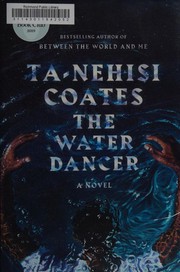
The Water Dancer
2,910-word summary 13 min read 416 pages in the book
- First published
- 2019
- Publisher
- One World
- Pages
- 416
- ISBN
- 9780399590597
Reading options
What's inside (9 sections)
I came to The Water Dancer knowing Coates from his nonfiction and wondering how he would handle a novel, and the result surprised me with how story driven it is. It was first published in 2019 by One World at 416 pages in hardcover, his debut novel. It is set in Virginia before the Civil War, among enslaved people on a tobacco plantation called Lockless. Hiram Walker is the narrator, a young enslaved man with a perfect memory for almost everything except his mother, who was sold away when he was small. He also carries a strange power called Conduction, tied to memory and water, that can move people across great distance. I found it moving, sometimes slow, often beautiful in a plain spoken way.
Hiram grows up in the big house area but never inside it. His father is the white owner, Howell Walker, who acknowledges Hiram enough to give him small tasks but never freedom or a name that protects him. His mother Rose is gone, sold, remembered only in flashes Hiram cannot hold. His half brother Maynard is white, spoiled, raised to inherit, and Hiram is made to serve him, to help him dress, to keep him out of trouble. That closeness without equality is one of the saddest threads. They play together as boys, then the line hardens as they grow.
Lockless itself feels like a dying place. The soil is tired from tobacco, the money is thin, the Walkers keep up appearances while selling people to stay afloat. Coates writes the work clearly. Fields, kitchens, stables, the cold in winter, the way shoes wear out. Enslaved people have names, jokes, songs, warnings. Sophia, a young enslaved woman Hiram loves, is fierce and clear about wanting out. Thena, who raised him after Rose, is sharp tongued and grieving. Kessiah and others form a loose family that shares food and news. The white Walkers are not cartoon villains every minute, which makes it worse. They are polite at table while signing papers that separate mothers and children.
Hiram's memory is almost perfect. He remembers numbers, faces, tasks, stories told once. But his mother is a blank he circles. He knows she sang, he knows she was taken across a bridge, he knows he was in the wagon when it went into the water, but he cannot keep her face. That gap hurts him more than any beating. He feels his gift is broken. Later this gap will explain a lot about how Conduction works, because the power needs true memory, not just facts.
The river and the first crossing
Early on, Hiram and Maynard cross a river in a carriage and the vehicle goes into the water. Hiram should die. Instead he has a vision of his mother dancing, blue light, water holding him, and he survives while Maynard drowns. Howell does not thank him. Howell is angry, grieving his white son, and more convinced Hiram is strange. Hiram is shaken. He does not understand what saved him. He only knows water and memory got mixed up in his head.
After this, Hiram is given work in the big house, carrying papers, learning to read a little more, seeing how sales are arranged. He sees Sophia again and their bond deepens. They talk about running. She is not interested in waiting for kindness from masters. She has seen too many sales. Hiram wants to run with her, but he hesitates. He feels tied to Lockless by his missing mother, by Thena, by a hope that Howell might free him in a will. That hope is a chain. Coates is clear about how such small hopes keep people still.
The sale comes anyway. Howell sells Sophia away to pay debts. Hiram begs, offers himself, tries to bargain. It does no good. Watching her taken is the break. He decides to run, not just for love but because staying means accepting that anyone can be sold at any time. His first attempt fails. He is caught, beaten, and returned. The failure teaches him the land, the patrols, the dogs, the way fear makes you stupid if you do not plan.
I found these chapters hard but necessary. Coates does not rush past the economics. Who owes whom, what a person fetches, how hiring out works, how gifts and favors from masters are really loans. It slows the pace, and some readers will feel it drag. For me it built dread. You know Sophia is gone south, you know Hiram cannot follow alone, you know the only road out is the hidden one people whisper about.
The Underground and Philadelphia
Hiram eventually gets out through help and luck, and reaches Philadelphia where free Black people and white allies run parts of the Underground. Here the book opens up. He meets Box Brown, a man who famously mailed himself to freedom, and other real figures woven in lightly. He meets agents who use code, safe houses, river routes, and careful timing. He learns the word Conduction for what he did in the river. It is not magic that solves everything. It is a discipline tied to story.
His teacher is a woman named Harriet, clearly drawn from Harriet Tubman, though Coates gives her her own weight in this world. She tells him Conduction needs memory, true and painful memory, held steadily while water is near. You cannot just wish. You have to carry the people you love in your mind so fully that distance folds. Hiram is good at facts but bad at feeling his mother, so his power is wild. Sometimes it works, sometimes it throws him. Training means facing what he has avoided.
Philadelphia is not freedom as a soft place. Hiram works, first as a helper, then as an agent who goes back south to guide others out. He lives with free Black families, sees debates about how to fight slavery, hears anger at those who counsel patience. He falls into work he is good at because he remembers layouts, names, patrol times. But he is haunted. Sophia is still enslaved somewhere south. Thena is still at Lockless. His mother is still a blank.
Coates writes the city with care. Print shops, churches, boarding houses, docks. Water is everywhere, rivers, rain barrels, washhouses, and Hiram starts to notice how water connects places in his mind. A song about water, a story about crossing, a memory of being held up as a boy. These small repetitions build toward his later crossings. I liked how physical it felt. Not waving hands, but breathing, remembering, holding an image while your feet are wet.
There is also a darker force. A man named Corrine Quinn runs a kind of high society abolition group with money and manners, and her brother Lamb works a different angle. More frightening is Howell Walker’s world of Quality, the idea that white enslavers have their own power fed by theft of Black bodies and memory. It is less a villain with a wand and more a system that eats. The book keeps this vague on purpose. Some readers will want clearer rules. I read it as Coates saying slavery itself was the dark power, and Conduction is memory fighting back.
Learning to remember Rose
The heart of the novel for me is Hiram learning to remember his mother. He starts with objects. A shell, a song fragment, Thena’s stories, a quilt piece. He interviews older people who knew Rose. He learns she was strong, funny, a dancer in the way she moved through work, someone who tried to keep him close before she was sold. He learns she tried to take him with her and failed. That failure was not lack of love. It was force.
Thena is key here. She raised Hiram but kept distance because loving a child you may lose is hard. Her grief is blunt. She scolds him, feeds him, tells him hard truths about Howell. When Hiram returns later, their talks are some of the best pages. No big speeches, just two people who missed years and try to say what matters. I cared about them more than any battle.
Sophia returns as well, not as a symbol but as a person who survived sale and made a life where she landed. She married, had ties, suffered, kept going. Hiram wants to rescue her in the way he imagined, but she is not waiting frozen in time. Their reunion is tender and awkward. Love is still there, but life moved. Coates handles this with respect. He does not make Sophia a prize. She chooses, she speaks, she sets terms. Hiram has to listen.
The final crossings use all of this. Hiram guides groups through water and woods, holding stories in his head to carry them. He goes back to Lockless, faces Howell as an old, broken man who still believes he owned people fairly, and frees those he can. He cannot save everyone. He cannot undo sale and death. But he can carry memory forward. The last pages look toward war coming, toward more work, not a neat end where slavery falls because one man learned a trick.
What stays and what sags
What stays is language and feeling. Coates writes sentences that are clear and heavy at once. Descriptions of work, of water, of holding a name in your mouth. The idea that memory is not nostalgia but a tool for freedom felt true. I thought about my own family stories, what I remember exactly and what I have lost, and how losing changes what I can do. That is a lot for a fantasy idea to carry, and it carried it.
Hiram as narrator is steady, sometimes too steady. He explains a lot. He looks back from later and tells you what things meant. That gives wisdom but loses some immediacy. A few times I wanted less reflection and more scene. The Philadelphia middle is also crowded with names and groups. Corrine, Lamb, Howell, Sophia, Thena, Harriet, Box, agents, employers. I had to flip back to keep ties straight. If you like fast plots, the middle may feel slow. The book is 416 pages and reads longer because it asks you to sit with grief.
The fantasy rules stay soft. How far can Conduction go. Why water always. What blocks it. Coates answers partly, leaves partly open. I was fine with that because the book is about slavery, not a magic system, but readers who want hard rules may feel frustrated. The Quality idea, the white power that feeds on theft, is more theme than system. It works as moral weight, less as plot device.
I also want to note care with violence. There are beatings, sales, threats, a drowning, chases. It is not gory for shock, but it is constant in the background, as it was. Parents of younger teens should know this is adult in theme though Hiram is young. There is love and some intimacy, written gently, not explicit.
Who should read it
Read it if you like historical fiction with a touch of the strange, like Colson Whitehead’s The Underground Railroad or Octavia Butler’s Kindred but in a different key. Read it if you like books about memory, family, and how stories save people. Read it if you want to see Coates try fiction and mostly succeed.
Skip it for now if you need a fast thriller or a clear magic system. This is slower, sadder, more reflective. It asks patience in the Lockless chapters and attention in the Philadelphia chapters.
I closed it thinking about dancing. Rose dancing, water dancing, people moving through danger with a song in their heads. Hiram starts with a blank where his mother should be and ends with a story he can carry and use. That arc felt earned. Freedom here is not one crossing. It is many, made possible because someone remembered hard enough to lead others through. That image stayed with me longer than any single escape, and it is why I will keep the book on my shelf even though I wished the middle were tighter.
Work, money, and the slow death of Lockless
I want to say more about Lockless as a business, because Coates spends time on ledgers and I came to see why. Tobacco wore the land thin. Howell Walker kept up a big house with fewer hands and more debt. He sold people to cover notes, hired out others, took loans against crops that failed. White neighbors watched and waited to buy cheap. Enslaved people understood the math before Howell admitted it. When a master starts selling cooks and smiths, not just field hands, everyone knows the end is near. That economic dread sits under love scenes and chases. No one is safe because the books do not balance.
Hiram sees this from inside the office where he carries papers. He learns to read bills of sale, to note who is listed as sound or unsound, young or old. He sees Sophia's name written in ink that will dry and decide her life. That office work, meant to lift him a little, teaches him how cold the system is. Ink, seals, signatures. No shouting, just writing that moves bodies south. It reminded me how much harm is done quietly at desks. Coates makes paperwork scary, which is hard to do and worth noting.
Thena explains it best in plain talk. Masters will sell your child and ask you to serve dinner after. They will pray on Sunday and sign on Monday. Do not wait for conscience to save you. Save each other. Her bluntness cuts through Hiram's hope that Howell might free him in a will or favor him as a son. Howell loves Hiram in the way men love dogs they also chain. He feeds, he names, he does not free. Thena tells Hiram to stop counting on scraps. That advice hurts because it kills a boy's last hope about his father. It also frees him to run.
Philadelphia work shows the other economy, of freedom. Dues collected in churches, tickets bought, clothes sewn for those arriving with nothing, lawyers paid to fight kidnappers who seize free Black people to sell south. Hiram learns freedom costs money and constant watch. Even in the North, catchers come, laws favor owners, jobs pay little. Free families take in strangers knowing it risks all. That generosity, taxed and tired, moved me more than any single escape. People with little share with people with less, because memory of chains is fresh.
What I argued with in my head
I argued with the book in good ways after finishing, which I take as praise. Is Conduction too soft to carry plot. Does Howell get off too easy as a pitiful old man rather than facing justice. Does Sophia get enough pages after reunion. I landed in different places on different days. Conduction felt right as metaphor, less right when Hiram needed to travel far with many people and the book waved through limits. I wanted one more rule stated plainly, even if characters did not fully understand it. Mystery is fine. Vagueness when lives depend can frustrate.
Howell bothered me most. He causes immense harm, sells Sophia, beats and threatens, clings to pride while his house rots. At the end he is old, confused, alone, and Hiram leaves him rather than kills him. Part of me wanted reckoning. Another part saw that leaving him to rot in a dead house with his papers, while those he owned walk free, is reckoning of a kind. Coates refuses revenge fantasy. He gives survival and memory instead. I respect the choice even when my gut wanted more fire.
Sophia deserved more, though what she gets is dignified. She survived sale, built ties, loves Hiram but will not be his reward. Their talks are honest about changed bodies and loyalties. She tells him what she endured without detailing for tears. She sets terms for help. I admired her and still wanted another chapter from her view. The book stays with Hiram's eyes, which limits her. That limit is fair to his story, but she is strong enough to carry pages that are not given. Maybe that is intentional, to show how slavery stole even narrative space. Still, I felt the lack.
I also thought about language. Coates writes in a high, careful style with older words and long sentences. Tasked, conduction, quality, low. At first it slowed me. After a hundred pages it sang. I read passages aloud to hear rhythm. Descriptions of water especially. Rain on barrels, river over stones, wash water steaming. If you like plain thriller prose, this will feel heavy. Give it fifty pages. The style is part of the point. Enslaved people kept language rich under theft. The book honors that by refusing thin words for big things.
For readers new to Coates, start here rather than his essays if story is your door. Then read Between the World and Me to hear the same concerns in nonfiction. Both ask what bodies mean in America, what is stolen, what is remembered. The novel lets feeling lead. The essay lets argument lead. Together they show a mind working the same wound two ways. I finished both in the same month and felt shaken in the way good art shakes, not with answers but with clearer questions about debt and repair.
FAQ
When was The Water Dancer published?
It was first published in 2019 by One World, an imprint of Random House, with the hardcover at 416 pages. It was the author's debut novel.
What is Conduction in the book?
Hiram Walker is enslaved in Virginia and discovers Conduction, a power tied to memory and water that can carry people to freedom.
Similar books
Once Upon a River
A wounded man stumbles into a riverside inn carrying what appears to be a drowned child who is not quite dead, and the story braids the guesses of everyone who…
2,173-word summary · 10 min read
Narrative of the Life of Frederick Douglass
Douglass names names from Maryland slavery to his 1838 escape, showing how literacy, wages, and faith were policed, then answers with defiance.
2,630-word summary · 12 min read
Between the World and Me
Coates writes to his son about the Black body in America, from Howard to the loss of Prince Jones.
2,234-word summary · 10 min read

Take My Hand
In 1973 Montgomery, a young nurse discovers that two sisters were sterilized without consent, and spends the rest of her life living with what she could not…
2,126-word summary · 9 min read
The Power of One
A boy in apartheid South Africa decides to become welterweight champion of the world, and the novel follows every mentor, fight, and loss that gets him there.
2,145-word summary · 10 min read
The Once and Future Witches
Three estranged sisters bring witchcraft back to an 1893 city where magic hides in nursery rhymes and the fight for the vote is also a fight for power.
2,132-word summary · 9 min read
James
Percival Everett retells Huckleberry Finn from Jim's side, giving him a library, a hidden school, and a voice the novel lets loose.
2,211-word summary · 10 min read

Wide Sargasso Sea
Jean Rhys gives the first Mrs. Rochester a Caribbean childhood, a marriage built on money and suspicion, and a voice that Charlotte Bronte left in the attic.
2,021-word summary · 9 min read
A Voice in the Wind
A young Christian slave in Rome serves a spoiled patrician daughter and catches the eye of her brother, while a captured German gladiator fights for freedom.
2,322-word summary · 10 min read

The House of Eve
Two Black women in 1950s Philadelphia and Washington, one a pregnant teenager and one a doctor's wife who cannot carry a child, are pulled together by a…
2,270-word summary · 10 min read
Exodus
Leon Uris's sweeping 1958 novel follows Jewish refugees, Haganah fighters, and Holocaust survivors from Cyprus to the founding of Israel and the 1948 war.
2,529-word summary · 11 min read
The Keeper of Happy Endings
Barbara Davis's 2021 standalone braids a Paris dressmaker's wartime losses with a grieving Boston artist who unlocks her family's secrets through an old row…
2,437-word summary · 11 min read
Captive Prince
Betrayed by his half-brother and sold to the enemy kingdom as a pleasure slave, Prince Damianos must survive in the court of Vere without revealing who he…
2,063-word summary · 9 min read
The Warmth of Other Suns
Three migrants ride north out of Jim Crow toward Chicago and LA.
2,561-word summary · 11 min read
The New Jim Crow: Mass Incarceration in the Age of Colorblindness
How mass incarceration became a racial caste system after civil rights.
2,413-word summary · 11 min read
The History of the Hobbit, Part One: Mr. Baggins
Rateliff traces every draft of Bilbo from 1930 notes to print.
2,410-word summary · 11 min read
The Buried Giant
An old couple crosses a misty post Arthur Britain searching for a son.
2,593-word summary · 12 min read
The Book of Lost Friends
Three women trace Lost Friends ads from 1875 to find stolen sons.
2,368-word summary · 11 min read

Rebel Angels
Gemma returns to the realms to bind magic while facing Circe and London season.
2,708-word summary · 12 min read
Hidden Figures
Black women computers at Langley launch rockets past Jim Crow.
2,385-word summary · 11 min read
Grave Mercy
Convent assassin Ismae spares Gavriel and hunts traitors in Brittany.
2,357-word summary · 10 min read
Edge of Eternity
Five families cross civil rights, Cold War and Berlin Wall to the eighties.
2,489-word summary · 11 min read
Chain of Gold
Cordelia and James hunt demons in Edwardian London while hearts tangle.
2,364-word summary · 11 min read
Song of Solomon
Milkman Dead leaves Michigan to hunt for family gold and finds instead the old song of his ancestor Solomon.
2,465-word summary · 11 min read

How to Be an Antiracist
Kendi blends memoir and history to argue that fair policy, not self fixing, creates an equal society.
2,513-word summary · 11 min read
Burial Rites
Condemned for murder in 1829 Iceland, Agnes Magnusdottir spends her final winter on a crowded farm while a young priest listens to her story.
2,976-word summary · 13 min read
Twelve Years a Slave
Free violinist Solomon Northup tells how Brown and Hamilton lured him south into twelve years of Louisiana bondage until Bass letters brought rescue in January…
2,931-word summary · 13 min read
The Rules of Magic
Franny, Jet, and Vincent Owens test strict family rules and a love curse in 1960s Manhattan and Massachusetts in Alice Hoffman's warm prequel about love, loss,…
2,686-word summary · 12 min read

The Island of Missing Trees
A talking fig links 1970s Cyprus lovers Kostas and Defne with their grieving London daughter Ada years later.
3,172-word summary · 14 min read
Fire & Blood
Archmaester Gyldayn chronicles Aegon the Conqueror through the Dance of the Dragons, with Doug Wheatley art across 752 pages.
3,268-word summary · 15 min read