
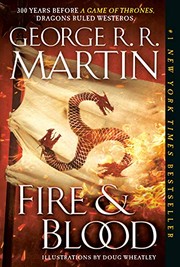
Fire & Blood
3,268-word summary 15 min read 752 pages in the book
- First published
- 2018
- Publisher
- Bantam
- Pages
- 752
- ISBN
- 9781524796303
- Series
- A Targaryen History (#1)
Reading options
What's inside (8 sections)
I picked up Fire & Blood because I wanted more Targaryen history after watching the shows and rereading the main novels, and I was curious how Martin would handle a fake history book. This is volume one of a planned Targaryen history, published 20 Nov 2018 by Bantam, 752 pages, with illustrations by Doug Wheatley. It is written as if by Archmaester Gyldayn of the Citadel, working from scrolls, letters, and rival accounts centuries after the events. That framing shapes everything. You get dates, marriages, betrayals, and dragon deaths in order, with Gyldayn pausing to say which source he trusts and which one he thinks is lying.
The first time I opened it I expected a novel. It is not that. It reads like a chronicle told by a scholar who loves gossip but is stuck writing in a formal style. Once I accepted that, I started to enjoy the rhythm. Kings rise, dragons burn something important, a marriage fixes one problem and starts three more, and then everyone argues about who should rule next.
How Aegon Made Seven Kingdoms Into One
Aegon Targaryen begins the book with three dragons and a small army, and he ends the first section as Aegon the Conqueror, first king of a united Westeros except for Dorne. He came from Dragonstone with his sisters Visenya and Rhaenys, who were also his wives. Their dragons were Balerion the Black Dread, Vhagar, and Meraxes. Those three names matter because the book keeps returning to them. Balerion was huge, old, and strong enough to melt stone. Vhagar was younger but fierce. Meraxes was swift and ridden by Rhaenys.
The Conquest moves fast. Aegon lands at the mouth of the Blackwater, builds a wooden fort that later becomes King's Landing, and sends ravens demanding submission. Some lords bend at once. Others learn what dragonfire does to armor and walls.
Harrenhal is the warning. Harren the Black had built the biggest castle in Westeros, thick walls, tall towers, a seat meant to stand for a thousand years. Aegon did not siege it. He flew Balerion over the walls at night and cooked the towers from above. Harren and his sons died inside their own fortress, baked where they stood. Every lord in Westeros heard that story within weeks. It did more work than a dozen battles.
The Field of Fire did the rest. The combined armies of the Reach and the Rock, tens of thousands of men, met Aegon on open ground. The Targaryens fielded all three dragons at once, the only time in the Conquest that happened. Archers could not reach high enough. Spears meant nothing. Fire swept the dry grass and then the ranks. Thousands burned. King Mern Gardener died with his kin, and House Gardener ended that afternoon. House Lannister bent the knee. House Tyrell, stewards to the Gardeners, were raised up as Lords of the Reach for surrendering Highgarden in time. Martin tells this through Gyldayn with numbers that shift between sources, which feels honest. Nobody counted the dead cleanly.
Dorne refused to play along. That is one of the best parts of the early book. Rhaenys flew Meraxes south and found empty castles and poisoned wells. The Dornish would not meet in the field. They shot at dragons from cover, raided supply lines, and vanished into the sand. Letters from that period quoted by Gyldayn show Aegon growing frustrated. The famous disaster came at Hellholt, where a scorpion bolt through the eye killed Meraxes and brought Rhaenys down. The Dornish say she died in the fall. Other stories say she lived for a time as a prisoner and suffered worse. Gyldayn admits he does not know. What is clear is that Dorne held out through fire, threats, and the deaths of lords on both sides. Aegon finally accepted a peace that left Dorne unbent, with its own prince and its own laws. For a book about dragon power, that failure matters. Dragons could win battles. They could not force a whole people to accept a crown.
Aegon ruled for decades after that. He built the Iron Throne from the swords of his beaten enemies, melted by Balerion and hammered into a chair meant to look uncomfortable on purpose. He made peace with the Faith, toured the new kingdom, fathered sons late in life, and died of old age with his dragons still alive. The Conquest chapters move quickly and they are the easiest to read straight through.
The Weak Son and the Cruel Son
Aegon left two very different sons by his two sister wives. Aenys, son of Rhaenys, was soft spoken, fond of music and mummers, eager to be loved. Maegor, son of Visenya, was big, hard, skilled with sword and lance, and cold in a way that scared even his supporters. The book uses them as a paired lesson in what happens when dragons pass to men who cannot carry them.
Aenys inherited the throne and almost lost it at once. He tried to please everyone. When the Faith Militant rose against Targaryen practices, especially the old Valyrian custom of brother marrying sister, Aenys dithered, offered talks, split his forces, and fled decisions. Rebellions broke out in the Vale, the Iron Islands, the Reach, and the Westerlands at the same time. The poor fellows and warrior sons of the Faith seized castles and killed royal men. Aenys sickened under the strain and died young, possibly of worry as much as illness, leaving young sons and a divided court.
Maegor took the crown with fire and made things worse in a different way. He claimed Balerion after Aegon's death, flew to King's Landing, killed claimants, and ordered mass executions. His cruelty is described in detail and it is hard to read in stretches. He burned the Sept of Remembrance with the Faith Militant inside it. He ordered the builders of the Red Keep killed after they finished the secret passages, so only he would know them. He took multiple wives in search of an heir, accused them of treason or witchcraft when sons were stillborn or died, and had men tortured to confirm plots that may never have existed. Gyldayn lists maimings, beheadings, and punishments with a clerk's calm that makes them stranger.
What surprised me was how long Maegor lasted despite all that. He had Balerion. He had a core of loyal men who feared him more than they hated him. He crushed open revolt more than once. But cruelty piled up debts. Lords who might have forgiven harsh taxes could not forgive murdered kin. The Faith turned fully against him. His own supporters began to slip away to the claim of Aenys's son Jaehaerys, a boy sheltered by loyalists. Maegor died on the Iron Throne itself, wrists slashed by the blades of the chair, though Gyldayn notes the stories differ on whether he was killed by the throne, by an assassin, or by his own hand in despair. The throne cutting him felt like the book winking at the reader. A chair made of swords is a poor place to sulk.
Jaehaerys the Conciliator and Queen Alysanne
The longest and calmest middle of Fire & Blood belongs to Jaehaerys I, called the Conciliator, and his sister wife Queen Alysanne. He took power as a boy after Maegor's death and ruled for fifty five years. If you like court politics, road building, law codes, and succession arguments more than battles, this is your section. If you came only for dragon fights, this is where some readers stall. I found it absorbing in pieces and slow in others.
Jaehaerys did the unglamorous work. He pardoned former enemies where Maegor would have burned them. He made peace with the Faith by offering protection in return for the Faith giving up its swords, a bargain that held for generations. He standardized laws, built roads including the kingsroad, reformed coinage and taxes, and listened to smallfolk complaints on royal progresses. Alysanne is presented as more than a consort. She pushed for women's rights to inherit in certain cases, spoke for the smallfolk, flew her dragon Silverwing across the North, and talked Jaehaerys into compromises he might not have made alone. Their marriage is one of the few warm threads in a cold book. They loved each other, quarreled over policy, lost children, and kept going.
Children and succession fill dozens of pages. Jaehaerys and Alysanne had many children, and Gyldayn tracks each birth, marriage, quarrel, and death. Some of it is touching. A daughter who became a septa. A son who died of a belly wound after a tourney fall. A clever daughter who eloped and broke her mother's heart. Some of it is repetitive, with one council following another to settle who comes next. Two Great Councils stand out. The first, in 101 AC at Harrenhal, was called to settle the succession after the death of the heir. Lords from across Westeros voted, and Viserys was chosen over Rhaenys by a wide margin, a decision that set custom against strict blood order and stored up trouble. The book shows Jaehaerys accepting the vote to keep peace, even though it passed over a woman with a strong claim. That choice echoes through the rest of the volume.
The illustrations by Doug Wheatley help here. Portraits of Jaehaerys in old age, Alysanne with Silverwing, court scenes, and dragons at rest break up the lists of names. Wheatley draws armor and castles with care, and his dragons look like animals rather than monsters from a game. I kept stopping to study the plates. They give faces to people the text sometimes reduces to birth dates.
The sad edge of this long peace is that Jaehaerys outlived almost everyone he loved. He buried sons, daughters, friends, and finally Alysanne herself. By the end he was old, grieving, and less sharp, ruling with a smaller council and leaning on precedent. When he died, the crown passed quietly to his chosen heir Viserys. After Maegor, quiet felt like a miracle.
Viserys I and the Cracks Before the Storm
Viserys I wanted to be another Jaehaerys and lacked the steel for it. He was generous, fond of feasts and hunts, eager to be liked by lords who smiled to his face and sharpened knives behind their backs. His reign starts with dragons at their peak in numbers. The Dragonpit in King's Landing held many beasts, and Targaryens and their kin rode them as a matter of pride. That plenty becomes a problem. Too many riders means too many claims.
Viserys married twice. His first wife Aemma died after repeated childbed losses, leaving only a daughter Rhaenyra alive. Viserys named Rhaenyra his heir and made the lords swear to her. Then he remarried to Alicent Hightower, daughter of his Hand, and had sons, the eldest called Aegon. Court split into factions long before anyone fought. Friends of the princess wore her colors and were called blacks. Friends of the queen were called greens, after the dress Alicent wore to a tourney. Gyldayn traces how small slights hardened. A seating order at a feast. A remark about bastardy. A dragon claimed by one child and envied by another.
The book is good on the slow rot. Viserys kept insisting Rhaenyra would follow him, but he also gave Aegon honors, lands, and a dragon, and he refused to punish men who toasted the prince as future king. He cut out tongues for treason talk one year and laughed off the same talk the next when he was sick and tired. His body failed by inches. Cuts from the Iron Throne festered. Potions dulled pain and judgment. By the time he died, both sides had lists, dragons assigned to riders, and gold set aside for war. Gyldayn quotes mushroom, the court fool, alongside septons and maesters, and admits mushroom often invents filthy details. Even allowing for lies, the picture is clear. Nobody at court believed a woman would be allowed to rule without a fight, oath or no oath.
Two succession councils from the prior reign hang over these chapters. The vote that passed over Rhaenys is cited again and again by greens as custom. Blacks cite the sworn oaths to Rhaenyra as binding. Both sides have parchment. Neither side has trust. That is how civil wars start, and Martin writes that drift with patience.
The Dance of the Dragons
The Dance of the Dragons, the war between Rhaenyra and her half brother Aegon II for the Iron Throne after Viserys died, takes up the last large block of the book and it is the reason many readers buy it. It is brutal, fast, full of dragon against dragon fights, and tragic in a way that fits the earlier hints. Blacks backed Rhaenyra. Greens backed Aegon II. The names help keep sides straight, but you still need the family tree close at hand because cousins marry cousins and the same names repeat.
The war starts with crows, not fire. The greens move first in King's Landing, crown Aegon quickly, and lock the city. Rhaenyra, on Dragonstone, answers with her own coronation. Both sides seek allies. Ravens fly to Winterfell, the Eyrie, Riverrun, Casterly Rock, and Storm's End. The first death that makes war certain is ugly and personal. Lucerys Velaryon, Rhaenyra's young son, flies to Storm's End on Arrax and meets Aemond Targaryen on Vhagar, huge and old and angry from a childhood insult. Words fail. Dragons fight above the bay in a storm. Arrax is torn apart. Lucerys dies. Aemond later claims he lost control of Vhagar, but that excuse fools no one. Blood calls for blood after that.
From there the book becomes a chain of raids, betrayals, and set battles. Rook's Rest shows what happens when dragons meet prepared archers and another dragon. Princess Rhaenys on Meleys, swift and red, fights Aemond on Vhagar and Aegon II on Sunfyre. She wounds Sunfyre badly and then dies when Vhagar closes. Her death removes a steady head from the black council. The taking of Harrenhal, the fall of King's Landing to Rhaenyra for a time, the riots that follow, the storming of the Dragonpit by a maddened mob that kills dragons chained inside, all come in quick turns. Gyldayn jumps between fronts, which fits a war fought on dragonback where news travels faster than armies.
A few horrors stand out. Blood and Cheese, two killers hired in revenge for Lucerys, slip into the Red Keep and force Queen Helaena to choose which of her sons will die. She chooses, they kill the other as well, and Helaena never recovers. It is one of the cruelest scenes Martin has written, and Gyldayn reports it flatly, which makes it worse. The Battle Above the Gods Eye pits Daemon Targaryen on Caraxes against Aemond on Vhagar in a night fight over the lake. Both riders and both dragons die, locked together as they fall. Fishermen tell stories about the wreck for years. The deaths pile so fast that even dragon numbers collapse. Hatchlings, old war beasts, swift scouts, all die by fire, chain, arrow, or mob. By the end of the Dance, most of the dragons are gone and the Targaryens are weaker than at any point since Aegon landed.
Rhaenyra and Aegon II both lose. That is the point Gyldayn keeps circling. Rhaenyra takes King's Landing but rules harshly, raises taxes to pay for war, allows torture of suspected traitors, and loses the smallfolk after the mob storms the Dragonpit. She flees, is betrayed at Dragonstone, and is fed to Aegon II's dragon Sunfyre while her son watches. Aegon II wins the throne and cannot hold it. He is crippled, bitter, hiding in his chambers, ordering executions while lords desert him. He dies poisoned, likely by his own men tired of war. Neither claimant lives to found a line. The crown passes to a boy.
I read these chapters in two sittings because the pace pulls you forward. The dragon fights are described with attention to size, speed, and rider skill rather than magic fire alone. Vhagar is old and huge but slower. Sunfyre is golden and proud but young. Caraxes is lean and mean. Meleys is fast and used well by an experienced rider. Those details keep battles distinct instead of blurring into flame.
A Boy King and What the Book Does Well and Poorly
After the Dance, Fire & Blood closes with the regency of Aegon III, Rhaenyra's young son, called the Dragonbane because dragons died out under him. He watched his mother die and never smiled easily again. Lords who survived the war ruled in his name, quarreled over offices, hanged traitors, pardoned others to buy peace, and tried to refill an empty treasury. The last dragons were small, sickly things that lived short lives and laid eggs that never hatched. The book ends not with triumph but with exhaustion, which feels right. A house that burned the continent to settle a family argument has to live in the ash.
As a piece of world building, this volume is rich. The Archmaester Gyldayn device lets Martin show how history gets made from biased sources. Septon Eustace blames women and courtiers. Mushroom blames everyone and adds lewd jokes. Maesters cite letters and coin. Gyldayn weighs them, sometimes picks wrong, and tells you when he is guessing. That self awareness saves long stretches from feeling like a list. The Doug Wheatley illustrations add weight. Maps, thrones, dragons, and portraits make the past feel handled and seen.
Fair criticism belongs here too, because the same choices that make the book distinct also wear thin. The textbook manner means little live dialogue and few scenes played moment to moment. You hear that a feast was tense rather than sitting at the table hearing the talk. Battles are summarized more than staged. If you love Martin for sharp exchanges and close point of view, you will miss them. Prophecy teases appear and then stall, with hints about dreams and songs that never pay off in this volume. That may be deliberate setup for later books, but on the page it reads like bait.
Repetition is a real drag in the middle. Jaehaerys chapters list births, marriages, and deaths with care, yet after the fifth child and third council the entries blur. The Dance needs the family tree at hand at all times. Similar names, Aegon, Aemond, Alys, Alyssa, Rhaenyra, Rhaenys, Rhaena, stack up until you flip back to check who rides which dragon and who hates whom this week. I kept a bookmark in the genealogy pages and still mixed up minor Velaryons and Hightowers.
Even with those faults, I finished the 752 pages feeling the book had done its job. It explains why the Targaryens ruled so long and why they fell so hard. Dragons gave them Harrenhal and the Field of Fire. Dorne showed the limit. Maegor showed the cost of cruelty. Jaehaerys and Alysanne showed what care could build. The Dance showed how fast family pride could burn all of it down. Volume one stops with a traumatized boy king and a dying breed of beasts, and that quiet close lands harder than another battle would have.
If you want novels, start elsewhere. If you want the full record of Aegon the Conqueror through the Dance, with Balerion, Vhagar, and Meraxes at the height of their power and Archmaester Gyldayn arguing with his sources in the margins, this is the book. Keep the family tree open, forgive the dry patches, and let the tragedies accumulate. They do.
FAQ
When was Fire & Blood published?
It was published 20 Nov 2018 by Bantam with 752 pages and ISBN 9781524796303. It is volume one of a planned Targaryen history.
What is the Dance of the Dragons?
It is the civil war between Rhaenyra and Aegon II after Viserys I dies. It is fought dragon against dragon until most beasts die.
Do I need the family tree to follow it?
Yes. Similar names repeat across generations, so the genealogy pages help track riders, dragons and claims during the Dance.
Similar books
More from A Targaryen History first, then related titles.
A Storm of Swords
Kings bleed, weddings turn red, and bastards rise as war splits Westeros.
2,099-word summary · 9 min read
A Clash of Kings
Five kings fight after Robert dies while Jon meets wildlings, Dany crosses the Red Waste, and Tyrion holds King's Landing.
4,262-word summary · 19 min read
A Feast for Crows
After the War of the Five Kings, Cersei seizes power while Brienne searches and the Ironborn rise.
2,085-word summary · 9 min read
A Dance with Dragons
Tyrion flees east, Dany chains her dragons in Meereen, and Jon holds the Wall as winter comes.
2,115-word summary · 9 min read
A Game of Thrones
Martin's A Game of Thrones retold: Starks, Lannisters, Dany's dragons, and why Ned's mercy costs him.
2,565-word summary · 11 min read
Towers of Midnight
Perrin faces Whitecloak judgment and the wolf dream while Mat enters the Finns' tower for Moiraine.
2,099-word summary · 9 min read
Rhythm of War
Kaladin breaks, Navani holds Urithiru, and Shallan faces the honorspren as war turns inward.
3,095-word summary · 14 min read
The Priory of the Orange Tree
Mage guard Ead, rider Tané, and lord Loth circle a waking wyrm.
2,100-word summary · 9 min read
Oathbringer
Dalinar chases unity in Urithiru while Kholinar falls and an old oath demands payment.
3,513-word summary · 16 min read
Inheritance
Eragon and Saphira march on Uru'baen to end Galbatorix, with hidden hearts and hard goodbyes.
3,160-word summary · 14 min read
Words of Radiance
Kaladin guards Dalinar, Shallan hunts Urithiru, and the Everstorm gathers.
2,754-word summary · 12 min read
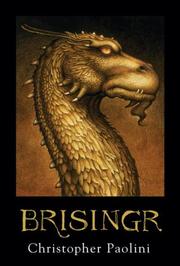
Brisingr
Eragon rescues Katrina, backs a dwarf king, and earns a burning sword.
2,214-word summary · 10 min read
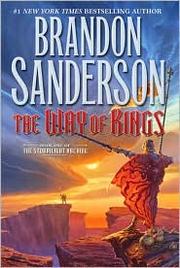
The Way of Kings
A slave, a warlord, and a scholar thief collide on a storm battered world marching toward an old war.
2,359-word summary · 10 min read
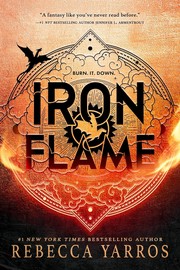
Iron Flame
Violet survives her first year at Basgiath and returns for war games, rebellion secrets, and a harder second year.
2,687-word summary · 12 min read
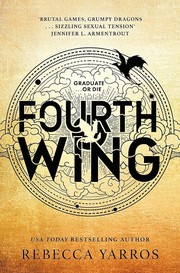
Fourth Wing
Rebecca Yarros's Fourth Wing retold: Violet enters Basgiath, bonds Tairn, and learns what the wards hide.
2,580-word summary · 11 min read
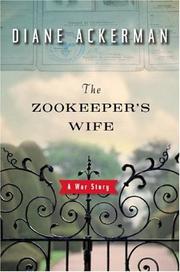
The Zookeeper's Wife: A War Story
The directors of the Warsaw Zoo hid roughly three hundred Jews in empty cages and outbuildings after the German invasion, while Jan worked for the resistance.
2,065-word summary · 9 min read

The Blinding Knife
Kip trains to join the Blackguard while the Prism hides his true identity, loses his colors, and fights a war against a rogue drafter who wants to birth a god.
2,049-word summary · 9 min read
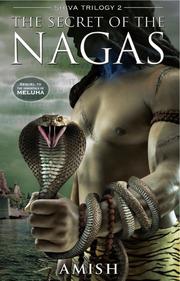
The Secret of the Nagas
Shiva hunts the Naga who attacked Sati, discovers her hidden twin sister and lost son, and follows the trail to the Naga capital of Panchavati.
2,442-word summary · 11 min read
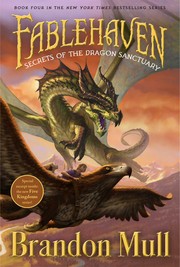
Secrets of the Dragon Sanctuary
Kendra is replaced by a plant copy and held by the Society, while Seth steals a unicorn horn so the family can enter a dragon sanctuary.
2,590-word summary · 12 min read
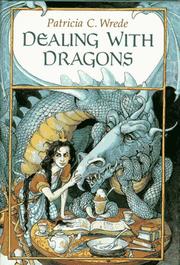
Dealing with Dragons
A princess who hates embroidery runs away to become the cook and librarian for a dragon, then has to outthink wizards, knights, and a plot against the dragon…
2,563-word summary · 11 min read

Consider Phlebas
The first Culture novel follows a spy for the opposing side, a man hired to hunt a fugitive through a war between an anarchist post-scarcity utopia and a…
2,350-word summary · 10 min read
Grip of the Shadow Plague
A plague turns Fablehaven's creatures of light into shadows while Kendra hunts an artifact in Arizona and Seth races to find the cause.
2,131-word summary · 9 min read
The Ship of the Dead
Magnus and his crew sail to the edges of the Norse worlds to stop Loki from launching Naglfar, the ship of the dead.
2,426-word summary · 11 min read
Lone Survivor: The Eyewitness Account of Operation Redwing and the Lost Heroes of SEAL Team 10
Marcus Luttrell's account of the 2005 SEAL mission in Afghanistan that killed three of his team and left him alone.
2,144-word summary · 10 min read

Bury My Heart at Wounded Knee: An Indian History of the American West
Dee Brown's 1970 retelling of the American West from the point of view of the people it destroyed.
2,233-word summary · 10 min read

Best Served Cold
Left for dead by the duke she served, mercenary general Monza Murcatto recruits a broken crew and works through a list of seven men who owe her a debt of blood.
2,108-word summary · 9 min read
The Battle for Skandia
Will and Evanlyn are still hiding in the Skandian mountains when Halt and Horace arrive with word of a Temujai invasion that could roll on to Araluen next.
2,248-word summary · 10 min read

Exodus
Leon Uris's sweeping 1958 novel follows Jewish refugees, Haganah fighters, and Holocaust survivors from Cyprus to the founding of Israel and the 1948 war.
2,529-word summary · 11 min read
A Reaper at the Gates
The Martial capital falls to an army of ghosts, Elias becomes the Soul Catcher, and Laia and Helene pay brutal prices as the Nightbringer moves to free the…
1,991-word summary · 9 min read
His Majesty's Dragon
When Captain Will Laurence's crew captures a French frigate carrying a dragon egg, the hatchling chooses him, and he trades the Navy for Britain's Aerial Corps.
2,405-word summary · 11 min read