
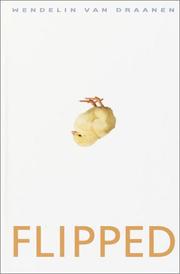
Flipped
2,689-word summary 12 min read 212 pages in the book
- First published
- 2001
- Publisher
- Knopf
- Pages
- 212
- ISBN
- 9780375811746
Reading options
What's inside (8 sections)
I found Flipped on a classroom shelf years after it came out, wedged between thicker books with louder covers, and I almost skipped it because the premise sounded slight. Two neighbors, a girl and a boy, telling the same years from opposite sides. It was published in October 2001 by Knopf, 212 pages in the hardcover, and it covers second grade through eighth grade in short alternating chapters. I read it in two sittings, mostly because Juli Baker would not let me put it down. She is one of those narrators who walks straight at life while everyone else negotiates.
The setup is simple and well built. Juli Baker moves in across the street from Bryce Loski when they are both in second grade. Juli decides almost at once that Bryce is the boy she will marry someday. Bryce decides almost at once that Juli is intense and hard to shake. For the next six years they orbit each other, misread each other, embarrass each other, and slowly trade places in who chases and who hides. Wendelin Van Draanen gives each of them their own chapters, so every incident lands twice, once in Juli's earnest voice and once in Bryce's defensive one.
What makes it more than cute is how much of ordinary family life gets packed into those 212 pages. Money stress, disabled relatives kept out of sight, fathers who shape sons without meaning to, mothers who keep the peace until they cannot. The romance is the hook. The families are the weight.
Second grade and the sycamore tree
Juli falls first and hard. In her second grade chapter she describes seeing Bryce get out of the moving truck, with his blue eyes and his messy hair, and feeling a physical flip in her chest. She starts showing up at his house with too much enthusiasm, riding her bike past his window, trying to hold his hand on the way to school. Bryce, in his version, describes the same weeks as a siege. He hides. He complains to his friends. He pretends to be sick to avoid sitting near her. He is not cruel yet in the calculated way older boys learn. He is just a seven year old who wants space and does not know how to ask for it without lying.
The sycamore tree arrives as Juli's other great love. There is a huge old sycamore on the street, wide enough that kids cannot get their arms around it, tall enough to see the whole neighborhood from the top limbs. Juli climbs it one day and stays. She watches light move through leaves. She watches birds land and argue. She feels, in the way kids sometimes do before they have words for it, that the tree is proof the world is bigger than schedules and spelling tests. When the town decides to cut it down for development, Juli climbs up in protest and refuses to come down.
That protest is the book's first set piece and Van Draanen handles it well. Juli's father tries to talk her down gently. Neighbors gather. A chain saw crew waits. Bryce watches from the sidewalk, embarrassed to be associated with her and secretly impressed that she will not move. Juli finally comes down only when her father convinces her that she cannot stop the saws by sitting in branches, and she cries on the bus the next day when she sees the stump. Bryce does not comfort her. He sits with his friends and says nothing, which Juli remembers longer than the tree itself.
I liked how the tree chapters establish the pattern for everything after. Juli loves fully and publicly. Bryce calculates what loving anything publicly will cost him. One of them will have to change for them to meet in the middle, and for a long time it is not clear which one can afford to.
Eggs, the yard, and middle school static
By fifth and sixth grade the war moves to Juli's front yard. The Bakers keep chickens in back and Juli starts selling eggs from the front porch to neighbors. The eggs are brown and fresh and cheap, and Bryce's mother buys them at first out of friendliness. Then Bryce's father tells him to stop eating them, hinting that the Baker yard is dirty and the family is careless. Bryce, eager for his father's approval, starts throwing the eggs away instead of telling Juli the family does not want them. He tosses them, hides the cartons, lies when Juli asks if the eggs were good.
When Juli finds out, through a neighbor's careless comment and then through her own checking, she is crushed in a way that goes beyond eggs. She had trusted Bryce with a small business she ran herself. She had imagined his family at breakfast eating food her hens made. Learning he trashed them feels like learning he trashed her. In her chapter she stops waving at him. She stops saving him a seat. She writes about scrubbing the porch table and deciding she will not sell to people who lie to her face.
The yard itself becomes the next battlefield. The Baker yard is weedy and wild, full of projects half finished, paint cans and chicken wire and a fence that leans. The Loski yard is trimmed and sprayed and controlled. Bryce's father points across the street as a lesson in what failure looks like. Bryce repeats that lesson at school to get laughs. Juli hears about it and starts digging. Literally. She decides if anyone calls her yard a dump, she will fix it with her own hands. She borrows tools, pulls weeds after school, plants grass seed, waters in the evenings. Her father helps on weekends. Her brothers tease her and then help too.
Middle school adds static. Bryce wants status with a group of boys who rank girls and trade jokes at lunch. Juli wants to stay herself but feels the pressure to be quieter, smaller, less certain. She keeps raising her hand in class. She keeps defending kids who get mocked. Bryce keeps laughing at jokes he does not fully believe because silence feels safer than dissent. Van Draanen is good at these cafeteria scenes. She shows how Bryce hears his own laugh a half second late and hates the sound, but laughs again the next day.
The dinner that shifts everything
The Loski family dinner is the hinge of the book. Bryce invites Juli to dinner, partly from guilt and partly because his mother insists, and both families end up crowded around the same table. The food is careful. The conversation starts careful. Then Juli's family talks the way they always talk, loud and overlapping and honest about money and work and health, and Bryce sees his own family from the outside for the first time.
Two things hit him that night. First, his father, who has always seemed confident and correct, sounds small next to Juli's father, who listens and asks real questions and treats his kids as people rather than projects. Second, Juli, who Bryce had filed as strange, sounds smart and funny and grounded when she is not performing for school. She talks about her chickens without apology. She talks about fixing the yard without bragging. She thanks Bryce's mother for the meal in a way that sounds meant. Bryce walks her home after and tries to apologize for years of avoidance, and botches it, and knows he botched it.
Juli remembers the same dinner as proof she was right to pull back. She liked Bryce's mother. She felt judged by Bryce's father. She watched Bryce go quiet when his father made a crack about the Baker house, and she decided that a boy who will not defend you at his own table will not defend you anywhere. She goes home and tells herself she is done flipping for Bryce Loski. The narration makes clear she means it, or wants to mean it, which is almost the same at thirteen.
I appreciated that Van Draanen does not turn the dinner into a speech about class. No one stands up and names the moral. The details do it. Who clears plates. Who interrupts. Who asks about Juli's schoolwork and actually waits for the answer. Bryce leaves the table understanding that his father's opinions about the Bakers were not facts but habits, and that he has been repeating habits he never chose.
Bryce starts to see Juli clearly
Eighth grade is Bryce's long apology without words. He starts noticing things he had trained himself not to see. Juli is brave in class discussions. Juli is kind to a boy everyone else avoids. Juli works on the yard every afternoon until her hands blister, not for praise but because she said she would. He tries to talk to her and she keeps the conversations short. He tries to sit near her and she moves. The flipped dynamic is now complete. The girl who chased now guards her time. The boy who hid now hovers.
Bryce also starts to separate from his father. This is handled in small beats rather than one blowup. He questions a comment about the Bakers at breakfast. He stays silent instead of laughing when his friends mock Juli's hair or her lunch. He asks his mother why the family never visits Juli's side of the street except to complain. His mother, who has spent years smoothing over her husband's edges, tells him plainly that kindness takes more effort than judgment and that he is old enough to choose. Bryce does not transform overnight. He backslides. He says the wrong thing at school and spends the bus ride home rehearsing a better version.
A key scene involves Bryce defending Juli when his friends trash her yard project. He does not give a grand speech. He says the yard looks better because Juli worked on it every day, which is true and checkable, and then he walks away while they laugh. Later he shows up with no plan and helps her rake without being asked. Juli does not thank him with big words. She hands him a second rake. That exchange, two kids raking in silence while traffic passes, carries more romance than any kiss scene could at this age, because it is the first time Bryce offers labor instead of excuses.
Van Draanen keeps Bryce's voice believable here. He still sounds like an eighth grade boy, worried about how he looks, replaying conversations, trying to be decent without losing face. He misreads Juli as often as he reads her right. When he thinks she wants space, she wanted acknowledgment. When he thinks a joke will break tension, it lands wrong. The dual narration lets the reader see both mistakes at once, which keeps Bryce sympathetic even when he acts weak.
The tree, the yard, and holding hands
The ending returns to trees and yards, which feels right for a book that never trusted grand gestures. Bryce learns how much the sycamore meant to Juli, not as a story about a girl who cried over wood, but as a story about a person who saw something beautiful and tried to protect it alone. He cannot replant a giant tree. What he can do is smaller and more personal. He plants a young sycamore in Juli's yard, in soil she cleared herself, and he does it without an audience.
Juli finds the sapling and understands at once what it cost Bryce in pride and planning. He had to ask for help to get it. He had to carry it across the street where everyone could see. He had to admit he had been wrong about the old tree and about her. She does not forgive him in a speech. She takes his hand when they stand looking at the thin trunk together. The book ends on that held hand rather than a kiss, which suits two eighth graders who have spent years learning how to look at each other straight.
The yard around them is no longer the embarrassment Bryce's father described. It is patchy in places, still rough at the edges, but clearly tended. Grass coming up where Juli seeded. Fence mended. Porch swept. Bryce's presence there, with dirt on his shoes, reads as acceptance of the whole Baker way of living, loud and unfinished and hands on. Juli's willingness to let him stand there reads as acceptance that people can change after they have hurt you, if they show it in actions first.
I closed the book thinking about how rare it is to end a middle grade romance without a prom or a declaration. Van Draanen ends with work and a tree that will take years to shade anyone. It is patient in a way that matches Juli's best qualities and Bryce's newest ones.
What charms and what repeats
A lot charms. The voices are distinct on the page. Juli sounds earnest without sounding naive. She notices smells and light and animal behavior, and she reports adult hypocrisy with kid precision. Bryce sounds guarded without sounding false. He hedges, he revises, he admits when he laughed to fit in. Reading the same scene twice never feels like padding when the differences reveal character. The egg lie is a good example. In Juli's version it is betrayal. In Bryce's version it is cowardice. Both are true, and the reader needs both to judge fairly.
The concrete details also charm. Fresh eggs with bits of straw stuck to the shell. A leaning fence fixed with new posts. A stump on the curb where a climbable giant used to be. A dinner table with too many elbows and a dessert that breaks tension. Van Draanen trusts objects to carry feeling, which is why the book works for younger readers and still holds for adults. You do not need to be told Juli is hurt when she scrubs the egg table twice.
The fair criticism starts with repetition. Telling every beat twice means the middle sags. By the fourth or fifth paired chapter, you can predict the shape. Juli will act boldly, Bryce will dodge, adults will misunderstand, then the next chapter will rewind and show Bryce dodging first. The structure is the concept, so it cannot be cut, but at 212 pages even a tight book feels a little long in the cafeteria stretch. A reader who bonds harder with Juli may skim Bryce's repeats, and a reader who prefers Bryce may skim Juli's. I found myself wishing for one or two single voice chapters to break the mirror.
The adults are thin as well. Juli's parents are warm and wise in almost every scene. Bryce's father is judgmental in almost every scene. Bryce's mother is kind but passive until the plot needs her to speak. Those broad strokes serve the kids' story, since this is a book about learning which adult to copy, but they leave little surprise. Real parents wobble more. Here they function as signposts, one house showing how to live, the other showing how not to, with the kids commuting between.
The tidiness is the last quibble. The planted tree, the fixed yard, the held hand, the softened father, everything resolves in the final thirty pages with a gentleness that feels slightly staged after so much honest friction. I did not want a tragic ending. I wanted one loose thread left untied, one apology unsent, to match how eighth grade actually feels. Van Draanen gives closure because her readers are young and deserve hope, and I respect that choice even as I notice the smoothing.
Even with those notes, Flipped earns its long life in classrooms. It shows pursuit and avoidance without preaching, shows class judgment through yards and eggs rather than lectures, and shows a boy learning to think past his father while a girl learns to guard her heart without hardening it. The hand holding at the end feels earned because both kids did work no adult could do for them. Juli kept her standards. Bryce finally met them with a shovel in his hands.
FAQ
When was Flipped published?
It was published in October 2001 by Knopf in a 212-page hardcover, told in alternating chapters by Juli Baker and Bryce Loski from second grade to eighth.
What is the sycamore tree in Flipped?
It is Juli's beloved climbing tree that gets cut down after her sit-in protest, and Bryce later plants a young sycamore in her yard as amends.
How does Flipped end?
After Bryce helps with the yard and plants the sapling, Juli takes his hand beside the thin trunk, closing on work and patience rather than a kiss.
Similar books

Hard Luck
Rowley has a girlfriend, so Greg turns to a Magic 8 Ball, a family Easter hunt and the school yearbook for answers.
2,586-word summary · 11 min read
The Third Wheel
Greg tries to find a date for the Valentine's dance, ends up the third wheel in his own plan, and watches Rowley get the girl.
2,019-word summary · 9 min read
Harriet the Spy
Eleven year old Harriet Welsch fills notebooks with honest, often cruel observations about her neighbors, until her classmates read one and turn her spy route…
2,510-word summary · 11 min read
The War That Saved My Life
Ten-year-old Ada has never left her London flat, hidden away because of her clubfoot. Wartime evacuation sends her to Kent, where a reluctant guardian and a…
2,252-word summary · 10 min read
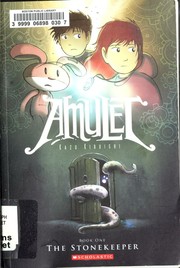
The Stonekeeper
After their father's death, Emily and Navin chase a monster into a hidden world to save their mother, and Emily's great-grandfather's amulet offers power at a…
2,753-word summary · 12 min read
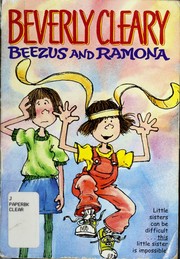
Beezus and Ramona
Nine year old Beezus tries to be a good older sister while four year old Ramona turns every ordinary day into a disaster, until a tenth birthday forces honesty.
2,062-word summary · 9 min read
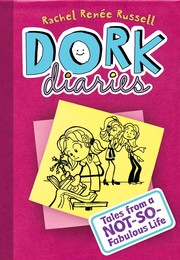
Tales from a Not-So-Fabulous Life
Nikki starts private school and writes mean-girl survival in her diary.
2,587-word summary · 11 min read

Esperanza Rising
Esperanza trades ranch life for farm labor camps in California.
2,338-word summary · 10 min read
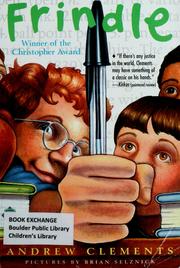
Frindle
Nick Allen calls a pen frindle, defies Mrs. Granger and a school ban, and watches the joke grow into news, trademarks, and a dictionary entry.
2,405-word summary · 11 min read
Tales of a Fourth Grade Nothing
Nine-year-old Peter Hatcher tries to get through fourth grade while his toddler brother Fudge steals every scene.
2,469-word summary · 11 min read
The Last Straw
Frank wants Greg toughened through sports while Greg dodges everything and military school looms.
2,020-word summary · 9 min read

Out of My Mind
Eleven-year-old Melody Brooks has cerebral palsy and cannot speak, but she remembers everything and fights to be heard in fifth grade.
2,298-word summary · 10 min read

P.S. I Still Love You
Lara Jean juggles Peter, a video scandal, and a letter from an old crush.
2,737-word summary · 12 min read
Matilda
Brilliant Matilda Wormwood teaches herself to read, faces her crooked parents and the fearsome Miss Trunchbull, and finds Miss Honey.
2,296-word summary · 10 min read

Make Way for Ducklings
A pair of mallards raise eight ducklings on the Charles River and lead them across Boston to the Public Garden, with a little help from a friendly policeman.
2,044-word summary · 9 min read
The Field Guide
Three siblings move into a creepy Maine estate, anger a brownie, and find a forbidden guide to the fairy world in the first Spiderwick book.
2,033-word summary · 9 min read

Little Town on the Prairie
In the spring after the Long Winter, fifteen-year-old Laura sews shirts, studies for a teaching certificate, and helps send her blind sister Mary to college.
2,071-word summary · 9 min read
George's Marvellous Medicine
George stirs a brew of dozens of household chemicals and gives it to his grumpy grandmother, and the medicine works far better than anyone planned.
2,014-word summary · 9 min read
The Thief Lord
Orphaned brothers join a gang of Venice street kids and a masked Thief Lord, chasing a magic merry-go-round that can change a person's age.
2,040-word summary · 9 min read
The Borrowers
A family of tiny people live under the floorboards of an English house, borrowing what they need until a lonely boy and a suspicious housekeeper change…
2,164-word summary · 10 min read
Sideways Stories from Wayside School
Thirty stories, one class per floor, and a teacher who turns students into apples: Louis Sachar's absurd school classic.
2,045-word summary · 9 min read
The Girl Who Drank the Moon
A witch who secretly rescues the town's sacrificed babies accidentally enmagicks one with moonlight, and the girl grows up with a power she cannot name.
2,078-word summary · 9 min read
When You Reach Me
A sixth grader in 1970s New York gets strange notes that seem to predict the future.
2,456-word summary · 11 min read
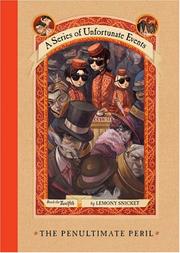
The Penultimate Peril
Baudelaires as concierges in a hotel sort friends from foes before the end.
2,234-word summary · 10 min read
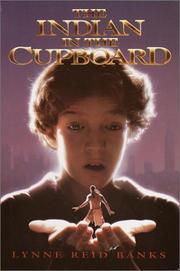
The Indian in the Cupboard
Omri learns a key turns plastic Little Bear into a live Iroquois man.
2,228-word summary · 10 min read
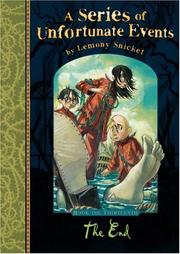
The End
Baudelaires wash on an island where others decide what safe means.
2,320-word summary · 10 min read
Miss Nelson Is Missing!
Room 207 gets kind Miss Nelson, then terrible Viola Swamp instead.
2,597-word summary · 12 min read