

Esperanza Rising
2,338-word summary 10 min read 262 pages in the book
- First published
- 2000
- Publisher
- Scholastic
- Pages
- 262
- ISBN
- 9780439576178
Reading options
What's inside (8 sections)
I picked up Esperanza Rising because I wanted to see how a middle grade novel handles a fall that most adult books would stretch into bitterness. Pam Munoz Ryan published it in 2000 with Scholastic, a 262 page story set during the Great Depression. It follows a thirteen year old girl who loses a ranch in Mexico and learns to work in a California farm camp. I expected a lesson. I found something warmer and more specific than that.
Esperanza Ortega starts rich. She lives on Rancho de las Rosas in Aguascalientes with her parents, her grandmother Abuelita, and servants who feel like family. Her father Sixto owns land and roses and cattle. Servants cook and clean. Esperanza wears nice dresses and gets a doll for her birthday. She holds her father hand walking through vines. The opening is full of harvest and song. Ryan lets you feel the safety before she takes it.
What surprised me is how quickly Ryan ties wealth to care rather than cruelty. Esperanza is spoiled, yes. She does not know how to wash or cook. But her parents teach her to treat workers with respect. Her father lies on the ground to hear the earth. Her mother sings. Abuelita crochets a blanket square by square and tells Esperanza life has mountains and valleys. Those early scenes plant tools Esperanza will need later.
Rancho de las Rosas
The ranch runs on routine and season. Alfonso and Hortensia work for the Ortegas. Their son Miguel plays with Esperanza despite the gap in standing. Sixto treats Miguel almost like a second child, taking both kids to look at fields. Ramona, Esperanza mother, keeps the house graceful without coldness. Abuelita, Ramona mother, tells stories and works yarn with steady hands.
Esperanza is twelve turning thirteen. She believes her life will continue in this shape. Birthday preparations fill the house. Her father gives her a doll, her last gift from him though she does not know it then. He goes out to mend a fence and does not return. Bandits kill him on the ranch land. The news lands hard because Sixto felt permanent. Workers weep. Ramona goes still. Esperanza cannot fit the fact inside her head.
After the funeral, power shifts. Sixto stepbrother Luis, called Tio Luis, claims the land. He is a bank officer with influence and a cruel streak. He offers to keep caring for the family if Ramona marries him. Ramona refuses. Luis answers by burning the ranch house down. Fire takes the roof and walls Esperanza grew up in. Abuelita is hurt in the fire and must stay with nuns in a convent to heal. She cannot travel yet.
This part could feel rushed, and in some ways it does. Murder, proposal, refusal, arson in a few chapters. Ryan moves fast to get Esperanza north. But the speed fits a child view. Disaster does not arrive with explanation. It arrives as noise and smoke. Esperanza remembers details a teen would keep. The smell of roses burning. A doll saved from ash. Her mother voice gone flat.
Fire and Flight
With the ranch gone, staying means living under Luis. Alfonso and Hortensia plan to leave for California where Alfonso brother Juan already works on a farm. They invite Ramona and Esperanza to come. It means secret travel, hiding among crates, leaving Abuelita behind for now with a promise to send for her later. Ramona agrees. Esperanza agrees without grasping the cost.
They ride north in a wagon and then a train with false papers and fear. Esperanza hides her fine clothes. She learns to stay quiet at checkpoints. Miguel comes too, older now and watchful. He teases Esperanza to ease her, then goes serious when guards pass. The trip is long and dusty. Food is plain. Sleep comes in snatches.
Arrival does not bring relief. The United States in 1930 is in the grip of the Depression. Work is scarce. Mexicans are hired cheap for field labor and blamed for taking jobs. The family reaches a farm camp in Arvin, California. Cabins are small and crowded. One faucet serves many. Mats cover dirt floors. Esperanza, who once had her own room and a servant to brush her hair, now shares tight quarters and washes in a communal way that shocks her.
I liked how Ryan does not make the camp only bleak. Josefina and Juan keep a cabin with warmth. Their daughter Isabel, small and bright, adopts Esperanza at once. Hortensia cooks beans and tortillas that feed more than stomachs. Music still plays. Children still run. Poverty is real, but so is neighbor care. That balance keeps the middle from sinking.
Camp in Arvin
Life in camp follows crops. Grapes, potatoes, asparagus. Workers ride trucks before dawn and return caked with dust. Pay is low and counted by boxes or bags. Esperanza must learn from zero. She does not know how to sweep. She cuts her hands on potatoes. She holds a baby wrong. Isabel teaches her to change diapers without fuss. Josefina shows her how to scrub. Hortensia shows her how to roll dough thin.
Isabel matters more than page count suggests. She is young enough to admire Esperanza and old enough to see through her. She wants to learn to read. Esperanza, who can read well, starts teaching her in spare minutes. Those lessons flip their roles. Esperanza stops being only the helpless rich girl. She becomes useful in a way no field boss measures.
Miguel works as a mechanic and driver. He understands engines and hopes to fix trains one day. He and Esperanza clash because they grew up side by side but not equal. He remembers every slight, even small ones she forgot. She remembers kindnesses he takes as duty. Their bond frays under camp pressure. He tells her straight that in California they are both on the bottom. She hears it as insult before she hears it as truth.
Marta enters as the camp conscience with sharp edges. She is a striker organizer who speaks for better pay and toilets in the fields and clean water. She distrusts Esperanza at first as a pampered newcomer. She mocks her clean hands. Esperanza dislikes her back. Over time Marta shows another side, caring for sick neighbors and sharing food. Ryan does not turn her into a saint. She stays prickly. That choice helps. Camps held many views about strikes, and Ryan lets them sit side by side.
Abuelita blanket runs through these chapters as a quiet thread. Before they fled, Abuelita started a crochet blanket with mountains and valleys to show life rise and fall. Esperanza brings the yarn and hook to California and adds rows badly at first, then better. Each uneven stitch marks time. It is a plain symbol, but Ryan earns it by use rather than speech. We see Esperanza pick it up when worried and put it down when tired.
Work, Illness, and Strike
A dust storm changes everything. Valley fever spreads in the camp. Ramona breathes bad air and falls ill with a deep lung sickness that will not lift. She burns with fever and coughs through nights. Doctors say rest and time, which cost money the family does not have. Esperanza must work despite being underage. Pride gives way to need.
Field work is hard in ways description barely catches until you do it. Esperanza ties grape vines till fingers bleed. She bends over potatoes in heat that presses down. She sorts asparagus with speed she does not have yet. Pay is thin. Foremen shout. Older women show her how to wrap hands and pace breath. She learns to keep up by watching feet, not by thinking.
Tension rises as migrants from Oklahoma arrive, driven west by dust and debt. They need the same jobs and will take lower pay. Farm owners play groups against each other. Talk of strike grows. Some Mexican workers want to walk out for better conditions. Others fear losing the little they hold. Marta pushes for action. Juan urges caution. Miguel stays quiet and works.
The strike breaks open with a large demonstration. Owners call immigration officials. Trucks arrive. Men with lists round up strikers and others nearby. Many of those seized are sent toward Mexico on trains and buses. Ryan notes, through camp talk and later history, that many deported people were citizens who had never lived in Mexico. Sixty percent is the figure scholars cite for citizen share in some roundups of those years, and Ryan lets the wrongness sit without speech making.
Esperanza fights with Miguel after the raid. She sees cruelty and wants him to name it cleanly. He sees complexity and wants her to see risk. He leaves for Northern California to find work, gone without proper goodbye. Esperanza feels abandoned on top of scared. Her mother still sick. Money thin. Abuelita still far. The blanket stalls mid row.
This is the strongest part of the book for me because Ryan lets Esperanza be unlikable for a stretch. She snaps at Isabel. She resents sharing. She judges strikers and then judges herself for judging. Growth does not arrive as a speech. It arrives as Esperanza showing up the next morning with sore hands and doing the row again.
Money Orders and Return
With Ramona slowly recovering, Esperanza finds a small way to act. She saves coins and buys money orders to send toward Abuelita travel. She hides them in her doll case, counting and recounting. Each order is small. Together they mean a ticket. She plans to show her mother when the stack is enough. It is the first plan she makes that does not depend on being rescued.
Then the orders vanish. Esperanza turns the cabin upside down. She accuses in her head, then out loud, then feels sick. Had someone stolen from her. Had she lost them through carelessness like so much else. Shame burns more than anger.
The answer comes with Miguel return. He took the money. He did not spend it. He used it to travel to Mexico and bring Abuelita north himself, knowing a girl savings would take months and a grown man could act at once. He carries the old woman through the last miles like proof. Abuelita steps into camp thin but upright, blanket in her bag, eyes bright.
I admit this twist tested me. Theft as love is a hard sell. Ryan makes it work by setup. Miguel has watched Esperanza fail at thrift and hide plans from pride. He knows Luis still watches south. He knows Abuelita cannot wait for slow savings while papers tighten. He chooses to be blamed rather than explain. When Esperanza learns the truth, her anger breaks into relief and then into a different anger at herself for doubting. It is messy in a human way.
Abuelita arrival resets the house. She finishes blanket rows with Esperanza, fixing dropped stitches without scolding. Ramona sits up longer each day. Isabel reads a full page aloud. Juan finds steadier hours. The camp still pays little. The owners still hold power. Nothing structural is fixed. What changes is Esperanza stance inside it.
The book ends on Esperanza fourteenth birthday, a year after her father death. No ranch. No servants. She lies on the ground to hear the earth as her father taught her, and rises with dirt on her dress without shame. She has learned to be grateful for family kept, friends held, and hope kept alive. Esperanza means hope in Spanish, and Ryan does not hide the link. She lets the name carry the last weight.
What Shines and What Strains
What shines is use of season and sense. Ryan shapes chapters around harvests, figs and grapes and stone fruit, dust and rain. She conveys ties to land through work, not speeches about land. When Esperanza finally eats a tortilla she helped make, the scene lands because we felt her burned hands. When she hears her mother sing again after fever, the sound matters because silence lasted chapters.
Character work is warm but uneven. That is my fair criticism. Esperanza grows in clear steps that can feel mapped. Spoiled to shocked to resentful to responsible to grateful. Each stage gets a scene that teaches it. Marta softens on schedule. Tio Luis stays flat evil, burning and threatening without inner life. The Oklahoma migrants appear more as pressure than people. Kirkus made a similar point years ago about epic tone and predictable growth, while still calling the style engaging. I agree with both halves. The arc is visible. The telling still pulls.
History gets simplified in places too. Strike politics, deportations, and camp economics were tangled and violent in ways a middle grade novel can only touch. Ryan chooses clarity over thicket. Owners order raids. Workers split. Good neighbors share. That clarity serves young readers, but older readers may want more about why some Mexican workers opposed strikes and how citizen deportations were allowed to happen. Ryan points at the facts and moves on.
Pacing also favors feeling over process. The flight north, which must have taken hard planning, passes quickly. Valley fever lifts with care rather than medicine we see. Money orders turn into a ticket with little friction once Miguel acts. None of this broke trust for me because Ryan writes daily life with such concrete care. Diapers and beans and yarn carry more truth than policy pages could at this length.
Who should read it. Teens who want history through a person, not a chapter. Younger readers ready for grief and work but not for graphic violence. Adults who teach immigration, labor, or the Depression and need a bridge text. Expect a soft epic tone and a clear moral arc. Stay for small craft. Watch how roses return as smell, then memory, then choice. Watch how the blanket grows crooked before it grows even. Esperanza trades ranch life for farm labor camps in California, and Ryan makes each loss count before she lets hope rise.
FAQ
Why do Esperanza and her mother leave Mexico?
After Sixto is murdered, Tio Luis claims the land and burns the ranch when Ramona refuses marriage. They flee north with former servants to work in California farm camps.
What happens to the money orders Esperanza saves?
Miguel takes them to fetch Abuelita from Mexico, then brings her to camp. Esperanza first reads it as theft, then learns it was a shortcut driven by care.
Is Esperanza Rising based on a real family story?
Ryan based Esperanza on her own grandmother, who moved from Mexico to California farm labor. The novel is set around 1930 with Depression and Dust Bowl pressure on workers.
Similar books
The War That Saved My Life
Ten-year-old Ada has never left her London flat, hidden away because of her clubfoot. Wartime evacuation sends her to Kent, where a reluctant guardian and a…
2,252-word summary · 10 min read

Little Town on the Prairie
In the spring after the Long Winter, fifteen-year-old Laura sews shirts, studies for a teaching certificate, and helps send her blind sister Mary to college.
2,071-word summary · 9 min read

Hard Luck
Rowley has a girlfriend, so Greg turns to a Magic 8 Ball, a family Easter hunt and the school yearbook for answers.
2,586-word summary · 11 min read

The Stonekeeper
After their father's death, Emily and Navin chase a monster into a hidden world to save their mother, and Emily's great-grandfather's amulet offers power at a…
2,753-word summary · 12 min read

Beezus and Ramona
Nine year old Beezus tries to be a good older sister while four year old Ramona turns every ordinary day into a disaster, until a tenth birthday forces honesty.
2,062-word summary · 9 min read

Bud, Not Buddy
A ten year old orphan in the Depression walks to find a jazzman he thinks is his father.
2,568-word summary · 11 min read

Flipped
Juli Baker and Bryce Loski retell second grade to eighth grade from opposite sides, through a sycamore sit, trashed eggs, a yard fix-up, and one tense family…
2,689-word summary · 12 min read
Roll of Thunder, Hear My Cry
In Depression-era Mississippi, nine-year-old Cassie Logan learns what her Black family's land costs and why they keep it.
2,273-word summary · 10 min read

The Stationery Shop
Two teenagers fall in love in a Tehran stationery shop in 1953, are separated by the coup and a family deception, and meet again sixty years later.
2,024-word summary · 9 min read

The Long Winter
Dakota Territory, 1880: seven months of blizzards cut a town off from the railroad, and a family survives on twisted hay, ground wheat, and a dangerous wheat…
2,210-word summary · 10 min read

The Japanese Lover
A Polish refugee and the son of a Japanese gardener fall in love in San Francisco in 1939, then keep the affair secret for nearly seventy years.
2,286-word summary · 10 min read
Make Way for Ducklings
A pair of mallards raise eight ducklings on the Charles River and lead them across Boston to the Public Garden, with a little help from a friendly policeman.
2,044-word summary · 9 min read

The Shadow Sister
Star D'Apliese steps out of her sister's shadow and follows a bookshop clue into the Edwardian life of Flora MacNichol, a woman who gave up love for duty.
2,260-word summary · 10 min read
The Field Guide
Three siblings move into a creepy Maine estate, anger a brownie, and find a forbidden guide to the fairy world in the first Spiderwick book.
2,033-word summary · 9 min read

Mrs. Everything
Two Jewish sisters in Detroit grow up, apart and together, across seven decades of American life, from the 1950s to the 2016 election.
2,362-word summary · 10 min read
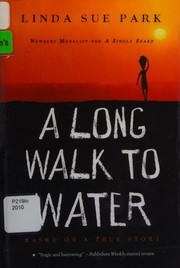
A Long Walk to Water
Two eleven-year-olds in southern Sudan, twenty-three years apart: a Dinka boy fleeing war and a Nuer girl walking hours for water, until their stories meet at…
2,217-word summary · 10 min read

Unaccustomed Earth
Lahiri’s second story collection follows Bengali families in America and abroad, tracing the quiet distances between parents and children, spouses, and the…
2,333-word summary · 10 min read

The Lowland
Two brothers grow up beside a marshy lowland in Calcutta, and the choices of the younger one draw the older into a life of duty, distance, and quiet grief that…
2,213-word summary · 10 min read

George's Marvellous Medicine
George stirs a brew of dozens of household chemicals and gives it to his grumpy grandmother, and the medicine works far better than anyone planned.
2,014-word summary · 9 min read

What the Wind Knows
Annie scatters her grandfather's ashes on Lough Gill and is pulled into 1921 Ireland, where she becomes the missing Anne Gallagher and falls for Dr. Thomas…
2,056-word summary · 9 min read

This Is How You Lose Her
Yunior cycles through love affairs and betrayals in nine linked stories, tracing the damage he does and the family history behind it.
2,195-word summary · 10 min read

The Third Wheel
Greg tries to find a date for the Valentine's dance, ends up the third wheel in his own plan, and watches Rowley get the girl.
2,019-word summary · 9 min read
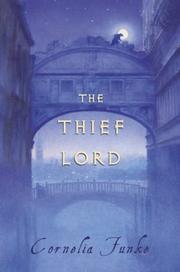
The Thief Lord
Orphaned brothers join a gang of Venice street kids and a masked Thief Lord, chasing a magic merry-go-round that can change a person's age.
2,040-word summary · 9 min read
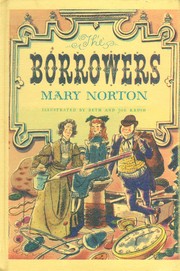
The Borrowers
A family of tiny people live under the floorboards of an English house, borrowing what they need until a lonely boy and a suspicious housekeeper change…
2,164-word summary · 10 min read

A Painted House
In 1952 Arkansas, seven-year-old Luke Chandler picks cotton with his family and learns how quickly poverty, violence, and adult secrets can end a childhood.
2,060-word summary · 9 min read

The Storm Sister
Ally D'Aplièse loses her father and her lover within weeks, then follows a brass frog and a Norwegian biography into Anna Landvik's music and the world of…
2,376-word summary · 11 min read
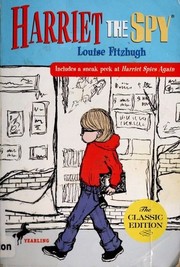
Harriet the Spy
Eleven year old Harriet Welsch fills notebooks with honest, often cruel observations about her neighbors, until her classmates read one and turn her spy route…
2,510-word summary · 11 min read

The Girl Who Drank the Moon
A witch who secretly rescues the town's sacrificed babies accidentally enmagicks one with moonlight, and the girl grows up with a power she cannot name.
2,078-word summary · 9 min read

On the Banks of Plum Creek
The Ingalls family trades their horses for a dugout on Plum Creek and bets a single wheat harvest on a house above ground, in Wilder's fourth Little House book.
2,090-word summary · 9 min read