
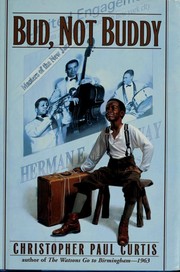
Bud, Not Buddy
2,568-word summary 11 min read 245 pages in the book
- First published
- 1999
- Publisher
- Delacorte Press
- Pages
- 245
- ISBN
- 9780385323062
Reading options
What's inside (7 sections)
I read Bud, Not Buddy aloud over a few nights and kept thinking how Bud's voice makes hard history bearable without hiding it. First published in 1999 by Delacorte Press at 245 pages in hardcover, it won the 2000 Newbery Medal and Coretta Scott King Award, the first book to win both. Bud Caldwell is ten, Black, orphaned in Flint, Michigan, during the Great Depression. He insists, Bud, not Buddy, and lives by rules for a funner life and making a better liar out of yourself. When foster cruelty pushes him out, he walks to find a jazzman he thinks is his father. I laughed, ached, and learned.
Bud starts in an orphanage with his friend Bugs. His mother Angela Janet died when he was six. He keeps her flyers of a jazz band, Herman E. Calloway and the Dusky Devastators, thinking Calloway is Dad because the flyers were kept. Foster placement with the Amoses turns cruel fast. Todd Amos teases and calls him Buddy. After a fight, Bud must sleep in a shed with a hornet nest he mistakes for vampire bats. He splits the nest, gets stung, breaks out, wets Todd's bed revenge with warm water, hides a shotgun, leaves. That opening shows Bud perfectly. Scared kid who plans, jokes, acts. Rules help. Rule 3, if a grown tells you something, check. He checks by leaving.
He sleeps under a Christmas tree, misses mission breakfast, is saved by a couple pretending he is son. He and Bugs run to Hooverville, a hobo camp outside Flint, where they eat and plan to ride rails west. Train leaves early. Bugs jumps. Bud misses and is left. That separation hurt me. Two boys promising together, then one gone in smoke. Bud learns distance from Flint to Grand Rapids from a librarian and walks. On road he meets Lefty Lewis, who seems to carry blood but carries fish, who warns him about sundown towns where Black people cannot stay after dark, who drives him to Grand Rapids and feeds him with his daughter's family. Kindness from strangers balances cruelty. Lefty's warning about sundowns teaches history without lecture. Danger is real. Help exists too.
Rules and humor
Bud's rules run through and hold the book together. Rule 1, never lose your suitcase. Rule 8, never say goodbye. Rule 16, if a grown says you will be okay, do not believe. These are funny and wise, learned from foster care and orphanage. He numbers them as he goes, revising when wrong. That numbering gives child logic and adult truth. Humor comes from misunderstanding. Vampires as fish blood, laboratories as labs, Miss Hill's smile as light. But underneath jokes is survival intelligence. Bud watches adults closely. Who shares food. Who hits. Who listens. He decides fast and mostly right. That watchfulness will resonate with kids in care now. Adults fail often. Kids adapt.
His suitcase matters more than plot device. Clothes, blanket, flyers, rocks with dates of special times, a photo of mother as baby. He guards it with life. When others touch it, he panics. That panic is grief made object. Mother gone, suitcase holds what remains. By the end, when he finds family, he can open it without fear. Objects hold memory till people can hold you. I thought about my own kept boxes while reading. What I carry when home is thin. Bud's insistence on Bud not Buddy is same. Name as self. Do not shorten me to suit you. Call me right. That demand, polite and firm, teaches dignity. Teachers can use it. Names matter.
Hooverville chapters teach Depression without textbook. Mixed races sharing stew, police watching, trains dangerous, work scarce. Bud notes Black and white hobos together, which surprises him after segregation in town. Poverty levels some lines while racism draws others. A labor organizer talks. Men share stories. Bud eats and listens. Curtis, whose grandfathers played jazz in that era, writes with love for music and people who made it. Food details stick. Bacon grease, cold beans, fresh bread from Lefty's daughter. Hunger makes tastes vivid. You feel 1930s Michigan winter coming while Bud walks in thin coat. Cold as character. Keep moving or freeze.
Library scene deserves praise. Librarian helps Bud find miles and maps without pitying. She treats him as patron, not problem. That respect contrasts with Amoses and caseworkers who see files. Small kindnesses change routes literally. Without her, Bud would not know distance or direction. With her, he walks with plan. It models what libraries do. Open doors, give maps, no questions about worth. As a library lover, I cheered. Bud later returns kindness by sharing stories. Giving back completes.
Herman and the band
Herman E. Calloway seems harsh when Bud finds him. Old, stern, leading a jazz band with discipline, annoyed at a kid claiming to be son. Band members, Steady Eddie, Dirty Deed, Miss Thomas, take to Bud faster. They feed him, tease, give him a saxophone, let him stay. Miss Thomas mothers gently. Steady Eddie jokes. Herman growls. Bud declares himself son with confidence shaking when he sees Herman's age. Could this old man be Dad. He pushes through, helps with instruments, delivers news that his mother Angela Janet is dead. That news breaks Herman, revealed as Angela's estranged father, Bud's grandfather, not father. Flyers were mother's, kept for her dad she fled after fighting about music and life.
That reveal lands with grief and relief. Bud did not find Dad. He found Grandpa who did not know he existed. Herman apologizes for harshness, allows Bud to stay with band. Found family becomes blood family without erasing loss. Mother still dead. Grandfather old and sorry. Band as uncles and aunt. It is happy without being neat. Herman must face that his pride drove daughter away. Bud must face mother will not return. Both choose to try together. Music seals. Herman lets Bud hold saxophone, toot badly, laugh. That laugh after 245 pages of walking and hunger felt earned. Not triumph, but home starting.
Jazz runs through as history and healing. Herman's band, Dusky Devastators, plays Depression era jazz that Curtis knew from grandfathers. Music gives Black communities joy and work when other jobs closed. Bud connects through rhythm before blood. He taps, hums, carries beat. Band accepts him because he feels music, not just claims kin. That acceptance criteria moved me. Family is who hears you. By the end, Bud has lullabies and marching tunes in head to replace rules a little. Rules remain, but music softens. He still lists, but laughs more.
What shines is voice and history made human. Bud narrates in present, observant, funny, never self pitying. Short chapters with rule titles propel. Racism shown plainly. Sundown towns, foster cruelty, police threats, land laws. Curtis does not soften for kids, but does not overwhelm. He shows through Bud's eyes, which notice unfairness without fully analyzing systems. Adult readers see systems. Kids see Bud navigating. Both learn. That double level makes it teachable for grades 4 and up. Pair with photos of Hoovervilles and jazz clips. Kids will get it.
Humor respects pain. Bedwetting revenge is funny and sad. Hornet vampire mistake is funny and scary. Lefty's fish blood is funny and kind. Curtis balances without making poverty cute. Hunger hurts. Cold bites. Cruelty leaves marks. Laughter helps survive, not erase. That balance is why Newbery committees chose it over safer books. It tells truth with heart.
What may challenge is pace for action lovers. Much walking, waiting, talking. No villains to defeat except hunger and meanness. Herman's apology comes late and fast. Some want more of mother Angela's story. We get glimpses through flyers and Herman's grief, not full. That absence mirrors Bud's loss, intentional but aching. You want one more scene with her. You do not get it, because Bud does not. That ache is point. Live with missing and music.
Content is gentle for middle grade. Violence mild, foster cruelty, hornets, hunger. No explicit language. Racism discussed plainly, including slurs of era? Curtis keeps language age appropriate while honest. Good for ages 9 and up, excellent read aloud. Teachers use rules as writing prompts. Kids love listing their own rules for funner life.
Who should read it
Read it if you like Holes, which won Newbery before Bud, or Watsons Go to Birmingham by same author. Read it for Depression history with heart, for jazz, for road stories where kids walk toward family. Read it aloud. Bud's voice sings.
Skip it for now if you need fast fantasy or dislike historical sadness. This walks, not flies. Hunger and cold sit close. Hope exists but not magic. That realism is gift and limit.
For me, the image that stays is Bud under a Christmas tree with suitcase as pillow, rocks in pocket marking good days, flyers folded careful, whispering Bud not Buddy to stars. Alone but holding self. Then later, in a band room smelling of brass and coffee, holding a saxophone too big, tootling while grown men laugh kindly. From tree to bandstand. From rules to music. At 245 pages, Bud, Not Buddy argues names and notes carry you when homes fail. Keep your suitcase. Keep your name. Walk toward music that sounds like kin. Someone may be waiting who did not know to look. That hope, practical and warm, is why the book lasts since 1999. Pack light. Walk far. Insist on Bud. Family will hear.
Rules as survival
I want to say more about Bud's rules, because they are more than jokes. Rule 118 about a pat on the back, Rule 16 about grown ups saying you will be okay, Rule 29 about Clara Kingdom? Actually rules about doors, about crying, about lies. Each comes from a hurt and a lesson. Foster care teaches to watch. Orphanage teaches to share. Road teaches to run. Bud writes them to remember when scared. That writing is literacy as survival. He cannot control placements, but he can record patterns. Patterns predict. Prediction protects. Teachers can use rules to talk about inferencing. Bud infers from evidence like a scientist. If Todd is quiet, he plans meanness. If Lefty says blood, check box. If band smiles, stay. Those ifs build critical thinking. Kids love listing their own rules after. My own list started forming while reading. Never trust quiet toddlers with markers. Always carry snacks. Rules help adults too. Bud teaches without preaching. Write what you learn. Revise when wrong. Keep going.
His insistence on Bud not Buddy is Rule 1 in spirit. Names hold identity when homes change. Foster parents rename to claim. Todd calls Buddy to diminish. Bud corrects every time, politely then firmly. That correction costs. Adults dislike corrected kids. Bud pays with extra chores, cold looks. He pays anyway. Dignity matters more than ease. That stance will resonate with kids whose names teachers mispronounce. Say it right. Write it right. Do not shorten to suit. Curtis, whose own name carries, understands. He lets Bud win this small war repeatedly. Each win builds self to survive bigger losses. By the end, when Herman calls him Bud without pause, it lands like adoption. Heard fully. Keep your name. Others will learn.
Hooverville kindness deserves more attention. After cruelty at Amoses, Bud expects more. Instead hobos share stew, a librarian gives miles, Lefty gives ride and food and warning about sundowns. These gifts come without papers or pity. Strangers see a kid walking and help. That help restores faith without erasing realism. Not all strangers help. Police chase train riders. Some drivers pass. Bud learns to tell who is safe by watching hands and eyes. Does he share food. Does she look away when speaking. Those tells work better than rules alone. Curtis shows community among poor across races. Black and white hobos together, sharing fire. That integration, rare in 1930s towns, exists on road where need levels. It offers hope without lying. Racism persists, sundowns kill, but road can hold fellowship. Both true. Hold both.
Lefty Lewis as helper is perfectly drawn. Big man with a box of fish blood Bud mistakes for vampire, gruff voice, kind actions. He warns about sundown town, drives out of way, feeds Bud at his daughter's, gives money for food. He does not adopt or preach. He helps and lets go. That temporary care models healthy aid. Do what you can, then trust kid to go. His daughter's family feeds without fuss. No savior complex. Just dinner. Those dinners matter more than speeches about race. Breaking bread builds. Bud remembers tastes longer than advice. Fish, bread, milk. Warmth as data. Safe people feed. Unsafe withhold. Simple rule that works.
Music as home
Herman Calloway and the Dusky Devastators need more praise as found family done right. Steady Eddie with his laugh, Dirty Deed with drums, Miss Thomas with mothering and sax, Herman with gruff love hidden under discipline. They argue about set lists, tease about clothes, practice till fingers hurt. Bud watches from doorway, then is invited to carry, then to toot. Each step earned, not given for pity. That earning respects kids. He works for place. He sweeps, fetches, listens. Band pays with food, laughter, and finally a horn. That exchange teaches work and belonging. Contribute, belong. Not charity, community.
Herman's arc from harsh to soft earns tears. He lost daughter Angela to pride about music and life choices. He called her music foolish, she left, had Bud, died without reconciling. Guilt hardens into strictness with band. When Bud arrives claiming sonship, Herman scoffs. Too old to be dad, too tired for kids. Then news of Angela's death breaks dam. He grieves daughter while meeting grandson. Apology comes awkward and real. Sorry I was hard. Stay. That stay, after lifetime of leaving and being left, heals both. Grandfather and grandson, both stubborn, both musical, both missing Angela. They share grief as bond, not just blood. Blood got Bud there. Shared loss keeps him. That distinction matters. Family is not DNA alone. It is choosing to stay after truth.
Jazz as history deserves classroom time. Curtis includes band names, songs, instruments accurate to 1930s Black jazz in Michigan. Herman's band plays clubs where Black audiences dress fine to hear fine music despite Depression. Music gives dignity and jobs when other work bars. Bud learns that carrying a saxophone is carrying history. His tootling joins lineage. Grandfathers Curtis played in such bands. That personal root shows. Details about reeds, cases, set breaks ring true. Kids who play will recognize. Kids who do not will want to try. Pair reading with listening to 1930s jazz. Let Bud's world sound. That sound carries what words cannot about joy under strain. Play on.
If you teach, use maps. Flint to Grand Rapids on foot is far for ten year olds. Trace Bud's route. Mark Hooverville, library, Lefty's stop, band hall. Calculate miles and days. Feel blisters. That geography grounds history. Depression is not abstract when feet hurt. Racism is not lesson when sundown signs threaten. Music is not background when band feeds. Bud walks through all. Walk with him. At 245 pages, the book moves fast enough for reluctant readers, deep enough for discussion. Rules invite writing. Suitcase invites sharing what you carry. Name insistence invites respect. Use all. Bud will teach if you let him lead. Follow his rules. Make your own. Keep going toward music.
FAQ
When was Bud, Not Buddy published?
It was first published in 1999 by Delacorte Press at 245 pages. It won the 2000 Newbery Medal.
Who is Bud?
Bud Caldwell flees foster care in Flint with flyers hinting Herman Calloway leads a band in Grand Rapids.
Similar books
Hard Luck
Rowley has a girlfriend, so Greg turns to a Magic 8 Ball, a family Easter hunt and the school yearbook for answers.
2,586-word summary · 11 min read
The Third Wheel
Greg tries to find a date for the Valentine's dance, ends up the third wheel in his own plan, and watches Rowley get the girl.
2,019-word summary · 9 min read
Harriet the Spy
Eleven year old Harriet Welsch fills notebooks with honest, often cruel observations about her neighbors, until her classmates read one and turn her spy route…
2,510-word summary · 11 min read
The War That Saved My Life
Ten-year-old Ada has never left her London flat, hidden away because of her clubfoot. Wartime evacuation sends her to Kent, where a reluctant guardian and a…
2,252-word summary · 10 min read
Beezus and Ramona
Nine year old Beezus tries to be a good older sister while four year old Ramona turns every ordinary day into a disaster, until a tenth birthday forces honesty.
2,062-word summary · 9 min read
When You Reach Me
A sixth grader in 1970s New York gets strange notes that seem to predict the future.
2,456-word summary · 11 min read
The Penultimate Peril
Baudelaires as concierges in a hotel sort friends from foes before the end.
2,234-word summary · 10 min read
The End
Baudelaires wash on an island where others decide what safe means.
2,320-word summary · 10 min read
Tales from a Not-So-Fabulous Life
Nikki starts private school and writes mean-girl survival in her diary.
2,587-word summary · 11 min read
Hoot
Roy tracks a shoeless boy to save burrowing owls from a pancake house.
2,290-word summary · 10 min read

Esperanza Rising
Esperanza trades ranch life for farm labor camps in California.
2,338-word summary · 10 min read
Frindle
Nick Allen calls a pen frindle, defies Mrs. Granger and a school ban, and watches the joke grow into news, trademarks, and a dictionary entry.
2,405-word summary · 11 min read

The Carnivorous Carnival
Baudelaires hide as carnival freaks to find V.F.D. clues, facing lions, Olaf, and a fateful cliff split.
2,027-word summary · 9 min read
Maniac Magee
Orphaned Jeffrey Magee runs to Two Mills, becomes a playground legend, and tests a town split by race while hunting for a real home.
2,219-word summary · 10 min read
Cabin Fever
Greg Heffley gets snowed in with his family before Christmas while dodging blame for school property damage.
2,221-word summary · 10 min read
The Ugly Truth
Greg faces puberty, a school lock-in and Uncle Gary's wedding while Mom returns to college in Wimpy Kid book five.
2,766-word summary · 12 min read

Dog Days
Greg wastes summer perfectly through pools, dogs and dad fishing trips.
2,127-word summary · 9 min read
Pippi Longstocking
A super-strong nine-year-old lives alone in Villa Villekulla, upending school, circus and town rules with neighbors Tommy and Annika.
3,115-word summary · 14 min read
Winnie-the-Pooh
Edward Bear comes downstairs bump-bump-bump and into the Hundred Acre Wood for honey, hunneys, and heffalumps.
2,068-word summary · 9 min read
The House at Pooh Corner
Tigger bounces into the Hundred Acre Wood while Pooh builds Eeyore a house and Piglet does a grand thing.
2,022-word summary · 9 min read
Diary of a Wimpy Kid
Greg Heffley records middle school survival in his journal, dodging the Cheese Touch and Rowley's popularity.
1,912-word summary · 8 min read
The Orphan's Tale
A Dutch teenager rescues a Jewish baby from a death train and joins a German circus, where a Jewish aerialist teaches her to fly.
2,943-word summary · 13 min read
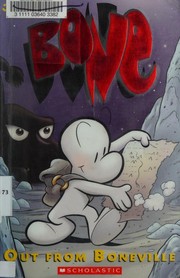
Bone, Vol. 1: Out from Boneville
Three cartoon cousins are run out of Boneville, separated by locusts, and dropped into a valley where rat creatures and an old grudge are waiting.
2,155-word summary · 10 min read
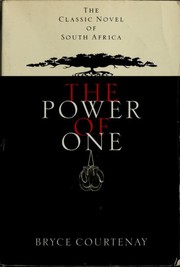
The Power of One
A boy in apartheid South Africa decides to become welterweight champion of the world, and the novel follows every mentor, fight, and loss that gets him there.
2,145-word summary · 10 min read
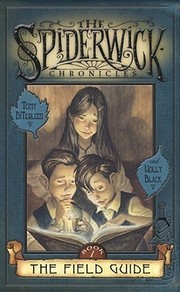
The Field Guide
Three siblings move into a creepy Maine estate, anger a brownie, and find a forbidden guide to the fairy world in the first Spiderwick book.
2,033-word summary · 9 min read

Little Town on the Prairie
In the spring after the Long Winter, fifteen-year-old Laura sews shirts, studies for a teaching certificate, and helps send her blind sister Mary to college.
2,071-word summary · 9 min read
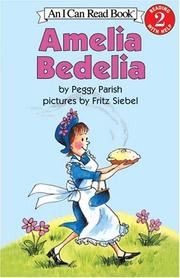
Amelia Bedelia
A literal-minded housekeeper follows her employer's list to disastrous and funny effect in the 1963 picture book that made wordplay a children's staple.
2,038-word summary · 9 min read
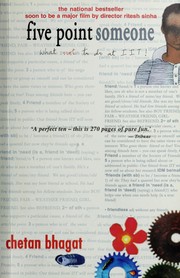
Five Point Someone: What Not to Do at IIT
Three friends at IIT drift to a five-point GPA, mock the system, and break into a professor's office for an exam paper.
2,458-word summary · 11 min read
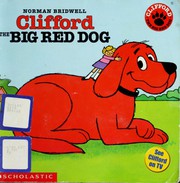
Clifford the Big Red Dog
Emily Elizabeth picks the smallest puppy in the litter, loves him as hard as she can, and wakes up to a dog the size of a house.
2,092-word summary · 9 min read
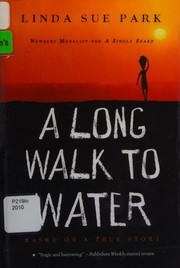
A Long Walk to Water
Two eleven-year-olds in southern Sudan, twenty-three years apart: a Dinka boy fleeing war and a Nuer girl walking hours for water, until their stories meet at…
2,217-word summary · 10 min read