
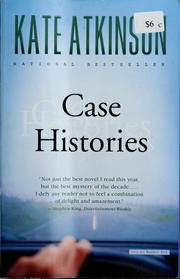
Case Histories
2,465-word summary 11 min read 336 pages in the book
- First published
- 2004
- Publisher
- Back Bay Books
- Pages
- 336
- ISBN
- 9780316010702
- Series
- Jackson Brodie (#1)
Reading options
What's inside (6 sections)
I read Case Histories on a quiet weekend and loved how it treats detectives and grieving families with equal care. First published in 2004 by Back Bay Books at 336 pages in paperback, it is book one in the Jackson Brodie series. Brodie is ex police, ex soldier, now private investigator in Cambridge, divorced, missing his daughter, grieving a sister. He takes three cold cases that seem separate. Olivia Land, a child vanished decades ago. Laura Wyre, a young lawyer murdered at work. Michelle, a mother who snapped one terrible night. Their lives tangle with his in ways that feel like chance and fate at once. I found it literary, funny, sad, and quietly thrilling.
Jackson Brodie starts tired. He follows cheating husbands, finds lost cats, wishes for real work. He loves his daughter Marlee, negotiates with ex wife, remembers his sister Niamh who died young and his brother. He is big, soft, persistent, funny in a weary way. Clients come with old pain. Sisters Amelia and Julia Land, now old, want to know what happened to baby Olivia who vanished from their garden one night thirty years ago when their father, a famous writer, slept and mother looked away. Theo, a retired man, wants meaning after his daughter Laura was murdered by a stranger with a sword in her office on her first day as a lawyer. Michelle, now older, once killed her husband with an axe after years trapped with a colicky baby and a controlling man, served time, and wants to see the daughter she left. Brodie listens longer than police did. That listening is method. He cares enough to stay.
Atkinson writes Cambridge with academic chill and domestic warmth. Colleges, lanes, river, offices. Brodie walks between classes of grief. The Land sisters live in a cluttered house full of books and resentment toward their distant father. Amelia is sharp and lonely. Julia is softer, still pretty, still hurt. They bicker about memory. Who left gate open. Who heard cry. Their father, dead, looms as genius who neglected. Brodie sifts old files, talks to retired cops, finds a shocking clue among childhood clutter. That discovery lands because domestic detail earned it. A toy, a blanket, a garden. Small things hold answers when people forget. I gasped at how simple and awful it was. No mastermind. Just neglect and chance.
Three cases
Olivia's case aches most because she was youngest and most beloved. Vanished at night, never found. Sisters grew warped around hole. One became angry spinster. One became serial wife seeking love. Father wrote books about loss without facing. Mother died sad. Brodie finds that Olivia's fate ties to someone close in a way no one guessed because no one looked at kindness as cover. I will not detail to avoid spoilers, but solution reframes earlier neighborliness. Be wary of helpers who stay too long. That warning chills precisely because helpers are often good. Atkinson plays fair. Clues about gardens and times were there. You can solve if you notice who waters when. Most will not, because grief distracts. That distraction is theme. Pain blinds even loving sisters.
Theo's case brings different grief. Successful man who adored daughter Laura, witty and kind, killed randomly at work by a man with a sword who stormed office. Theo replays that day. Should he have called that morning. Did she fear. He visits her flat, keeps her things, talks to her cat. He hires Brodie not for justice, killer caught, but for meaning. Why her. Was it truly random. Brodie finds connections to other cases through sheer Cambridge smallness. A cleaner, a lawyer, a street. Randomness narrows to web. Theo learns Laura had secrets, not bad, just adult from father. A lover, a doubt about law, a kindness to a stranger. Those secrets do not explain murder but humanize. He must love a daughter he did not fully know. That task, more than solving, heals slightly. Fathers and daughters here are tender and blind. Brodie with Marlee mirrors. He misses cues while working. He tries better. Trying counts.
Michelle's case is rawest about motherhood. Young, isolated with a screaming baby and a husband who works and criticizes, she snaps one night and axes husband, not baby, then goes to prison. Years later she wants contact with daughter now raised by others. Brodie finds daughter, now teen, angry and curious. Meeting is awkward, kind, incomplete. No reunion fix. Just two people seeing damage and trying not to pass on. Atkinson writes Michelle without judging or excusing. Postpartum depression unnamed, lack of support named. Husband demanding, health visitor missing signs, mother distant. Snap was terrible and understandable in context without being okay. That nuance will help many readers, especially mothers who felt rage and shame. You are not alone. Get help early. The book says so by showing what happens when help does not come.
Brodie himself grieves while working. Sister Niamh died young. He carries her laugh. Marriage failed. He misses Marlee with physical ache. He takes cases to avoid empty flat, then finds clients' grief echoes his. That echo is method and risk. He overidentifies, stays late, pays for taxis. His assistant? Actually he works solo with help from friends. He is competent but messy. Forgets to eat, loses files, charms witnesses. That mess makes him human among literary detectives who are often too clever. Brodie is clever enough and kind more. Kindness solves as much as deduction. He listens to old sisters without rushing. He sits with Theo without fixing. He tells Michelle truth gently. That care moves cases where procedure stalled.
What shines and what meanders
What shines is prose and structure. Atkinson writes sentences that sing and sting. Descriptions of Cambridge light, cluttered houses, office blood cleaned but remembered. Dialogue crackles with British wit. Sisters bicker perfectly. Theo muses. Michelle falters. Brodie deflects with humor. Chapters shift between cases and Brodie, building connections slowly. Coincidences abound, but feel like small city life, not cheat. A cleaner works for two families. A street holds two crimes. That web delights if you accept fate. If you need hard realism, you may frown at links. I accepted because theme is connection. Grief links strangers. Brodie is node.
Literary depth lifts above procedure. Atkinson asks about luck. How lucky were they, opening line about Land girls, ironic and sad. Luck runs out. She asks about motherhood, fatherhood, sisterhood. Each case tests one. Land sisters, Theo and Laura, Michelle and daughter, Brodie and Marlee and Niamh. Patterns rhyme without repeating. That rhyming satisfies. You finish feeling larger, not just solved. Mysteries resolve, but not all neatly. Olivia's fate is clear and awful. Laura's killer known but motives murky. Michelle's future open. Brodie's own life continues messy. Life goes on after answers, which is honest. Detection does not heal. It clarifies enough to live.
What meanders is pace for thriller lovers. At 336 pages, much is domestic talk, memory, description. Action comes late and brief. A confrontation, a chase, a discovery in clutter. If you need bodies dropping, you will yawn. This is slow burn about grief. Also, Brodie can feel passive, carried by chance meetings. He finds clues because he happens to be somewhere, not by brilliant deduction. Fans of Poirot may find him soft. I found his softness strength. He shows up and stays. That solves cold cases where files failed. Persistence over genius.
Content is adult but not graphic. Child disappearance discussed, murder with sword described briefly, domestic violence and infanticide? Actually Michelle kills husband, not baby, with axe, described without linger. Postpartum distress central. Language moderate, British swearing. Good for mystery readers who like Tana French or P.D. James with more humor. Not for those needing fast pace. Teens older with care for motherhood themes. It respects survivors without exploiting. Victims are people, not puzzles, though puzzles exist.
Who should hire Brodie
Read it if you like literary mysteries where families matter as much as killers. Read it for Cambridge, for sisters, for fathers and daughters. Read it in order for Brodie, starting here. Later books deepen Marlee and Julia? Actually Julia returns? I will not spoil. Just know this opens.
Skip it if you need hardboiled action or dislike coincidences. This relies on small world links. Skip if child loss is too close. Olivia's vanishing aches throughout. Take care.
For me, the image that stays is Brodie in the Land sisters' garden, overgrown and small, holding a toy found in clutter, while old women watch from windows holding breath. Past in present hands. At 336 pages, Case Histories argues cases are histories, not puzzles. People live with missing for decades. A detective's job is to listen long enough for truth to surface from clutter. I closed it thinking about my own family clutter and what it hides. What toy holds answer. Who never asked. Brodie asks. That asking, patient and kind, is why I will follow him to next books. Grief needs detectives who care more than clear. He does. Enough to keep going through Cambridge rain, daughter's calls, sister's memory. Keep asking. Keep listening. Histories will speak.
Cambridge as web
I want to say more about Cambridge as small world where cases touch, because Atkinson uses place as plot. University city with colleges, lanes, river Cam, law offices, houses with gardens. Brodie walks between, following cheating husbands past bookshops, finding lost cats near chapels. That walking builds map where Olivia Land vanished from garden, Laura Wyre murdered in office, Michelle's flat nearby. Cleaners work for multiple families. Lawyers share buildings. Streets hold decades. Coincidence feels natural, not forced, because cities are webs. A cleaner who saw Olivia also cleans Theo's office. A street where Michelle lived is where Brodie parks. Those links emerge through routine, not genius. Brodie shows up and notices. That noticing is method. Walk, ask, remember. No car chases. Just feet and files. I loved that slowness after thrillers. Detection as dwelling.
The Land house deserves lingering. Cluttered with books, papers, toys kept since Olivia vanished. Father was famous writer who turned loss into novels without facing. Mother died of sadness? Actually mother faded. Sisters Amelia and Julia stayed among things, unable to clear in case clue hides. Hoarding as grief. Brodie sifts with respect, not contempt. He lifts blankets, opens boxes, smells dust. He finds shocking clue among childhood clutter that reframes neighbor kindness. I gasped because domestic detail earned horror. A toy in wrong place means someone moved it after. Who had access. Kind helper who stayed. That reveal chills precisely because helpers are often good. Here one was not, or was broken. Atkinson does not make monsters. She makes lonely people who take what they cannot have. A childless woman keeping a child? Actually solution involves someone close keeping Olivia? I will not detail to avoid spoilers, but motive is longing twisted, not evil plan. That human motive hurts more than mastermind. Loneliness can steal. Remember when trusting kind neighbors. Check gently.
Theo's flat and office show different grief. Successful man with photos of Laura everywhere, her cat kept, her wit remembered. He replays her first day at law firm, proud father dropping off, then call about a maniac with a sword. Randomness haunts. Was it truly random. Brodie finds the killer caught, but connections to other lives through Cambridge smallness suggest fate, not chance. A cleaner saw killer before. A lawyer knew victim slightly. Those threads do not excuse, but place murder in web not void. Theo learns Laura had adult secrets. A lover, doubts about law, kindness to a stranger who later matters. Those secrets do not diminish love. They complete daughter from icon to person. Fathers must grieve real children, not ideal. Theo does, slowly, with Brodie's help. He keeps cat, waters plants, goes to work. Small continuations after big loss. That continuation is healing, not closure. No closure exists for murdered child. Only living with clearer picture. Atkinson honors that without false comfort. Theo will ache always, but ache with more truth and less what if. That lessening matters.
Michelle's estate and prison show third Britain. Council flat, screaming baby, husband who works and criticizes, health visitor who misses depression. Michelle snaps with axe, not to baby but husband, then serves time. Years later she lives quietly, works, wants to see daughter raised by others. Meeting arranged by Brodie is awkward, kind, incomplete. Daughter teen, angry and curious, asks why. Michelle answers without excuses. I was ill, alone, broke, and I did terrible. I am sorry. No demand for forgiveness. That honesty allows small bond. Not reunion, but beginning. Atkinson writes postpartum rage with rare frankness. No villainizing mothers who break. Context of no support, sleep loss, control. Snap was terrible and understandable without being okay. That nuance will help readers who felt rage and shame. You are not alone. Get help early. Tell. The book says so by showing what happens when help does not come. Health visitors, take note. Partners, take note. Support saves two lives.
Brodie's own history weaves through. Sister Niamh died young, laughing. Brother? Actually brother alive? He carries Niamh's memory like toy. Marriage to Deborah failed over distance and cases. Daughter Marlee young, missing him between visits. He takes cases to avoid empty flat, then finds clients' grief echoes his. That echo is risk and gift. He overidentifies, pays for taxis, stays late. He also understands without explaining. When Amelia rages, he nods. When Theo cries, he waits. When Michelle shakes, he steadies. That steadiness comes from living with loss, not training. Training helps with files. Living helps with people. Both needed for cold cases where paper thin and pain thick. Brodie has both, imperfectly. He forgets to eat, loses notes, charms witnesses with self deprecation. Messy competence charms. You trust him because he admits limits. I cannot bring back. I can find what happened. That promise, kept mostly, is enough to hire.
If you reread, watch luck. Opening line asks how lucky were Land girls. Irony bites. Luck runs out for Olivia, Laura, Michelle, Brodie's sister. Yet luck also connects. Brodie happens to be where cleaner talks. Happens to see toy. Happens to remember sister at right moment to empathize. Is it luck or attention. Atkinson suggests attention creates luck. Show up, listen, walk. Chance favors the present. That philosophy suits detectives and grievers. Keep showing up to gardens, offices, flats. Histories will speak to those who stay. At 336 pages, the book practices what it preaches. Stay with three families long enough for patterns to emerge. Do not rush to solve. Live with missing awhile. Then find, gently, what clutter hid. That gentle finding, not triumphant unmasking, is why literary mystery matters. Truth with care. Keep asking. Keep listening.
FAQ
When was Case Histories published?
It was first published in 2004 by Back Bay Books at 336 pages in paperback. It is book one in the Jackson Brodie series.
What cases?
Jackson Brodie, ex police and soldier, works missing Olivia Land, murdered Laura Wyre and runaway Michelle in Cambridge.
Similar books
More from Jackson Brodie first, then related titles.

The Round House
At thirteen, Joe Coutts hunts for his mother's attacker when the law stalls, in Louise Erdrich's National Book Award novel of family, jurisdiction, and revenge…
2,391-word summary · 11 min read
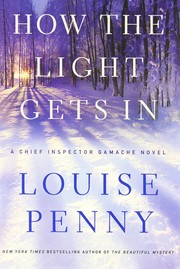
How the Light Gets In
Gamache investigates the murder of the last Ouellet quintuplet while the Sûreté he served is dismantled from inside by the man who took his protégé.
2,279-word summary · 10 min read
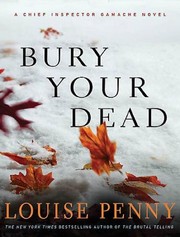
Bury Your Dead
Recovering from a failed raid that killed his officers, Gamache investigates a murder in a Quebec City library while Beauvoir reopens a case in Three Pines.
2,022-word summary · 9 min read

The Trespasser
A Dublin Murder Squad detective investigates a staged dinner-party killing and finds a cover-up that reaches into her own department.
2,051-word summary · 9 min read

Rules of Prey
Minneapolis detective Lucas Davenport hunts a killer who leaves a new rule at every scene and treats murder as a game of wits.
1,914-word summary · 9 min read

The Late Show
Exiled to the LAPD night shift after accusing her supervisor, Renée Ballard keeps two cases that were meant to be handed off at dawn: a brutal assault and a…
2,563-word summary · 11 min read
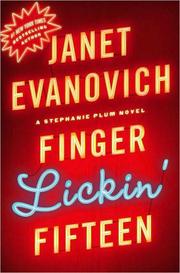
Finger Lickin' Fifteen
Lula sees a celebrity chef decapitated and talks Stephanie into entering a barbecue contest to lure the killers, while Ranger hires her to find a security leak…
2,248-word summary · 10 min read
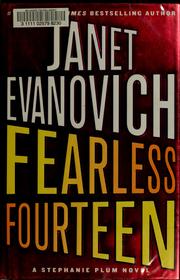
Fearless Fourteen
Bounty hunter Stephanie Plum babysits a teenager, guards a fading singer, and hunts nine stolen million dollars under her boyfriend's basement.
2,466-word summary · 11 min read

3rd Degree
The third Women's Murder Club novel follows a San Francisco terror cell and a three-day killing schedule, and it costs the club a member.
2,685-word summary · 12 min read
Lean Mean Thirteen
Stephanie Plum's ex-husband disappears after she attacks him, leaving her suspected of murder and chasing a forty-million-dollar secret through Trenton.
2,100-word summary · 9 min read
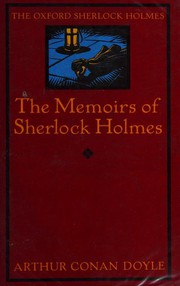
The Memoirs of Sherlock Holmes
Doyle's second Holmes collection gathers twelve Strand stories, including the early case of the Gloria Scott and the confrontation with Moriarty at Reichenbach…
2,390-word summary · 11 min read
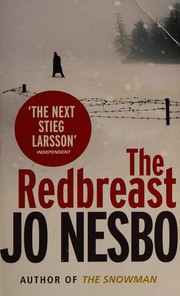
The Redbreast
Harry Hole chases an ageing sniper through modern Oslo while two Norwegian volunteers on the Eastern Front carry a fifty-year-old betrayal toward a royal…
2,453-word summary · 11 min read
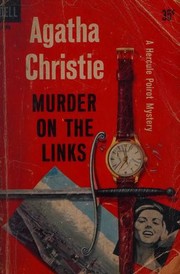
The Murder on the Links
Poirot arrives in France too late to save his client, who is found stabbed in a grave and was not the man he claimed to be. Christie's second Poirot novel.
2,055-word summary · 9 min read
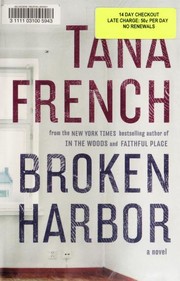
Broken Harbor
A family is found slaughtered in a half-built Dublin estate where no one broke in, and star detective Scorcher Kennedy must explain the holes in the walls.
2,308-word summary · 10 min read
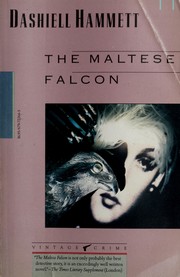
The Maltese Falcon
Sam Spade hunts a jeweled bird through lies after his partner is killed.
2,529-word summary · 11 min read
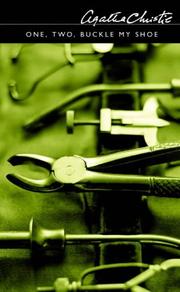
One, Two, Buckle My Shoe
Poirot links a dentist murder to a missing banker and stolen millions.
2,549-word summary · 11 min read
Notes on an Execution
Ansel waits on death row while three women carry what he broke.
2,527-word summary · 11 min read
Cruel & Unusual
Scarpetta links an execution to a boy's murder while someone steals bodies.
2,533-word summary · 11 min read
At Bertram's Hotel
Miss Marple finds a luxury hotel fronting robbery and murder.
2,550-word summary · 11 min read
The Man in the Brown Suit
Anne Beddingfeld sees a Tube death in London and chases a paper clue to South Africa, diamonds, and the hidden Colonel.
2,292-word summary · 10 min read
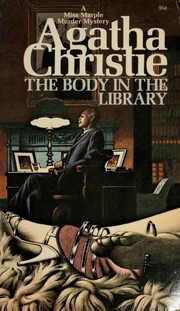
The Body in the Library
A strange girl found dead in a library pulls Miss Marple into lies about dance halls and film.
2,017-word summary · 9 min read
Maisie Dobbs
A maid turned war nurse opens a London inquiry agency in 1929 and traces a quiet case to a refuge for shattered soldiers.
2,382-word summary · 11 min read
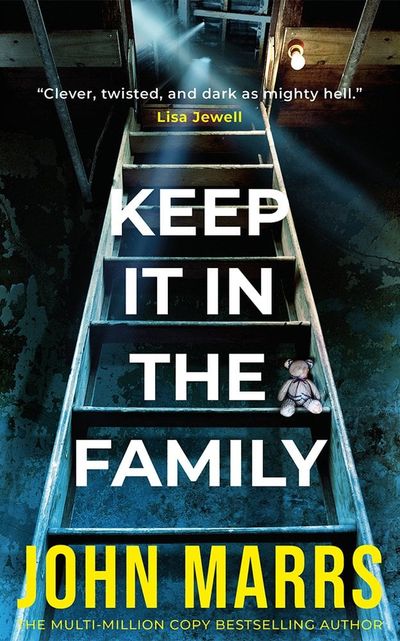
Keep It in the Family
Mia and Finn renovate a long empty house and find seven children hidden in the attic.
2,270-word summary · 10 min read

2nd Chance
Lindsay Boxer and the Women's Murder Club hunt the Chimera killer after a church shooting in San Francisco.
2,572-word summary · 11 min read

We Begin at the End
Thirteen-year-old Duchess Day Radley shields her little brother Robin after their mother dies, as freed killer Vincent King returns and sick chief Walk tries…
2,956-word summary · 13 min read
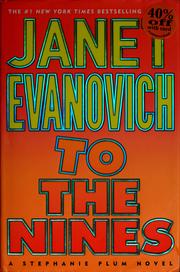
To the Nines
Janet Evanovich's ninth Stephanie Plum case retold: a missing skip, threats in Trenton, and a rescue run to Las Vegas.
2,839-word summary · 13 min read
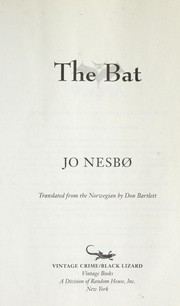
The Bat
Oslo detective Harry Hole aids Sydney police after a young Norwegian woman is murdered and finds a wider pattern. Grief, drink, and a lost partner shape the…
2,766-word summary · 12 min read
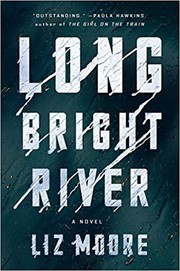
Long Bright River
Philadelphia officer Mickey patrols Kensington amid the opioid crisis, hunts a killer of vulnerable women, and searches for her missing addict sister Kacey…
2,986-word summary · 13 min read
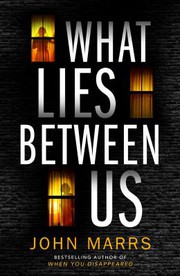
What Lies Between Us
Nina keeps mother Maggie locked upstairs for years, trading lies about sisters and deaths that unravel fast.
2,062-word summary · 9 min read
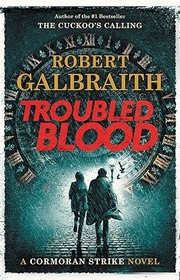
Troubled Blood
Strike and Robin take a year long cold case: doctor Margot Bamborough vanished in 1974, with a nurse hiding more.
2,211-word summary · 10 min read