
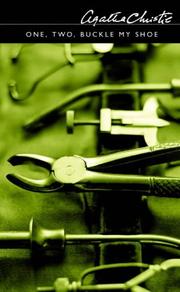
One, Two, Buckle My Shoe
2,549-word summary 11 min read 224 pages in the book
- First published
- 1940
- Publisher
- Collins Crime Club
- Pages
- 224
- ISBN
- 9780007120895
- Series
- Hercule Poirot (#23)
Reading options
What's inside (8 sections)
I came to this one through my teeth, in a way. I had a filling replaced last spring and spent an hour staring at a ceiling tile while a dentist hummed, and on the bus home I thought about how helpless that chair makes you. Mouth open, eyes half closed, trusting a stranger with sharp tools. So when a friend said Christie once opened a Poirot with a dentist appointment, I pulled it down the same week. Agatha Christie first published it with Collins Crime Club in November 1940, a 256 page first hardback, and in America it appeared as The Patriotic Murders. This post cites the 224 page HarperCollins edition with ISBN 9780007120895. It is listed here as book 23 in the Hercule Poirot series, and it is the last book to feature Chief Inspector Japp. Each chapter takes its heading from a line of the old counting rhyme, which sounds playful until you see what Christie does with it. If you have not read it, know this retelling gives away the murderer and the method, because the method is the whole fascination.
Poirot does not want to be at the dentist at all, which is the first honest thing in the book. He goes to Henry Morley on Harley Street for ordinary treatment and finds the practice slightly off balance. Morley is competent and liked, but his secretary Gladys Nevill is missing, called away by a telegram, and the page boy Alfred Biggs is trying to cover work he barely understands. Morley grumbles about Gladys and her young man Frank Carter, whom he dislikes, and Poirot files that away the way he files everything, without seeming to. Treatment done, Poirot steps out and nearly collides with a woman getting out of a taxi. She is Mabelle Sainsbury Seale, a former actress, talkative and warm, and she drops a shoe buckle on the pavement. Poirot picks it up and hands it back. It is a small courtesy that later turns into evidence, though neither of them knows it yet.
That same day Japp calls with news that sits wrong from the start. Morley has been found dead in his surgery, shot through the head, a pistol in his hand. Between Poirot leaving and the body being found, Morley saw three patients. Mabelle Sainsbury Seale came and went. Alistair Blunt, the famous banker, came and went, the kind of man whose name appears in newspapers whenever money or government wobbles. A heavy Greek gentleman named Amberiotis came and went. A fourth man, Howard Raikes, a young American with fierce left wing views, walked out without being seen because Morley partner Dr Reilly could not take him either. Raikes is courting Jane Olivera, who is Blunt great niece by marriage, and he makes no secret of despising everything Blunt stands for. So the waiting room that morning held an actress, a financier, a stranger, and a young radical. Then the dentist died.
A suicide that behaves like murder
The surgery scene looks plain. Morley sits slumped, blood at the temple, the gun resting where a suicide gun would rest. Nobody in the house heard much, or what they heard they explain. Georgina Morley, the dentist sister who keeps house upstairs, is shocked into vagueness. The maid Agnes Fletcher remembers a man on the back stairs. The page remembers buzzes and doors. Then comes the second death, and the plain scene cracks open. Amberiotis is found dead the same day from an overdose of anaesthetic, far more than any careful dentist would inject. The police join the two facts with a straight line. Morley made a terrible mistake with the needle, realized what he had done when Amberiotis died, and shot himself in shame. It is neat. It explains everything. Poirot dislikes it at once.
His reasons accumulate instead of arriving in one flash. A man as careful as Morley does not flood a gum with that much drug. A suicide leaves a different feeling in a room, Poirot insists, and this room feels arranged. Then Gladys returns and says the telegram that pulled her away was a lie. Nobody she knows sent it, and the errand at the other end did not exist. Someone wanted the one person who knew every regular patient by sight out of the office that morning. Morley had assumed Gladys boyfriend Frank Carter sent it, out of spite or to get her alone, and Carter is exactly the sort of sullen young man the police like to hold. He has a temper. He hangs around the building. Agnes says she saw him on the back stairs near the fatal hour. Carter denies everything about the telegram and the killing, but his denials sound like guilt to tired ears.
Mabelle Sainsbury Seale makes things stranger by vanishing. She speaks to the police, seems helpful, and then simply is not where she said she would be. Her rooms stand empty. Letters go unanswered. For a missing witness in a murder case that is bad. For Poirot it is a pattern he has seen before. People who vanish are either frightened, guilty, or dead, and the longer the silence lasts the more he fears the third. He keeps returning in his mind to small physical facts nobody else values. The buckle he picked up. The shoes Mabelle wore. The way people move on stairs when they think nobody watches. He asks Japp for time and gets it, because Japp trusts him even when the Yard has a tidy theory it prefers.
The flat with the dull buckles
About a month passes in the book, which is unusual for Christie and gives the middle a heavy weather feel. Then a charwoman finds a body in a flat taken under the name Mrs Sylvia Chapman. The corpse is badly disfigured, burned enough to defeat a face to face identification, and dressed in clothes of Mabelle sort. The shoes, though, catch Poirot attention at once. Their buckles are dull and lifeless where Mabelle shoes had shone, and the feet inside them seem wrong for the shoes in a way he cannot yet phrase. Clothes can be copied. Shoes tell on their wearer. The police assume the dead woman is Mabelle, killed by someone connected to the dentist business, and that the real Mrs Chapman has fled. Dental records reverse the whole picture. The dead woman is Mrs Chapman herself, or rather the woman who rented the flat as Mrs Chapman. So where is Mabelle?
Christie handles this stretch with unusual patience. Poirot interviews dentists about records, and the dull work of comparing charts turns out to matter more than any chase. Somebody switched two sets of dental charts, Mabelle against Chapman, so that a dead stranger would be read as a missing witness. That takes access, nerve, and knowledge of where such records sleep. It also takes a reason to want Mabelle dead a full month before anyone admits she is gone. I found these chapters slower than the opening, and I admired them anyway, because Christie shows her working in plain view. She is saying the killer thinks in paper. Follow the paper and the body will explain itself.
While the paper is being followed, Blunt steps forward and invites Poirot to his country house. It is a gracious move from a busy man, and Poirot accepts because powerful men who volunteer time usually want something. At the house Poirot meets Helen Montressor, presented as Blunt cousin, cool and watchful, and Jane Olivera, the blunt mannered niece caught between her great uncle money and Howard Raikes fierce courtship. Raikes argues with Blunt at table about banks and nations and who owns whom, and Jane watches Raikes with the bright attention of a young woman deciding how much trouble love is worth. Mr Barnes, a retired Home Office patient of Dr Reilly, supplies agreeable talk about politics and keeps appearing where useful talk happens. The weekend feels civilized. Then someone fires a shot at Blunt on his own grounds, and the civilized feeling burns off.
The gardener with the gun
The man found holding the gun is Frank Carter. He has taken work as an assistant gardener on Blunt estate, which looks damning, and Raikes is the one who finds him standing with the weapon after the shot. The pistol is the same make as the gun that killed Morley, a point the police lift high. Agnes Fletcher testimony about the back stairs returns in heavier form. Carter was near Morley surgery. Carter hated Morley, or Morley snubbed him, depending on who tells it. Carter now stalks Blunt grounds with a gun, and the police think the ladder has three easy rungs.
He gets Carter alone until the young man stops posturing. Carter admits he went to Morley rooms to confront the dentist about Gladys. On the back stairs he passed two people leaving, and when he entered the surgery Morley was already dead, so he panicked and ran. As for the estate gun, Carter says he heard the shot, found the pistol in the shrubbery where he was trimming the hedge, and stood holding it when Raikes arrived. He never fired at anyone. Poirot believes him, because the details fit better than the police version. Somebody needed a young man with a grievance near guns at useful moments.
Poirot tests Carter memory of the two people on the stairs. Carter remembers little, a shoulder, a step, people who belonged there and drew no attention. The back stairs serve regular patients leaving after treatment, so two more figures would raise no alarm. If Carter shouts and loiters, the police do the arithmetic themselves.
What the teeth records were hiding
The solution, when Poirot lays it out, is one of Christie boldest mechanical plots, and it needs telling slowly. Blunt cousin Helen is no cousin. She is Gerda Grant, Blunt first wife, married to him in secret years ago when both moved through a repertory theatre company in India where Mabelle Sainsbury Seale also played. The real Helen died long before. Blunt never divorced Gerda before marrying the wealthy Rebecca Arnholt, a woman twenty years his senior whose fortune lifted him into real power. If the first marriage came to light, Blunt would stand exposed as a bigamist, lose the Arnholt money, and fall from the councils where his word steadies markets. A hidden wife and stolen millions, not politics, drive everything.
Mabelle did not know any of this when she recognized her old friend husband across years and greeted Blunt with innocent pleasure. She mentioned the meeting to a casual acquaintance, Amberiotis, who understood at once what Mabelle herself had missed. Amberiotis saw money in the secret and wrote to Blunt to demand it. Blackmail set the clock running. Blunt and Gerda planned with cold thoroughness. First they decoyed Gladys away with the false telegram, because Gladys knew every patient by face and would have spotted a strange Mabelle at once. Then Gerda, who had already befriended Mabelle and lured her to a flat taken in the name Mrs Chapman, poisoned her there. That is the body found weeks later. Gerda took Mabelle clothes and manner and walked into Morley waiting room as Mabelle, safe because the one person who could have unmasked her was miles away on a fool errand.
Inside the surgery the plan ran like clockwork. Morley treated Blunt teeth first. Then Blunt shot him, hid the body in a side room, and took his place in the dentist coat. Gerda, as Mabelle, entered next, and together they swapped the Mabelle and Chapman dental charts so a later corpse would mislead. Gerda left by the back stairs like any patient. Then came Amberiotis, who had never met either man face to face. Blunt injected the overdose, let him walk out to die elsewhere, moved Morley body back, arranged the pistol for suicide, and left the same way. That is the whole morning.
The shoes give it away, and I love this clue because it is so physically honest. Gerda could act Mabelle voice and chatter, but she could not fit into Mabelle shoes. Mabelle feet were larger. So Gerda wore a new pair of her own size for the impersonation and left Mabelle own old shoes on the murdered woman in the Chapman flat. Poirot had noticed Mabelle shoes flash when he returned the buckle, and the dull buckles on the corpse did not match his memory. Once he saw the mismatch, the chart swap and the telegram fell into line.
A public crime to hide a private one
Even that was not enough for Blunt. He needed the police and the papers to look at politics instead of marriage, so he built a loud public crime to smother the quiet private one. The estate pistol was rigged to fire when Carter began trimming that stretch of hedge, placing the sullen gardener with a smoking gun near a great man. Talk of assassins would follow, and nobody would ask about a theatre company in India or a flat rented by a Mrs Chapman. The irony is sharp: the supposed guardian of order murdered his dentist to protect a fortune.
The closing confrontation is one of Christie most direct moral scenes. Blunt tells Poirot plainly that his work steadies the country, that markets and ministries lean on him, that one banker matters more than a dentist and a blackmailer and a forgotten actress. He expects Poirot to weigh lives like accounts and let him walk. Poirot refuses, though he admits Blunt policies serve England better than Raikes wild hopes. Three people are dead by Blunt hand and Gerda hand, and usefulness does not pay that debt. Japp makes the arrests, solid to the last, and Poirot tells Raikes and Jane Olivera to live generously, with freedom and pity.
I should be honest about where the book strains. The impersonation demands a great deal of luck: Amberiotis must never have seen Morley, Gladys must stay away all morning, Carter must arrive late enough to miss the killing but early enough to glimpse the killers. Punshon, reviewing in 1940, complained the plot was more ingenious than probable, and he had a point. The wartime political talk now reads as stiff, with Raikes and Carter drawn more as positions than people. Still, the shoe clue is first rate, Gerda chills me more than most Christie villains, and the final refusal, justice over stability, gives the cleverness weight.
Why the rhyme matters
The nursery rhyme is not decoration. One, two, buckle my shoe runs through the chapters like a counting game, and Christie uses its plain rhythm against the elaborate lying. Pick up sticks. Lay them straight. That is Poirot work in miniature, gathering small dropped things, a buckle, a telegram, a shoe size, and setting them in order until they point one way. The American titles, The Patriotic Murders and later An Overdose of Death, push the politics and the dentist chair, but the English title is better. People forge charts and stage suicides, but shoes keep their size. I closed the book thinking about that pavement outside Harley Street, Poirot bending to return a bright buckle to a woman already marked for death.
FAQ
When was One, Two, Buckle My Shoe published?
It was first published in November 1940 by Collins Crime Club in a 256-page first edition. This post cites the 224-page HarperCollins edition with ISBN 9780007120895.
Is it part of a series?
Yes, it is listed here as book 23 in the Hercule Poirot series, after Sad Cypress and before Evil Under the Sun. It is also Chief Inspector Japp's final appearance.
Who killed Mr Morley the dentist?
Banker Alistair Blunt shot Morley, posed as him, and was helped by his secret first wife Gerda, who impersonated patient Mabelle Sainsbury Seale to clear the way.
Similar books
More from Hercule Poirot first, then related titles.
The Mysterious Affair at Styles
Hastings reunites with refugee Poirot at Styles Court after Emily Inglethorp is poisoned in her locked room.
2,856-word summary · 13 min read
The Murder on the Links
Poirot arrives in France too late to save his client, who is found stabbed in a grave and was not the man he claimed to be. Christie's second Poirot novel.
2,055-word summary · 9 min read
The Murder of Roger Ackroyd
Retired Poirot probes a locked study murder in King's Abbot, told by the village doctor.
3,582-word summary · 16 min read
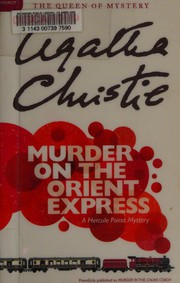
Murder on the Orient Express
Poirot is trapped by snow with thirteen strangers after an American is found stabbed in his berth.
2,004-word summary · 9 min read
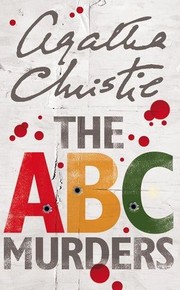
The ABC Murders
Poirot and Hastings chase a killer who leaves an ABC railway guide near victims in Andover, Bexhill, and Churston. A salesman looks guilty, but publicity hides…
3,302-word summary · 15 min read
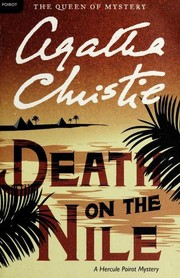
Death on the Nile
Poirot takes a Nile cruise where a young heiress is shot dead in her cabin.
4,077-word summary · 18 min read
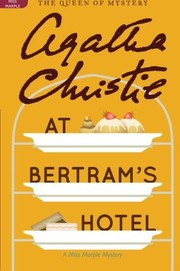
At Bertram's Hotel
Miss Marple finds a luxury hotel fronting robbery and murder.
2,550-word summary · 11 min read
The Man in the Brown Suit
Anne Beddingfeld sees a Tube death in London and chases a paper clue to South Africa, diamonds, and the hidden Colonel.
2,292-word summary · 10 min read
The Body in the Library
A strange girl found dead in a library pulls Miss Marple into lies about dance halls and film.
2,017-word summary · 9 min read
How the Light Gets In
Gamache investigates the murder of the last Ouellet quintuplet while the Sûreté he served is dismantled from inside by the man who took his protégé.
2,279-word summary · 10 min read
Bury Your Dead
Recovering from a failed raid that killed his officers, Gamache investigates a murder in a Quebec City library while Beauvoir reopens a case in Three Pines.
2,022-word summary · 9 min read
The Trespasser
A Dublin Murder Squad detective investigates a staged dinner-party killing and finds a cover-up that reaches into her own department.
2,051-word summary · 9 min read

Rules of Prey
Minneapolis detective Lucas Davenport hunts a killer who leaves a new rule at every scene and treats murder as a game of wits.
1,914-word summary · 9 min read
The Late Show
Exiled to the LAPD night shift after accusing her supervisor, Renée Ballard keeps two cases that were meant to be handed off at dawn: a brutal assault and a…
2,563-word summary · 11 min read
Finger Lickin' Fifteen
Lula sees a celebrity chef decapitated and talks Stephanie into entering a barbecue contest to lure the killers, while Ranger hires her to find a security leak…
2,248-word summary · 10 min read
Fearless Fourteen
Bounty hunter Stephanie Plum babysits a teenager, guards a fading singer, and hunts nine stolen million dollars under her boyfriend's basement.
2,466-word summary · 11 min read

3rd Degree
The third Women's Murder Club novel follows a San Francisco terror cell and a three-day killing schedule, and it costs the club a member.
2,685-word summary · 12 min read
Lean Mean Thirteen
Stephanie Plum's ex-husband disappears after she attacks him, leaving her suspected of murder and chasing a forty-million-dollar secret through Trenton.
2,100-word summary · 9 min read
The Memoirs of Sherlock Holmes
Doyle's second Holmes collection gathers twelve Strand stories, including the early case of the Gloria Scott and the confrontation with Moriarty at Reichenbach…
2,390-word summary · 11 min read
The Redbreast
Harry Hole chases an ageing sniper through modern Oslo while two Norwegian volunteers on the Eastern Front carry a fifty-year-old betrayal toward a royal…
2,453-word summary · 11 min read
Broken Harbor
A family is found slaughtered in a half-built Dublin estate where no one broke in, and star detective Scorcher Kennedy must explain the holes in the walls.
2,308-word summary · 10 min read
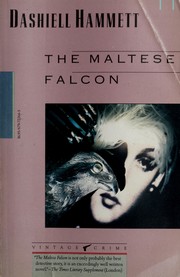
The Maltese Falcon
Sam Spade hunts a jeweled bird through lies after his partner is killed.
2,529-word summary · 11 min read
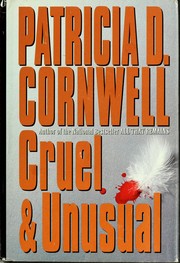
Cruel & Unusual
Scarpetta links an execution to a boy's murder while someone steals bodies.
2,533-word summary · 11 min read
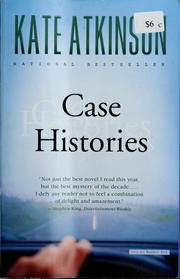
Case Histories
A Cambridge PI takes three cold cases that tangle with his own loss.
2,465-word summary · 11 min read
Maisie Dobbs
A maid turned war nurse opens a London inquiry agency in 1929 and traces a quiet case to a refuge for shattered soldiers.
2,382-word summary · 11 min read

2nd Chance
Lindsay Boxer and the Women's Murder Club hunt the Chimera killer after a church shooting in San Francisco.
2,572-word summary · 11 min read
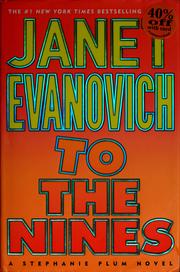
To the Nines
Janet Evanovich's ninth Stephanie Plum case retold: a missing skip, threats in Trenton, and a rescue run to Las Vegas.
2,839-word summary · 13 min read
The Bat
Oslo detective Harry Hole aids Sydney police after a young Norwegian woman is murdered and finds a wider pattern. Grief, drink, and a lost partner shape the…
2,766-word summary · 12 min read
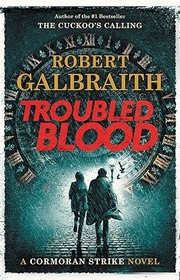
Troubled Blood
Strike and Robin take a year long cold case: doctor Margot Bamborough vanished in 1974, with a nurse hiding more.
2,211-word summary · 10 min read
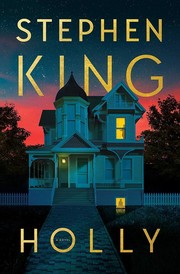
Holly
Grieving detective Holly Gibney takes a missing-girl case in 2021 and traces it to two polite retired professors with a basement secret.
2,607-word summary · 12 min read