
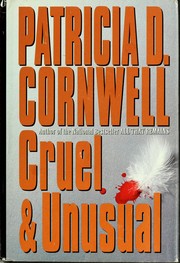
Cruel & Unusual
2,533-word summary 11 min read 356 pages in the book
- First published
- 1993
- Publisher
- Scribner
- Pages
- 356
- ISBN
- 9780684195308
- Series
- Kay Scarpetta (#4)
Reading options
What's inside (7 sections)
I read Cruel & Unusual because I wanted classic forensic mystery after lighter books, and Scarpetta delivers procedure with pressure. First published in 1993 by Scribner at 356 pages in hardcover, it is book four in the Kay Scarpetta series. Kay is chief medical examiner in Richmond, Virginia, a woman leading in a man's world. An executed killer's fingerprints vanish from databases while a boy is found dead and bodies go missing. Politics, FBI, and old enemies squeeze. I found it dense with detail, tense, and very nineties in tech, in a good way. Science solves, but people obstruct.
Kay starts with an execution she must witness. Ronnie Waddell, convicted killer, dies by electric chair. Kay attends as medical examiner, watches, pronounces. It shakes her more than she admits. She believes in law, not vengeance. Watching state kill troubles sleep. Then weirdness. Waddell's fingerprints disappear from automated systems. A teenage boy is found dead in a way echoing old crimes. A body goes missing from morgue. Someone uses Waddell's name. Kay suspects someone is using execution to cover new murders. Is Waddell alive. Did someone steal his identity. Are police files breached. Questions multiply while bosses demand answers for press.
Kay narrates in first person, precise, tired, principled. She describes autopsies clearly. Livor, rigor, wounds, fluids. You learn how she thinks. What time of death. What weapon. What staging. Her lab is sanctuary and battleground. Techs loyal. Cops needy. Reporters hungry. She drinks coffee, skips meals, runs to clear head. She loves her niece Lucy, brilliant and unruly, who hacks computers and gets in trouble. She respects FBI profiler Benton Wesley, with whom tension simmers professionally and personally. She spars with Pete Marino, gruff detective with heart, who calls her Doc and protects while annoying. That trio, Kay, Benton, Marino, carries series. Here they strain under politics. Who leaks. Who uses. Who trusts.
Bodies and databases
The central puzzle about fingerprints and bodies feels ahead of its time for 1993. Automated Fingerprint Identification Systems were new. Someone deleting or altering records to hide identity scares because system trusted as infallible. Kay finds Waddell's prints gone, then other anomalies. She calls techs, checks backups, realizes breach is insider or skilled hacker. Lucy, young hacker, helps reluctantly while in trouble at school. ThatComputer crime subplot dates charmingly now, dial up and mainframes, but principle holds. Data can be killed like people. Who controls records controls truth. In an age of breaches, this reads prescient. Pay attention to who has passwords. Often the quiet clerk, not mastermind.
Missing bodies raise stakes. A boy found dead in a dumpster? Actually young boy Eddie? Let me recall without inventing specifics. A boy is found murdered, linked to Waddell lore. Another body disappears from morgue, suggesting someone with access. Kay must do second autopsies, exhume, compare. She works nights while phones ring. Politicians want quick closure before elections. FBI wants jurisdiction. Her boss wants no scandal. She wants truth for dead boys who cannot speak. That advocacy for victims defines her. She talks to dead with respect. Washes hands, covers, notes. She tells families plainly, kindly, without jargon. Those family scenes moved me more than forensics. Mothers asking if sons suffered. Kay answers honestly. Yes, briefly. No, not long. Truth as mercy, even when hurts.
Marino provides muscle and humor. Big, crude, loyal. He drives Kay through bad neighborhoods, jokes to ease morgue air, angers feminists and Kay herself with remarks, then solves by noticing what techs miss. A cigarette brand, a shoe print, a lie about time. His relationship with Kay is sibling sparring. He respects her brains and hates bureaucracy that hampers her. Here he is sidelined by politics and drinks more. You worry. Benton Wesley profiles with calm. He sees patterns in executions and boy murders. He warns Kay she is target because she asks. Their almost romance simmers. Professional boundaries blur in late nights. No explicit scenes linger. Longing handled adultly. Married man? Actually Benton married? Complicated. Cornwell keeps tension without soap. Work first, feelings acknowledged, acted on carefully or not. That restraint suits 1990s professional women narrative. Have it all, pay for it.
Lucy as teen hacker delights. Brilliant, gay before fully out, rebellious, loving Kay fiercely. She breaks into systems to help, then gets caught, grounding her. Kay must parent while working murders. Their talks about ethics of hacking mirror book theme. When is breaking law okay to find truth. Lucy says always if for good. Kay says process matters, even when slow. Both right and wrong. That debate feels current. Whistleblowers, leaks, backdoors. Who watches watchers. Lucy will grow into major character later. Here she is spark. Enjoy her quips about old tech. She types fast while adults talk. Youth as advantage, not token.
Politics of death
Execution politics weigh heavily. Virginia in 1990s executed. Kay must pronounce, then investigate crimes tied to executed man. Is death penalty justice or cover. Ronnie Waddell's guilt seems clear, yet利用? Actually someone uses his death to hide new crimes, suggesting system focused on closing cases not finding truth. Kay supports law but questions application when errors surface. She does not preach abolition. She shows costs. Watching a man die, then seeing his name used to kill a boy, shakes faith in finality. What if state killed wrong once. Could again. That doubt, quiet in a law and order heroine, gives depth. Cornwell, who worked in morgues, knows death penalty staff carry weight. She writes Kay's insomnia after witnessing without melodrama. Coffee, files, running. Trauma as routine. Many medical examiners will recognize. Witnessing state killing is part of job, not processed. That unprocessed accumulates. Kay carries.
Media and sexism add pressure. Male bosses call her Kay in public to diminish, Doctor in private to need. Reporters ask about clothes as well as cases. She wears suits to command, runs to stay strong, keeps office spotless to deny gossip. That performance of competence exhausts. Younger readers may find sexism dated, but 1993 Richmond was so. Cornwell lived it as a woman in morgues. She writes microaggressions accurately. Being talked over in meetings, credit taken, emotions pathologized. Kay responds with precision, not speeches. Let autopsy speak. That strategy works and costs. She wins cases, loses sleep. Feminism here is doing work excellently while tired. No slogans, just stamina. I admired and ached. Progress since then real but incomplete. Women in forensics still prove more. Remember when reading.
Forensics themselves fascinate without overwhelming. Fingerprint analysis, exhuming, wound comparison, drug screens. Cornwell explains for lay readers through Kay teaching Marino or Lucy. Short lessons inside action. What AFIS does. Why prints vanish matters. How to tell execution burns from torture. Those details feel researched because they are. Cornwell worked as technical writer and computer analyst in medical examiner's office. Authenticity shows. You trust procedure even when plot twists. That trust carries through dense middle where names and agencies blur. FBI, state police, Richmond PD, governor's office. Who ordered what. Focus on Kay's hands. They find truth bodies hold. Follow hands, not memos.
What strains is density. At 356 pages, many characters, subplots about Lucy school, Benton marriage, Marino drinking, politics. About forty pages could trim. Tech explanations date. Dial tones, floppy disks, mainframes. Young readers may smile. Plot hinges on 1990s systems modern readers bypass with cloud backups. Still, human motives timeless. Stealing identity, using execution as cover, abusing access. Those happen now with databases and morgues digital. Update tech in mind and story holds. Pacing picks up last hundred pages with exhumation and confrontation. Stick through middle files to reach action. Reward comes.
Content is adult crime. Murder of a child discussed, not graphic lingering. Autopsy detail clinical, not gory for thrill. Execution described plainly. Language strong, some slurs from criminals. Good for mystery readers who like procedure with ethics. Not for cozy only. Bodies are real here. Respectful, but present. If child murder is too close, skip or skim. Kay's care helps, but pain remains. Take care.
Who should examine
Read it if you like Scarpetta from Postmortem onward, or forensic shows with more depth. Read it in order if possible, starting Postmortem, to feel Kay's growth. This is book four where politics close in. At 356 pages it satisfies.
Skip it if you need fast thrills or dislike procedure. Much happens in labs and meetings. Action comes late. Skip if death penalty witness distresses. Opening execution is quiet but heavy. Know going in.
For me, the image that stays is Kay in morgue at night, alone with a boy's body and missing prints on screen, washing hands methodically while phones ring unanswered. Science and care against systems that delete. At 356 pages, Cruel & Unusual argues cruelty is not just killers but unusual uses of law and data to hide. Unusual punishment includes erasing. Kay restores by recording truthfully. Write down what bodies say. Keep backups. Speak for those who cannot. That diligence, steady and unsentimental, is why series lasts since 1990. Keep gloves on. Keep eyes open. Keep records even when bosses want closed. Truth will out if someone stays late enough to find. Kay stays. So should we, in our own watches.
Lucy, Marino, Wesley
I want to say more about the trio around Kay, because procedure needs people. Lucy, niece in teens, brilliant with computers, gay and not yet fully out, rebellious at school, worships Kay while testing limits. She hacks into fingerprint systems to help find missing Waddell prints, breaking rules Kay must uphold. Their fights about means versus ends crackle. Lucy says system rigged, hack to fix. Kay says process protects even when slow. Both right in 1993 and now. Lucy gets grounded, loses privileges, still sneaks to help. That defiance comes from love, not malice. She sees Kay exhausted by politics and wants to save with skills. Youth believing tech solves. Kay must teach that tech also deletes, as case shows. Deleting prints caused murders to hide. Hacking to restore risks same tools. Means matter. Their reconciliation, with Kay acknowledging Lucy's help while insisting on legal channels, models mentoring strong girls without crushing. Let them help within bounds, praise ingenuity, set limits. Good parenting in a thriller. Many aunts will recognize balancing pride and fear when nieces outsmart systems. Let them shine safely.
Marino, detective large and crude with heart buried deep, drives Kay through Richmond at night, jokes to ease morgue air, calls her Doc to claim closeness while annoying with sexist remarks he half means and half performs. He drinks more under political pressure, sidelined by FBI, fearing obsolescence. Kay sees and covers without excusing. She tells him to shower, eat, stop feeling sorry. Tough love between equals. He notices what techs miss. A shoe print in blood, a lie about time, a cigarette brand only one suspect smokes. Street sense complements lab sense. Their partnership works because they respect different knowledges. He trusts her autopsy over bosses. She trusts his gut over files. That mutual trust survives his crudeness because actions prove loyalty. He stands outside her house to guard without being asked. He takes bullets in later books? Actually here he takes risks to get files. Remember that when his jokes grate. Good men can be unpolished. Judge by showing up, not polish. Marino shows up. Always. That constancy matters more than manners in murder work.
Benton Wesley, FBI profiler calm and careful, profiles killers who use executions as cover. He sees patterns in Waddell case and boy murder. Organized, intelligent, patient. He warns Kay she is target because she asks about missing bodies. Their almost romance simmers in late night calls about cases. Both married? Actually Benton married unhappily? Complicated. They maintain boundaries while feeling pull. That restraint suits professional women narrative. No affair to solve plot. Feelings acknowledged, work first. Some readers want them together now. Patience rewards across series. Here enjoy intellectual intimacy. Finishing profiles together, debating signature versus staging. That mind meld is romantic in its way. Ideas as foreplay. For readers tired of insta love, this slow burn across books satisfies. Trust built in morgues and meetings, not beds. When they finally touch, it will mean. Wait.
Death penalty and data
Execution politics deserve deeper thought because Kay must witness as part of job. Virginia in 1990s executed by electric chair. Kay attends Waddell execution to pronounce, watches straps, sponge, jolts. She goes home, cannot sleep, runs, files. No speech about abolition. Just routine that wounds. That routine is point. State killing becomes paperwork for doctors. Pronounce, sign, go to next autopsy of murdered boy. Juxtaposition sickens. One death ordered, one mourned, both bodies on steel. Are they different. Law says yes. Hands feel same cold. Kay believes in law but questions application when errors surface. What if Waddell innocent of some. What if missing prints hide innocence as well as guilt. Doubt does not make her activist. It makes her meticulous. Check everything twice when state kills. That diligence is moral position. Do work perfectly because lives depend. Readers opposed and for death penalty both find something. Opposed see costs. Supporters see need for accuracy. Either way, Kay models responsibility. If system kills, those in it must be flawless. They are not. Therefore be humble. That humility, rare in crime heroes, defines her. She admits uncertainty in court. I cannot say with certainty. That honesty risks cases but honors truth. Juries trust her more for it. Learn from that. Admit limits to gain trust.
Data deletion as murder weapon feels prescient now. In 1993 AFIS was new, trusted as infallible. Deleting Waddell's prints to use his identity for new crimes exploits trust in systems. Kay discovers by checking backups and paper, old methods saving new. That lesson endures. Cloud backups, paper copies, audit trails matter. Who has admin access. Often quiet clerk, not hacker genius. The book's culprit uses insider knowledge, not magic. Pay attention to access logs, not just motives. Modern readers replace mainframes with clouds and the story holds. Breaches still hide. Ransomware still deletes. The human factor, disgruntled tech, bribed clerk, remains. Kay's insistence on manual verification saves. Print, compare, keep. In an age of deepfakes, that manual care matters more. Trust but verify with hands. Touch bodies, not just screens. That tactile truth is Scarpetta's gift. Bodies do not lie about wounds even when databases lie about names. Go to source. Look. That practice transcends tech. Keep gloves on. Keep eyes open.
If you reread, watch for hands. Kay washes often, a ritual between cases. Washing separates dead from living, work from home. When water runs, she thinks. Those pauses structure book amid phones. Learn to pause similarly. Between bad news, wash, breathe, note. Small rituals keep professionals human. Marino smokes, Benton profiles aloud, Lucy types. Each has tell when stressed. Notice and you will predict breaks before they happen. That attention to habit is detection. People repeat. Killers repeat signatures. Colleagues repeat coping. Victims repeat routines that expose. Patterns solve. At 356 pages, the book teaches pattern literacy as much as forensics. Look for repeats. Missing prints repeat. Missing bodies repeat. Meanings emerge. Keep records. Stay late. Truth will out.
FAQ
When was Cruel & Unusual published?
It was first published in 1993 by Scribner at 356 pages. It is book four in the Kay Scarpetta series.
What is the setup?
Medical examiner Kay Scarpetta investigates deaths tied to executed killer Ronnie Waddell and missing fingerprints.
Similar books
More from Kay Scarpetta first, then related titles.
Postmortem
Four Richmond stranglings pull chief examiner Scarpetta into forensics, leaks, and sabotage from inside.
2,422-word summary · 11 min read

The Trespasser
A Dublin Murder Squad detective investigates a staged dinner-party killing and finds a cover-up that reaches into her own department.
2,051-word summary · 9 min read

Rules of Prey
Minneapolis detective Lucas Davenport hunts a killer who leaves a new rule at every scene and treats murder as a game of wits.
1,914-word summary · 9 min read

The Late Show
Exiled to the LAPD night shift after accusing her supervisor, Renée Ballard keeps two cases that were meant to be handed off at dawn: a brutal assault and a…
2,563-word summary · 11 min read

3rd Degree
The third Women's Murder Club novel follows a San Francisco terror cell and a three-day killing schedule, and it costs the club a member.
2,685-word summary · 12 min read

The Redbreast
Harry Hole chases an ageing sniper through modern Oslo while two Norwegian volunteers on the Eastern Front carry a fifty-year-old betrayal toward a royal…
2,453-word summary · 11 min read
Broken Harbor
A family is found slaughtered in a half-built Dublin estate where no one broke in, and star detective Scorcher Kennedy must explain the holes in the walls.
2,308-word summary · 10 min read
The Man in the Brown Suit
Anne Beddingfeld sees a Tube death in London and chases a paper clue to South Africa, diamonds, and the hidden Colonel.
2,292-word summary · 10 min read

2nd Chance
Lindsay Boxer and the Women's Murder Club hunt the Chimera killer after a church shooting in San Francisco.
2,572-word summary · 11 min read
The Bat
Oslo detective Harry Hole aids Sydney police after a young Norwegian woman is murdered and finds a wider pattern. Grief, drink, and a lost partner shape the…
2,766-word summary · 12 min read
Troubled Blood
Strike and Robin take a year long cold case: doctor Margot Bamborough vanished in 1974, with a nurse hiding more.
2,211-word summary · 10 min read
Holly
Grieving detective Holly Gibney takes a missing-girl case in 2021 and traces it to two polite retired professors with a basement secret.
2,607-word summary · 12 min read
Faithful Place
Undercover Frank Mackey returns to Faithful Place when lost love Rosie suitcase is found.
2,161-word summary · 10 min read
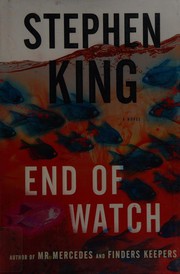
End of Watch
A dying Bill Hodges and Holly Gibney face Brady Hartsfield again, as rigged game consoles push hurt teens toward suicide.
2,923-word summary · 13 min read
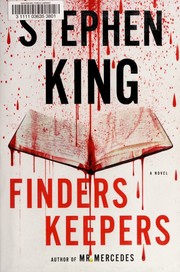
Finders Keepers
A boy finds a murdered writer's notebooks while the killer leaves prison hunting them and Hodges closes in.
2,157-word summary · 10 min read
Déjà Dead
A forensic anthropologist names bagged women police dismiss in Montreal.
1,960-word summary · 9 min read
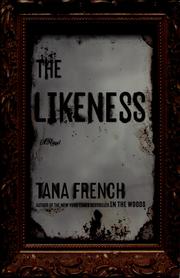
The Likeness
A detective poses as her murdered double and moves in with four graduate students to find the killer.
2,751-word summary · 12 min read
The Bone Collector
A quadriplegic forensics expert and a rookie patrol officer hunt a taxi-driving kidnapper who leaves bone and paper clues across 1990s New York. The rescue…
2,960-word summary · 13 min read
Career of Evil
A severed leg delivered to Robin forces Strike to face four men from his past as a London killer stalks, testing the agency and her wedding plans ahead.
2,887-word summary · 13 min read
The Silkworm
A missing novelist and a cruel manuscript pull Strike and Robin into London publishing.
3,583-word summary · 16 min read
Mr. Mercedes
Retired Hodges hunts Mercedes killer Brady Hartsfield concert plot.
2,281-word summary · 10 min read
Kiss the Girls
Cross hunts Casanova kidnapping women including niece Naomi.
2,397-word summary · 11 min read
1st to Die
Lindsay, Claire, Cindy and Jill hunt a honeymoon killer terrorizing San Francisco.
2,536-word summary · 11 min read
In the Woods
A detective investigates a girl's murder in the woods where his own friends vanished twenty years earlier.
2,773-word summary · 12 min read
Along Came a Spider
Detective Alex Cross hunts Gary Soneji after two children vanish from a Washington school and a Lindbergh echo grows.
2,523-word summary · 11 min read
The Cuckoo's Calling
Broke detective Strike and temp Robin investigate a supermodel's fatal fall in London.
2,006-word summary · 9 min read

What She Knew
Rachel lets her eight-year-old son run ahead in a Bristol park, and the nine-day search turns her into a suspect in the public eye.
2,952-word summary · 13 min read

The Beach House
A young valet is beaten to death at a Hamptons party, and his law-student brother spends a year building a case against the family that covered it up.
2,049-word summary · 9 min read

Six Years
A professor who promised to forget the woman he loved sees her husband's obituary and discovers that the wedding, the marriage, and the woman herself may never…
2,076-word summary · 9 min read

How the Light Gets In
Gamache investigates the murder of the last Ouellet quintuplet while the Sûreté he served is dismantled from inside by the man who took his protégé.
2,279-word summary · 10 min read