
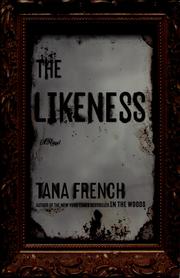
The Likeness
2,751-word summary 12 min read 466 pages in the book
- First published
- 2008
- Publisher
- Viking
- Pages
- 466
- ISBN
- 9780670018864
- Series
- Dublin Murder Squad (#2)
Reading options
What's inside (6 sections)
I put off The Likeness for months after In the Woods, which sounds strange because I liked that first book a lot. A friend kept telling me the second one was better, more fun to live inside, sadder at the end. I kept thinking I knew the trick now, damaged detective, big house full of secrets. I was wrong to wait. I started it on a rainy Saturday and got annoyed at anyone who interrupted me, which is usually a good sign.
This is the second book in the Dublin Murder Squad series, published in 2008 by Viking, 466 pages in the edition cited here. It follows Cassie Maddox, who was Rob Ryan's partner in the first book. Rob is barely in this one except as a name people avoid saying. Cassie narrates this time. She has left Murder, she works Domestic Violence, she lives with Sam O'Neill, and she is bored in a way she will not admit to. Then Sam calls her to a murder outside Dublin and everything tilts.
The short version: a young woman is found stabbed behind a cottage near Glenskehy, and she looks exactly like Cassie, and her ID says Alexandra Madison, Lexie Madison for short. That was the name Cassie used years ago when she worked undercover. Her old undercover boss Frank Mackey sees an opening. Tell the friends Lexie survived, send Cassie in as Lexie, live in the house, find who did it. Cassie says yes, partly for the case and partly because she wants back into Murder work.
The call Sam should not have made
Sam O'Neill calls Cassie because he is rattled and because he loves her, and those two reasons fight each other the whole book. He finds a girl in her twenties, stabbed once in the chest, left by an empty cottage. No clear real name. When Cassie gets there in a wig and old clothes, trying not to be seen, she looks down and sees her own face. French plays this straight, no ghost stuff, no twin twist handed to you early. Just shock. Same height, same build, same coloring.
Sam wants to protect her from it. Frank Mackey wants to use it.
Frank is a piece of work and I mean that as praise for the writing. He ran Cassie back when she did undercover as Lexie years before, on a drug operation around University College Dublin that went badly enough that she left that world. Frank is loud, funny in a way that makes rooms uncomfortable, pushy, sentimental about his own crew. He pitches the plan fast: we put out that Lexie is in hospital with no memory, we drill Cassie on Lexie's phone, photos, thesis notes, habits, we wire her, we drop her at the hospital and let the four housemates collect her. If the killer is one of them, the killer will have to act normal around her.
Everyone in the room knows this breaks rules. A detective who looks like the victim should not work the case. A wire in a shared house with no backup inside is risky. Sam argues against it in plain language. His boss O'Kelly likes results more than rules. Cassie argues herself into it. She tells herself it is the only way to get an ID on the girl. The truth, which she admits in bits later, is simpler. She misses Murder. She misses being good at something hard. Domestic Violence has worn her thin, too many statements, too little she can fix. And she misses who she was with Rob, before Knocknaree broke them apart, even though she will not say his name for a long stretch.
You have to be generous to accept the setup. Four clever graduate students have to accept memory loss as cover for small mistakes, and a hospital has to play along, and no photo has to leak. French knows this is thin. She has Frank joke about it, has a doctor brief Cassie on what blood loss can plausibly do to memory, has Cassie practice Lexie's walk and laugh from video clips. It works if you let it work. If you need police books to read like manuals, skip this one.
What sold me was Cassie saying yes for messy reasons, not noble ones. She is curious about the girl who took her old name. She is restless at home with Sam, who is kind and steady and wants marriage and a normal roster, while she wants something she cannot name. She liked being Lexie Madison once, back when she was twenty-two and pretending to be a student with no past. I have never gone undercover, but I know that pull toward a second life for a week just to see if you would be happier in it.
Whitethorn House and the five of them
Whitethorn House is why people love this book. It is a big falling apart Georgian house outside Glenskehy, left to Daniel March by an uncle. Daniel, maybe twenty-eight and acting older, invited four other postgrads to live with him and split the work and, it turns out later, the ownership itself. Abigail Stone, called Abby, practical and kind, good with money and tools, the one who keeps the house running. Raphael Hyland, called Rafe, bright and short fused, careless about people when he drinks. Justin, gentle, anxious, gay, funny in a nervous way, the one who cooks to earn his place. And Lexie, the youngest in spirit, bright, needy, flirty, always a little apart even in group photos.
They are all orphans in one way or another, or raised by aunts, boarding schools, distant fathers. None has a normal family to fall back on. So they made one. They chop wood, fix gutters, grow vegetables that mostly fail, drink too much wine around a kitchen table, read aloud, play stupid games. They dress a bit out of time, long skirts, old coats, no TV. Villagers in Glenskehy think they are snobs or freaks. There was a fight years ago about a right of way, and bad blood since. Kids throw stones at their gate. Someone poisoned their dog. The house feels warm inside and cold outside that wall, which matters later because you start to see why they would do a lot to keep the inside safe.
Cassie walks into this as Lexie and feels at home in about ten minutes, and that scared me more than the stabbing. She has no parents, raised by relatives after her mother killed her father and herself when Cassie was five. She tells herself she is acting. Then Abby washes her hair gently in the hospital. Daniel holds her hand like she is precious. Rafe teases her to make her laugh. Justin brings soup and fusses. On the drive back to Whitethorn, with trees closing over the road, Cassie thinks she has arrived somewhere she was supposed to be. I felt embarrassed for her and also jealous. Who has not wanted to be adopted by a group like that at twenty-nine, when adult life is bills and shifts and a boyfriend talking about mortgages.
French slows down here on purpose. Long meals. Study sessions where they argue about books. Walks to the village shop where Lexie used to buy chocolate. An evening where they all get drunk and dance in the kitchen. Cassie learns the private language: how Daniel taps a table when thinking, how Abby and Lexie used to share a bed during thunderstorms, how Rafe steals blankets, how Justin hums when nervous. She starts treating Frank's debriefs as interruptions. She misses check-ins. She leaves the wire off. She sleeps in Lexie's room and starts to answer to Lex without a pause.
That is the best and most uncomfortable part. You watch a good detective go soft in real time. She still notes things, because she cannot stop. Daniel controls money and plans. Abby soothes fights. Rafe drinks and picks fights. Justin folds under pressure. Lexie, from what Cassie pieces together, was loved and also resented. She borrowed cash. She vanished for days. She had started locking her door and keeping a second phone. Cassie finds a bus ticket to Dublin and a pregnancy test box in a drawer with the price sticker still on, which hits hard.
I should say the pace drags in this middle third. If you like plot moving every chapter, you will get restless. There are a lot of dinners, a lot of firewood, a lot of pages about who sits where. I did not mind because I liked the house, but I skimmed some thesis talk. My friend said the same. And Cassie withholds things from Frank that a professional would report at once, because she wants one more day inside. That frustrated me. I kept thinking, call it in, tell Sam the house is getting under your skin. She does not. That is the point, but it still annoyed me.
What Lexie was hiding
The turn comes in layers, not one reveal. Money first. Daniel gave each of them an equal share in Whitethorn House, signed over properly, which no one expected. A house like that, even run down, is worth a lot if sold for development. Daniel's cousin Edward Hanrahan, called Ned, a local builder with big ideas, has been circling. Lexie, short on cash and dreaming of something else, had been meeting Ned quietly to talk about selling her share. Daniel, who sees the house as a refuge, would call that betrayal. He tells Cassie once, drunk, that houses can love people back if people love them right, and he is not joking.
Then the pregnancy. Lexie was about eleven weeks pregnant when she died. The father was probably Rafe, based on timing and a fight Cassie half overhears and a letter she finds half burned. Lexie had told no one she trusted. She had been sick in the mornings, hiding it, drinking less, asking Abby strange questions about raising a kid with no money. She had priced flats in Dublin. Whatever she planned, running or staying and forcing a change, she kept it close.
Then the past. The real Lexie, before she was Lexie Madison, was someone else entirely, a woman who kept changing names and towns to stay afloat. Cassie finds traces: a different accent in old voicemails, a story about growing up that shifts details, a number that belongs to a dead child. It mirrors Cassie's own old undercover name, which Lexie likely picked up from a chance meeting years ago in Dublin when Cassie was still Lexie on the drug job. A night in a club, a shared cigarette, a name dropped. Lexie kept the name because it fit a girl with no family. Cassie feels sick thinking she handed a lost girl the mask that got her killed.
Sam, on the outside, works the Glenskehy angle. Yes, locals hate Whitethorn. Yes, someone slashed tires, blocked their lane, wrote slurs on the gate. No, none of that points to a stabbing a mile away. The cottage belonged to a dead old woman, used by kids to drink, by Lexie to meet Ned and to be alone. The wound was close, personal, one hard thrust to the chest, no robbery. The killer knew her. The killer was let close.
There is a night I will not spoil beat by beat, when Daniel takes Cassie aside after wine and kisses her, not a pounce, a sad deliberate test. After, he looks at her and says she is not Lexie, not quite, and Cassie has to decide whether to run or confess. She tells him she is police. He does not shout. He looks tired. He says he knew something was off, her hands, her reading speed, the way she held a knife at dinner. He asks her to give him till morning before she calls Frank. Out of loyalty to the house, or exhaustion, she agrees. That choice nearly kills her.
The night it breaks
Lexie was stabbed in Whitethorn House, not at the cottage. She was moved after, to make it look like an outside attack. The stabbing happened during a row that got out of hand, with drink and old grievances mixed in. Justin did it, in a flare of temper and fear, not as a plan. Rafe had been sleeping with Lexie and she was pregnant and he had been careless. Daniel, who loved Lexie in his possessive way and loved the house more, decided to cover it as a group secret. Abby and Rafe went along because the house was their whole life. They washed the kitchen floor, burned clothes, carried her to the cottage lane, told each other a story about intruders and village hate until they half believed it.
When Cassie learns this, sitting in that kitchen with the fire low and Daniel away, she uses the pregnancy to break them. She tells them Lexie was pregnant, and watches Rafe go white and Justin shake. It is effective police work and it feels rough to read, using a dead girl's body that way. Daniel comes back with a gun he should not have, an old pistol from his uncle's things, and points it at Cassie to stop her calling it in. He will shoot a policewoman to keep them out of prison and keep Whitethorn whole. Cassie, who loves them a little too after weeks inside, shoots him first when he fires and grazes her. Daniel dies in his own kitchen. The dream of the house dies with him.
The aftermath is bleak in a quiet way. Justin confesses. Rafe and Abby face charges for moving a body and covering a killing. The house will be sold and fought over by cousins like Ned. Cassie goes to hospital, then to a flat that feels empty. Sam stays with her but something is cracked. He saw her choose the house over him for weeks and lie to him smoothly on the phone. Frank tries to claim it as a win and also knows he pushed too far. Cassie quits undercover for good. Lexie herself remains partly unknowable. No family comes forward. She gets a file name and a grave Cassie visits alone.
What stayed with me was not the puzzle. It was how French writes belonging. The house scenes made me miss old housemates I have not spoken to in years, the mess and the talk and the feeling that friends can keep the world out if they try hard enough. She also shows the cost without preaching. To keep that sealed life, Daniel needs money control and rules about outsiders. Abby gives up a job chance. Justin gives up honesty. Rafe gives up steadiness. Lexie, who wanted out, threatened the seal just by growing up. I found myself angry at Daniel and also understanding him, which is uncomfortable in a good way.
Fair criticism, because this book earns it. The premise needs generosity. Four smart people living cheek by jowl would notice more differences than French allows. The Glenskehy feud is vivid but mostly noise. Sam is almost too good, patient to the point of saintly, and he fades when Frank is on page. Cassie as narrator explains her feelings at length, and at times I wanted less self talk and more scene. Still, I cried at the grave visit, which I did not expect from a crime book, so the long middle paid off for me.
Would I tell you to read it. Yes, if you like living inside a case rather than racing through one. Read In the Woods first, not because you will be lost, you will not, but because Cassie's grief over Rob lands harder when you know Knocknaree. Give Whitethorn time to work on you. Notice who does dishes, who pours, who leaves when money comes up. French hides motive in manners.
I finished it late, closed the book, sat a while. My flat felt small. I texted my friend, you were right about the house. She wrote back, I still think about Abby. Me too. I think about Abby washing Lexie's hair, careful as a sister, and about Cassie letting herself be washed, hungry for care she had not asked for in years. That image explains the book better than any plot map. A lonely capable woman finds a family that is also a crime scene, and she has to burn it to do her job.
FAQ
Is The Likeness a sequel to In the Woods?
Yes. It is Dublin Murder Squad #2, published in 2008 by Viking. Cassie Maddox narrates, Rob Ryan is only mentioned, and it reads on its own but hits harder after In the Woods.
Why does Cassie go undercover as Lexie?
A young woman found stabbed near Glenskehy looks exactly like Cassie and carries Cassie's old undercover alias, Lexie Madison. With no other lead, Frank Mackey talks Cassie into posing as Lexie while the squad pretends she survived.
Is the killer a stranger from the village?
No. The stabbing comes from inside Whitethorn House after months of pressure over money, the house, and a pregnancy. The last third is about loyalty among the five housemates rather than a stranger from the village.
Similar books
More from Dublin Murder Squad first, then related titles.

In the Woods
A detective investigates a girl's murder in the woods where his own friends vanished twenty years earlier.
2,773-word summary · 12 min read
Faithful Place
Undercover Frank Mackey returns to Faithful Place when lost love Rosie suitcase is found.
2,161-word summary · 10 min read

Broken Harbor
A family is found slaughtered in a half-built Dublin estate where no one broke in, and star detective Scorcher Kennedy must explain the holes in the walls.
2,308-word summary · 10 min read

The Trespasser
A Dublin Murder Squad detective investigates a staged dinner-party killing and finds a cover-up that reaches into her own department.
2,051-word summary · 9 min read

Rules of Prey
Minneapolis detective Lucas Davenport hunts a killer who leaves a new rule at every scene and treats murder as a game of wits.
1,914-word summary · 9 min read

The Late Show
Exiled to the LAPD night shift after accusing her supervisor, Renée Ballard keeps two cases that were meant to be handed off at dawn: a brutal assault and a…
2,563-word summary · 11 min read

3rd Degree
The third Women's Murder Club novel follows a San Francisco terror cell and a three-day killing schedule, and it costs the club a member.
2,685-word summary · 12 min read

The Redbreast
Harry Hole chases an ageing sniper through modern Oslo while two Norwegian volunteers on the Eastern Front carry a fifty-year-old betrayal toward a royal…
2,453-word summary · 11 min read

Cruel & Unusual
Scarpetta links an execution to a boy's murder while someone steals bodies.
2,533-word summary · 11 min read

The Man in the Brown Suit
Anne Beddingfeld sees a Tube death in London and chases a paper clue to South Africa, diamonds, and the hidden Colonel.
2,292-word summary · 10 min read

2nd Chance
Lindsay Boxer and the Women's Murder Club hunt the Chimera killer after a church shooting in San Francisco.
2,572-word summary · 11 min read

The Bat
Oslo detective Harry Hole aids Sydney police after a young Norwegian woman is murdered and finds a wider pattern. Grief, drink, and a lost partner shape the…
2,766-word summary · 12 min read
Troubled Blood
Strike and Robin take a year long cold case: doctor Margot Bamborough vanished in 1974, with a nurse hiding more.
2,211-word summary · 10 min read
Holly
Grieving detective Holly Gibney takes a missing-girl case in 2021 and traces it to two polite retired professors with a basement secret.
2,607-word summary · 12 min read
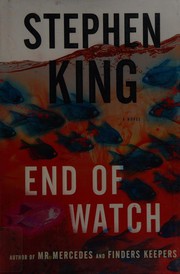
End of Watch
A dying Bill Hodges and Holly Gibney face Brady Hartsfield again, as rigged game consoles push hurt teens toward suicide.
2,923-word summary · 13 min read
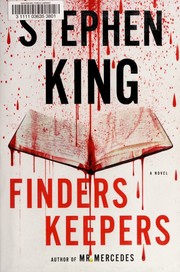
Finders Keepers
A boy finds a murdered writer's notebooks while the killer leaves prison hunting them and Hodges closes in.
2,157-word summary · 10 min read
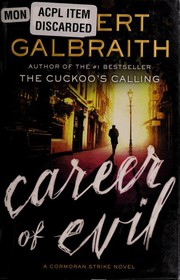
Career of Evil
A severed leg delivered to Robin forces Strike to face four men from his past as a London killer stalks, testing the agency and her wedding plans ahead.
2,887-word summary · 13 min read
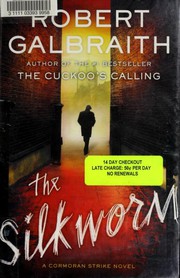
The Silkworm
A missing novelist and a cruel manuscript pull Strike and Robin into London publishing.
3,583-word summary · 16 min read

Mr. Mercedes
Retired Hodges hunts Mercedes killer Brady Hartsfield concert plot.
2,281-word summary · 10 min read

Kiss the Girls
Cross hunts Casanova kidnapping women including niece Naomi.
2,397-word summary · 11 min read
1st to Die
Lindsay, Claire, Cindy and Jill hunt a honeymoon killer terrorizing San Francisco.
2,536-word summary · 11 min read

Along Came a Spider
Detective Alex Cross hunts Gary Soneji after two children vanish from a Washington school and a Lindbergh echo grows.
2,523-word summary · 11 min read
The Cuckoo's Calling
Broke detective Strike and temp Robin investigate a supermodel's fatal fall in London.
2,006-word summary · 9 min read

The Witch Elm
Toby Hennessy has always been lucky, until a beating leaves his memory full of holes and a skull turns up in the garden of the family home. A stand-alone novel…
2,021-word summary · 9 min read

The Searcher
A retired Chicago cop seeks quiet in rural Ireland until a local kid pulls him into the hunt for a missing brother.
2,859-word summary · 13 min read
The Keeper
Retired cop Cal Hooper faces one last killing in his Irish village.
2,129-word summary · 9 min read

What She Knew
Rachel lets her eight-year-old son run ahead in a Bristol park, and the nine-day search turns her into a suspect in the public eye.
2,952-word summary · 13 min read

The Beach House
A young valet is beaten to death at a Hamptons party, and his law-student brother spends a year building a case against the family that covered it up.
2,049-word summary · 9 min read

Six Years
A professor who promised to forget the woman he loved sees her husband's obituary and discovers that the wedding, the marriage, and the woman herself may never…
2,076-word summary · 9 min read

How the Light Gets In
Gamache investigates the murder of the last Ouellet quintuplet while the Sûreté he served is dismantled from inside by the man who took his protégé.
2,279-word summary · 10 min read