
Reading options
What's inside (9 sections)
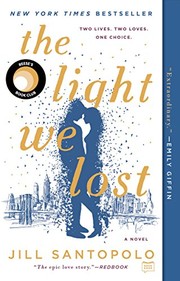
I started The Light We Lost on a rainy Saturday because I wanted a romance that actually felt like adult life, with rent and bad timing. A friend had told me she cried on the subway reading the last pages. I did not cry on the subway, since I was home, but I did sit still for a while after I finished. The book follows Lucy and Gabe, who meet at Columbia University in 2001 and then spend about thirteen years circling each other. Jill Santopolo published it in 2017 with G.P. Putnam's Sons. Lucy narrates the whole thing as a long look back, almost like she is explaining herself to someone she loved.
The setup is simple and that is why it works. Two young people meet. The world shifts under them. They want different things and they keep choosing those things, then wondering about the other path. Lucy builds a steady life in New York. Gabe chases work that takes him into danger. They come together and break apart more than once. I read most of it in two sittings. The chapters are short and the voice pulls you forward. I will say up front that parts of the middle repeat the same ache, and Gabe can feel a little too perfect on the page. Still, I turned pages fast because I needed to know where they landed.
Lucy is the narrator, warm and thoughtful, the kind of person who remembers what everyone ordered. Gabe is bright and driven, sure from early on that he wants to make images that matter. Darren, who enters later, is kind and grounded. New York itself acts as a fourth presence, from lecture halls to small apartments. The book stays close to these few people. It does not sprawl. That closeness is part of its pull.
Meeting at Columbia in 2001
Lucy meets Gabe at Columbia in the spring of 2001, when both are students and the city feels full of promise. The meeting has the glow that early college encounters get in memory. They talk easily. They notice each other across a crowded room. Classes and late walks fill the first chapters. Gabe wants to be a photographer. He talks about light and about showing people what war and pain really look like. Lucy is still sorting what she wants, though she leans toward work that helps people in direct ways.
Their early bond grows fast. They study together. They argue about art and duty. They fall into that student rhythm where every talk feels large. Santopolo writes these scenes with light detail, coffee cups and dorm noise. I believed them as twenty year olds, sure they could shape the world if they just worked hard enough. There is a sweetness here that the rest of the book keeps looking back toward.
What makes this opening land is how ordinary it feels before history steps in. They worry about grades and money. They plan summers. They assume they have time. Readers who lived through those years will feel the air change before the characters do. Readers who did not will still sense the edge, because Lucy narrates with the weight of knowing what came next.
September changes the shape of everything
Then come the attacks of September 2001, and the book shifts. Lucy and Gabe watch the skyline change. They lose the sense of safety that had sat under their plans. Phones ring. Friends gather. The city smells strange for days. Santopolo does not dwell on spectacle. She stays with how it felt to be young in Manhattan that week, calling family and waiting for names on lists.
For Gabe, the attacks sharpen a purpose he already had. He wants to witness. He wants to go where hurt happens and bring back proof. For Lucy, they sharpen a different need, for closeness and for a life she can hold. Both responses make sense. Neither person can talk the other out of theirs. This is the first real split between them, and it never fully heals. I found this part honest. Big events do not always bring couples closer. Sometimes they show two people the separate roads they were already eyeing.
After graduation draws near, Gabe starts taking assignments that pull him away. Lucy stays in New York and builds toward a career and an adult home. They try to stay together across distance. They fail, then try again. Calls and short visits cannot bridge the gap between a man running toward conflict zones and a woman trying to root. The book lets both choices stand without mocking either. I respected that balance even when I wanted to pick a side.
Thirteen years of coming back together
The middle of the book covers roughly thirteen years, and it moves in loops. Lucy and Gabe reunite. Things feel right for a stretch. Work or pride pulls them apart. Time passes. One of them reaches out. I will not map every reunion here, because the pattern matters more than the count. Each return feels hopeful. Each break feels a little more final than the last.
In New York, Lucy builds a career in children's media and learns how to run a team and meet deadlines. She rents and then settles. She keeps friends who tell her the truth about Gabe. Those friends like Gabe's spark but worry about what loving him costs Lucy. Gabe, meanwhile, builds a name as a photographer willing to go far for a shot. His work takes him abroad for long stretches. When he returns, he brings stories and restlessness. He loves Lucy. He also loves the work in a way that leaves little room for daily life.
There are scenes in small kitchens that I liked best. Lucy cooks. Gabe spreads prints across the table. They talk about which image tells the truth. For an evening, the gap closes. Mornings bring the old questions back. Where will we live. How long will you stay. Santopolo writes these talks plainly, without speeches. That plain style helps, because the feelings are already large.
The repetition here is both the point and the problem. Love that cannot settle starts to sound the same each time it restarts. I felt the ache repeat on purpose. I also grew tired in one stretch where another reunion followed another goodbye with little new ground. Readers who enjoy slow ache will not mind. I wanted one more scene showing how their daily habits clashed, beyond their big dreams, to make the loop feel less smooth.
Darren and the life Lucy builds
Darren enters as a steady presence while Gabe is away. He is kind without show and works hard. He shows up for dinner and for hard talks. Lucy does not fall for him in a rush. She notices, over time, that life with Darren feels calm. He asks about her day and remembers the answer. He supports her work. He wants a home and says so plainly. After years of waiting for Gabe's calls, that plain care feels like water after salt.
Lucy marries Darren, and the book treats that marriage with respect. This is not a placeholder romance while she waits for the real man. Darren is a real partner. They build routines. They face money stress and job shifts. Lucy loves him. She also keeps a locked room in her heart where Gabe lives, and Santopolo is frank about that split. I liked that she did not pretend marriage erases old love. She shows Lucy trying to be fully present while knowing part of her still looks back.
There are tender chapters here about home life. Lucy and Darren host friends. They talk about kids and what kind of parents they hope to be. I will keep details light, since the book keeps some of this softly sketched, but the warmth is clear. Darren's patience never feels saintly to the point of blankness. He gets hurt and asks for honesty. He sets limits. That backbone made me admire him more than if he had simply waited quietly.
Gabe stays in touch at the edges during these years. A message after an exhibition. A call after a close call abroad. Each contact shakes Lucy. She hides some of it from Darren and then hates hiding it. I recognized that guilt. Anyone who has carried an old flame into a good marriage will know the mix of shame and pull. The book does not judge Lucy harshly for it. It just shows the cost, in small silences at the breakfast table.
Gabe abroad and the price of witnessing
While Lucy roots in New York, Gabe keeps moving through war zones with a camera. Santopolo keeps the details general rather than turning the book into a tour of battles. We get airports and the wait before going out. We get the high of getting the shot and the crash after. Gabe believes images can stop harm by forcing people to look. That belief gives his life meaning. It also keeps him from rest.
Lucy worries each time he leaves. She follows the news from places he named. She learns to read his short emails for what they leave out. When he returns, he is thinner and brighter and harder to hold. He talks about what he saw in flat tones, then goes quiet. Lucy wants to help. Gabe wants to be seen without being managed. They miss each other even in the same room. I found these passages sad in a quiet way. Nobody fails. The jobs simply want different lives.
There is one stretch where Gabe's work earns wide praise, and Lucy feels pride mixed with fear. Praise sends him further out, not home. Friends tell Lucy to let him go while family tells her to hold on. She tries both. The book does not paint journalism as folly. It treats Gabe's drive as real calling. It also shows what calling costs the people who wait. That even hand is one of the book's best traits.
The distance between them is never only miles. It is schedule and sleep after a hard day. Lucy needs talk and touch. Gabe needs darkroom quiet and time to process. When they name this gap, they sound wise. When they try to cross it, they sound tired. I believed that tiredness. Love does not always lose to betrayal. Sometimes it loses to timing and to work that will not bend.
The final turn and what it asks of Lucy
Toward the end, events push Lucy and Gabe to face what thirteen years meant. Health scares and final assignments force plain speech. Old promises get weighed against present vows. I will not spell out the closing scenes beat by beat, because they land better when you meet them fresh. What matters is that Lucy must choose how to remember Gabe and how to stand inside her marriage without lies.
Santopolo gives Lucy long reflective passages here. Lucy writes as if speaking to Gabe across time, asking what might have happened if she had followed him or if he had stayed. Those what if pages are the heart of the book. They ask whether a single choice in youth sets a whole life, or whether character keeps remaking the same choice. I found them moving, though a few pages circle the same sorrow. One trimmed scene would have made the remaining ones hit harder.
Darren's role in the close matters as much as Gabe's. He asks Lucy for truth, not performance. He listens. He decides what he can live with. The book grants him dignity instead of making him a hurdle. I was glad. Lesser romances shrink the steady husband to make the lost lover shine. This one lets both men stand tall, which makes Lucy's grief more tangled and more real.
Some people stay in your life by leaving it, and you measure every home against the one you never made.
That is my phrasing, not the book's line, but it holds what the ending left me with. Lucy ends with a fuller sense of what she chose and what chose her. The last pages do not pretend that love ends cleanly. They suggest that you can honor a past bond while tending the life in front of you.
What worked and what wore thin
Let me name the strengths first. The voice is warm and easy to follow. Short chapters keep the years moving. New York feels lived in, from student days to workdays. The central question is real. Many of us carry someone who represents a whole other life. Santopolo gives that feeling a story without turning it into a puzzle. Lucy feels like a friend by the end, flawed and trying.
Now the fair criticism, since this book earns a mixed verdict from me. The structure repeats. Reunion and parting come around again with small changes, and the middle can feel like variations on one ache. Gabe also reads as idealized. We hear about his drive and his charm, but less about his daily faults. Darren, by contrast, gets dishes and bills, which makes him feel more human. I wished Gabe had been granted a few more rough edges early, so the final claim of his depth felt fully earned.
I also wanted more care in how grief gets handled near the close. Feelings arrive large and fast, and Lucy names them at length. That naming fits her voice, yet a few scenes tell more than they show. A short walk or a held object would have carried as much as a page of reflection. Readers who love direct feeling will not mind this at all. I mildly did, only because the earlier kitchen scenes proved Santopolo can land a moment with little speech.
Who should pick this up. Readers who like romance grounded in real choices will find much to hold. It suits anyone who thinks about roads not taken, or who lived in New York in the early 2000s and remembers how the city changed. It is less suited to readers who want fast banter or a tidy triangle with a clear winner. This is a slow ache with two decent loves and no clean prize.
I closed the book thinking about my own what ifs, which is what the author clearly wants. I thought about calls I did not make and moves I did not take. Then I looked around my own rooms and felt more tender toward them. That double pull, toward the lost light and toward the lamp already on, is the book's gift. It does not resolve neatly, and I am glad it does not.
FAQ
When and where do Lucy and Gabe meet?
They meet at Columbia University in 2001 as students. The September attacks soon reshape their plans and pull them toward different lives.
Who is Darren in The Light We Lost?
Darren is the steady man Lucy marries after years of distance from Gabe. He wants a home and speaks plainly about what he can accept.
Is The Light We Lost only a romance?
Santopolo published it in 2017 with G.P. Putnam's Sons as a romance shaped by loss and choice. It spends as much time on careers and timing as on love scenes.
Similar books
Angels' Blood
Nalini Singh's 2009 Guild Hunter opener sends vampire hunter Elena Deveraux after a murderous archangel in New York, while its most powerful ruler watches.
2,367-word summary · 11 min read
Dash & Lily's Book of Dares
Two lonely New York teenagers trade dares in a red notebook left at the Strand, falling for each other on the page before they meet.
2,228-word summary · 10 min read
Beautiful Stranger
After a betrayal, Sara Dillon moves to New York and starts a no-strings affair with a British stranger, only to find that control and intimacy are harder to…
2,015-word summary · 9 min read
Let the Great World Spin
A wire walker crosses the towers as Bronx lives collide below.
2,338-word summary · 10 min read
If Only I Had Told Her
Finn, Jack and Autumn speak after the crash that took one of them.
2,543-word summary · 11 min read
Shopaholic Takes Manhattan
Becky and Luke move to New York where shopping fame tempts her to ruin both.
2,025-word summary · 9 min read
What If It's Us
Two teens meet by chance at a New York post office and try to turn missed connection into first love.
2,033-word summary · 9 min read
The Best of Me
Teen lovers torn apart in small town Oriental reunite twenty years after a friend's death to settle his estate and face the choices that split them.
2,871-word summary · 13 min read
Baby Proof
Claudia has never wanted children, but her husband Ben starts to want them, and Giffin's 2006 novel follows what that split does to a good marriage through…
3,051-word summary · 14 min read
Still Me
Lou spends a year in New York working for the Gopniks, torn between Josh, distant Sam, and the life she wants.
2,939-word summary · 13 min read
Entwined with You
Eva and Gideon marry in secret while a Corinne pregnancy claim, police questions, and reporter pressure test their bond in Crossfire book three.
2,971-word summary · 13 min read
Wish You Were Here
Diana goes to the Galapagos alone when Covid keeps her boyfriend in New York, and being stranded there forces her to rethink her job and relationship.
2,178-word summary · 10 min read
One Last Stop
August, 23 and newly moved to New York, meets Jane, stuck on the Q train since the 1970s, and fights to free her while falling for her.
2,394-word summary · 11 min read
Breakfast at Tiffany's
A writer recalls his 1943 neighbor Holly Golightly, wild and kind, in a Manhattan brownstone, plus three short stories from Capote's 1958 collection.
2,215-word summary · 10 min read
The Seven Year Slip
A grieving publicist inherits a time slipping Manhattan apartment and falls for a chef living seven years in the past.
2,601-word summary · 12 min read
City of Girls
City of Girls retold: a Vassar dropout, a shabby theater, one scandal, and a love like no other.
2,823-word summary · 13 min read
The Sun Is Also a Star
On deportation day, Natasha meets Daniel, who bets hours and science can make her fall in love.
2,209-word summary · 10 min read
A Thousand Boy Kisses
Poppy and Rune bind promise jar kisses before illness parts them.
2,585-word summary · 11 min read
A Farewell to Arms
Frederic loves Catherine in Italy until desertion leads to Switzerland and stillbirth.
2,502-word summary · 11 min read
If He Had Been with Me
Childhood friends Autumn and Finn drift apart in high school until one August night changes everything.
2,785-word summary · 12 min read
Bared to You
Eva starts over in New York and falls for Gideon Cross, whose past mirrors her own trauma.
2,471-word summary · 11 min read
Wuthering Heights
Emily Bronte's Wuthering Heights retold: Heathcliff and Cathy on the moors, two houses, two generations.
2,056-word summary · 9 min read
Romeo and Juliet
Shakespeare's Romeo and Juliet retold: Verona feud, balcony, Friar's plan, and why the last minutes collapse.
2,531-word summary · 11 min read

What Happened to Goodbye
Mclean has reinvented herself in four towns since her parents divorced. In Lakeview she uses her real name, and for the first time staying put becomes a choice.
2,796-word summary · 12 min read
The Stationery Shop
Two teenagers fall in love in a Tehran stationery shop in 1953, are separated by the coup and a family deception, and meet again sixty years later.
2,024-word summary · 9 min read

The Japanese Lover
A Polish refugee and the son of a Japanese gardener fall in love in San Francisco in 1939, then keep the affair secret for nearly seventy years.
2,286-word summary · 10 min read

Size 12 Is Not Fat
Former teen pop star Heather Wells investigates two dorm elevator deaths while juggling her ex, her crush, and a size-12 wardrobe.
2,805-word summary · 12 min read

Six Scorched Roses
A dying scholar bargains with a reclusive vampire for blood, and six roses turn a transaction into a slow, dangerous romance.
2,663-word summary · 12 min read

Revolutionary Road
A Connecticut couple who believe they are too good for the suburbs plan to move to Paris, and the plan slowly exposes everything they cannot say to each other.
2,085-word summary · 9 min read

Her Soul to Take
A paranormal vlogger in a cult-run town summons a bound demon, and the only way to survive the god beneath the mine is to give him her soul.
2,089-word summary · 9 min read