
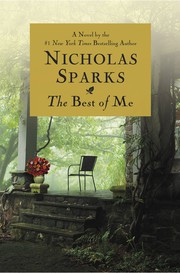
The Best of Me
2,871-word summary 13 min read 292 pages in the book
- First published
- 2011
- Publisher
- Grand Central Publishing
- Pages
- 292
- ISBN
- 9780446547659
Reading options
What's inside (8 sections)
I picked up The Best of Me because I had a gap between heavier books and I wanted something I could finish in a weekend without taking notes. Sparks is a name I know from drugstore racks and rainy Sunday movies, and I had never actually sat with one of his novels cover to cover. The copy I am retelling is the Grand Central Publishing edition from 2011, about 292 pages in print. I read it on the couch with coffee going cold, expecting something sweet and slight, and I got something sadder and stranger than I planned. It stayed with me the way a country song stays with you, even when you can hear the strings swell on cue.
The setup is simple on purpose. Two teens fall hard in a small Carolina town. Life pulls them apart. More than twenty years later they are called back to the same town for a funeral and get one weekend to see what is left. Sparks tells it in two timelines that braid together, past and present trading chapters until they meet. If you have read him before you know the weather will matter, the water will matter, and somebody will have to give something up. Here the giving is extreme, and that is both why the book works and why it annoyed me in places.
The kid from the wrong family
Dawson Cole is seventeen when we meet him properly, and he already carries himself like someone apologizing for his last name. In Oriental, North Carolina, a sailing town on the Neuse River, the Coles are known as trouble. His father Tommy is mean drunk and mean sober. His cousins Bobby and Ted and Abee run with him on jobs that bend toward crime, chop shops and beatings and threats that everyone in Pamlico County has heard about. Dawson grew up watching kitchen table fights and learning when to make himself small. He is not innocent in the way romance heroes sometimes are. He has a temper and he has taken part in things he is ashamed of. But he reads as tender underneath, a boy who wants out and does not know the road.
School is not his place. He is bright enough but distracted, marked by teachers as a Cole before he opens his mouth. He works after school where he can. He keeps his head down around his cousins because standing up to them brings a beating at home. What saves him from becoming exactly what his father expects is work with his hands and one older man who treats him like a person worth time. That man is Tuck Hostetler, and I will come back to him because he is the hinge of the whole story.
What I liked early is that Sparks does not clean Dawson up too fast. Dawson smokes and drinks with the older boys. He lies to stay safe. He can fight when cornered. He also notices sky and water the way a lonely kid does, and he holds a job when he is given one. Amanda will later call him good, and you believe she means the core of him rather than his record. You also believe the town would never give him the benefit of that reading.
The girl from the brick house
Amanda Collier is seventeen too, a senior with clear plans and a family that watches her closely. The Colliers have money and standing. Her father is a professional man with firm ideas about who his daughter should date. Her mother Evelyn is warmer but loyal to the family line. They live in a solid house where college brochures sit on the counter and dinner has rules. Amanda is headed for Duke. She is pretty and popular and used to being looked at, but Sparks writes her as restless rather than spoiled. She wants something real before she leaves for the life mapped out for her.
She meets Dawson in the spring of their senior year, in that drowsy stretch when school feels almost done. It is not one grand scene. It is small collisions at school and in town, a look held too long, a conversation that runs past the point where either meant to stop. She is curious about him because he does not perform for her. He is curious about her because she listens without flinching when he tells the truth about home. They start spending time together in borrowed hours, drives and docks and quiet spots outside town where nobody from either family will see.
The class split is the engine here. For Amanda, Dawson is freedom and proof she can choose. For Dawson, Amanda is proof a different life might accept him. Her parents see only risk. His family sees insult and a chance to drag him back in. Friends warn them. Teachers watch. Sparks lets the romance run hot and fast in that teen way where every song is about you and every night feels borrowed. There are sweet scenes of them talking in his truck and walking near the water and learning each other's habits. Amanda laughs louder with Dawson than she does at school, and Dawson stands straighter when she is near. That kind of change is the whole point, and Sparks sells it without making them sound older than they are.
The honest problem, which I felt even while rooting for them, is that Amanda reads passive from the start. Dawson acts. He works, he takes hits, he makes choices with costs. Amanda mostly receives and reacts. She loves him, she tells him so, she cries when her parents forbid it, but she lets the structure around her decide. You can call that realistic for a seventeen year old with college paid for and a father like hers. It still set a pattern that follows her into adulthood and bugged me more on reflection than it did on page forty.
Tuck Hostetler's garage
If Dawson has a father in any sense that counts, it is Tuck Hostetler. Tuck is a widower in his eighties, a mechanic with a shop outside town and a small house full of quiet. He lost his wife Clara years back and never quite rejoined the world. He hires Dawson for real work, pays fair, teaches him engines, and gives him a place to sit without being yelled at. Tuck does not lecture. He feeds the boy, shows him how to rebuild a carburetor, lets him wash up before going home so Tommy sees less to mock. It is the steadiest love Dawson has known.
Tuck also becomes the teens' shelter. He sees how Amanda looks at Dawson and how Dawson looks back, and he does not moralize about class. He lets them use his porch and his kitchen. He talks to Amanda plainly about Dawson's worth. He tells Dawson to hold on to school and stay clear of his cousins' schemes. In a book full of loud men, Tuck is quiet authority. He drinks a beer, watches the river, remembers Clara, and keeps his word. When Sparks needs wisdom without preaching, he hands the lines to Tuck.
One scene I kept thinking about is just Tuck showing Dawson how to take his time with a repair. No rush, right tool, clean the part, fit it back. It plays as shop talk and also as the only parenting Dawson gets. Those garage afternoons are the warmest pages in the book. You know from the frame that Tuck will die, because the present timeline opens with his death, and the warmth has an ache under it the whole time.
The break
Young love in Sparks never gets to just be young, and here the blow comes from both families at once. Amanda's parents forbid the relationship outright. Her father in particular treats Dawson as contamination. There are ugly scenes at the Collier house, voices through walls, Amanda crying and saying she will see Dawson anyway. There is pressure about Duke and reputation and future. On the Cole side there is worse than pressure. Tommy and the cousins see Dawson slipping and tighten their grip. They want him on jobs. They mock Tuck. They mock Amanda as a rich girl slumming.
The crisis turns violent, as it had to with these surnames. Without giving a police report beat by beat, the shape is this. A confrontation involving Dawson's father and cousins spills past threats into harm, and someone ends up dead. Dawson is at the center of it even though his intent was to stop the worst of it. In the aftermath he faces a choice between protecting people he loves and telling the full truth in a way that would spread the damage. He takes the weight. He accepts prison time under a plea that limits the fallout, and he cuts Amanda loose at the same time.
The breakup scenes are painful in the way teen breakups are, heightened by cells and visiting hours. Dawson tells Amanda to go live her life. He means it and it guts him. Amanda begs and bargains and then obeys her parents and the facts. She goes to Duke. She writes for a while and then the letters thin. Dawson serves his years and comes out with a record and a trade and fewer illusions. He does not chase her. That restraint is one of the best things about him. He figures she is better off clean of the Cole name, and he is probably right in practical terms even if it reads as noble suffering on the page.
Twenty four years later, a funeral and a weekend
The present opens with Tuck dead at a good old age. His lawyer has letters for Dawson and Amanda, asking them both to come to Oriental to settle the small estate. Dawson is now around forty, working on oil rigs in Louisiana, living spare, sending money where it is owed, keeping clear of people. He has stayed away from North Carolina on purpose. Distance is his way of keeping his cousins from finding him and keeping Amanda from the mess. The letter pulls him back.
Amanda is forty too, married with three kids, living a comfortable life that has gone stale and then sour. Her husband Frank drinks too much and talks down to her. He is not a cartoon villain. He works, he loves the kids in his way, he shows up. But he is selfish with money and attention, and the marriage has settled into cold war. Her oldest, Jared, is a teen with trouble of his own. Her daughters are younger and need her present in a way she struggles to be. Her mother Evelyn is still a force, still disappointed in how Amanda's life turned out even though Amanda did exactly what was asked of her.
They meet at the funeral home and then at Tuck's house, awkward and moved. Dawson in a worn jacket, Amanda in clothes that mark her as out of town now. The lawyer explains Tuck left the house and shop and a little land to be handled by them together over a weekend. It is plainly a setup from beyond, and both of them know it. Tuck loved them as a pair and he wants them to see each other clear before the property is sold or kept. They agree to spend the weekend sorting papers and tools and memories.
What follows is the heart of the novel and the part I read fastest. They clean Tuck's kitchen. They stack manuals. They argue about what to keep. They eat at familiar places and drive past the school and the docks. They talk in fits, careful at first, then all at once. Amanda tells Dawson about Frank and the kids and the drinking and the loneliness inside a full house. Dawson tells her about rigs and rented rooms and staying sober and straight because drift would kill him. They do not pretend the years did not happen. They compare scars without competing.
Desire returns, and Sparks handles it with restraint at first. A hand held too long over a box of photos. A look in a hallway that both pretend did not happen. Then a night when restraint fails. I will not dress it up. They sleep together, and it is written as tender and guilty and relieving all at once. Amanda cries after. Dawson holds her and does not make promises he cannot keep. For a day they live as if the break never happened, cooking and walking and sitting on Tuck's porch the way they did at seventeen. The weekend works because Oriental itself feels like a third person in the room, familiar and accusing.
Around them the present danger gathers. Dawson's cousins are still in Pamlico County and still mean. Bobby in particular has nursed hate since Dawson walked away and testified in ways that hurt the family. Ted shadows and threatens. They learn Dawson is back and they circle Tuck's place. They also cross paths with Amanda's family, and Amanda's son Jared gets pulled toward their orbit through drink and bravado. Sparks cuts between the soft center and this hard edge well. You feel the weekend cannot hold.
What the weekend costs
The last stretch moves fast and piles loss on loss, which is where I need to be honest about my split reaction. Amanda's son Jared is in trouble, mixed up with the Cole crowd and facing harm he did not earn. Dawson sees the pattern repeating, a decent kid being dragged by older Coles the way he was dragged. He steps in. There is a confrontation at night, threats and a gun in play, and Dawson puts himself between the cousins and the boy. He takes the hit meant for someone else. He dies from it after getting Jared clear.
Sparks does not leave the death as only a rescue. In the hospital aftermath comes the second gift, the one the title points toward. Dawson had signed as an organ donor years before, the quiet practical kindness of a man who figured his body should be useful if he went sudden. Amanda's son has a failing heart and has been waiting on a list with time running short. I am keeping the medical detail light on purpose because the novel keeps it light too. The shape is what matters. Dawson's heart goes to Jared. The boy who was dying lives. Amanda loses the man she loved twice and keeps her child.
The final scenes are Amanda at the hospital and later at the water, grieving and grateful in a knot nobody could untie cleanly. She meets the fact of Dawson inside her son's chest the way Sparks wants you to meet it, as mercy rather than horror. She thinks of Tuck and Clara. She thinks of seventeen and forty. She goes home to a marriage that is broken and to daughters who need her and to a son who will need care for a long time. Frank does not transform into a better man because tragedy struck. The book deserves credit for that. Life resumes with a limp.
So did the ending earn its tears for me. Half yes. Dawson's choice fits the man Tuck raised. He protects a kid from his own family and gives what he can. Amanda's grief feels true, sharpest when she is doing dishes or driving and the loss hits sideways. What tested me is the stacking. Dead friend, dead love, bad marriage, sick child, violent cousins, fatal rescue, transplant. Any three of those would fill a novel. All of them together can feel arranged, as if suffering proves sincerity. And Amanda's passivity, which began at seventeen, never fully breaks. Things happen to her, men decide, doctors decide, Dawson decides, and she endures beautifully. I wanted one scene where she chose at cost the way Dawson chose, instead of only accepting the cost of his choice.
Still, I finished in tears and I do not sneer at that. Sparks knows how to stage a last porch talk and a last drive and a letter read too late. Tuck's letters, read across the weekend, land. The image of Dawson working quietly on a rig to stay clean, then coming home to die well, has stayed with me longer than my objections. If you want a romance that believes love persists past separation and can be proved by action rather than speeches, this delivers. If you want messy equals who fight their way to a shared life, you will feel the lack. I would hand it to a friend going through a long drive or a grey week, with the warning that the last fifty pages will wring you out.
A friend asked if the title means Dawson at his best or Amanda getting his best. I said yes.
That sounds cute, and I mean it as praise. The best of him was steadiness learned from an old mechanic, spent all at once for a boy he barely knew. Whether that comforts Amanda or haunts her is left open, and it is the most honest note in the book.
FAQ
When was The Best of Me published?
Grand Central Publishing published it in 2011, and the standard edition runs 292 pages.
Do Dawson and Amanda end up together?
They share one weekend in Oriental settling Tuck's estate, then part again after Dawson dies shielding Amanda's son. His donated heart saves the boy.
Who is Tuck Hostetler?
Yes. The widowed mechanic employs teen Dawson, shelters the young couple, and his death calls them both back to Oriental.
Similar books
Every Breath
Two strangers share one week at Sunset Beach in 1990, part for duty, and reunite decades later at the mailbox that started it all.
2,357-word summary · 10 min read
Nights in Rodanthe
Divorced Adrienne and guilt worn surgeon Paul share one stormy weekend at a Rodanthe inn, fall hard, then hold close by letter until loss in South America ends…
3,338-word summary · 15 min read
Never Too Far
Blaire flees Rosemary Beach after Rush's lies, then must decide if his pursuit and Nan's exposed schemes earn trust again.
2,626-word summary · 12 min read

At First Sight
Jeremy and Lexie are married and expecting a baby when anonymous emails tell him the child may not be his.
2,317-word summary · 10 min read
True Believer
Jeremy Marsh, a science journalist who debunks paranormal claims, comes to a small North Carolina town and falls for a librarian who believes in things he…
2,125-word summary · 9 min read
The Wish
A dying photographer recalls 1996 Ocracoke first love and an adoption choice.
2,176-word summary · 10 min read
The Longest Ride
A stranded widower relives his marriage while a Wake Forest student and a bull rider test new love in North Carolina.
2,488-word summary · 11 min read
A Bend in the Road
Widowed sheriff Miles loves teacher Sarah while her family's secret touches his wife's death.
2,182-word summary · 10 min read
The Guardian
Widowed at twenty-five, Julie Barenson leans on a Great Dane named Singer, then dates two men and learns one of them is a killer.
2,221-word summary · 10 min read
The Choice
A settled Beaufort veterinarian falls for his taken neighbor, then faces an impossible hospital decision eleven years later.
2,150-word summary · 10 min read
Message in a Bottle
A divorced mother finds a grieving widower's letter and seeks him in North Carolina.
2,113-word summary · 9 min read
Safe Haven
Katie hides in Southport from a violent husband and falls for widower Alex.
2,480-word summary · 11 min read
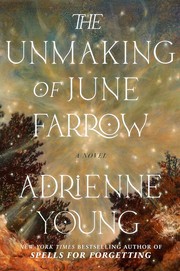
The Unmaking of June Farrow
A woman in a North Carolina flower-farming family walks through a red door into 1951, where she must solve her mother's disappearance and decide whether to…
2,701-word summary · 12 min read
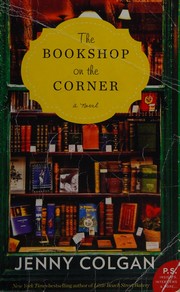
The Bookshop on the Corner
A Birmingham librarian loses her job, buys a van, and moves to the Scottish Highlands to run a mobile bookshop. Warm and bookish, with uneven pacing.
2,557-word summary · 11 min read

Sam's Letters to Jennifer
A grieving journalist reads her grandmother's letters and finds a decades-long love affair that changes how she sees her family.
2,310-word summary · 10 min read

Act Your Age, Eve Brown
Eve Brown crashes into a Lake District bed and breakfast, breaks the owner's arm, and talks her way into his kitchen. A grumpy-sunshine romance about work,…
2,474-word summary · 11 min read

Indigo Ridge
A new police chief in a Montana town meets the founding family's eldest son in a bar, and one night later a body turns up under their cliff.
2,763-word summary · 12 min read
Wedding Night
Lottie marries an old flame days after a breakup, then flies to a Greek island while her sister quietly works to sabotage the honeymoon. A farce about memory,…
2,213-word summary · 10 min read

Say You're Sorry
A widowed prosecutor defends the teenager accused of killing her babysitter, uncovering a small town's secrets and a killer hiding in plain sight.
2,116-word summary · 9 min read

Juniper Hill
Fleeing New York with her baby, Memphis takes a housekeeping job above Knox Eden's garage, and the grumpy chef becomes the first person she can rely on.
2,021-word summary · 9 min read

Delilah Green Doesn't Care
Delilah returns to Bright Falls to photograph her stepsister's wedding and falls for Claire, a bookstore owner and single mother, while a cruel bet threatens…
2,315-word summary · 10 min read
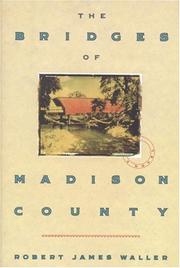
The Bridges of Madison County
A four-day affair between an Iowa farm wife and a photographer asks what a brief happiness is worth against family duty.
2,487-word summary · 11 min read
The Road Trip
Two exes squeeze into one small car for the drive to a Scottish wedding, with four years of history and one photograph between them.
2,418-word summary · 11 min read
Anne of Windy Poplars
Anne spends three letter-filled years as principal of Summerside High, outlasts the Pringle clan, and warms a lonely vice-principal and a dreaming little girl…
2,599-word summary · 12 min read
Garden Spells
Two sisters reunite in their family home in Bascom, North Carolina, where an apple tree shows anyone who eats from it the biggest event of their life.
2,030-word summary · 9 min read
The Finish Line
Tobias King seeks forgiveness from Cecelia as the Ravenhood past closes in.
2,868-word summary · 13 min read

Lovelight Farms
Stella fakes dating Luka to save her Christmas tree farm.
2,584-word summary · 11 min read
If Only I Had Told Her
Finn, Jack and Autumn speak after the crash that took one of them.
2,543-word summary · 11 min read

The Simple Wild
City Calla flies to Alaska to face dying father and gruff pilot Jonah, learning bush life and love.
2,284-word summary · 10 min read
Something Wilder
Lily Wilder runs staged treasure hunts in Utah until her first love Leo returns and the old legend turns dangerous.
2,556-word summary · 11 min read