
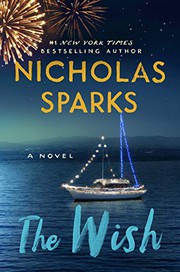
The Wish
2,176-word summary 10 min read 400 pages in the book
- First published
- 2021
- Publisher
- Grand Central Publishing
- Pages
- 400
- ISBN
- 9781538728628
Reading options
What's inside (8 sections)
I came to The Wish on a grey weekend when I wanted something tender without tricks. A friend who loves Nicholas Sparks said this one made her cry on a plane and then call her mother. That sold me. The edition I followed was published in 2021 by Grand Central Publishing, 400 pages, ISBN 9781538728628, author Nicholas Sparks. It is a standalone romance about first love, adoption, and mortality, told across two Christmases more than twenty years apart.
The frame is simple. Maggie Dawes is a successful travel photographer in her late thirties in New York. She has shot deserts and weddings in far cities. Her assistant Mark keeps her schedule, carries bags, knows when to bring coffee and when to stay quiet. Then a medical diagnosis interrupts her running. Doctors use careful words. Treatment plans follow. While she waits and heals, she tells Mark a story she kept mostly to herself, about Ocracoke Island, North Carolina, Christmas 1996, when she was sixteen and became someone new.
I liked this setup because the past has a reason to be told. Maggie is not rambling for nostalgia. She tries to explain why she works as she does, why she loves certain light, why an old Outer Banks postcard sits on her desk. Mark listens well and asks little. Their present scenes are quiet, waiting rooms, a studio with prints drying, a walk for soup, and they make the long flashback feel earned.
Maggie in 2019 with a camera and a countdown
Present day Maggie is competent and private. Clients trust her because she stays calm at weddings and steady in hard weather. She edits late. She backs up files twice. She pays Mark fairly. She lives alone but not lonely, with friends and routines that hold.
The diagnosis shakes those routines without changing her into another person. Sparks keeps her reactions plain. She cries in the shower. She tells few people. She keeps working while doctors allow. She asks practical questions and takes notes. She hates pity. Mark steps up without speeches, driving to appointments, sitting with a laptop while she naps. Their friendship is one of the best parts, warm with clear bounds. He does not push for the story. She offers it in pieces.
She tells him she grew up with comfort and pressure. Good school. Parents who loved her but feared talk. Rules about grades and friends and college. At sixteen she made what they saw as a mistake that changed everything. She was sent to Ocracoke to stay with family friends, to lie low and keep up with school. Maggie recalls the ride south, towns thinning, salt in air, feeling banished. She thought life was over. In a way it was, and in a way it started there.
The camera enters as more than a prop. Before Ocracoke she liked snapshots. On the island, with long evenings and strange light, she starts to look harder. A resident lends a book or lets her use a darkroom corner. She waits for dawn over water. She learns a face tells more at the edges of a smile. Sparks ties her career to these weeks without force. You believe this girl grows into a woman who chases light, because here she first learns attention.
What I appreciated is that illness never becomes a lesson plan. Maggie does not turn wise in a montage. She tires, snaps at Mark once, apologizes twice, keeps shooting when she can, sometimes only a mug on a sill, because work steadies her. Medical chapters stay brief, no lectures, no miracle talk. They sit around the love story like winter light, cold but clear.
Ocracoke, Christmas 1996
Ocracoke in December is wind and grey water, empty rentals, locals who know each other, lights strung against dark. Maggie arrives angry, a city girl in borrowed coats, sent to live quietly. Her host keeps a tight house. Chores, curfews, church Sundays, homework at the table. Maggie counts days until she can leave.
Sparks gives the island in concrete bits. Ferry, grocery, harbor boats, lighthouse, cold through cracks. I could picture her room, quilt, window to water.
She gets holiday work decorating a hall and serving cocoa at a parade. Work gives her belonging without explaining why she is there.
School is harder. New girl with an accent and a secret. Some girls freeze her. A teacher is kind. She eats alone a week, then with a girl who shares headphones. She does homework to avoid thought. She writes unsent letters home. She walks the beach in a big coat with a cheap camera, gulls, ropes, doors, a bike against a fence. On those walks she starts to breathe.
Faith runs under without preaching. Prayers before meals. Youth group invite. She goes once to be polite and finds singing soothing. Her host lives belief through patience, not force. Maggie, raised with rules more than warmth, does not convert in a scene. She borrows calm. That restraint suits sixteen. Teens sense a hard sell.
Bryce Trickett and first love
Bryce Trickett is the local boy who changes her winter. He works boats, helps family, knows water, plays sports well enough to be noticed. He is polite in the island way, holding doors, lifting without asked. He first speaks while she struggles with decorations, offering the heavy end. She snaps. He smiles. He returns next day.
Their courtship is slow and very nineties. Shared Walkman earbuds. Notes in class. Cocoa after volunteering. A drive to see lights with an old heater blasting. A dance with borrowed shoes. Landline calls with siblings listening. No cells to hide behind. They must show up in person and risk embarrassment. Sparks catches that well. Pauses, fast talk, a brief held hand that matters for days.
Bryce has pressures. Family name, tight money, college talk far from tides. They teach each other knots and framing. That mix feels true to first love.
I liked that Bryce is decent, not perfect. He gets jealous. He pushes too hard about why Maggie was sent away. He drinks too much once and speaks dumbly. He apologizes badly, then better. He fears telling parents he is serious about a girl leaving by spring. His flaws are ordinary, which makes constancy count. When he vows to stand by Maggie after hard news, you believe he means it even as you doubt a seventeen year old can hold it alone.
Families complicate. Calls carry tension. Ocracoke is small. Kindness comes with questions.
One boat shed scene carries their bond. Rain on tin, lights in puddles. Plain talk explains why she remembers him decades later.
Pregnancy and the adoption choice
The middle turn is tender and hard. Maggie grows pregnant. She counts days, hides nausea, tells Bryce first in a cold lot after a church event, both shaking. He steps closer. They tell his family, then hers by phone, then her host with bowed heads. Adults respond through 1996 and faith and fear of talk. Shame mixes with care. Paths are laid out in hushed kitchens. Maggie's parents want discretion. Bryce's kin want responsibility.
Sparks stays inside Maggie. The clinic with old magazines. The kind nurse. The counselor outlining paths, parenting with help, open or closed adoption, papers and timelines. Maggie asks about the baby's future more than her comfort, cries alone. Bryce holds her hand and says he will back her choice while hoping they can parent together. His hope is brave and boyish and not fully realistic with their ages and money, and Maggie loves him for it while knowing it.
They meet prospective adoptive parents, a stable couple unable to have a child. Maggie watches for patience. She finds it.
The choice to place for adoption shows grief and love together, not a fix. Maggie labors in winter, Bryce in and out, her host praying outside, her mother late and stiff. Birth scenes stay brief and physical, then quiet. Holding breaks her. Signing breaks her another way. She gives a private name she keeps. She asks for photos and updates if agreed. She leaves empty handed into cold air of salt and exhaust.
After, Ocracoke holds her gently. Food arrives. Calls shorten. Letters slow. By college, Bryce has turned to memory, not plan.
I found these chapters strongest because silence works. Maggie develops film in a borrowed corner, watches a face rise, puts the print away. Bryce mends a dock alone, throwing rope too hard. Grief without slogans. A few lines about stars pushed me, but surrounding detail stayed concrete enough to carry them.
Back to the present and Mark
Telling this to Mark costs Maggie. She stops and starts, edits while talking, apologizes for tears. Mark makes tea. He avoids neat comfort. He asks plain questions that open doors. Did you keep shooting that winter. Do you have negatives. Did the family write. Did you meet your child again.
Answers come slow. Updates arrived first, a photo at six months, a note at a year, then less as agreed. Maggie built career, travelled, dated without settling. She kept island negatives boxed. She thought of her child on birthdays and Christmas, wondering height and laugh. She once drove near Ocracoke for work and did not stop, scared to disturb a life she gave away. That admission lands hard, selfish and selfless at once.
Mark suggests possible contact. Registries exist. Maggie resists, fearing intrusion and rejection. Illness sharpens both urges.
When contact comes, mechanics stay light. Letters, mediator, photos, a neutral meeting. Maggie owns youth and limits.
Reunions avoid easy hugs. Tears, yes, this is Sparks at Christmas, but also pauses, wrong gifts, too much food, flat jokes. The child loves adoptive parents and says so clearly. That clarity lets Maggie breathe. She is not asked to replace. She may witness. They walk, view photos, ask health questions, scared and practical. Maggie tells truth in doses. Mark shoots only when asked, a small kindness showing growth from staff to friend.
Bryce returns as an adult with his own life and work, shaped by water. His call then meeting with Maggie stays quieter than expected. No grand rekindling. Two people who loved purely at seventeen see each other lined and kind. They thank and forgive young failures. They speak of the child with pride free of ownership. I wanted old spark to flare. Sparks lets it glow. First love can stay true without turning present.
Sweetness, sadness and where it strains
What stays is how looking links to loving. Maggie learns on Ocracoke to wait for light. She learns ill to wait for results. She learns in reunion to wait for trust. Photography is habit, not hammered metaphor. Dawn over water in 1996 rhymes with hospital sunrise in 2019 without comment. That echo does more than speeches about time.
Ocracoke works without brochure. Ferry, harbor, hall with folding chairs, cottages with ticking heaters, parade flatbed with tired kids. Salt on windows, sand in winter shoes, beam on clouds. I believe she would miss it decades. Small places that hold you during shame stay inside. When she returns adult with Mark, island is changed and same, new roofs, same wind, and her tears plus laughter feel right.
Faith runs through without hardening to judgment. Hosts and counselors act from belief mixed with fear of gossip. I saw them flawed and trying.
Now fair criticism. The book leans sentimental, most near Christmas. Stars cue. Songs time. Coincidences stack, a found number, a storm forcing stay, a parade timing meeting. One or two would charm. Four or five tested me. Sparks trusts Providence, but here timing feels set for tears. I wiped eyes twice and rolled them once.
Mark borders too good. He drives, listens, carries, waits, never seeks raise, never tires. Real assistants have lives. He serves Maggie's arc, and while touching, I wanted one scene where she must help him, where care reverses. Hints pass, a called mother, rent rise. A late print she gives him helps, yet frames him as witness. More mutual need would deepen present.
Medical plot stays soft focus. After rich island detail, hospital chapters feel thin. I wanted one raw sleepless night stated plain.
Pacing wobbles. The 1996 middle is full. The 2019 frame thins mid-book.
Even so, I closed warm. Adoption gets respect for all sides, birth parents, adoptive parents, child. None villain. All pay. First love is honored without asking life to stop at seventeen. Mortality faces without cheap miracle. If you like Sparks, this sits with his small town romances, more Christmas and cameras than most. If not, coincidences may wear you. Read for Ocracoke winter and boat shed talk of plain things pretty if you wait. That line earned shelf space.
Facts held steady for this post: published in 2021 by Grand Central Publishing, 400 pages in the cited edition, ISBN 9781538728628, author Nicholas Sparks, standalone with no series order. The summary above follows that text with Maggie Dawes telling assistant Mark about 1996 Ocracoke, Bryce Trickett, pregnancy, adoption, and present illness and reunion.
FAQ
When was The Wish published?
Grand Central Publishing published it in 2021. The edition cited here runs 400 pages with ISBN 9781538728628.
Is it part of a series?
No. It is a standalone romance with no series order, set between New York and Ocracoke, North Carolina.
What is the story about?
Maggie Dawes tells assistant Mark about 1996 Ocracoke, Bryce Trickett, pregnancy, adoption, and present illness and reunion.
Similar books

At First Sight
Jeremy and Lexie are married and expecting a baby when anonymous emails tell him the child may not be his.
2,317-word summary · 10 min read

The Longest Ride
A stranded widower relives his marriage while a Wake Forest student and a bull rider test new love in North Carolina.
2,488-word summary · 11 min read
The Choice
A settled Beaufort veterinarian falls for his taken neighbor, then faces an impossible hospital decision eleven years later.
2,150-word summary · 10 min read
Safe Haven
Katie hides in Southport from a violent husband and falls for widower Alex.
2,480-word summary · 11 min read
Act Your Age, Eve Brown
Eve Brown crashes into a Lake District bed and breakfast, breaks the owner's arm, and talks her way into his kitchen. A grumpy-sunshine romance about work,…
2,474-word summary · 11 min read

Delilah Green Doesn't Care
Delilah returns to Bright Falls to photograph her stepsister's wedding and falls for Claire, a bookstore owner and single mother, while a cruel bet threatens…
2,315-word summary · 10 min read
Garden Spells
Two sisters reunite in their family home in Bascom, North Carolina, where an apple tree shows anyone who eats from it the biggest event of their life.
2,030-word summary · 9 min read

Lovelight Farms
Stella fakes dating Luka to save her Christmas tree farm.
2,584-word summary · 11 min read

When in Rome
A burnt-out pop star hides out in small-town Kentucky and falls for the grumpy pie-shop owner hiding her.
2,495-word summary · 11 min read
The Switch
A burned-out consultant and her 79-year-old grandmother swap London and Yorkshire homes for two months, facing grief, dating apps, and village politics.
2,782-word summary · 12 min read
Major Pettigrew's Last Stand
A 68-year-old widower and a Pakistani shopkeeper widow fall for each other in a Sussex village that watches their every step.
2,957-word summary · 13 min read

Lock and Key
Abandoned Ruby moves in with her sister and learns to trust Nate and Cora.
2,407-word summary · 11 min read

Practice Makes Perfect
A people pleaser takes dating lessons from a bodyguard learning to stay.
1,999-word summary · 9 min read
Forever, Interrupted
Elsie elopes in May, loses Ben nine days later, and learns grief beside the mother in law she never met.
2,051-word summary · 9 min read
In a Holidaze
Maelyn Jones relives her family's Utah Christmas on repeat, forcing her to stop pleasing everyone and admit she loves Andrew Hollis.
2,983-word summary · 13 min read

Final Offer
Cal Kane must spend the summer at Lake Wisteria to inherit, but his childhood ex Lana, now a mother, says the house belongs to her family.
2,379-word summary · 11 min read

Things We Left Behind
Lucian Rollins returns to Knockemout to bury his father's past and collides with librarian Sloane Walton.
2,777-word summary · 12 min read

Part of Your World
ER doctor Alexis Montgomery falls for carpenter Daniel Grant in Wakan while her surgeon family presses duty.
3,078-word summary · 14 min read
Just for the Summer
Emma and Justin date to break a matching curse, then face sudden guardianship and illness on Lake Minnetonka.
3,090-word summary · 14 min read
Things We Never Got Over
Naomi runs from her wedding to help her twin in Knockemout and clashes with Knox Morgan.
3,358-word summary · 15 min read

Two by Two
Sparks's twentieth novel turns from first love to a marriage breaking up: Russell Green loses his wife and his job, then rebuilds his life around his…
2,192-word summary · 10 min read
True Believer
Jeremy Marsh, a science journalist who debunks paranormal claims, comes to a small North Carolina town and falls for a librarian who believes in things he…
2,125-word summary · 9 min read
Every Breath
Two strangers share one week at Sunset Beach in 1990, part for duty, and reunite decades later at the mailbox that started it all.
2,357-word summary · 10 min read

The Wedding
Wilson Lewis courts his own wife again with Noah's help as daughter Anna plans her wedding.
2,076-word summary · 9 min read
A Bend in the Road
Widowed sheriff Miles loves teacher Sarah while her family's secret touches his wife's death.
2,182-word summary · 10 min read

The Best of Me
Teen lovers torn apart in small town Oriental reunite twenty years after a friend's death to settle his estate and face the choices that split them.
2,871-word summary · 13 min read
Nights in Rodanthe
Divorced Adrienne and guilt worn surgeon Paul share one stormy weekend at a Rodanthe inn, fall hard, then hold close by letter until loss in South America ends…
3,338-word summary · 15 min read
The Guardian
Widowed at twenty-five, Julie Barenson leans on a Great Dane named Singer, then dates two men and learns one of them is a killer.
2,221-word summary · 10 min read
The Rescue
Volunteer fireman Taylor finds a crashed mother and son in a storm, then falls for them both.
1,939-word summary · 9 min read
Message in a Bottle
A divorced mother finds a grieving widower's letter and seeks him in North Carolina.
2,113-word summary · 9 min read