

Nights in Rodanthe
3,338-word summary 15 min read 212 pages in the book
- First published
- 2002
- Publisher
- Grand Central Publishing
- Pages
- 212
- ISBN
- 9780446691796
Reading options
What's inside (8 sections)
I picked up Nights in Rodanthe because I wanted the shortest Sparks on the shelf. It came out in 2002 from Grand Central Publishing and the edition I read runs 212 pages. I had just finished a long history book and my brain felt tired. A storm, an inn, two middle aged strangers. That sounded manageable for a weekend. I read the first forty pages on a Friday night with the windows open and rain starting outside, which felt a little too on the nose. By Sunday afternoon I was done, a bit wrung out, and thinking about my parents more than I expected.
You probably know the broad shape of Sparks by now. The Notebook had made him famous in the nineties. Message in a Bottle and A Walk to Remember followed. By the early two thousands he had a clear pattern. Ordinary people in small North Carolina towns, a moral wound, a choice about love, letters, faith held lightly or tightly, and an ending that mixes sweetness with loss. Nights in Rodanthe sits right in that run. It is slimmer than most of them. It moves fast. It also shows both why his books pull millions of readers and why critics roll their eyes.
The frame helps set the tone. Adrienne Willis is sixty, divorced for years, with grown kids. Her daughter is grieving a recent loss and asks her mother to tell the story she has hinted at for years. So Adrienne tells it. Most of the book is memory. That choice matters because you know from the start this is not a story she tells lightly. She has kept it close. She measures her words. When Sparks writes older Adrienne, she sounds careful and plain. When he slips back to the younger Adrienne, the voice opens up. I liked that shift. It gives the romance a past tense ache. Whatever happens in Rodanthe already happened. We are hearing what it cost.
Younger Adrienne is forty five and worn down. Her husband left her for another woman. The divorce is final but the anger still flares at odd times. She raised three kids and worked, and now the house feels too quiet. She worries she missed her own life while keeping everyone else fed and on schedule. A friend who owns a small inn on the Outer Banks asks her to mind the place for a weekend. The season is over. Only one guest is expected. Adrienne says yes because a change of air sounds good and because saying no feels like admitting she has nothing else to do. She drives east with groceries and a paperback she will not open.
Rodanthe itself does a lot of work in this book. It is a thin strip of a town on Hatteras Island, ocean on one side and sound on the other, houses on stilts, sand in the driveway, gulls loud in the morning. Sparks describes it without showing off. The inn is small, maybe five rooms, with a kitchen that smells of coffee and old wood. Off season, the place feels exposed. Wind finds every crack. Adrienne cleans, makes beds, puts out towels, and tries to feel useful. The beach is empty. The sky keeps changing. You can feel weather coming before the radio says so. I have stayed in a place like that in November, where the owner leaves you a key and a note, and the quiet gets loud by night. Sparks catches that mood well.
Then Paul Flanner arrives. He is in his fifties, a surgeon from inland, neat and controlled and tired in a way sleep will not fix. He books the inn because he has business nearby. Years earlier, one of his patients died on the table. The family blamed him. A lawsuit and harsh words followed. Whether he made a true error is left a little cloudy, and I think that is on purpose. Paul believes he failed. He replays the operation. He drinks too much wine alone and works too many hours to avoid thinking. He is also cut off from his son, a young man who barely returns calls. Paul came to Rodanthe to meet the dead patient's husband, to say he is sorry face to face, or to explain, or maybe just to stop running. He is not sure which. He carries that stiffness men of his generation often carry, polite on the surface and locked up underneath.
Their first dinner is awkward in a believable way. Adrienne cooks because there is nothing else to do and because feeding someone feels normal. Paul offers to help and mostly stays out of the way. They talk about the drive, the inn, the wind picking up. He notices her hands shake once when she talks about her ex. She notices he looks at the door a lot, as if he wants to leave and has nowhere to go. Neither is trying to charm the other. That is what makes it work. Sparks lets them be middle aged. They have back pain. They go to bed early. They worry about their kids. Adrienne tells a story about her son's car trouble. Paul listens like a man starved for ordinary talk.
The storm moves in
The storm is the third character here. The forecast turns from rain to something stronger. A nor'easter, or the edge of a hurricane depending on how you read the radio reports in the book, starts pushing water and wind over the island. The ferry stops. The power flickers. Shutters bang. Adrienne and Paul spend a morning boarding windows, moving patio chairs, checking the generator, putting towels at sills. Sparks writes this practical stuff better than I expected. He knows the order of chores. Fill the tub. Charge the phone. Find the flashlights. Cook what will spoil first. That detail keeps the middle of the book from floating away into pure talk.
Being stuck together speeds everything up without making it feel fake. They cannot leave, so they sit. They eat soup. They drink coffee and then wine. They tell longer stories. Adrienne talks about the divorce in plain terms. Her husband left. She tried to hate him cleanly and could not. She loves her kids and also resents how much they needed her. She wonders if she is boring now. Paul talks about surgery, the pressure, the night the patient died, the letter from the family, the review board, the way colleagues stopped meeting his eyes. He talks about his son too. How he missed games and recitals for the hospital. How his wife died years back and he never learned to be a father alone. How every apology he rehearses sounds like an excuse.
I found these scenes easy to believe because they are built on food and weather. People confess while washing dishes. They say true things when the lights go out and there is nothing to look at except each other. One night they dance in the living room to a low radio. No grand speech. Just his hand on her back and her head near his shoulder while wind hits the windows. Another afternoon they walk the beach between bands of rain and get soaked. Her hair sticks to her face. He laughs for the first time. Sparks can be heavy handed elsewhere, but here he trusts small gestures. A hand held too long. A blanket shared. A look away that means stay.
The physical side is handled with restraint. This is not a young lovers book. They are careful. They hesitate. Adrienne feels guilty for wanting someone after years of telling herself that part of life was closed. Paul feels he does not deserve comfort while the family of his patient still grieves. When they do come together, Sparks keeps it brief and tender rather than graphic. What matters more is the morning after. How they make breakfast. How shyness returns. How Adrienne cries once in the bathroom because happiness scares her. I believed that more than the kisses. At forty five, after divorce, joy can feel like a trick.
What they tell each other at night
If the book has a core, it is these night talks. Adrienne and Paul trade accounts of guilt and try to lighten the other person's load. She tells him he cannot save everyone on the table and still be human. He tells her that leaving a marriage is not the same as failing at life. They talk about kids. Her children are grown but still call with problems. His son is grown and barely calls at all. Adrienne, who knows how kids punish distant fathers, urges Paul to try again with his boy. Not with a grand letter, but with steady small contact. Paul, who knows how grief hardens the body, urges Adrienne to stop treating herself as only a mother and a helper. Go out. See friends. Let someone love you.
Sparks returns often to the idea of second chances. The tag fits. Both leads wonder if they used up their share. Adrienne thinks love belongs to younger women with smooth skin and no history. Paul thinks peace belongs to better doctors with cleaner records. The inn gives them a place outside normal life to test those beliefs. No neighbors watching. No kids interrupting. No hospital paging him. Just two people and a storm. I liked how Sparks makes the setting do moral work without preaching. The island strips them down. With roads closed and phones patchy, they cannot distract themselves. They have to sit with who they are.
The meeting Paul came for finally happens, and Sparks keeps it quiet. The widower is not a villain. He is tired and angry and grieving in his own cramped house. Paul says his piece. It does not fix everything. The man does not absolve him with a hug. But something loosens. Paul sees the human cost up close instead of in court papers. He also sees he cannot carry the whole weight forever. Adrienne waits in the car and does not ask for details right away. That restraint felt true to me. She knows some conversations need air before they can be repeated.
By the last morning the storm has passed. The beach is littered with shells and broken boards. The sky is brutally blue. They walk, pick up debris, eat eggs, and face the fact that real life resumes tomorrow. Paul has to return to practice and to decisions about his future. Adrienne has to return to kids and bills. They promise to write. They talk about meeting again. Sparks does not pretend this is easy. Adrienne has been left before. Paul has left people before, by working too much. Their goodbye at the inn door is short because long goodbyes would break them. He drives off. She stands on the porch. The wind is gone and the quiet feels different now, full instead of empty.
Letters and the year after
The second half is mostly letters and memory, and this is where the short page count starts to pinch. In a longer book, a year apart would breathe. Here it moves in summaries. Paul writes from the city. Adrienne writes from home. They miss each other. They make plans. Paul decides to close parts of his old life. He reaches out to his son with more care. He takes a leave or scales back surgery work. He volunteers for a medical trip to South America to treat people with little access to care. Adrienne cheers him on by mail while trying to build a fuller life at home. She sees friends. She starts to imagine a future that includes a man who lives hours away.
The letters carry real warmth. Paul, stiff in person, writes more freely. He describes his days, his hopes, his fear that he is too old to start over. Adrienne writes about her kids, her small victories, the inn keeper friend, the garden. They are a little idealized, sure. Nobody writes that many perfect letters. But I forgave it because letter love fits Sparks. His people often say on paper what they cannot say aloud. The gap between their careful speech and their open letters tells you how much they need the distance to be honest.
Then the turn the cover hints at arrives. Paul dies in South America in a mudslide during the trip. Adrienne gets the news indirectly, through a letter that is not from him. Sparks does not stage the death on page. There is no disaster set piece. One day the letters stop. Then explanation comes. That choice keeps the book from becoming an adventure story. The loss lands in a kitchen, in ordinary light, which is where loss usually lands. Adrienne grieves hard. She had just allowed herself to believe in a shared future. To have it taken by random earth movement feels cruel. She replays their last weekend for signs she should have held him tighter or said more.
What follows is Adrienne learning to live with absence again, but differently. After her divorce, grief was mixed with anger. After Paul, grief is cleaner and heavier. She keeps his letters. She thinks about what he taught her. She tries to stay open rather than shut down. Years pass. Her kids grow. Her daughter faces her own loss, which brings us back to the frame. Adrienne tells the story not to say look at my tragedy, but to say love can find you late and still count, even if you lose it. That lands. It is sentimental, but it is also something many widowed or divorced readers have lived.
Why Rodanthe sticks in the mind
Part of why this slim novel stays with people is place. The Outer Banks are narrow and wind worn, with history in every inlet. Storms reshape them. Roads wash out. Houses move. Living there means accepting that ground shifts. Sparks uses that without hitting you over the head. Adrienne arrives feeling eroded. Paul arrives feeling flooded. The weekend scours them both. What is left is firmer. I liked that the inn is not fancy. No spa. No fine dining. Just a creaky house that holds during wind. Love here is not luxury. It is shelter.
The storm craft deserves praise. Sparks paces the weather in waves. Calm, then gusts, then a lull that fools you, then the real hit at night, then strange quiet at dawn. He ties chores to feeling. Boarding windows gives Paul a way to be useful when words fail. Cooking gives Adrienne a way to care without declaring herself. When power dies, candlelight forces closeness. When the radio crackles, the outside world feels far. He has written storms before and since, but this one feels lived in. You smell kerosene. You hear screens rattle. You feel damp sheets.
Grief is the other thread that holds. Almost everyone in the book is grieving something. Adrienne grieves her marriage and her younger self. Paul grieves a patient and lost years with his son. The widower grieves his wife. Later, Adrienne's daughter grieves too. Sparks shows grief as slow and uneven. Good days, bad mornings, sudden tears in a grocery line. He also shows how guilt sticks to grief. Paul cannot mourn cleanly because he blames himself. Adrienne cannot mourn her marriage cleanly because she still loves parts of it. The weekend does not cure them. It gives them practice in telling the truth, which makes later grief more bearable.
What works and what wears thin
Let me be plain about faults, because there are real ones. At 212 pages, the book feels rushed after the storm. The courtship gets days of close attention. The year after gets sketches. Paul's change from driven surgeon to humble volunteer happens fast. His repair with his son is mostly reported, not shown. The South America trip arrives with little setup, so the death can feel arranged to produce tears rather than grown from character. If you dislike that kind of turn, you will bristle. I did a little, even as my throat tightened.
Side people are thin. Adrienne's kids matter a lot in theory but appear in short bursts. Her friend who owns the inn is kind and then gone. The widower gets one strong scene and fades. Paul's son is more idea than person. Sparks keeps the lens tight on the couple, which helps heat but hurts depth. The dialogue sometimes slips into greeting card lines. People say things like love finds you when you stop looking, dressed up a bit. A few exchanges made me smile in affection and wince at the same time.
Melodrama is the fair charge. A storm that traps two lonely lovers, letters across distance, a noble death abroad. It is a lot of sorrow stacked neatly. Real life spreads loss thinner and messier. Sparks compresses for effect. He wants the cry. He usually gets it. I cried, then felt a bit managed, then decided I did not mind being managed that once. Not every book needs to be spare and ironic. Sometimes you want a story that believes love matters enough to mourn.
What works, for me, outweighs that. Adrienne feels like a real woman, not a type. Her mix of competence and self doubt rings true. She can run an inn during a gale and still feel shy asking for love. Paul's guilt, while tidied, has weight. His stiffness, his late thaw, his awkward kindness with tools and dishes, all read as a certain kind of man I have known. The storm weekend earns its place among Sparks set pieces. It is specific, physical, and paced with care. And the frame, an older mother telling a younger grieving daughter, gives the romance a use. This is not love as escape. It is love as instruction. Keep going. Stay soft. Write back.
For whom this short novel fits
If you are new to Sparks, this is a gentle entry. It has his trademarks without demanding a week. Read it when you want feeling without a large cast. Read it after a breakup or during a gray winter when an Outer Banks gale sounds cozy from indoors. Pair it with A Walk to Remember if you want to see how he handles youth versus middle age. Where Landon and Jamie are about first love and faith, Adrienne and Paul are about repair and permission. Both end in loss. This one feels closer to adult life, with bills and grown kids and bodies that ache.
A note on the film, since many readers come that way. The 2008 movie with Richard Gere and Diane Lane keeps the inn, the storm, and the letters, and it looks lovely. It smooths some edges and ages things up a touch. The book is quieter and quicker. If you saw the film first, the novel will feel like the same house with fewer lamps on. I liked both, but the book's storm chapters read stronger to me because prose lets wind live in your head.
I closed my copy thinking about Adrienne on that porch after Paul leaves, listening to sudden quiet. Sparks does not claim she is healed. He claims she is wider. She has been loved well for a few days and she will carry that into ordinary Tuesdays. That is a modest claim for a romance, and I found it moving. At sixty, telling her daughter, she is still carrying it. Some loves are long. Some are brief and still shape the rest. Rodanthe was brief. The shape remains.
If you pick it up, give the first fifty pages time. The setup is plain. The payoff is in the middle hundred, when rain hits glass and two guarded people start talking past midnight. Keep a blanket near. Let the storm do its work. When the letters stop, sit with Adrienne a while before you judge the ending. The book is short. The ache lasts longer than 212 pages suggest.
FAQ
When was Nights in Rodanthe published?
Grand Central Publishing published it in 2002. The edition cited here runs 212 pages with ISBN 9780446691796.
Is Nights in Rodanthe part of a series?
No. It is a stand alone novel about Adrienne and Paul, with no series order to follow.
Do Paul and Adrienne stay together?
No. After they part, Paul travels to South America for medical work and dies in a landslide. Adrienne learns the news by letter.
Similar books

At First Sight
Jeremy and Lexie are married and expecting a baby when anonymous emails tell him the child may not be his.
2,317-word summary · 10 min read

Every Breath
Two strangers share one week at Sunset Beach in 1990, part for duty, and reunite decades later at the mailbox that started it all.
2,357-word summary · 10 min read
A Bend in the Road
Widowed sheriff Miles loves teacher Sarah while her family's secret touches his wife's death.
2,182-word summary · 10 min read

The Best of Me
Teen lovers torn apart in small town Oriental reunite twenty years after a friend's death to settle his estate and face the choices that split them.
2,871-word summary · 13 min read
The Guardian
Widowed at twenty-five, Julie Barenson leans on a Great Dane named Singer, then dates two men and learns one of them is a killer.
2,221-word summary · 10 min read
Message in a Bottle
A divorced mother finds a grieving widower's letter and seeks him in North Carolina.
2,113-word summary · 9 min read

Sam's Letters to Jennifer
A grieving journalist reads her grandmother's letters and finds a decades-long love affair that changes how she sees her family.
2,310-word summary · 10 min read

Delilah Green Doesn't Care
Delilah returns to Bright Falls to photograph her stepsister's wedding and falls for Claire, a bookstore owner and single mother, while a cruel bet threatens…
2,315-word summary · 10 min read

Never Too Far
Blaire flees Rosemary Beach after Rush's lies, then must decide if his pursuit and Nan's exposed schemes earn trust again.
2,626-word summary · 12 min read
All Rhodes Lead Here
Grieving Aurora moves to Colorado to fix a farmhouse, finding slow healing with her gruff older neighbor Tobias Rhodes.
2,249-word summary · 10 min read
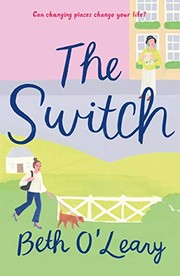
The Switch
A burned-out consultant and her 79-year-old grandmother swap London and Yorkshire homes for two months, facing grief, dating apps, and village politics.
2,782-word summary · 12 min read
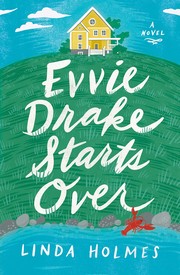
Evvie Drake Starts Over
A widow hiding a painful secret rents her back apartment to a pitcher who lost his throw, and they slowly learn to start again.
2,584-word summary · 11 min read
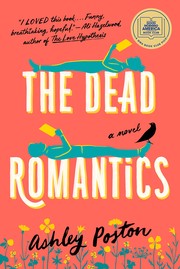
The Dead Romantics
A ghostwriter who stopped believing in love goes home to bury her father and finds her editor's ghost waiting at the funeral parlor.
2,634-word summary · 12 min read

The Storied Life of A.J. Fikry
A widowed bookseller on Alice Island adopts abandoned toddler Maya, rebuilds Island Books, and finds love with sales rep Amelia before illness closes in.
2,972-word summary · 13 min read

Just for the Summer
Emma and Justin date to break a matching curse, then face sudden guardianship and illness on Lake Minnetonka.
3,090-word summary · 14 min read
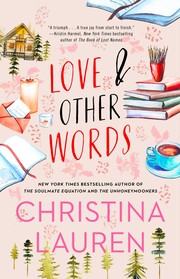
Love and Other Words
Childhood friends Macy and Elliot reunite after eleven years apart and face the night that broke them.
2,069-word summary · 9 min read

Two by Two
Sparks's twentieth novel turns from first love to a marriage breaking up: Russell Green loses his wife and his job, then rebuilds his life around his…
2,192-word summary · 10 min read
True Believer
Jeremy Marsh, a science journalist who debunks paranormal claims, comes to a small North Carolina town and falls for a librarian who believes in things he…
2,125-word summary · 9 min read

The Wish
A dying photographer recalls 1996 Ocracoke first love and an adoption choice.
2,176-word summary · 10 min read

The Longest Ride
A stranded widower relives his marriage while a Wake Forest student and a bull rider test new love in North Carolina.
2,488-word summary · 11 min read
The Choice
A settled Beaufort veterinarian falls for his taken neighbor, then faces an impossible hospital decision eleven years later.
2,150-word summary · 10 min read
Safe Haven
Katie hides in Southport from a violent husband and falls for widower Alex.
2,480-word summary · 11 min read
The Unmaking of June Farrow
A woman in a North Carolina flower-farming family walks through a red door into 1951, where she must solve her mother's disappearance and decide whether to…
2,701-word summary · 12 min read

The Bookshop on the Corner
A Birmingham librarian loses her job, buys a van, and moves to the Scottish Highlands to run a mobile bookshop. Warm and bookish, with uneven pacing.
2,557-word summary · 11 min read

Amy & Roger's Epic Detour
Amy Curry has not driven since the crash that killed her father. With Roger at the wheel and a box of maps between them, a cross-country trip becomes a slow…
3,034-word summary · 13 min read

Act Your Age, Eve Brown
Eve Brown crashes into a Lake District bed and breakfast, breaks the owner's arm, and talks her way into his kitchen. A grumpy-sunshine romance about work,…
2,474-word summary · 11 min read

The First to Die at the End
On the night Death-Cast launches, a boy with a bad heart meets a model with everything ahead of him, and one of them gets the call.
2,908-word summary · 13 min read

Indigo Ridge
A new police chief in a Montana town meets the founding family's eldest son in a bar, and one night later a body turns up under their cliff.
2,763-word summary · 12 min read
Wedding Night
Lottie marries an old flame days after a breakup, then flies to a Greek island while her sister quietly works to sabotage the honeymoon. A farce about memory,…
2,213-word summary · 10 min read

Say You're Sorry
A widowed prosecutor defends the teenager accused of killing her babysitter, uncovering a small town's secrets and a killer hiding in plain sight.
2,116-word summary · 9 min read