
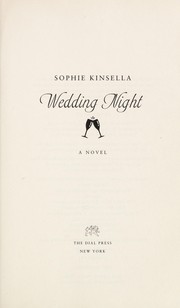
Wedding Night
2,213-word summary 10 min read 446 pages in the book
- First published
- 2013
- Publisher
- The Dial Press
- Pages
- 446
- ISBN
- 9780812993844
Reading options
What's inside (7 sections)
I picked up Wedding Night after a run of heavier books and wanted something that would move fast and make me laugh. Sophie Kinsella's 2013 novel does move fast. It also has a sharper idea underneath the farce than the pink cover suggests. The story is about a woman who mistakes an old memory for destiny, and a sister who mistakes control for care. Around those two mistakes, Kinsella builds a comedy of interrupted honeymoons, bad hotel timing, and one very persistent concierge.
The novel opens in London with Charlotte Graveney, known as Lottie, sitting in a restaurant and waiting for her boyfriend Richard to propose. She is thirty-three, ready for marriage and children, and convinced that his hints about a big question mean a ring is coming. She has already told her intern Kayla. She has already imagined the wedding. When Richard finally speaks, the big question is whether she will move to San Francisco with him for his job. Marriage is not on his agenda, at least not in the way she needs. Lottie ends the relationship at the table, then walks out and tells a stranger that she was the one who said no.
That opening is cruel in a quiet way. Lottie is not simply silly. She is frightened of having wasted years on a man who will not commit, and she covers the fear with bravado. At work she is competent. She gives recruitment talks for a pharmaceutical company, manages an eager intern, and keeps her presentation deadlines. In love she keeps making decisions at high speed and calling the speed proof that something is right. Kinsella lets us see both sides of her without turning her into a case study.
The call from Ben Parr
The same day, Lottie gets a message from a man named Ben. Fifteen years earlier, during a gap-year summer on the Greek island of Ikonos, she had a romance with Ben Parr. She has told the story many times. In her version, they were young and wild, and Ben was the love of her life. They made a pact: if they were both still single at thirty, they would marry each other. Lottie is now past thirty, and Ben has called out of the blue.
Ben remembers the summer too, especially the week he spent delirious with flu and a girl nursed him through it. He calls that girl his guardian angel. Lottie does not remember nursing anyone, but she accepts the story because it fits the myth she has built. Ben says he never stopped loving her. Within days they are engaged, planning a registry office wedding, and booking a honeymoon on Ikonos. Lottie adds one condition. She and Ben will not have sex until their wedding night. She has decided that waiting is the reason her other relationships failed, which is the kind of theory that sounds convincing at two in the morning and falls apart in daylight.
Fliss, Lottie's older sister, hears the news and panics. Fliss is in the middle of a bitter divorce from Daniel, who cheated on her and keeps changing the settlement. She is raising their son Noah, mostly alone, and she is hosting a hotel-industry awards ceremony that week. She knows Lottie's pattern. When Lottie announces she is going back to school for a master's degree, Fliss recognizes it as a warning sign, because Lottie says that before every impulsive leap. Fliss tries to slow the wedding down. She fails.
Ben's friend and business partner Lorcan Adamson is also unhappy. Ben inherited Dupree Sanders, a company founded by his father, and Lorcan has been running much of it. Ben has been distracted and careless about the business. Lorcan suspects Lottie of marrying Ben for money, which is wrong but not absurd given how little anyone knows about the couple's actual life together. He joins Fliss in trying to stop the wedding, though for different reasons. The two of them do not like each other much at first. That is, of course, a setup.
A wedding and a plan
The wedding happens quickly and without much romance. Lottie and Ben marry at a registry office, then fly to Ikonos for the honeymoon. Fliss stays behind long enough to do something drastic. She has a theory that an unconsummated marriage can be annulled, and she decides that preventing the couple from having sex is the next best way to end the marriage. Through her work as a travel magazine editor, she knows Nico, the head concierge at the hotel where Lottie and Ben are staying. She calls in a favor and asks him to keep the newlyweds apart.
What follows is the engine of the book. Nico and his staff interrupt Lottie and Ben at every turn. A romantic evening is ruined by a broken volume control. A butler appears at the worst possible moment. A couples massage ends with Lottie covered in a painful allergic rash. The interruptions are broad and sometimes silly, but they work because both newlyweds are already tense. Lottie wants the wedding night to confirm that her leap was right. Ben wants to be the man who rescued her from a bad breakup. Neither of them wants to admit that they barely know each other.
Fliss's own story runs alongside the honeymoon. Daniel drops Noah off on the night of the awards ceremony, then announces he is moving to Los Angeles with his new wife. The announcement lands like a verdict. Fliss has spent months fighting the divorce, and now she has to accept that the marriage is gone in a way she cannot argue with. Her anger has been useful to her. It has given her something to do. When it loses its target, she has to sit with the loss.
She does not sit quietly for long. She books a flight to Ikonos with Noah, Lorcan, and Richard, who has realized he still loves Lottie and wants her back. Their journey includes an emergency landing in Bulgaria and a lot of cramped, awkward hours together. Richard is not a villain. He is a man who panicked at the idea of marriage and then watched the woman he loved marry someone else within weeks. His presence on the trip raises the question the novel wants us to hold: is Lottie chasing a real future with Ben, or a story about her younger self?
The guesthouse and Sarah's correction
Back on Ikonos, Lottie and Ben try to escape the hotel's interruptions by returning to the guesthouse where they first met. They expect the place to restore the feeling of the original summer. Instead, Ben runs into Sarah, the daughter of the guesthouse owner. Sarah is friendly and a little amused by the visit. In conversation, the truth comes out. Sarah was the one who nursed Ben through the flu. She was the guardian angel he remembered. Lottie was not there for that week, or at least not in the way Ben's memory placed her.
The correction lands hard because it undoes the story their reunion was built on. Ben has been carrying a memory of being cared for by a girl he loved. Lottie has been carrying a memory of being that girl. Neither memory is fully true. They were two young people on a holiday who had a good time and then went home. Fifteen years later they turned that into a shared past solid enough to support a marriage. When the past cracks, the present has nothing to stand on. They have a fight, and it is not a romantic fight with a easy resolution. It is the fight of two people realizing they made a promise to strangers.
They decide to divorce. Before they do, they plan one last night together at the hotel, which is the kind of plan that sounds sophisticated and is really just another attempt to avoid the awkward conversation. Lottie gets back to the hotel first. She overhears Nico on the phone with Fliss, discussing the sabotage. Everything clicks. The broken volume control, the butler, the massage, the endless obstacles. Her sister has been running the honeymoon like a covert operation.
Lottie is furious, and her fury is fair. Fliss's motives were protective, but her methods were deceptive. She treated her adult sister like a problem to be managed. The novel does not let Fliss off the hook with a speech about how much she loves Lottie. It lets Lottie stay angry long enough for the anger to matter.
The awards ceremony
The resolution happens at the hotel's awards ceremony, where Lottie and Ben have been selected as the Happy Couple of the Week. They are on stage in sashes and a crown when Richard arrives. He has come to tell Lottie he loves her. He also has news that matters more than the declaration. Lottie has been carrying guilt over a fire at the guesthouse during that long-ago summer, convinced that she caused it. Richard went to the guesthouse and read the police reports. The fire started above the kitchen, not in Lottie's room. She did not start it.
That detail is the kindest thing anyone does for Lottie in the book. Richard does not just say he loves her. He goes and finds out the truth about a memory that has been poisoning her for years. Lottie realizes that Richard is the person with whom she has a real history, with real knowledge, not a myth. She declares her love in front of the whole room, tears off the crown, and proposes to him for the second time. Richard says yes.
Ben takes the collapse of the marriage with more grace than I expected. He agrees to meet the billionaire Yuri Zhernakov about selling Dupree Sanders. He sells the company. Lorcan, who has been trying to protect it, quits and goes back to practicing law. It is not a tidy happy ending for Ben, but it is a believable one. He was never as invested in the company as his father wanted him to be, and now he has to build a life without the story of the marriage or the family firm.
Fliss and Lorcan end up in bed together after a drunken night, which the novel leaves as a possibility rather than a promise. Daniel moves to Los Angeles with his new wife, and Fliss begins to let go of her anger. She and Lottie reconcile, though the book does not pretend the sister relationship is now free of all tension. They love each other. They also know each other's weak spots, and they will probably keep stepping on them.
What the book is actually about
The comedy works because Kinsella keeps the stakes small and the emotions recognizable. Lottie is not a fool. She is a woman who has been told, by romances and by her own hopes, that a single moment can reveal a whole future. Ben is not a con man. He is a man who remembers being cared for and mistakes the memory for a love story. Fliss is not a villain. She is a woman whose own marriage fell apart, and who cannot bear to watch her sister make a similar mistake. The sabotage is ridiculous, but the fear behind it is ordinary.
There is a useful contrast between Richard and Ben that the book does not spell out too heavily. Ben offers Lottie a version of herself she wants to believe in, the carefree girl on the island. Richard offers her the messier present, the man who panicked and left and then came back with evidence instead of a speech. The novel chooses the present. That choice is not especially subtle, but it is satisfying.
The criticism I understand is that the farce takes too long to reach its point. The middle stretch of the honeymoon repeats the same joke with different props. Readers who want realistic decision-making will find Lottie and Ben exhausting. They marry after a handful of meetings and ignore every sign that they are incompatible. Fliss's plan is invasive in a way that would be frightening in real life, even if it plays as comedy here. The book also leaves some threads loose. The divorce process is vague, and the ending rushes to pair people off.
Still, the novel knows what it is. It is a romantic comedy of errors, with a heroine who has to learn that a memory is not a relationship. The best scenes are not the loudest ones. They are the small ones where Lottie notices that Ben is a stranger, or where Fliss admits, even briefly, that she cannot control her sister's life. Those scenes give the ending some weight. By the time Lottie proposes to Richard on that stage, I believed her, not because the plot had earned a grand romance, but because she had finally stopped arguing with reality.
I would recommend Wedding Night to readers who like Kinsella's earlier standalones and do not mind a plot that runs on misunderstandings. It is a good travel book, a good rainy afternoon book, and a good reminder that the stories we tell about our past can be more dangerous than the past itself.
FAQ
Who does Lottie end up with in Wedding Night?
She ends up with Richard. At the hotel awards ceremony he tells her he loves her and that he checked the old police reports, which show she did not start the guesthouse fire. Lottie proposes to him again and he accepts.
Why does Fliss sabotage Lottie's honeymoon?
Fliss is in the middle of a bitter divorce and believes Lottie is repeating her mistake. She persuades the hotel concierge Nico to keep the newlyweds from consummating the marriage so it can be annulled.
Is Wedding Night part of a series?
No. It is a standalone romantic comedy published by The Dial Press in 2013. Kinsella's Shopaholic books are a separate series.
Similar books
Twenties Girl
Dumped and flailing, Lara Lington is haunted by her great-aunt Sadie, a 1920s ghost who wants her lost necklace back.
2,938-word summary · 13 min read
Can You Keep a Secret?
Emma blurts every secret to a stranger on a turbulent flight, then finds him running her company.
3,114-word summary · 14 min read
Size 12 Is Not Fat
Former teen pop star Heather Wells investigates two dorm elevator deaths while juggling her ex, her crush, and a size-12 wardrobe.
2,805-word summary · 12 min read
Mr. Maybe
Libby Mason wants a rich husband, but the wealthy man who proposes is dull and the broke writer she cannot forget is not offering forever.
2,322-word summary · 10 min read
Bridget Jones: The Edge of Reason
Bridget doubts Mark, takes a job with Daniel, and lands in trouble in Thailand.
2,198-word summary · 10 min read
Jemima J
Overweight London journalist Jemima Jones invents a slim online self for a California lover, starves to match the photo, then faces betrayal and learns to…
2,883-word summary · 13 min read
Shopaholic and Sister
Becky Brandon returns from a ten-month honeymoon to meet the half-sister she always wanted, then discovers that Jess is thrifty, prickly, and nothing like the…
2,591-word summary · 12 min read
Austenland
A New York graphic designer obsessed with Mr. Darcy inherits a trip to a Jane Austen theme park, where the fantasy of Regency romance collides with the men…
2,030-word summary · 9 min read

Sam's Letters to Jennifer
A grieving journalist reads her grandmother's letters and finds a decades-long love affair that changes how she sees her family.
2,310-word summary · 10 min read
Bet Me
A sharp actuary agrees to dinner with a charming serial bettor, then spends the next month pretending the wager does not matter.
2,710-word summary · 12 min read
Eligible
Austen's Bennet sisters move to modern Cincinnati, where marriage is a reality show and the house is losing its value.
2,293-word summary · 10 min read

Big Swiss
A transcriptionist for a sex coach falls for one of his clients, the tall Swiss gynecologist she calls Big Swiss, in a funny novel about work and secrets.
2,523-word summary · 11 min read
Dash & Lily's Book of Dares
Two lonely New York teenagers trade dares in a red notebook left at the Strand, falling for each other on the page before they meet.
2,228-word summary · 10 min read
The Road Trip
Two exes squeeze into one small car for the drive to a Scottish wedding, with four years of history and one photograph between them.
2,418-word summary · 11 min read
Every Breath
Two strangers share one week at Sunset Beach in 1990, part for duty, and reunite decades later at the mailbox that started it all.
2,357-word summary · 10 min read
Dial A for Aunties
A wedding photographer accidentally kills her blind date, and her mother and three aunties help her hide the body during the biggest wedding of their careers.
2,076-word summary · 9 min read
The Bookish Life of Nina Hill
Bookstore Nina gains a family and pub-quiz love in Los Angeles.
2,399-word summary · 11 min read
You Deserve Each Other
Engaged and miserable, Naomi and Nicholas wage a prank war to force a breakup, then face money, mothers, and truth in Sarah Hogle's funny romance with a tender…
2,415-word summary · 11 min read
The Bromance Book Club
A Nashville pitcher joins a secret romance book club to save his marriage after his wife Thea asks for divorce. He trades pride for listening, chores, and…
2,932-word summary · 13 min read
Tangled
Told by a cocky businessman, a bet to win the new associate who rejects him turns into real pursuit, strict rules, a painful reveal and a wedding-level happy…
2,868-word summary · 13 min read
Never Too Far
Blaire flees Rosemary Beach after Rush's lies, then must decide if his pursuit and Nan's exposed schemes earn trust again.
2,626-word summary · 12 min read
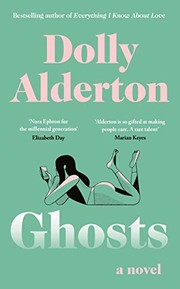
Ghosts
At 32, food writer Nina Dean faces ghosting by Max and her father's dementia in London.
2,677-word summary · 12 min read
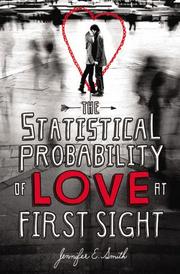
The Statistical Probability of Love at First Sight
Hadley misses a flight, meets Oliver to London, and faces her father wedding in one day.
2,002-word summary · 9 min read
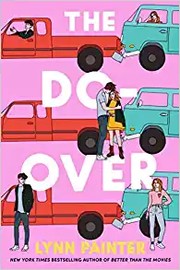
The Do-Over
Emilie relives awful Valentine Day with cheating boyfriend until Nick helps fix it.
2,071-word summary · 9 min read
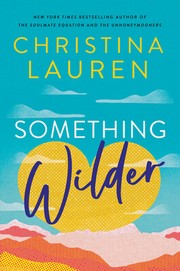
Something Wilder
Lily Wilder runs staged treasure hunts in Utah until her first love Leo returns and the old legend turns dangerous.
2,556-word summary · 11 min read

Boyfriend Material
A tabloid-haunted charity worker fakes a romance with a straitlaced barrister in this funny 2020 London rom-com.
2,325-word summary · 10 min read
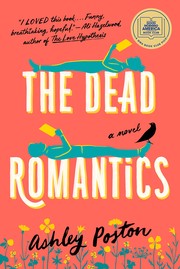
The Dead Romantics
A ghostwriter who stopped believing in love goes home to bury her father and finds her editor's ghost waiting at the funeral parlor.
2,634-word summary · 12 min read
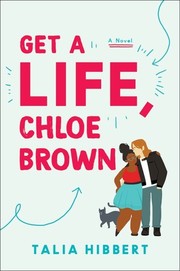
Get a Life, Chloe Brown
A chronically ill woman recruits her gruff handyman neighbor to help her finish a bold Get a Life list.
2,147-word summary · 10 min read
The Kiss Quotient
Stella Lane hires escort Michael Phan to practice dating and learns logic fails where touch and family press in.
2,716-word summary · 12 min read

Better than the Movies
A rom com obsessed senior hires her annoying next door neighbor to win her crush, then finds real love is messier and kinder than any movie plot.
2,438-word summary · 11 min read