
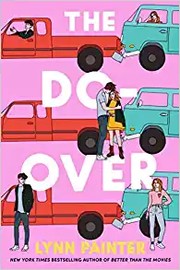
The Do-Over
2,071-word summary 9 min read 304 pages in the book
- First published
- 2022
- Publisher
- Simon & Schuster Books for Young Readers
- Pages
- 304
- ISBN
- 9781534478862
Reading options
What's inside (5 sections)
I read The Do-Over on Valentine's week because the cover dared me, and finished grinning with highlighter all over. Simon and Schuster Books for Young Readers published it November 15, 2022, a 304 page hardcover with ISBN 9781534478862. It is a standalone time loop romance about Emilie Hornby reliving awful Valentine's Day until she gets it right. If you like Groundhog Day with banter, Taylor Swift nods, and Gilmore Girls warmth, open valentine early. You will swoon and laugh.
Emilie Hornby has the worst Valentine's Day ever. Boyfriend Josh cheats with praise? Actually she watches Josh cheat. Car dies. Grandmother? She escapes to grandmother house for Ben and Jerry's comfort. Passes out on couch. Wakes in her own bed and it is Valentine's Day all over again. And next day. Another horrendous V-Day. She is stuck in a time loop nightmare reliving boyfriend infidelity day after day. Worse, she keeps running into Nick, enigmatic, charming, infuriating, sometimes literally colliding. How many times can one girl watch life burn. When something good starts coming from terrible days, what happens when universe stops do overs. That question drives.
Emilie as heroine charms because she is funny and flawed without being mean. She loves her grandmother fiercely. She loves her best friend? Actually she navigates friendships strained by loop. She hates Josh cheating but also hates confrontation. Each loop she tries new tactics. Confront Josh early. Avoid Josh. Follow Josh. Ignore. None break loop because loop is not about Josh. It is about Emilie passively watching life burn, as blurb says. She must act, not just observe. Nick helps by noticing. He remembers loops? Actually he seems to experience too? I will keep mystery intact, but their banter while colliding, in hallways, parking lots, bathrooms, builds from annoyance to alliance. He challenges her to stop watching and choose. That challenge stings because true. Readers who coast will feel called out kindly. Choose, the book says. Even badly. Choosing breaks loops. Passivity repeats. Good lesson wrapped in kisses.
Loops and learning
Time loop mechanics stay light on purpose, which suits romance over sci fi. No one explains why Emilie loops. Grandmother theories? Actually no one knows. Emilie tests rules. Sleep triggers reset. Death? She avoids testing fully. Small changes persist? Actually each day resets fully except memory. She uses loops to learn. Josh cheats at same party each time, with same girl. Nick appears at same spots with variations based on her choices. She maps the day like game. Talk to teacher at 8. Avoid cafeteria at noon. Crash into Nick at 3, deliberately after a while. That mapping is fun to track. Readers can play along. What would you change first. Then what. The book invites experimentation without stakes, then adds stakes when good days emerge and universe threatens to stop. Enjoy experimentation phase. It is pure wish fulfillment. Redo the bad date. Say the unsaid. Kiss the right boy in the right hallway after learning his coffee order through loops. Creepy if framed wrong, sweet here because Nick consents to weirdness once he understands. Trust that understanding arrives. It does, charmingly, with minimal exposition. Love needs no manual, just repeated Valentine's to notice.
Nick as love interest works because Painter writes banter plus care. Mysterious yet charming, as SLJ says. He teases Emilie about Taylor Swift playlists. He remembers her grandmother stories. He shows up where she needs though he pretends coincidence. Enemies to lovers? Actually meet hate? They collide literally and argue. He calls her out for watching life. She calls him out for hiding. Both right. Their chemistry builds through repeated first meetings that are not first for Emilie. She knows his order. He wonders how. She slips. He notices. That dance, one remembering, one catching on, is the book delight. No one writes YA enemies banter like Painter, as SLJ says. She balances witty with heart melting. Try not to highlight every exchange. I failed. Pages glow yellow. Good.
Grandmother house as refuge grounds loops in love. After dumpster fire days, Emilie escapes there for comfort and ice cream. Grandmother listens without fixing, feeds, sends back. Those scenes, short and warm, explain Emilie values. Family shows up. Later loops let Emilie notice grandmother tiredness she missed while focused on Josh. She helps with dishes. She asks about grandfather. Small kindnesses in repeated days accumulate into character though days reset. Do good when no one remembers? The universe remembers, it seems, because loops end when Emilie acts well, not just kisses right. That moral, kindness breaks curses, feels classic and earned. Be kind on Valentine's even when boyfriend cheats. Especially then. Grandmothers know. Listen to yours. Call after chapter. Tell her about loops. She will laugh and feed you. Both help.
Friends, Swift, and Gilmore
Friendships strain and mend across loops in ways that matter as much as romance. Emilie best friend? Actually she has friends she neglects while obsessing Josh. Loops reveal who shows up. One friend covers for her. Another gossips. She learns to tell difference by testing. Bring problem to each on different loops. See who helps versus who broadcasts. That testing is useful beyond fantasy. Try it in life without time travel. Ask small favor. Note response. Keep those who help. Painter executes flawlessly here, as SLJ says about character driven plot. Characters feel developed because loops let Emilie see facets single days hide. Use rereads in life too. Revisit first impressions. People surprise on second loop. Give them loop two. Most deserve. Josh does not, after many loops proving same cheat. Data matters. Dump him with evidence. Good.
Taylor Swift references and Gilmore Girls nods pepper pages for joy, not just garnish. Emilie thinks in lyrics. Nick teases. Grandmother watches Gilmore with her. Those shared texts build intimacy faster than backstory. Readers who share will feel inside joke warmth. Others can skim without losing plot. Painter balances fandom with heart, never letting references replace feelings. The nod to Gilmore Girls, fast talking mother daughter plus small town, mirrors Emilie grandmother bond. Clever and sweet. Romance readers of all ages will catch, as SLJ promises. Play Swift while reading. All Too Well for Josh chapters. Enchanted for Nick hallways. Soundtrack your loops. It helps.
Fair criticism is light. At 304 pages, loops repeat party scenes. Josh cheat viewed many times. Some readers tire by fifth repeat. Stay for Nick variations. They freshen. Time loop trope mechanics unexplained may bother sci fi fans. Accept romance logic. Universe teaches lessons, then stops. How. Why Emilie. Why now. Unanswered. Fine for swoon, thin for worldbuilding. Ages fourteen and up fits. There is kissing, party drinking, mild language, no explicit scenes. Perfect for school libraries, as SLJ verdict says must for collections. Pair with Better Than Movies first for Painter voice, or with Nothing Like Movies after for Liz and Wes cameo? Actually Do-Over stands alone though same universe winks. Read any order. Expect to smile so much cheeks hurt. I did. Valentine's redeemed. Yours can be too. Try again tomorrow. And again, kinder each time, until universe stops needing to repeat. Then keep choosing well without resets. That is the real do over. Daily.
Grandmother, Nick, and choosing
Grandmother house as loop anchor needs love because it holds the book heart. After dumpster fire days, Emilie escapes there for comfort and ice cream. Grandmother listens without fixing, feeds, sends back. Those scenes, short and warm, explain Emilie values. Family shows up. Later loops let Emilie notice grandmother tiredness she missed while focused on Josh. She helps with dishes. She asks about grandfather. Small kindnesses in repeated days accumulate into character though days reset. Do good when no one remembers? The universe remembers, it seems, because loops end when Emilie acts well, not just kisses right. That moral, kindness breaks curses, feels classic and earned. Be kind on Valentine's even when boyfriend cheats. Especially then. Grandmothers know. Listen to yours. Call after chapter. Tell her about loops. She will laugh and feed you. Both help. Keep grandmother close in life too. Visit before loops force. Notice tiredness early. Help with dishes now, not on repeat seventeen. Love shows up in kitchens more than grand gestures. Practice there. The universe notices, and so does she. Enough.
Nick remembering across loops deserves mechanics talk without spoiling how. He collides with Emilie daily, sometimes literally. Early loops he seems stranger. Later he seems to recall fragments. Deja vu lines. Knowing smiles. Emilie tests by changing routines. He adapts faster than loop should allow. That adapting suggests either love transcends reset or universe pairs learners. Either reading satisfies. Their banter while figuring it out, half confessions in hallways, builds trust faster than single day allows. He challenges her to stop watching life. She challenges him to stop hiding behind mystery. Both right. Their chemistry builds through repeated first meetings that are not first for Emilie. She knows his order. He wonders how. She slips. He notices. That dance, one remembering, one catching on, delights. No one writes YA enemies banter like Painter, as SLJ says. She balances witty with heart melting. Try not to highlight every exchange. I failed. Pages glow. Good. Choosing ends loops. Emilie chooses Nick, friends, self in that order. Or self first, then Nick? Either way, choosing breaks watching. Choose in life too. Even badly. Choosing beats looping. Try again tomorrow kinder. Universe stops needing repeats when you do. Then keep choosing well without resets. Daily.
Josh cheating as loop engine needs plain talk without excusing. He cheats every Valentine with same girl at same party. Emilie watches on repeat though each viewing hurts fresh. Why stay stuck on cheater. Because loop is not about Josh. It is about Emilie watching life burn passively. She must act, not just observe. Nick helps by noticing her noticing. He challenges her to choose. That challenge stings because true. Readers who coast will feel called out kindly. Choose, the book says. Even badly. Choosing breaks loops. Passivity repeats. Good lesson wrapped in kisses. Try in life too. Notice where you watch instead of act. Friendships strained. Classes coasted. Then choose one small brave thing. Text the friend. Study the hour. Dump the Josh with evidence. Data matters after many loops proving same cheat. Good. Choosing ends loops. Keep choosing well without resets after. Daily.
Valentine loops as game invite readers to play along, which is half the fun. Track Emilie choices each repeat. Confront Josh early. Avoid party. Follow Nick. Each change ripples differently though day resets. Map the day like Emilie does. Talk to teacher at eight. Avoid cafeteria at noon. Crash into Nick at three deliberately after a while. That mapping delights planners and romantics both. Try in life without magic by revisiting bad days in mind. What would you change first. Then what. The book invites experimentation without stakes, then adds stakes when good days emerge and universe threatens to stop. Enjoy experimentation phase. It is pure wish fulfillment. Redo the bad date. Say the unsaid. Kiss the right boy in the right hallway after learning his coffee order through loops. Creepy if framed wrong, sweet here because Nick consents once he understands. Trust that understanding arrives. It does charmingly. Choosing ends loops. Keep choosing well after. Daily.
Nick banter while colliding builds from annoyance to alliance page by page. He challenges Emilie to stop watching life. She challenges him to stop hiding behind mystery. Both right. Their chemistry builds through repeated first meetings that are not first for Emilie. She knows his order. He wonders how. She slips. He notices. That dance delights. Painter balances witty with heart melting as critics say. Try not to highlight every exchange. Pages glow. Good. Choosing ends loops. Emilie chooses Nick, friends, self. Keep choosing well without resets after. Daily. Practice in life too. Notice where you watch instead of act. Then choose one small brave thing. Good.
Keep choosing well without resets after. Daily. Practice in life too. Notice where you watch instead of act. Then choose one small brave thing. Text the friend. Study the hour. Good. Choosing ends loops. The universe notices kindness. So do grandmothers. Call yours. Tell her about loops. She will laugh and feed you. Both help. Keep her close. Visit before loops force. Notice tiredness early. Help with dishes now. Love shows up in kitchens. Practice there. Good.
FAQ
When was The Do-Over published?
Simon and Schuster Books for Young Readers published it November 15, 2022. The hardcover runs 304 pages with ISBN 9781534478862.
Is it part of a series?
No. It is a standalone time loop romance.
What age is it for?
Ages 14 and up fits best. There is kissing and party drinking.
Similar books

Better than the Movies
A rom com obsessed senior hires her annoying next door neighbor to win her crush, then finds real love is messier and kinder than any movie plot.
2,438-word summary · 11 min read
Dash & Lily's Book of Dares
Two lonely New York teenagers trade dares in a red notebook left at the Strand, falling for each other on the page before they meet.
2,228-word summary · 10 min read

What Happened to Goodbye
Mclean has reinvented herself in four towns since her parents divorced. In Lakeview she uses her real name, and for the first time staying put becomes a choice.
2,796-word summary · 12 min read
Size 12 Is Not Fat
Former teen pop star Heather Wells investigates two dorm elevator deaths while juggling her ex, her crush, and a size-12 wardrobe.
2,805-word summary · 12 min read

Dumplin'
Willowdean Dickson enters her town's beauty pageant as a protest and discovers that confidence is harder to keep once she lets someone close.
1,922-word summary · 9 min read
Mr. Maybe
Libby Mason wants a rich husband, but the wealthy man who proposes is dull and the broke writer she cannot forget is not offering forever.
2,322-word summary · 10 min read
I Kissed Shara Wheeler
Shara Wheeler kisses her rival Chloe Green at prom and disappears, leaving a scavenger hunt that forces Chloe to rethink everything she knew about her.
2,083-word summary · 9 min read

Amy & Roger's Epic Detour
Amy Curry has not driven since the crash that killed her father. With Roger at the wheel and a box of maps between them, a cross-country trip becomes a slow…
3,034-word summary · 13 min read
Eligible
Austen's Bennet sisters move to modern Cincinnati, where marriage is a reality show and the house is losing its value.
2,293-word summary · 10 min read

Big Swiss
A transcriptionist for a sex coach falls for one of his clients, the tall Swiss gynecologist she calls Big Swiss, in a funny novel about work and secrets.
2,523-word summary · 11 min read
Wedding Night
Lottie marries an old flame days after a breakup, then flies to a Greek island while her sister quietly works to sabotage the honeymoon. A farce about memory,…
2,213-word summary · 10 min read
Dial A for Aunties
A wedding photographer accidentally kills her blind date, and her mother and three aunties help her hide the body during the biggest wedding of their careers.
2,076-word summary · 9 min read

Warm Bodies
Zombie R eats Perry, spares Julie, and starts turning human again.
2,366-word summary · 11 min read
The Bookish Life of Nina Hill
Bookstore Nina gains a family and pub-quiz love in Los Angeles.
2,399-word summary · 11 min read
Every Last Word
A girl with OCD finds poetry and friends who know her secrets.
2,434-word summary · 11 min read
Bridget Jones: The Edge of Reason
Bridget doubts Mark, takes a job with Daniel, and lands in trouble in Thailand.
2,198-word summary · 10 min read
The Upside of Falling
Two teens fake-date for a summer dare and end up facing grief, family secrets, and first love.
2,274-word summary · 10 min read

Since You've Been Gone
Shy Emily spends summer finishing her vanished best friend Sloane list of thirteen dares, finding Frank, Dawn, and courage.
2,566-word summary · 11 min read
You Deserve Each Other
Engaged and miserable, Naomi and Nicholas wage a prank war to force a breakup, then face money, mothers, and truth in Sarah Hogle's funny romance with a tender…
2,415-word summary · 11 min read
The Bromance Book Club
A Nashville pitcher joins a secret romance book club to save his marriage after his wife Thea asks for divorce. He trades pride for listening, chores, and…
2,932-word summary · 13 min read

Tangled
Told by a cocky businessman, a bet to win the new associate who rejects him turns into real pursuit, strict rules, a painful reveal and a wedding-level happy…
2,868-word summary · 13 min read
Jemima J
Overweight London journalist Jemima Jones invents a slim online self for a California lover, starves to match the photo, then faces betrayal and learns to…
2,883-word summary · 13 min read
Isla and the Happily Ever After
Shy Isla Martin finally dates longtime crush Josh Wasserstein after a Manhattan summer and senior year at SOAP Paris, then learns love needs honesty to last.
2,293-word summary · 10 min read
Ghosts
At 32, food writer Nina Dean faces ghosting by Max and her father's dementia in London.
2,677-word summary · 12 min read
The Statistical Probability of Love at First Sight
Hadley misses a flight, meets Oliver to London, and faces her father wedding in one day.
2,002-word summary · 9 min read
Nick and Charlie: A Heartstopper Novella
Nick is off to university and Charlie is staying behind. One last summer to decide if first love can survive distance.
2,329-word summary · 10 min read
Holding Up the Universe
Libby Strout reclaims high school after loss while Jack Masselin hides face blindness, until a cruel prank forces them to see each other.
2,979-word summary · 13 min read

Boyfriend Material
A tabloid-haunted charity worker fakes a romance with a straitlaced barrister in this funny 2020 London rom-com.
2,325-word summary · 10 min read
Lola and the Boy Next Door
Costume maker Lola must choose between older Max and inventor Cricket while her two dads hold home steady.
2,045-word summary · 9 min read
Twenties Girl
Dumped and flailing, Lara Lington is haunted by her great-aunt Sadie, a 1920s ghost who wants her lost necklace back.
2,938-word summary · 13 min read