
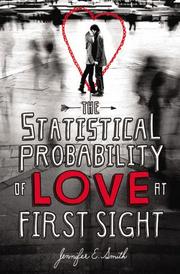
The Statistical Probability of Love at First Sight
2,002-word summary 9 min read 272 pages in the book
- First published
- 2012
- Publisher
- Poppy
- Pages
- 272
- ISBN
- 9780316122399
Reading options
What's inside (7 sections)
I read The Statistical Probability of Love at First Sight on a delayed flight, which felt staged, because the whole book lives in airports. First published January 2, 2012 by Poppy, the paperback runs 272 pages with ISBN 9780316122399. It is a standalone young adult romance, later filmed by Netflix. It follows Hadley and Oliver across twenty four hours from New York to London. If you want a one sitting hug of a book about dads, fate, and missed flights, this is it.
Hadley Sullivan is seventeen, stuck at JFK, late for her father second wedding in London to a woman she never met. She missed her flight by minutes because she would not leave without her phone charger and then traffic. She pouts in a hard plastic chair, sure the day is ruined. Then a boy asks if seat is taken. Oliver, British, funny, kind eyes, Yale bound, with a complicated family errand of his own. They talk. They board the same rebooked flight. They sit together. Seven hours over the Atlantic become first date, therapy, and comedy.
The plane chapters are charming because Smith nails confined talk. No phones, bad food, turbulence, crying babies. Hadley and Oliver trade stories to pass time. She tells about her father, a professor who left for Oxford and a new life, who calls on birthdays and sends books instead of showing up. She is angry and performing not caring. Oliver tells about his mother? Actually about family stuff he deflects with jokes. He teases Hadley about her charger obsession. She teases his accent. They play would you rather. They fall asleep leaning. It is sweet without being saccharine because both carry real hurt.
Hadley fear of flying helps. She hates takeoff. Oliver talks her through, counting, breathing, pointing out wing flex. That care, freely given to a stranger, tells you who he is. Later, when Hadley panics about seeing her father, Oliver returns the favor with distraction and steady presence. Their dynamic is equal. Both help. Both need. No rescue fantasy. Just two tired teens being decent at 30,000 feet, which feels romantic precisely because it is ordinary.
London and dads
Landing splits them in airport chaos, which hurts exactly as intended. No numbers exchanged. Phone dead. Hadley rushes to wedding she dreads. Oliver rushes to family thing he dreads. London rain, black cabs, stiff venues. Hadley meets stepmother to be, Charlotte, who tries too hard and means well. She meets her father, thinner, older, guilty, loving in awkward academic ways. He hugs too long. He shows her his study. He says he missed her every day, which is true and insufficient. Hadley, who rehearsed coldness, feels it melt and hates melting.
Wedding scenes balance comedy and ache. Ill fitting bridesmaid dress. Seating chart with strangers. Speeches that mention Hadley as proof of love continuing, which embarrasses her. She drinks too much punch. She hides in bathrooms. She thinks about Oliver on the plane, how easy talk felt versus this hard family talk. Her father tries to dance with her. She refuses, then accepts for one song. That dance, stiff and tearful, is the book emotional peak, more than any kiss. Forgiveness starts, not finishes.
Oliver parallel day unfolds in cuts. He visits his family for a funeral? Actually for a memorial? I will keep spoilers light, but his errand involves grief and a brother. He texts Hadley? No, they lost contact. Fate must intervene through city coincidences Smith sets up fairly. A lost scarf. A helpful driver. A wedding guest who knows someone. London feels small in the way big cities do when you need them to be.menus, museums, bridges become meeting aids. Hadley, who believes in statistics, starts calculating odds of meeting again. Low. She goes anyway.
Their reunion, when it comes, is quiet. No airport run. Just a door, a look, relief. They talk about the day. They admit fears. Hadley admits she came to wedding to prove she does not care and learned she does. Oliver admits his family trip scared him more than he let on. They kiss, finally, in a way that feels earned because they spent hours talking first. Smith does not rush physical. Hand holds, shoulder leans, one kiss. That restraint suits seventeen and suits the book belief that talk is intimacy.
Fate versus choice
The title asks the question the book answers gently. Is love statistical or fated. Hadley loves math and hates it, because math cannot fix divorce. Oliver loves stories and distrusts them, because stories make neat endings life denies. Their flight meet cute depends on missed flight, rebooking algorithm, seat assignments, all chance. Their staying in touch depends on choice, braving rain, asking directions, risking embarrassment. Smith argues both matter. Chance opens doors. Choice walks through. That balance keeps the book from feeling either cynical or fairy tale.
Family forgiveness mirrors romance. Hadley cannot control her father leaving. She can control whether she hears him now. She chooses to listen for one day, not to absolve, but to understand. He left for work and love, not to hurt her, though hurt happened. Understanding does not erase years missed. It makes future calls possible. Oliver learns similar with his family. Show up, even when awkward. Stay for tea. Say the hard thing kindly. These lessons land because they cost characters sleep and pride.
Fair criticism is light. At 272 pages, everything resolves fast. Airport security, customs, London traffic all bend for plot. Side characters, stepmother, father colleagues, Oliver family, get sketches. The 24 hour frame charms but rushes grief. Readers wanting slow burn will find love too fast, though Smith grounds it in talk. The Netflix film adds scenes the book skips, which tells you where book thins. Still, for a one day romance, speed is point. Life changes in delays.
Diversity is limited. Straight, white, middle class leads with college ahead. London and New York appear as romantic backdrops, not lived cities. That narrowness dates the book a little, though family pain feels universal. Readers wanting broader mirrors should pair with books that center other voices. For what it is, a sweet straight romance about dads, it works.
Who should read it
Ages thirteen and up fits. There is divorce, grief, kissing, no explicit sex, mild language. Perfect for teens who love Sarah Dessen, Jenny Han, Kasie West. Adults needing a palate cleanser between heavy books will finish in a day and smile. Frequent flyers will never board the same. Keep a charger handy. Fate favors the charged.
I closed it as my flight boarded, finally. I texted my dad something true, not useful. Hadley would approve. Statistics say missed flights ruin days. Sometimes they make them. Oliver would say pray you miss your next flight. I would say bring a book for the wait. This one fits in a seat pocket and in a day. Chance opens. Choice walks. Go.
Airport as stage
Airports work as story engine because they force strangers together with deadlines. Smith uses JFK specifics well. Security lines, overpriced chargers, gate agents who do not care, boarding calls that decide fates. Hadley missed flight means rebooking desk, standby list, middle seat. Oliver missed connection means same line. Their shared rebooking, same flight to London, same delay, feels fated but is really airline logistics. That blend of system and chance mirrors love. Systems push. People choose within push. Hadley chooses to talk. Oliver chooses to listen. Small choices in long lines matter more than grand gestures later.
The plane itself gets loving detail. Recliners that invade knees. Crying babies that test patience. Bad movies watched together with one earbud each. Food trays used as tables for confessions. Turbulence that forces hand holds. Hadley fear of flying gives Oliver a job, comforter, which lets him be useful without performing. Oliver fear of family gives Hadley a job, listener, which lets her be kind without fixing. Those reciprocal jobs build intimacy faster than dates. Confined space plus shared dread equals fast friends. Anyone who flew long haul knows. Strangers tell seatmates things they hide at home. Altitude loosens.
London arrival splits them fairly. No phones exchanged because phones died, because chaos, because teens assume they will find each other. The city then tests assumption. Black cabs go wrong ways. Wedding venues hide. Rain soaks. Hadley father wedding runs on schedule whether she arrives or not. Oliver family need runs on grief, not schedule. Both must prioritize family over new love for hours. That prioritization proves maturity. They do not ditch obligations to chase. They meet obligations, then chase. When they reunite, it means more because duties were honored first. Young love that respects family, even broken family, lasts longer in memory than love that flees.
Fate talk at the end earns its sweetness because Smith shows math. Hadley calculates odds of meeting again, low. She goes anyway. Oliver calculates odds his family will understand his choices, low. He chooses anyway. Statistics describe groups. Love happens to persons. The title, which sounds cynical, ends up tender. Probability of love at first sight is low. Probability that kindness on a plane matters is high. Bet on kindness. The book does and wins.
Dads, weddings, and second chances
Dad wedding as setting does heavy work and deserves detail. Hadley father, a professor who left for Oxford, loves her in abstract ways. He sends books with inscriptions. He calls on birthdays. He missed daily life, toothaches, recitals, fights. Now he marries Charlotte, kind and nervous, who tries to include Hadley without replacing mom. Hadley arrives angry at both for needing her blessing. The rehearsal dinner forces toasts. Hadley gives a short, honest one that surprises herself. I came mad, she says. I stay because you look happy and scared like me. That line breaks ice because it admits fear instead of performing cool. Charlotte cries. Dad squeezes Hadley hand too hard. No one fixes years missing. They start a new count from today.
Oliver family errand mirrors with grief. He travels for a memorial that reopens old fights about who left, who stayed. His brother? His parents? Details stay light to keep focus on Hadley, but weight shows in Oliver jokes that fall flat when tired. He tells Hadley he envies her anger because his family performs fine. She tells him anger is lonely too. They trade coping tips like kids trading snacks. Write unsent letters. Walk after fights. Ask cab drivers for advice. Those small tools help more than grand forgiveness speeches. By the time Oliver faces his family, he borrows Hadley bluntness. He says true thing kindly and leaves room. It works better than silence. Hadley, watching from afar later, learns secondhand and smiles. Growth travels even when couples part for hours.
Second chances theme extends to flights themselves. Missed flight as gift is cliché Smith earns by showing what Hadley does with extra hours. She could sulk with headphones. She talks. She could nap. She listens. Oliver could charm and leave. He stays through delays. Airport staff could be rude and some are, but one gate agent rebooks with care that saves day. Those small kindnesses compound into love story. The book argues fate needs helpers. Be a helper and fate improves. Missed flights still sting. Kind strangers still help. Choose to help and statistics improve for everyone around you too. Hadley learns that love is not finding a perfect person in a perfect seat. It is talking honestly in a cramped one. Oliver learns that family duty and new love can share a day. Both land softer for having met above clouds.
Airports teach patience if you let them. Delays reveal who people are when plans break. Hadley and Oliver pass that test by choosing talk over sulk. Try it next delay. Ask a seatmate one real question. Listen fully. You may not find love, but you will find the day shorter and kinder.
Keep the boarding pass.
FAQ
When was it published?
First published January 2, 2012 by Poppy. The paperback runs 272 pages with ISBN 9780316122399.
Is it part of a series?
No. It is a standalone young adult romance, later filmed by Netflix.
What age is it for?
Ages 13 and up fits best. There is divorce, grief, and kissing.
Similar books

What Happened to Goodbye
Mclean has reinvented herself in four towns since her parents divorced. In Lakeview she uses her real name, and for the first time staying put becomes a choice.
2,796-word summary · 12 min read
Lola and the Boy Next Door
Costume maker Lola must choose between older Max and inventor Cricket while her two dads hold home steady.
2,045-word summary · 9 min read

Always and Forever, Lara Jean
Senior year brings college letters, distance from Peter, and a dad wedding Lara Jean helps hold together.
2,037-word summary · 9 min read
Without Merit
Merit Voss feels invisible in a crowded converted church home until Sagan, Luck, and a painful night force the truth out.
3,300-word summary · 15 min read

To All the Boys I've Loved Before
Lara Jean's secret love letters get mailed and she fake-dates Peter Kavinsky to dodge Josh.
3,683-word summary · 16 min read

Dumplin'
Willowdean Dickson enters her town's beauty pageant as a protest and discovers that confidence is harder to keep once she lets someone close.
1,922-word summary · 9 min read

Sam's Letters to Jennifer
A grieving journalist reads her grandmother's letters and finds a decades-long love affair that changes how she sees her family.
2,310-word summary · 10 min read
I Kissed Shara Wheeler
Shara Wheeler kisses her rival Chloe Green at prom and disappears, leaving a scavenger hunt that forces Chloe to rethink everything she knew about her.
2,083-word summary · 9 min read
Amy & Roger's Epic Detour
Amy Curry has not driven since the crash that killed her father. With Roger at the wheel and a box of maps between them, a cross-country trip becomes a slow…
3,034-word summary · 13 min read
Between Sisters
Estranged sisters Meghann and Claire reunite in Washington when Claire announces a rushed wedding, then face their mother's desertion and a medical crisis.
2,467-word summary · 11 min read
Wedding Night
Lottie marries an old flame days after a breakup, then flies to a Greek island while her sister quietly works to sabotage the honeymoon. A farce about memory,…
2,213-word summary · 10 min read

The Second Summer of the Sisterhood
Four friends share the traveling pants through a summer of grandmothers, first loves, and mothers who are learning to let go.
2,209-word summary · 10 min read
On the Come Up
Bri Jackson, a sixteen-year-old rapper in Garden Heights, chases a record deal while a viral song turns her into a symbol she never wanted to be.
2,034-word summary · 9 min read
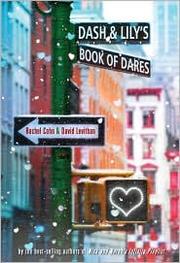
Dash & Lily's Book of Dares
Two lonely New York teenagers trade dares in a red notebook left at the Strand, falling for each other on the page before they meet.
2,228-word summary · 10 min read

Aristotle and Dante Dive into the Waters of the World
Ari and Dante return for senior year in El Paso, navigating first love, AIDS, family grief, and the cost of being openly gay in 1987 Texas.
2,188-word summary · 10 min read

Someone Like You
Halley and her best friend Scarlett face a summer of grief, a surprise pregnancy, and Halley's dangerous first romance in Sarah Dessen's 1998 young adult novel.
2,218-word summary · 10 min read
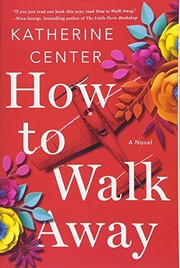
How to Walk Away
Margaret Jacobsen has the job, the fiance, and the future mapped out, until a small-plane crash on Valentine's Day takes almost all of it in one afternoon.
2,012-word summary · 9 min read
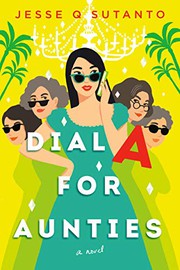
Dial A for Aunties
A wedding photographer accidentally kills her blind date, and her mother and three aunties help her hide the body during the biggest wedding of their careers.
2,076-word summary · 9 min read
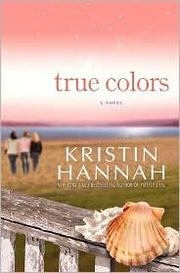
True Colors
Three Grey sisters split over love and duty after their father judges them.
2,596-word summary · 12 min read
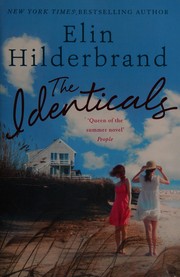
The Identicals
Twin sisters swap Nantucket and Martha Vineyard lives for a summer.
2,556-word summary · 11 min read
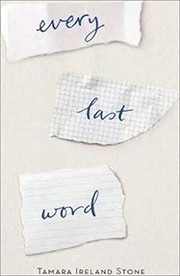
Every Last Word
A girl with OCD finds poetry and friends who know her secrets.
2,434-word summary · 11 min read
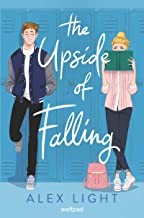
The Upside of Falling
Two teens fake-date for a summer dare and end up facing grief, family secrets, and first love.
2,274-word summary · 10 min read
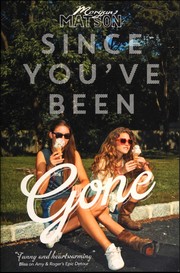
Since You've Been Gone
Shy Emily spends summer finishing her vanished best friend Sloane list of thirteen dares, finding Frank, Dawn, and courage.
2,566-word summary · 11 min read
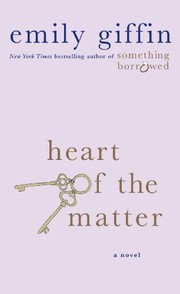
Heart of the Matter
Two Boston mothers collide after a burn injury puts a single mom in the orbit of another woman's surgeon husband.
2,585-word summary · 11 min read
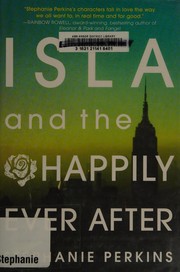
Isla and the Happily Ever After
Shy Isla Martin finally dates longtime crush Josh Wasserstein after a Manhattan summer and senior year at SOAP Paris, then learns love needs honesty to last.
2,293-word summary · 10 min read
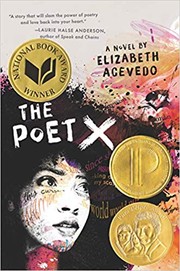
The Poet X
Harlem teen Xiomara finds voice in slam poetry against strict mother, church, and a love she must hide.
2,056-word summary · 9 min read
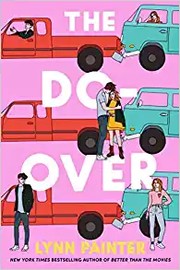
The Do-Over
Emilie relives awful Valentine Day with cheating boyfriend until Nick helps fix it.
2,071-word summary · 9 min read
The Switch
A burned-out consultant and her 79-year-old grandmother swap London and Yorkshire homes for two months, facing grief, dating apps, and village politics.
2,782-word summary · 12 min read
The Longest Ride
A stranded widower relives his marriage while a Wake Forest student and a bull rider test new love in North Carolina.
2,488-word summary · 11 min read
Nick and Charlie: A Heartstopper Novella
Nick is off to university and Charlie is staying behind. One last summer to decide if first love can survive distance.
2,329-word summary · 10 min read