
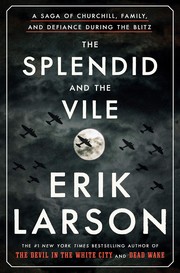
The Splendid and the Vile
2,038-word summary 9 min read 608 pages in the book
- First published
- 2020
- Publisher
- Crown
- Pages
- 608
- ISBN
- 9780385348713
Reading options
What's inside (5 sections)
I read The Splendid and the Vile during a stormy week with news on too loud, and found strange comfort in a book about worse nights survived well. Crown published it February 25, 2020, a 608 page hardcover with ISBN 9780385348713. It is a standalone narrative history about Churchill first year as prime minister through the Blitz, May 1940 to May 1941. Drawing on diaries, archives, and once secret reports, Larson shows how Churchill taught Britain the art of being fearless. If you like history that reads like novels with footnotes, settle in with tea during sirens. This one earns its length.
Churchill takes office May 10, 1940 as Hitler invades Holland. Britain stands alone after Dunkirk. Invasion expected. Bombs nightly. Larson follows Churchill daily through his Secret Circle, family, and staff. Wife Clementine, sharp and tired. Daughter Mary, seventeen, chafing at protectiveness, serving in ack ack units. Son Randolph and wife Pamela with lover American emissary. Private secretary Colville with meticulous illegal diary. Advisers Lindemann the science oddball, Beaverbrook the press lord, Dowding the air chief. Each gets chapters. Each feels human, not statue. Churchill himself naps, bathes, dictates in bed, charms, rages. His eloquence binds country and family together, as Larson argues. Speeches mattered as much as Spitfires. Read them aloud after chapters. They still lift.
The Blitz as lived, not just mapped, is the book achievement. Nightly raids from September 1940. Café de Paris deaths just before Mary was to arrive. Streets cratered. Sleep broken. Larson alternates cabinet rooms with shelters, Chequers weekends with Ditchley moonbright retreats when bombing threat highest, 10 Downing rooms shaking. Ordinary Britons get pages too, though fewer than Churchills. A fireman. A shopgirl. Their diaries show fear and humor coexisting. Keep calm signs not yet cliché. People sang in shelters, queued with jokes, grumbled about tea rationing that Lindemann fought. That texture keeps 600 pages turning. You feel tired with them, then lifted by Churchill speech. Rhetoric as caffeine. Take sips. Do not overdose. Even heroes slept badly. Larson shows bags under eyes. Good. Leaders tire too. That honesty steadies more than myth.
Diaries and domestic drama
Diaries carry the book intimacy and deserve praise as sources. Colville diary, meticulous and illegal for secrets revealed, gives day by day Churchill moods. Mary diary gives teen view of war, dances cancelled, boys in uniform, father famous and embarrassing. Pamela letters give affair ache. Larson quotes generously but selects. Readers hear voices, not just facts. That intimacy is why the book succeeds where drier histories stall. You know what Churchill ate for breakfast before big speeches. You know Mary blushed when a pilot looked. Trivia? No. Humanity that makes courage credible. Heroes who eat kippers fear bombs too. Remember when leading through crisis. Share breakfast details, not just orders. People follow humans, not statues. Churchill knew. Napped openly. Cried openly. Led openly. Copy that openness in your own small Blitzes. Name fear. Share tea. Keep going.
Domestic drama at Chequers and Ditchley balances cabinet war. Weekends with family, guests, movies, séances? Actually with talk late into night. Clementine manages staff, budgets, husband moods. She challenges him when others flatter. Their marriage, long and tempestuous, holds the book emotional center. Randolph brings scandal. Pamela brings American alliance via lover. Mary brings youth that reminds old men what they defend. Larson braids political brinkmanship with these intimate scenes, as PW notes. Dunkirk evacuation debated over dinner. French surrender news broken by cigar passing and song chanting. That juxtaposition, monumental with mundane, is history as lived. Big decisions happen between bites. Remember when studying leadership. Check dinner tables, not just war rooms. Who passes cigars matters. Churchill passed. Country breathed. Small rituals bind more than orders. Keep yours during hard years. Sing refrains. Pass tea. Persist.
Lindemann tea science and Hess flight add color some call digressive. Lindemann argued tea should not be rationed with multifaceted bad science. Larson includes to show circle quirks. Hess flew to Scotland with peace delusions. Larson covers to show Nazi weirdness. Both episodes slow main Blitz arc but enrich. Skim if impatient. Better to savor. History includes oddballs. They humanize. The book at 608 pages has room. Use it. If overwhelmed, focus Mary and Colville threads. They guide through. Others enrich. No quiz after. Enjoy odd tea debates. They remind that even apocalypses include admin about beverages. Normalcy persists. That persistence is defiance. Drink tea during sirens. Churchill did. So can you, metaphorically, during news storms. Small comforts hold.
Leadership and fearlessness
Leadership lesson, the art of being fearless, needs critical thought because Larson admires Churchill deeply. He shows eloquence, courage, perseverance binding country and family. Speeches quoted at length prove. We shall fight. Finest hour. Those words worked then and move now. But Larson also notes Churchill flaws. Drinking. Mood swings. Gallipoli past. Love of war a little too much. He does not whitewash. He balances. Readers should too. Admire rhetoric and resolve. Question empire nostalgia and civilian costs. Londoners died while Churchill dined well in bunkers. Acknowledge gap without dismissing courage. Both true. History needs both hands. Clap carefully. Learn rhetoric for your own hard times. Speak plainly. Admit fear. Promise effort, not victory. Then work. That is usable Churchill without worship. Take it to school boards, clinics, teams. Fearless art, not fearless myth. Practice daily.
Family as lens for leadership works because Churchill circle was family, literal and chosen. Clementine steadies. Mary softens. Colville records. Beaverbrook pushes. Each tells Churchill truths others will not. Larson argues Secret Circle made courage possible. Lone heroes mythologize. Circles sustain. Apply to your life. Who tells you truth at midnight. Keep them near. Feed them. Listen when tired. Churchill did, mostly, after bluster. That mostly saved Britain. Mostly is enough for humans. Aim for mostly. Forgive misses. Keep circle tight and honest. Ditchley weekends were strategy as much as rest. Talk freely where bombs cannot hear. Then return to London and perform calm. Performance matters too. People watch leaders faces. Show tired but steady. Not false cheer. Steady. Practice in mirror before meetings. Breathe. Speak. Persist. Country, family, team will follow steadier than fearless. Larson proves across 600 pages. Read them. Then lead a little better through your own Blitz, whatever form bombers take now.
Who should read. Adults and older teens ready for war history fit best. There is bombing death, politics, no explicit content. Fans of Larson Devil in White City, Dead Wake will feel home. Pair with Matter? Actually with In the Garden of Beasts for Berlin view, or with Churchill speeches audio for voice. Read with maps of London. Track Blitz nights. Note Chequers versus Downing. Expect to cry once when Mary dances after raid. Joy persists. That persistence is the book gift. Be fearless in art, not denial. Feel fear. Act anyway. Teach others by showing up nightly, like Churchill to roofs to watch. Do not watch bombs literally. Watch people. Reassure with presence. Words help after. Presence first. Good.
Mary, Colville, and daily courage
Mary Churchill as teen lens deserves love because she humanizes epic. Seventeen when book opens, chafing at protectiveness, serving in ack ack units, dancing when leave allows. Her diary gives Blitz from young eyes. Bombs interrupt dates. Friends die. Father famous and embarrassing. She loves him fiercely and wishes he were ordinary sometimes. Larson quotes her generously. Readers hear youth amid war. That youth matters because Britain fought for futures like hers. When she dances after raid, joy persists as defiance. Not denial. Defiance. Young readers should note her service. She worked searchlights while scared. Courage is not absence of fear. It is showing up tired. Mary shows up. So can teens in hard years now. Different dangers, same showing. Go to school tired. Help neighbors. Dance when possible. That dancing is not frivolity. It is proof life continues. Keep dancing after sirens. Churchill would nod. Mary would save you a dance. Accept. Twirl. Then return to post. Good.
Colville diary as record keeper needs praise as history craft. Private secretary, young, meticulous, illegal for secrets revealed. He notes Churchill moods, meals, naps, rages. He records cabinet debates verbatim enough to trust. Without him, Larson book thins. With him, days breathe. Readers learn how history gets written. Someone stays late and writes. Be that person in your own circles. Keep notes during hard times. Future will thank. Colville also grows. Starts starstruck. Learns to advise gently. Tells Churchill hard truths about bombing accuracy. That telling risks career and helps country. Staff who speak truth to tired leaders save more than flatterers. Practice in meetings. Note moods. Speak kindly once. Then persist. Leaders need Colvilles more than cheers. Be one. Write it down. History thanks note takers. So do teams now. Keep diary during your own Blitz, whatever form. Reread later. See courage you missed while living. Smile. Continue.
Family circle as leadership model closes the book with usable wisdom beyond war. Churchill Secret Circle, family plus advisers, ate, argued, slept near. That closeness built trust for hard calls. Larson shows weekends at Chequers and Ditchley as strategy, not rest. Talk freely where bombs cannot hear. Then return to London and perform calm. Apply to your life. Keep a circle that tells truth at midnight. Feed them. Listen when tired. Perform steady by day. People watch leaders faces. Show tired but steady. Not false cheer. Steady. Practice in mirror before meetings. Breathe. Speak. Persist. Country, family, team will follow steadier than fearless. Mostly is enough for humans. Aim for mostly. Forgive misses. Keep circle tight and honest. Ditchley weekends were strategy as much as rest. Talk freely where bombs cannot hear. Then return and perform calm. That rhythm sustains through long Blitzes, personal or national. Keep rhythm. Eat together. Talk late. Sleep when moon bright. Return. Persist. Good.
Blitz nights as lived experience need sensory detail because Larson excels at nights. Sirens wail. Searchlights sweep. Bombs whistle then crump. Fires glow. Shelters smell of damp wool and tea. Mary works searchlights though scared of heights. Colville drives through rubble to Downing. Churchill naps between raids with cat on lap. Those details keep 600 pages turning. You feel tired with them, then lifted by speeches. Rhetoric as caffeine. Take sips. Do not overdose. Even heroes slept badly. Larson shows bags under eyes. Good. Leaders tire too. That honesty steadies more than myth. Read night chapters slowly. Hear sirens. Smell smoke. Feel relief at all clear. Then keep reading. Dawn comes. Work resumes. Persist. That rhythm sustains through long Blitzes. Practice in your own hard years. Sleep when moon bright. Work when sirens fade. Keep circle close. Eat together. Talk late. Return. Persist. Good.
Chequers weekends as strategy, not rest, show leadership craft worth stealing for hard years. Talk freely where bombs cannot hear. Then return to London and perform calm. Apply to your life. Keep a circle that tells truth at midnight. Feed them. Listen when tired. Perform steady by day. People watch leaders faces. Show tired but steady. Not false cheer. Steady. Practice in mirror before meetings. Breathe. Speak. Persist. Country, family, team will follow steadier than fearless. Mostly is enough for humans. Aim for mostly. Forgive misses. Keep circle tight and honest. Weekends were strategy as much as rest. Talk freely where bombs cannot hear. Then return and perform calm. That rhythm sustains through long Blitzes, personal or national. Keep rhythm. Eat together. Talk late. Sleep when moon bright. Return. Persist. Good.
Mary diary gives Blitz from young eyes that history needs. Bombs interrupt dates. Friends die. Father famous and embarrassing. She loves him fiercely and wishes he were ordinary sometimes. Larson quotes her generously. Readers hear youth amid war. That youth matters because Britain fought for futures like hers. When she dances after raid, joy persists as defiance. Not denial. Defiance. Young readers should note her service. She worked searchlights while scared. Courage is not absence of fear. It is showing up tired. Mary shows up. So can teens in hard years now. Different dangers, same showing. Go to school tired. Help neighbors. Dance when possible. That dancing is not frivolity. It is proof life continues. Keep dancing after sirens. Good.
FAQ
When was it published?
Crown published it February 25, 2020. The hardcover runs 608 pages with ISBN 9780385348713.
Is it part of a series?
No. It is a standalone narrative history.
Who should read it?
Adults and older teens fit best. There is war death and politics.
Similar books

In the Garden of Beasts
Ambassador Dodd takes his family to 1933 Berlin and watches charm curdle into terror.
1,927-word summary · 9 min read

The Zookeeper's Wife: A War Story
The directors of the Warsaw Zoo hid roughly three hundred Jews in empty cages and outbuildings after the German invasion, while Jan worked for the resistance.
2,065-word summary · 9 min read
Killing Lincoln
Booth plots as Lincoln pushes war end and reunion in 1865.
2,486-word summary · 11 min read
Cleopatra: A Life
Pulitzer winner Schiff restores Cleopatra as a capable ruler, from Ptolemy debts and Caesar to Antony, Actium, and her death in 30 BC, built from coins and…
3,586-word summary · 16 min read
Band of Brothers
Easy Company, 506th Airborne, from Toccoa training through D-Day, Holland, Bastogne, and Hitler's Eagle's Nest.
2,685-word summary · 12 min read
American Sniper: The Autobiography of the Most Lethal Sniper in U.S. Military History
Navy SEAL sniper Chris Kyle recounts Texas roots, SEAL training, four Iraq tours, and the strain combat placed on his marriage and health.
2,011-word summary · 9 min read
Unbroken
Louis Zamperini survives a Pacific crash, sharks and POW camps after running in the Berlin Olympics.
3,263-word summary · 15 min read
Dead Wake
Larson tracks Lusitania, U-20, and Room 40 toward May 1915 sinking.
2,471-word summary · 11 min read

Long Walk to Freedom
Mandela's account of a Thembu childhood, a law practice, a banned movement, twenty-seven years in prison, and the negotiation that ended apartheid.
2,454-word summary · 11 min read
The Wright Brothers
David McCullough tells the story of two self-taught Ohio brothers, working largely alone and out of a bicycle shop, who solved the problem of flight before…
2,027-word summary · 9 min read
Lone Survivor: The Eyewitness Account of Operation Redwing and the Lost Heroes of SEAL Team 10
Marcus Luttrell's account of the 2005 SEAL mission in Afghanistan that killed three of his team and left him alone.
2,144-word summary · 10 min read

Bury My Heart at Wounded Knee: An Indian History of the American West
Dee Brown's 1970 retelling of the American West from the point of view of the people it destroyed.
2,233-word summary · 10 min read
The Letters of Vincent van Gogh
Vincent van Gogh's letters to his brother Theo, in a Penguin Classics selection edited by Ronald de Leeuw, trace a decade of work, faith, and obsession.
2,611-word summary · 12 min read
Catherine the Great: Portrait of a Woman
A German princess survives a miserable marriage and a coup to rule Russia for thirty-four years, torn between Enlightenment ideas and absolute power.
2,065-word summary · 9 min read

The Warmth of Other Suns
Three migrants ride north out of Jim Crow toward Chicago and LA.
2,561-word summary · 11 min read

The Emperor of All Maladies
A biography of cancer from Galen to chemo through one doctor cases.
2,255-word summary · 10 min read
Hidden Figures
Black women computers at Langley launch rockets past Jim Crow.
2,385-word summary · 11 min read

Wild Swans
Three generations of women survive warlords, revolution, and the Cultural Revolution in Jung Chang's family memoir.
2,356-word summary · 10 min read
The Surgeon of Crowthorne
James Murray built the Oxford dictionary with Broadmoor inmate William Minor, whose thousands of slips shaped this 1998 HarperCollins story of murder, madness…
2,775-word summary · 12 min read
A Beautiful Mind
Mathematician John Nash's brilliant game theory rise, schizophrenia collapse, and Nobel return, with wife Alicia's care.
2,142-word summary · 10 min read
The Rise and Fall of the Third Reich: A History of Nazi Germany
A Berlin correspondent turned historian traces Nazi Germany from beer halls to bunker using eyewitness memory and captured German records.
3,559-word summary · 16 min read
Days of Love and Rage
Six Syrians build a short democracy in Manbij, then watch inequality and ISIS undo it.
2,022-word summary · 9 min read

Cosmic Music
The first full biography of Alice Coltrane, from Detroit church piano to ashram guru.
2,048-word summary · 9 min read
Einstein: His Life and Universe
Isaacson traces Einstein from patent clerk to world fame using newly opened papers, through 1905, relativity, exile, and the long unified theory search.
2,773-word summary · 12 min read
A Long Way Gone: Memoirs of a Boy Soldier
A Sierra Leone boy flees rebels, becomes a child soldier at thirteen, and fights his way back through rehab.
2,434-word summary · 11 min read
1776
Washington's amateur army from Boston siege to Trenton through mud and doubt.
2,139-word summary · 10 min read
John Adams
McCullough follows Adams from Braintree lawyer to second president.
2,515-word summary · 11 min read
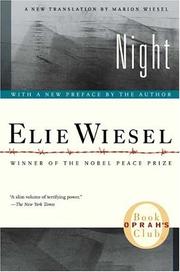
Night
Elie Wiesel's account of Sighet, the cattle cars, Auschwitz and Buchenwald, told in short flat sections by a boy about fifteen. Why the book carries the year…
2,594-word summary · 12 min read

The Diary of a Young Girl
Anne Frank's diary explained: two years in the Secret Annex, the entries on fear and boredom, what Otto Frank cut, and why the book still reads like a…
1,913-word summary · 9 min read
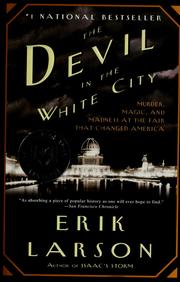
The Devil in the White City
Architect Burnham builds the 1893 Chicago Fair while H.H. Holmes builds his murder hotel nearby.
2,020-word summary · 9 min read