

Cosmic Music
2,048-word summary 9 min read 480 pages in the book
- First published
- 2026
- Publisher
- Da Capo
- Pages
- 480
- ISBN
- 9780306836169
Reading options
What's inside (15 sections)
Alice Coltrane spent decades being introduced as John's wife first and a visionary second. Beta's biography sets out to fix that, and at 480 pages it makes its case thoroughly. This is the first full-length life of her, built on interviews and archives, and it reads like the record it describes: layered, questing, occasionally overwhelming, ultimately transporting.
I came in knowing the broad strokes and left with a converted listener's zeal. Even if you never play spiritual jazz, the story of Alice McLeod becoming Swamini Turiyasangitananda is worth your hours.
Detroit to Paris
Alice McLeod grows up in Detroit gospel culture with serious keyboard talent and serious discipline. Church piano, classical study, Bud Powell up close: the early chapters show a musician assembling herself piece by piece. Her sister's Motown songwriting success forms a fascinating backdrop. Talent ran in the family. So did determination.
Beta is good on the gendered math of the jazz world. A woman pianist in the early sixties faced rooms that assumed she belonged to someone else's band. Alice's stint with Terry Gibbs and her session work get their due here, not as footnotes to later fame but as craft years. The Paris study period adds classical weight to her gospel foundation.
Her first marriage to Kenny Hagood gets honest, brief treatment: a mismatch worsened by his drug abuse, ended, survived. Beta neither sensationalizes nor skips it. The divorce sends her back to Michigan gigs and, fatefully, into the orbit of a saxophonist looking for a pianist who could follow him anywhere.
With John
The Coltrane partnership chapters form the book's heart. Alice joins John's band as an equal, holding her own through the music's most searching years. Beta stresses collaboration over muse mythology. She shaped the sound, not just the household. Session details and tour anecdotes show two ferocious intellects pushing each other.
Their shared spiritual quest deepens the bond. Reading the Gita and Zen texts together, studying with teachers, building a household organized around practice: the domestic and the cosmic fuse. Beta handles the famous intensity of John's late period with care, giving Alice's perspective on music some critics heard as chaos.
John's death ends this section like a door slamming. Beta does not linger exploitatively. The grief is presented as both personal devastation and artistic crisis. What does a musician do when her primary collaborator and husband dies at the height of their joint search? Alice's answer took years and cost plenty.
Her own records
The solo career chapters are the revelation for most readers, me included. Album by album, Beta traces Alice finding her own language: harp, organ, strings, drones, chants. Records that confused critics on arrival now sound prophetic. The famous ashram period gets full, respectful treatment rather than exoticizing gloss.
Her turn as Swamini, leading a community in California, receives the book's most delicate writing. Beta takes her faith seriously while reporting the frictions honestly. Money, authority, devotion: all present, all complicated. Former members speak with love mixed with clear eyes. The portrait that emerges is of a genuine seeker who sometimes failed the people nearest her.
The influence argument builds quietly and then lands hard. Stevie Wonder, Santana, Nina Simone connections. Younger artists from Radiohead and Bjork to David Byrne and Doja Cat citing her. Electronic and ambient musicians treating her as scripture. By the final chapters the case is closed: Alice Coltrane stands among the century's great musical minds.
The research
Beta's journalism shows. Scores of new interviews, archive dives, sessionography care: the apparatus impresses without clogging the narrative. He corrects specific historical slights, like reviews that heard only John's shadow in her playing, with receipts rather than rhetoric.
The middle sags slightly under discographical weight. Readers who do not know the records may skim the track-by-track passages. A playlist companion would have helped, though the text names the essential listens clearly enough. The Stevie Wonder and Santana chapters could each have been longer.
Still, as a corrective biography it succeeds completely. Alice emerges as collaborator, leader, guru, mother, and difficult, searching human. The condescension Beta identifies in old coverage becomes impossible to unsee. Whatever you thought you knew about the Coltrane story, this book rearranges it.
Who should read it
Jazz fans need no push. Beyond them: readers of musical biography, spiritual seekers with critical minds, anyone interested in women whom history filed under their husbands. The 480 pages move faster than the count suggests, carried by Beta's lyrical but grounded prose.
Essential, overdue, and alive. Alice Coltrane finally gets the book she deserved, and it sings.
The ashram years up close
The California ashram chapters form the book's most original contribution. Previous coverage treated this period as eccentricity or decline. Beta shows it as the logical extension of everything before: communal living as ensemble playing, spiritual teaching as composition, devotion as practice. The daily routine descriptions fascinate.
Former members speak with striking candor. Love for Alice mixes with clear-eyed accounts of control, money pressures, and the costs of absolute devotion. Beta neither debunks nor hagiographs. He presents a teacher who gave followers genuine peace and sometimes took too much in return. The complexity feels honest rather than hedged.
Her output during these years gets serious critical attention for the first time. Records dismissed as marginalia get track-level analysis. Beta argues, convincingly, that the ashram music extends her jazz innovations rather than abandoning them. Call-and-response singing works like ensemble improvisation. Devotion becomes another instrument.
The influence map
Beta's influence tracing is worth the price alone. The Stevie Wonder connection gets full detail: mutual admiration, shared spiritual vocabulary, concrete musical debts. Santana's advocacy, Nina Simone's parallel path, the younger seekers from hip-hop and electronic scenes: each link is documented, not asserted.
The Radiohead, Bjork, and Byrne citations matter because they show influence crossing genre walls. Alice's harp textures and drone structures surface in places jazz histories never look. Beta follows the sound rather than the category, which is exactly how influence actually travels. Doja Cat's admiration might surprise, but the book makes the case with specifics.
For working musicians, the technical passages reward attention. Beta describes her harp technique, organ registrations, and arranging choices with a player's ear. Non-musicians can follow the emotional argument without the jargon. Both audiences get fed, a rare trick in music biography.
Correcting the record
The book's quiet fury at decades of condescension gives it spine. Review after review heard John's wife instead of Alice the artist. Beta quotes the worst offenders briefly, then buries them in evidence. Session logs, chart positions, musician testimony: the receipts accumulate until the old narrative collapses.
He is particularly good on the sideman myth. Alice did not decorate John's band. She drove it harmonically through its most searching period, and fellow players say so on the record. The book restores her from accompanist to co-creator without diminishing John. There was simply more genius in the room than history recorded.
The gender analysis stays sharp throughout. Alice faced rooms that assumed incompetence, critics who heard biography instead of music, an industry that filed her under family. Beta connects these specifics to broader patterns without turning chapters into lectures. The personal stays personal, which makes the political land harder.
Listening forward
The book ends with Alice's legacy still growing, and that feels right. Young jazz players, ambient producers, spiritual seekers: all still finding her. Beta suggests her moment is arriving fifty years late, which matches how the culture absorbs difficult women artists generally.
Newcomers should start with Journey in Satchidananda, then the ashram records, then circle back to the Impulse years. Beta's listening guidance throughout makes an ideal companion. Read with the music on and the phone off.
A landmark biography of a landmark artist. Long overdue, fully worth the wait.
What changes now
Biographies this thorough rearrange shelves. Expect Alice reissues with new liner notes citing Beta. Expect syllabi adding her records to jazz history courses that skipped her. Expect young musicians discovering through these pages what older heads hoarded. The book functions as both history and invitation.
The critical conversation should shift too. Old reviews patronized; new ones will need to engage. Beta supplies the vocabulary: specific harmonic analysis, documented influence, session facts. Future critics cannot plead ignorance anymore. The record, literally and figuratively, now exists in one place.
For general readers, the book models how to approach unfamiliar music with curiosity over credentials. You do not need theory to feel what Beta describes. His prose points at sounds the way good travel writing points at views. Follow the pointer. The view delivers.
Libraries and book groups take note. The chapters divide neatly for discussion, the themes invite argument, the music begs companion listening. Few biographies work this well as shared experiences. Play a record per meeting. Watch consensus form and fracture. That is exactly what great music books should provoke.
Detroit gospel to world stage
The early-years research impresses most. Beta reconstructs a whole musical ecosystem: church mothers, piano teachers, local heroes, the particular pressure of Motor City expectations. Alice's path through it looks less like destiny than stubbornness. She practiced past everyone's plans for her, including her own family's.
The Bud Powell connection gets its full due. Studying with a troubled genius up close taught technique and warning in equal measure. Powell's brilliance and fragility previewed the divine madness Alice would later navigate herself. Beta draws the line carefully without reducing either figure to lesson.
Paris adds the classical layer that separated Alice from peers. Conservatory discipline, concert halls, a different relationship to notation and improvisation. Her later ability to move between gospel feeling and European structure starts here. Few jazz biographies treat training this seriously. Beta knows chops matter.
Motown on the periphery provides fascinating counterpoint. While her sister wrote hits, Alice pursued art music's harder road. The sisters' divergent paths illuminate the industry's narrow gates for Black women. Both succeeded. Only one got rich. Beta lets that fact sit without milking it.
Marriage as collaboration
Beta's central revision concerns the Coltrane marriage years. Old coverage framed Alice as helpmeet and witness. Session evidence shows a partner shaping direction: suggesting structures, voicing harmonies, holding the band together through John's final searching phase. Fellow musicians confirm it repeatedly.
The domestic portrait avoids both sanctimony and gossip. Two driven artists sharing practice rooms, children, and spiritual hunger: beautiful and difficult in equal measure. Beta shows the labor division honestly. Alice carried household weight that history ignored while creating music history ignored harder.
Their joint spiritual quest gets respectful, specific treatment. Reading lists, teachers visited, practices adopted and abandoned. This was not celebrity dabbling but serious seeking by two rigorous minds. The book takes their beliefs as lived reality rather than colorful background, which is rarer in music writing than it should be.
After John's death, the widowhood chapters ache. Bills, bandmates' expectations, children, grief, and a musical world unsure what to do with her. Alice's decision to lead rather than memorialize took steel the book finally credits. Her first records as a leader sound like someone clearing a room to work in.
The guru question
No honest biography could skip the hard questions about the ashram, and Beta does not. Devotees gave money, labor, obedience. Power concentrated. Harm occurred alongside genuine community and growth. Former members speak in complicated paragraphs, not sound bites. The book holds all of it without flinching.
Alice's own writings from the period help enormously. Beta quotes teachings that show real insight alongside real blind spots. Her synthesis of traditions impressed serious seekers and worried traditionalists in every faith she touched. The controversy was substantive, not just gossip. Ideas were at stake alongside personalities.
What redeems the period, in Beta's telling, is the music. Whatever the ashram's flaws, it produced extraordinary recordings that outlive every dispute. Art made under compromised conditions still moves strangers decades later. That paradox sits at the book's center and never resolves. It should not resolve. It should ring.
Readers uncomfortable with gurus may still find value in the artistic account. Readers devoted to them will find the criticism fair. Beta's even hand across four hundred pages is itself an achievement. Fierce clarity without cruelty describes both subject and biographer.
FAQ
When was it published?
Da Capo published it on March 3, 2026. The hardcover runs 480 pages with ISBN 9780306836169.
Is it part of a series?
No. It is a standalone biography, the first full-length one of Alice Coltrane.
Who fills the pages?
Alice McLeod Coltrane Turiyasangitananda, John Coltrane, Bud Powell, and a cast from Stevie Wonder to Doja Cat.
Similar books

Long Walk to Freedom
Mandela's account of a Thembu childhood, a law practice, a banned movement, twenty-seven years in prison, and the negotiation that ended apartheid.
2,454-word summary · 11 min read
The Wright Brothers
David McCullough tells the story of two self-taught Ohio brothers, working largely alone and out of a bicycle shop, who solved the problem of flight before…
2,027-word summary · 9 min read
Life
The Rolling Stones guitarist tells his own story: a Dartford childhood, the band's first gigs, the drug raids, the tax years and Patti Hansen.
2,761-word summary · 12 min read

The Letters of Vincent van Gogh
Vincent van Gogh's letters to his brother Theo, in a Penguin Classics selection edited by Ronald de Leeuw, trace a decade of work, faith, and obsession.
2,611-word summary · 12 min read
Catherine the Great: Portrait of a Woman
A German princess survives a miserable marriage and a coup to rule Russia for thirty-four years, torn between Enlightenment ideas and absolute power.
2,065-word summary · 9 min read

The Warmth of Other Suns
Three migrants ride north out of Jim Crow toward Chicago and LA.
2,561-word summary · 11 min read

The Emperor of All Maladies
A biography of cancer from Galen to chemo through one doctor cases.
2,255-word summary · 10 min read

Killing Lincoln
Booth plots as Lincoln pushes war end and reunion in 1865.
2,486-word summary · 11 min read
Hidden Figures
Black women computers at Langley launch rockets past Jim Crow.
2,385-word summary · 11 min read

Wild Swans
Three generations of women survive warlords, revolution, and the Cultural Revolution in Jung Chang's family memoir.
2,356-word summary · 10 min read

The Surgeon of Crowthorne
James Murray built the Oxford dictionary with Broadmoor inmate William Minor, whose thousands of slips shaped this 1998 HarperCollins story of murder, madness…
2,775-word summary · 12 min read

Cleopatra: A Life
Pulitzer winner Schiff restores Cleopatra as a capable ruler, from Ptolemy debts and Caesar to Antony, Actium, and her death in 30 BC, built from coins and…
3,586-word summary · 16 min read

The Splendid and the Vile
Larson follows Churchill circle through Blitz year with diaries and bombing nights.
2,038-word summary · 9 min read

American Sniper: The Autobiography of the Most Lethal Sniper in U.S. Military History
Navy SEAL sniper Chris Kyle recounts Texas roots, SEAL training, four Iraq tours, and the strain combat placed on his marriage and health.
2,011-word summary · 9 min read

A Beautiful Mind
Mathematician John Nash's brilliant game theory rise, schizophrenia collapse, and Nobel return, with wife Alicia's care.
2,142-word summary · 10 min read

Einstein: His Life and Universe
Isaacson traces Einstein from patent clerk to world fame using newly opened papers, through 1905, relativity, exile, and the long unified theory search.
2,773-word summary · 12 min read

In the Garden of Beasts
Ambassador Dodd takes his family to 1933 Berlin and watches charm curdle into terror.
1,927-word summary · 9 min read

1776
Washington's amateur army from Boston siege to Trenton through mud and doubt.
2,139-word summary · 10 min read

John Adams
McCullough follows Adams from Braintree lawyer to second president.
2,515-word summary · 11 min read
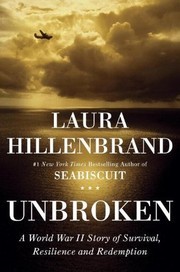
Unbroken
Louis Zamperini survives a Pacific crash, sharks and POW camps after running in the Berlin Olympics.
3,263-word summary · 15 min read

The Zookeeper's Wife: A War Story
The directors of the Warsaw Zoo hid roughly three hundred Jews in empty cages and outbuildings after the German invasion, while Jan worked for the resistance.
2,065-word summary · 9 min read

Sybil
A 1973 case study of a woman treated for multiple personalities, and the book that made dissociative identity disorder a household phrase.
2,054-word summary · 9 min read

1491: New Revelations of the Americas Before Columbus
Charles C. Mann gathers archaeology, ecology, and demography to argue that the Americas before Columbus were older, fuller, and more deliberately shaped than…
2,712-word summary · 12 min read

The DaVinci Code: A Quest for Answers
A short 2006 dialogue in which three friends test Dan Brown's claims about Jesus, Mary Magdalene, Nicaea, and the canon.
2,088-word summary · 9 min read
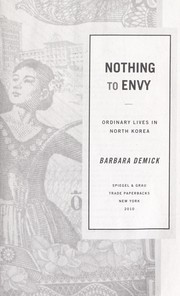
Nothing to Envy
Barbara Demick follows six defectors from Chongjin through the North Korean famine, showing how ordinary people lived, believed, and finally left.
2,068-word summary · 9 min read

Infidel
Ayaan Hirsi Ali's memoir of a Somali childhood, a forced marriage, a Dutch asylum claim, and the political fight that followed the murder of Theo van Gogh.
2,041-word summary · 9 min read
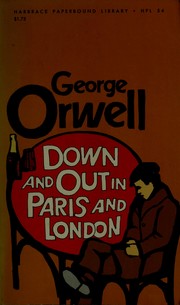
Down and Out in Paris and London
Orwell's account of washing dishes in Paris hotels and tramping through London does not ask for pity, only for a clear look at how poverty actually works.
2,282-word summary · 10 min read

The Girl with Seven Names: A North Korean Defector's Story
Hyeonseo Lee crossed the frozen Yalu River at seventeen, spent years hidden in China, escaped to South Korea, and later returned to rescue her family.
2,404-word summary · 11 min read
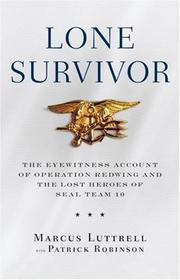
Lone Survivor: The Eyewitness Account of Operation Redwing and the Lost Heroes of SEAL Team 10
Marcus Luttrell's account of the 2005 SEAL mission in Afghanistan that killed three of his team and left him alone.
2,144-word summary · 10 min read

Bury My Heart at Wounded Knee: An Indian History of the American West
Dee Brown's 1970 retelling of the American West from the point of view of the people it destroyed.
2,233-word summary · 10 min read