
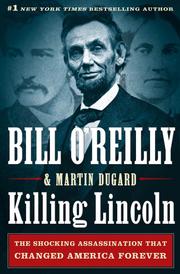
Killing Lincoln
2,486-word summary 11 min read 336 pages in the book
- First published
- 2011
- Publisher
- Henry Holt and Company
- Pages
- 336
- ISBN
- 9780805093070
Reading options
What's inside (8 sections)
I came to Killing Lincoln because I wanted a short Civil War book that moved like a thriller and did not require a month of evenings. A friend who watches a lot of cable news had told me it reads fast, and the copy at the library was thin enough to carry around. I knew going in that Bill O'Reilly wrote it with Martin Dugard, and that historians argue about how much it simplifies. I still wanted to see how the last month of the war and the murder at Ford's Theatre could fit into one popular history book.
What surprised me was how much of the book is really about exhaustion. Lincoln is tired. Grant is tired. Lee is tired. Richmond civilians are hungry and cold. Washington is crowded with wounded men and office seekers. O'Reilly and Dugard do not open with a slow march through causes of the war. They start near the end, in March 1865, when everyone can see the Confederacy is losing but no one knows how many more men will die before it stops. That choice gives the book its pace. Every chapter feels like a countdown.
The style is plain on purpose. Short chapters. Lots of dates and times. Frequent cuts between Washington, the battle lines in Virginia, and John Wilkes Booth moving through Maryland and Washington bars and boardinghouses. There are maps and photographs in the print edition that help keep names straight.
Lincoln in March 1865
The book spends its first part on Lincoln as a wartime manager trying to close out the fighting without poisoning the peace. He has just started his second term. His second inaugural address is short and somber, ending with the call for charity toward all sides. O'Reilly presents that speech as the key to Lincoln's plan. Punish no one for sport. Bring the Southern states back quickly. Keep the Union army from turning occupation into revenge.
That sounds simple, but the book shows how crowded Lincoln's days were. Visitors line up at the White House for jobs and pardons. His son Robert has joined Grant's staff, which worries Mary Lincoln. Secretary of War Edwin Stanton pushes for hard measures and strict control of information. General Ulysses S. Grant sends reports about trenches around Petersburg. Lincoln reads casualty lists and visits hospitals. He sleeps badly and looks older than his fifty six years.
One detail I appreciated was the attention to Lincoln's travel to the front. He goes down to City Point, Virginia, to meet with Grant, Sherman, and Admiral Porter near the end of March. The book turns that meeting into a strategy session about what surrender should mean. Lincoln tells the generals he wants generous terms. Let Confederate soldiers go home. Let them keep their horses for spring planting. Avoid trials for treason where possible. Grant takes that message to heart, and it shapes what happens at Appomattox.
The book also stresses Lincoln's habit of going to the War Department telegraph office late at night. He reads raw reports before newspapers clean them up. When Richmond finally falls, he walks through the burned city with a small guard, sitting in Jefferson Davis's chair.
Grant squeezes Lee
The military thread follows Grant and Robert E. Lee through the last siege around Petersburg and Richmond. Grant has more men and supplies. Lee has skill and interior lines but dwindling food, shoes, and ammunition. The book does a good job explaining why Grant keeps extending his lines to the west. Each move forces Lee to stretch thinner. Each skirmish costs Lee men he cannot replace.
Petersburg matters here because it guards the railroads into Richmond. Cut the rails and Richmond starves. The book walks through Fort Stedman and Five Forks in plain language. After Five Forks, Lee tells Davis that Richmond must be abandoned.
The fall of Richmond is one of the strongest passages. Davis leaves by train on April 2. Warehouses burn. Bridges burn. Mobs loot stores. Union troops enter to find fires and freed Black residents cheering in the streets. Lincoln arrives soon after and tours on foot. The book notes that formerly enslaved people crowded around him, kneeling and calling him father. Lincoln told them to stand and thank God instead. That exchange has been reported in many histories, and O'Reilly keeps it brief.
Then comes Appomattox. Lee tries to march west toward Lynchburg for supplies, but Union cavalry blocks the roads and infantry closes from behind. On April 9, Lee meets Grant in the parlor of the McLean house. Grant is muddy and informal. Lee is dignified in a clean uniform. Grant offers the generous terms Lincoln wanted. Officers keep their sidearms. Soldiers keep private horses and mules. Rations go to hungry Confederates. The book lingers on the moment when Union troops saluted marching Confederates during the formal surrender ceremony days later. It fits the reunion theme O'Reilly wants. War ends not with humiliation but with a handshake that still leaves wounds open.
My criticism of this section is that it moves too fast to explain logistics. The book mentions United States Colored Troops entering Richmond, which is true and important, but it does not pause long on their role. A reader new to the war will understand that Grant won by pressure.
Booth and his circle
Parallel to the war story, the book follows John Wilkes Booth from famous actor to killer. Booth is twenty six, handsome, popular on stage, and furious about Lincoln's policies and the prospect of Black citizenship. He performs in Washington and Richmond, earns good money, and uses his celebrity to move freely. Guards know his face. Clerks cash his checks. Women admire him. That access becomes his weapon.
O'Reilly and Dugard spend time on Booth's early plan, which was kidnapping rather than murder. The idea was to seize Lincoln, carry him across the Potomac into Virginia, and trade him for Confederate prisoners. The book names the men Booth pulled in. David Herold, a young follower eager to belong. George Atzerodt, a carriage maker with debts. Lewis Powell, a tough former Confederate soldier also called Paine. Michael O'Laughlen and Samuel Arnold, old friends. John Surratt, whose mother Mary ran a boardinghouse in Washington where they met. The group watches Lincoln's movements, rents horses and boats, and waits for a chance on a road or at a theater.
The kidnapping plots keep failing. Lincoln changes plans. Guards appear. One attempt aimed at a hospital visit falls apart. The book uses these failures to show Booth growing more bitter as the Confederacy collapses. Richmond falls. Lee surrenders. Lincoln talks about giving Black men the vote in a public speech on April 11. Booth stands in the crowd outside the White House and tells a companion that this will be the last speech Lincoln ever makes. From that point, the book shifts from abduction to murder, and from a prisoner exchange to a coordinated strike against the whole Union leadership.
I found this the most useful part for a general reader because it corrects the lone gunman myth. Booth paid for weapons and lodging and met repeatedly with his group. He assigned Powell to kill Secretary of State William Seward and Atzerodt to kill Vice President Andrew Johnson the same night. Atzerodt lost his nerve. Powell wounded Seward and others, but Seward lived. Johnson was never attacked.
The fair warning here is that dialogue and inner thoughts are reconstructed for pace. We know Booth's letters and statements, hotel registers, and trial testimony. We do not know his exact words in every tavern. O'Reilly writes them as if heard, which keeps pages turning but will annoy readers who prefer footnotes. There are no source notes in the original edition, only a bibliography. That choice drew sharp criticism from academic reviewers when the book came out.
April 14 at Ford's Theatre
The assassination chapters read like a timetable, and that is intentional. Good Friday morning starts with Lincoln holding a cabinet meeting, signing papers, and joking with his guard. He has had a dark dream about a funeral in the White House, which the book mentions without making too much of it. In the afternoon he and Mary decide to attend the comedy Our American Cousin at Ford's Theatre that evening. General Grant was invited but declined to leave town. That absence matters because it removes a strong military presence from the box.
Booth uses the day to prepare. He collects mail, visits stables, checks on weapons, and stops by the theater where he knows the play and the building. He learns that Lincoln will attend and that the box will be lightly guarded. He writes a letter explaining his motives and leaves it to be mailed later. He drinks but stays steady enough to act.
Evening details follow in quick cuts. Lincoln arrives late with Mary, Major Henry Rathbone, and Clara Harris. The audience stands and cheers. The play resumes. Policeman John Parker, assigned to guard the box, leaves his post to watch the show or get a drink, depending on which account you trust. The book treats his absence as fact and as the opening Booth needed. Around 10:15, during a laugh line when the house is noisy, Booth slips into the vestibule behind the box, bars the door, and fires a single derringer ball into the back of Lincoln's head. He shouts something, stabs Rathbone in the arm, leaps to the stage, breaks or sprains his leg on landing, shouts again, and limps out the back to a waiting horse.
The book handles the medical aftermath with care. Charles Leale, a young army surgeon in the audience, reaches the box first and finds Lincoln unresponsive with a wound behind the left ear. He clears a clot, keeps air moving, and helps carry Lincoln across the street to the Petersen House. Other doctors join. Mary weeps in an adjoining room. Cabinet members and Stanton gather through the night. Lincoln never wakes. He dies at 7:22 the next morning, April 15. Stanton's reported line about Lincoln belonging to the ages closes the scene.
What sticks with me is how preventable it feels in hindsight. A guard at the door. A locked box. A canceled theater trip. Any of those might have changed the night. The book does not blame Lincoln for wanting a normal evening after four years of war, and that restraint works. It also avoids turning Booth into a mastermind. He was lucky that night, aided by celebrity, lax procedure, and a noisy laugh line. Planning helped, but luck and negligence helped more.
Escape, manhunt, and trial
The last part follows Booth and Herold out of Washington into Maryland and Virginia. With a broken leg, Booth cannot ride fast or hide easily. He and Herold stop at the Surratt tavern in Surrattsville for weapons left earlier, then push to the farm of Dr. Samuel Mudd, who sets the leg and later claimed he did not recognize his patient. Whether Mudd knew remains debated, and the book leans toward guilt. From there the pair hide in woods and swamps, cross the Potomac by boat with help from Confederate sympathizers, and reach the farm of Richard Garrett near Port Royal, Virginia.
The manhunt chapters show Stanton taking charge. Telegrams fly. Cavalry patrols search roads and ferries. On April 26, twelve days after the shooting, a detachment under Edward Doherty and Everton Conger surrounds Garrett's barn. Herold surrenders. Booth refuses. The barn is set alight. Sergeant Boston Corbett shoots Booth through the neck. Booth is dragged out, paralyzed, and dies hours later.
The trial of the other conspirators gets a compact but clear treatment. Mary Surratt, Powell, Herold, and Atzerodt were hanged on July 7, 1865 after a military tribunal. O'Laughlen, Arnold, and Mudd received prison terms at Fort Jefferson. John Surratt fled to Canada and Europe, was later caught, and won a hung jury in civil court. The book notes the controversy around trying civilians by military commission and around hanging Mary Surratt on thin evidence. It does not resolve those debates, which is a weakness if you want legal analysis, but the outline is correct.
I closed this section thinking about Stanton and the government response. Washington locked down quickly. Plots against Seward and Johnson failed or fizzled. The army kept order during mourning and the long funeral train back to Illinois. O'Reilly presents that response as proof of national resilience, and there is truth in it. The government did not collapse. At the same time, the joy of Appomattox curdled into fear and anger, and Reconstruction lost the leader most committed to a lenient reunion. The book states that loss plainly. Without Lincoln, the path from war to peace grew harder and longer.
What works and what wears thin
Killing Lincoln works best as a bridge book. If you have never read about 1865, it gives you the spine of events in order, with people and places you can picture. Richmond burning. The McLean parlor. The box at Ford's. The pine thicket in Maryland. The Garrett barn. The short chapters reward fifteen minute reading sessions. The photographs, maps, and side notes in print break up long stretches of troop movements.
It also keeps Lincoln human rather than marble. He tells stories, teases his staff, grieves his son Willie, argues with Mary, and pardons soldiers when Stanton wants punishment. The reunion message comes through without long speeches. You finish understanding why soldiers on both sides respected him even when they opposed his policies.
The thin parts are real and worth naming. Psychologists would call some passages mind reading. Meetings get dialogue no stenographer recorded. Booth's moods are described from the inside. Dates and core facts check out against standard histories, but the texture is filled in for effect. Scholars also faulted early printings for errors on small points and for the absence of notes, and later editions corrected some lines without adding a full apparatus. If you care about sources, that absence matters.
Pace creates a second tradeoff. To keep speed, the book trims context on slavery, Black troops, Southern Unionists, and Congress. Lincoln's evolving views on emancipation and voting rights appear, especially in the April 11 speech, yet they do not get the space they would in a fuller biography. Women other than Mary Lincoln and Mary Surratt barely register. International pressure from Britain and France gets a nod and moves on.
So read it for what it is. A fast narrative of the war's end and a murder that changed Reconstruction, written by O'Reilly with Dugard for a broad audience. Pair it with something slower. James L. Swanson on the manhunt or Doris Kearns Goodwin on Lincoln's cabinet will fill the gaps.
For a thriller paced history, that is a fair return. Just do not stop here. The book opens the door. Walk through it toward the harder histories next.
FAQ
Did Bill O'Reilly write Killing Lincoln alone?
No. The cover lists Bill O'Reilly, but the book was written with Martin Dugard. Dugard handled much of the historical research and narrative drafting, and the series continued as an O'Reilly and Dugard collaboration.
What time period does Killing Lincoln cover?
It covers roughly March 1865 through the pursuit and trial of the conspirators in the spring and summer of 1865. The focus is the fall of Richmond, the surrender at Appomattox, and the two weeks around the assassination.
Is Killing Lincoln accurate enough to trust?
It works as a fast introduction, but historians have criticized its simplified scenes and lack of source notes. Readers who want deeper analysis should follow it with a scholarly Lincoln book such as Manhunt by James L. Swanson.
Similar books
The Warmth of Other Suns
Three migrants ride north out of Jim Crow toward Chicago and LA.
2,561-word summary · 11 min read
Cleopatra: A Life
Pulitzer winner Schiff restores Cleopatra as a capable ruler, from Ptolemy debts and Caesar to Antony, Actium, and her death in 30 BC, built from coins and…
3,586-word summary · 16 min read
The Splendid and the Vile
Larson follows Churchill circle through Blitz year with diaries and bombing nights.
2,038-word summary · 9 min read
American Sniper: The Autobiography of the Most Lethal Sniper in U.S. Military History
Navy SEAL sniper Chris Kyle recounts Texas roots, SEAL training, four Iraq tours, and the strain combat placed on his marriage and health.
2,011-word summary · 9 min read
John Adams
McCullough follows Adams from Braintree lawyer to second president.
2,515-word summary · 11 min read
Unbroken
Louis Zamperini survives a Pacific crash, sharks and POW camps after running in the Berlin Olympics.
3,263-word summary · 15 min read
The Zookeeper's Wife: A War Story
The directors of the Warsaw Zoo hid roughly three hundred Jews in empty cages and outbuildings after the German invasion, while Jan worked for the resistance.
2,065-word summary · 9 min read

Long Walk to Freedom
Mandela's account of a Thembu childhood, a law practice, a banned movement, twenty-seven years in prison, and the negotiation that ended apartheid.
2,454-word summary · 11 min read
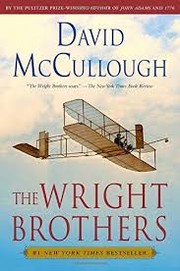
The Wright Brothers
David McCullough tells the story of two self-taught Ohio brothers, working largely alone and out of a bicycle shop, who solved the problem of flight before…
2,027-word summary · 9 min read

Lone Survivor: The Eyewitness Account of Operation Redwing and the Lost Heroes of SEAL Team 10
Marcus Luttrell's account of the 2005 SEAL mission in Afghanistan that killed three of his team and left him alone.
2,144-word summary · 10 min read
Bury My Heart at Wounded Knee: An Indian History of the American West
Dee Brown's 1970 retelling of the American West from the point of view of the people it destroyed.
2,233-word summary · 10 min read
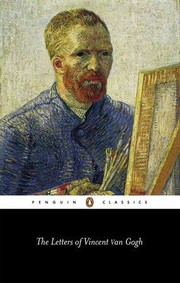
The Letters of Vincent van Gogh
Vincent van Gogh's letters to his brother Theo, in a Penguin Classics selection edited by Ronald de Leeuw, trace a decade of work, faith, and obsession.
2,611-word summary · 12 min read
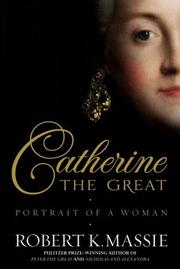
Catherine the Great: Portrait of a Woman
A German princess survives a miserable marriage and a coup to rule Russia for thirty-four years, torn between Enlightenment ideas and absolute power.
2,065-word summary · 9 min read

The Emperor of All Maladies
A biography of cancer from Galen to chemo through one doctor cases.
2,255-word summary · 10 min read
Hidden Figures
Black women computers at Langley launch rockets past Jim Crow.
2,385-word summary · 11 min read
Wild Swans
Three generations of women survive warlords, revolution, and the Cultural Revolution in Jung Chang's family memoir.
2,356-word summary · 10 min read
The Surgeon of Crowthorne
James Murray built the Oxford dictionary with Broadmoor inmate William Minor, whose thousands of slips shaped this 1998 HarperCollins story of murder, madness…
2,775-word summary · 12 min read
Band of Brothers
Easy Company, 506th Airborne, from Toccoa training through D-Day, Holland, Bastogne, and Hitler's Eagle's Nest.
2,685-word summary · 12 min read
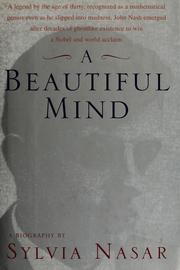
A Beautiful Mind
Mathematician John Nash's brilliant game theory rise, schizophrenia collapse, and Nobel return, with wife Alicia's care.
2,142-word summary · 10 min read
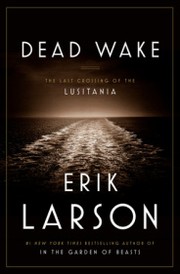
Dead Wake
Larson tracks Lusitania, U-20, and Room 40 toward May 1915 sinking.
2,471-word summary · 11 min read
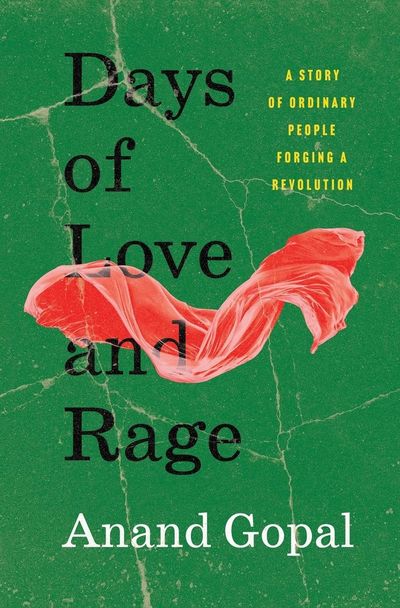
Days of Love and Rage
Six Syrians build a short democracy in Manbij, then watch inequality and ISIS undo it.
2,022-word summary · 9 min read

Cosmic Music
The first full biography of Alice Coltrane, from Detroit church piano to ashram guru.
2,048-word summary · 9 min read
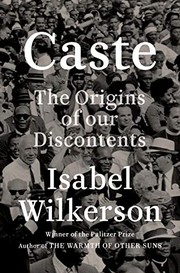
Caste: The Origins of Our Discontents
Wilkerson argues America runs on a hidden caste system, tracing eight pillars across the US, India, and Nazi Germany.
2,629-word summary · 12 min read
Benjamin Franklin: An American Life
Isaacson traces Franklin from Boston runaway to printer, scientist, London agent, Paris diplomat, and founder across 590 vivid pages.
2,149-word summary · 10 min read
Einstein: His Life and Universe
Isaacson traces Einstein from patent clerk to world fame using newly opened papers, through 1905, relativity, exile, and the long unified theory search.
2,773-word summary · 12 min read
A Long Way Gone: Memoirs of a Boy Soldier
A Sierra Leone boy flees rebels, becomes a child soldier at thirteen, and fights his way back through rehab.
2,434-word summary · 11 min read
In the Garden of Beasts
Ambassador Dodd takes his family to 1933 Berlin and watches charm curdle into terror.
1,927-word summary · 9 min read
A People's History of the United States
A bottom-up history of the United States from Columbus to Clinton, told through workers, women, Native nations and Black voices against elite rule.
2,398-word summary · 11 min read
1776
Washington's amateur army from Boston siege to Trenton through mud and doubt.
2,139-word summary · 10 min read

Sybil
A 1973 case study of a woman treated for multiple personalities, and the book that made dissociative identity disorder a household phrase.
2,054-word summary · 9 min read