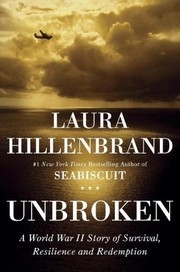
Unbroken
3,263-word summary 15 min read 473 pages in the book
- First published
- 2010
- Publisher
- Random House
- Pages
- 473
- ISBN
- 9781400064168
Reading options
What's inside (9 sections)
Friend, sit with me for this one because Unbroken is a lot. It was published in 2010 by Random House and runs 473 pages in hardcover. It tells the true story of Louis Zamperini, a wild kid from Torrance, California who became an Olympic runner and then an Army Air Forces bombardier in World War II, then a castaway, then a prisoner of war, then a broken man trying to live after. Laura Hillenbrand wrote it after Seabiscuit, and you can feel the same care for research and for underdogs. I read it slow, with breaks, because some parts are brutal and some parts are strangely full of light.
Louie starts as the kid every neighbor warned about. Son of Italian immigrants in Torrance, he steals, fights, smokes, drinks, runs from police across roofs and under trains. His older brother Pete sees something else in him. Pete is a runner and a straight arrow, and he decides Louie will run too. At first Louie hates it. He throws up. He quits. Then he wins. Then he cannot stop winning.
That is where I got hooked. Not because I love sports books, I usually do not, but because Hillenbrand makes Torrance High track feel alive. Cinder tracks, cheap shoes, crowds pressed to fences, Pete shouting splits. Louie goes from joke to star. He sets high school records. He gets the nickname the Torrance Tornado. Newspapers write him up. Colleges call.
He lands at USC on a scholarship. Trains hard. Eats big dining hall meals after years of small home meals. Learns pace and kick. Runs the mile in 4:08, which in 1934 was flying. Misses the 1500 meter Olympic spot by inches and takes the 5000 instead, a longer race he barely knows. He is nineteen, the youngest on the team, sailing to Germany for the 1936 Berlin Olympics.
Berlin is strange and grand. Hitler in the stands. Swastikas on every pole. Leni Riefenstahl cameras. Jesse Owens wrecking the whole master race script in the sprints. Louie rooms with other Americans, trades pins, stares at the city trying to look clean for visitors. In the 5000 final he is outclassed early, boxed, bumped, left behind. Then on the last lap he runs 56 seconds flat, a furious kick that pulls him to eighth. The crowd roars. Hitler reportedly wants to meet the fast finisher. Louie gets a moment, a photo, a story to tell for life. He plans to win gold in Tokyo in 1940. War cancels those Games. That canceled future hangs over everything after.
From Torrance Troublemaker to Berlin Runner
Pete deserves his own paragraph here because without Pete there is no Louie. Pete builds Louie workouts from nothing. Repeat quarters. Long Sunday runs. No smoking, no drinking. Pete rides a bike beside him shouting. When Louie wants to quit, Pete shames him and loves him in the same breath. It is brother coaching at its best and most annoying. Anyone who had an older sibling push them will feel it.
Torrance itself matters. Oil tanks, dusty streets, railroad tracks, kids with little money and big pride. Italian families sticking together. Police who know Louie by name. Hillenbrand gives you the town without drowning you. She names the bakery smells, the school rivalries, the summer heat that makes running feel like breathing soup. Louie steals pies and wine, hides in barns, fights at dances. Running gives all that energy a lane.
USC sharpens him. Coaches teach him to relax his shoulders. Teammates teach him to travel and eat right. Crowds at the Coliseum teach him noise. He sets an NCAA mile mark and becomes famous on campus. Girls ask for autographs. Professors cut him slack. He still acts wild off the track, still drinks, still jokes, but on the track he learns control. That split between wild Louie and focused Louie follows him into the Army.
Berlin stays with me for the details. The Olympic Village with its dining hall and training track. Athletes trading uniforms and coins. Louie stealing a Nazi flag as a souvenir and almost getting shot for it. The 5000 final with Finns and Swedes setting a cruel pace. Louie fading, then finding one more gear. Fifty six seconds for the last 400 meters. Eighth place never felt so loud. He comes home a hero in Torrance with a parade and a key to something. He thinks his life is set. He has no idea.
The Green Hornet Goes Down
War arrives and Louie joins the Army Air Forces. He becomes a bombardier on B-24 Liberators in Hawaii and the Pacific. Flies search and bombing runs. Drinks too much on leave. Crashes once on takeoff and lives. Gets assigned to a rattletrap plane called the Green Hornet, a lemon everyone fears. On May 27, 1943, they take it up anyway to search for a missing plane near Palmyra.
Aboard are three men who will matter for hundreds of pages. Louie Zamperini, the bombardier. Russell Allen Phillips, called Phil, the pilot, steady and quiet and liked by all. Francis McNamara, called Mac, the tail gunner, nervous and thin. The plane has bad engines. It labors, sputters, then fails over the Pacific. It slams into the ocean and breaks apart. Louie is trapped inside by wires and nearly drowns before he gets out. Phil is badly hurt. Mac is panicked. Most of the crew die on impact. Three men climb onto two small rafts with almost no food and no water.
Hillenbrand writes the crash in short, hard bursts. Metal screaming. Water filling the nose. Fuel in eyes and mouth. Louie kicking free, surfacing into burning sun and empty sea. Life vests. A few chocolate bars. A flare gun that mostly fails. Patches that leak. Paddles that snap. It is terrifying because it is fast. One minute they are bored on a routine search. The next they are three dots on blue.
What stuck with me is how fast rank and plans fall away. Phil, the officer, tries to keep order. Louie, the enlisted man with raft drills in mind, takes charge of rations and repairs. Mac eats all the chocolate in a panic on night one. They forgive him because what else can they do. They talk to stay sane. They talk about home, about girls, about food in crazy detail. Phil describes his mother's pancakes. Louie describes Italian dinners in Torrance. Hunger makes menus out of memory.
Forty Seven Days on a Raft
This middle sea section is the reason people either love this book or put it down. Forty seven days adrift. No sail. No motor. Sharks below. Storms above. Sun that burns skin off. Thirst that turns tongues black. Hillenbrand does not rush it, and I am glad, though by day thirty I was begging for land like they were.
They learn tricks. Catch rain in canvas when squalls pass. Drink with discipline, tiny sips counted out. Eat raw albatross when one lands, blood and all. Fight off sharks with oars. Louie punches a shark in the nose. Phil stares them down. At night cold sets in and teeth chatter. By day heat cooks them. Sores open and salt burns them shut. Weight falls off. Hope swings up and down.
Mac fades first. He was thin to start and fear eats him faster than hunger. After about thirty three days he dies. They wrap him and slip him over the side with a prayer. Louie and Phil cry, then go silent. Two men on a raft built for more, talking less, watching clouds.
Sharks deserve a full note. Not movie sharks, but real ones circling for weeks. Tips and tails cutting circles. Bumps under the rubber that lift men off seats. One jumps half aboard. Louie hits it with a flare cartridge. Another time a strafing Japanese bomber misses them but also scares sharks off for a bit. The ocean gives and takes without pattern. Rain saves them. Sun kills them. Fish appear. Birds land. Then nothing for days.
Day forty seven, they see land. An atoll. They think rescue. They paddle with hands raw to bone. A boat comes. It is Japanese. Capture feels like rescue at first because any solid ground beats the raft. They learn fast how wrong that feeling was.
Short paragraph for breath. I needed water every ten pages here. Keep a glass near.
They survive by small habits. Morning prayer Louie starts saying though he was never pious. Inventory of supplies. Repair of patches. Sharing every drop even when throat screams to gulp. Phil keeps a log in his head. Louie keeps jokes going. When Japanese planes strafe them, they dive overboard and cling to raft sides while bullets stitch water. Seven times strafed and still alive. Luck plus stubbornness. Mostly stubbornness.
Execution Island and Ofuna
Kwajalein breaks the relief of land. The atoll the Japanese hold is called Execution Island by Americans for good reason. Louie and Phil are stripped, interrogated, beaten, starved, kept in cells that bake by day and freeze by night. Dysentery hits. Lice cover them. Guards slap for fun and kick for answers about American planes and bases. Louie gives false details mixed with true small facts. Phil does the same. They are listed as dead back home. Families get telegrams. Memorial services happen while they rot in cells.
Then transfer to Japan proper. To Ofuna, a secret interrogation camp near Yokohama. Ofuna is not an official POW camp, which means no Red Cross visits, no letters, no rules posted. Prisoners are called unregistered. Beaten daily. Fed rice with maggots and thin soup. Forced to sit in painful positions. Questioned by English speaking officers who know baseball and movies and use that to trick. Louie meets other downed airmen there, Australians and Americans, thin as rails, sharing tips on how to stand so beatings land softer.
Ofuna shows Hillenbrand at her most careful. She names rations by grams. She names cell sizes by feet. She lists diseases without pity talk. Beriberi swelling legs. Dysentery emptying guts. Skin infections that never close. She also shows small kindnesses that keep men alive. A guard slipping extra rice. A prisoner sharing a blanket. A whispered joke after lights out. Louie learns to steal food and to read guards fast. Who hits when drunk. Who hits when bored. Who can be flattered.
Phil separates from Louie here, sent to another camp. That goodbye hurts because the raft bonded them past friendship. They promise to meet after war if both live. Phil, steady Phil, goes quiet and walks away with a borrowed shirt hanging off bones. Louie does not know if he will ever see him again. Spoiler from history, he does, and that reunion later made me cry more than the raft.
Another short pause. This book asks a lot. Take walks between chapters. I did.
Ofuna also teaches Louie to endure interrogation without giving real secrets. He invents bomber formations. Misstates island names. Smiles when slapped to anger guards into mistakes. It is brave and costly. Smiling earns more beatings. He smiles anyway. That Torrance kid who ran from cops now runs out the clock on officers with maps.
Omori, the Bird, and Naoetsu
Omori, on an island in Tokyo Bay, should be better because it is a real POW camp with Red Cross parcels sometimes. It is worse because of one man. Mutsuhiro Watanabe, called the Bird by prisoners for reasons no one fully agrees on, picks Louie as his special project. The Bird is young, handsome, educated, French speaking, and cruel in a personal way that goes past orders. He beats Louie daily with belts, fists, sticks. Makes him clean latrines with bare hands. Punishes the whole camp when Louie looks up.
Why Louie. Because Louie is famous as an Olympian and the Japanese press made a show of him, and the Bird hates being upstaged, and because Louie will not break cleanly. He takes beatings without begging. That defiance feeds the Bird. Officers tell the Bird to stop and he hides beatings instead. Other guards join in to please him. Louie learns to work sick, to stand at attention for hours, to carry heavy loads with dysentery legs shaking.
Omori daily life is slave labor mixed with hunger. Loading coal and salt. Working on docks. Marching to jobs while civilians spit and throw stones. Rice rations cut as Japan loses. Parcels stolen by guards. Men trade cigarettes for fish heads. Louie drops to near one hundred pounds. He gets infections that need draining with no medicine. Friends save him by covering his shifts and giving him food. Hillenbrand lists names so they are not lost. These lists slowed me down at first, then moved me. Real men. Real food shared.
Naoetsu, in the mountains northwest, is the last camp and the coldest. Snow, no heat, thin uniforms, work in a chemical plant and on barges. Louie arrives by train with other prisoners packed standing. The Bird arrives too, transferred, which feels like a curse following. Beatings continue. One winter day Louie is forced to hold a heavy wooden beam over his head while the Bird watches. Louie holds for thirty seven minutes while strength fails, staring at the Bird until the Bird snaps. Prisoners later call it the moment Louie won without hitting. I held my breath reading it.
B-29s change the sky. American bombers fly high over camps in shining streams. Prisoners cheer silent cheers. Guards grow meaner as cities burn. Tokyo firebombed. Food cut more. Louie watches B-29 contrails and thinks of his old crew and planes. Then August 1945 brings strange quiet, rumors, a missing Bird, guards burning papers. Atomic bombs on Hiroshima and Nagasaki, surrender announced by the Emperor on radio, American planes dropping food drums that crush huts and feed men. Louie eats chocolate and Spam and gets sick from plenty. The war ends not with a battle at the fence but with guards simply leaving.
Coming Home and Falling Apart
Home should fix everything and fixes almost nothing at first. Louie comes back to Torrance skeletal, celebrated, kissed by strangers. Parades. Newspapers. Family crying at the dock. Phil comes home too and they hug like brothers. Louie thinks nightmares will fade. They grow.
He marries Cynthia Applewhite after a whirlwind meeting. Pretty, smart, strong willed. They love fast and marry fast. Have a daughter and a son, Luke. For a while parties and jobs cover cracks. Then cracks widen. Louie drinks all day to stop dreams where the Bird strangles him and where he drowns in the Green Hornet. He shakes. He yells in sleep. He cannot hold jobs. He cheats. He plans to kill the Bird, buying a knife, dreaming of strangling. Cynthia plans to divorce and take the kids. Money runs low. Friends back away.
Hillenbrand does not excuse this spiral and does not mock it. She calls it what vets now call post traumatic stress, though then it had other names like combat fatigue. Louie tries doctors who tell him to snap out of it. Tries running again but legs and lungs are shot. Tries flying but panic hits. He is famous and lost, a hero who cannot buy milk without shaking. Cynthia loves him but sets limits. Leave or change. It is painful to read after all he survived to get home.
Change comes through Billy Graham. In 1949 Graham holds a big Los Angeles crusade in a tent. Cynthia goes first and comes home changed. Drags Louie, who goes to mock and stays to argue. He walks out once when Graham calls for commitment. Goes back another night, hears about forgiveness and promises, remembers a vow he made on the raft, If you save me I will serve you, and breaks down. He stops drinking that night and never starts again. Nightmares about the Bird stop. Hate loosens.
I know faith endings can feel neat. This one earns more trust because Hillenbrand shows work after. Louie opens a camp for troubled boys. Works with kids who steal like he did. Talks about Torrance, Berlin, the raft, the camps without hiding drink and hate years. Returns to Japan, meets former guards except the Bird who refuses, forgives face to face. Carries the Olympic torch in later Games, grinning at eighty. Runs a mile at eighty for fun. That image of old Louie running slow and happy healed a lot of the hurt for me.
Phil, Mac's family, Cynthia, Luke all get closing lines that matter. Phil lives quiet, works, stays kind. Mac's family gets truth about his last days and the prayer said. Cynthia stays after almost leaving and that choice shapes everything. Forgiveness here is not soft. Louie writes the Bird a letter saying he forgives but will not forget. The Bird never answers. Forgiveness stands anyway.
What Holds Up and What Wears Me Out
What holds up most is research worn lightly. Hillenbrand interviewed Louie for years, read diaries, camp records, Red Cross files, talked to Phil and guards and families. You feel it in small true bits. Grams of rice. Size of cells. Names of civilian foremen at Naoetsu. Weather on crash day. Split times in Berlin. She never shows off files, she folds them into scenes. When Louie catches rain, you taste rust and canvas. When B-29s pass, you hear high engines. That care builds trust for horror parts. You believe because she proved care on food and track times.
Pacing mostly flies, but not always. The early Torrance and USC chapters sing. The raft chapters grip. The camp chapters pile beating after beating until days blur, which is honest to camp life but hard on readers. Some side histories of Japanese politics and American bombing strategy pause Louie for twenty pages. I learned from them, then skimmed a little to get back to men I knew. Friends who love history will enjoy those pauses more than I did.
Fair criticism needs space. Louie can feel distant. Hillenbrand admires him so much that flaws before war get soft focus and flaws after war get fixed fast by faith. I wanted more of Louie confused, rather than Louie only enduring. Japanese guards except a few kind ones read as cruel machines, with little on hunger and orders pressing them too, though Hillenbrand adds context late. The Bird gets psychology but remains a monster in a book that otherwise loves detail. That is fair given what he did, yet I closed wanting one more human crack in him to grasp why.
Still, I recommend it high for teens older than fifteen and adults who want true survival without gloss. Know triggers going in. Torture, beatings, starvation, dysentery, shark attacks, drowning, alcohol abuse, nightmares, talk of revenge killing. None of it feels placed for shock. All of it costs. Read with snacks and breaks and someone to talk to. I called my brother after the beam scene and after the torch scene. Pete and Louie made me think of us.
If you read one part, read the raft and the beam and the homecoming together. Raft shows body strength. Beam shows mind strength. Homecoming shows heart work after. Louie ran a 56 second last lap in Berlin as a kid. He spent the rest of life learning how to finish slower races, marriage, fatherhood, forgiveness, helping wild boys. Hillenbrand follows him to old age with warmth. I closed the 473 pages tired and grateful, glad such a wild Torrance kid got to grow old and kind.
FAQ
Who are Louie, Phil and Mac in Unbroken?
Louis Zamperini is the Torrance runner turned Army bombardier whose B-24 crashed in 1943. Phil Phillips piloted the plane and Francis McNamara was the tail gunner on the raft.
Where was Louie held as a POW?
After 47 days adrift Louie and Phil reached Kwajalein, then Ofuna, Omori and Naoetsu. At Omori Mutsuhiro Watanabe, called the Bird, beat Louie almost daily.
When was Unbroken published?
It was published in 2010 by Random House in a 473-page edition. The notes here follow that text.
Similar books
More like Unbroken →
John Adams
McCullough follows Adams from Braintree lawyer to second president.
2,515-word summary · 11 min read

Beneath a Scarlet Sky
Pino Lella guides Jews over Alps then drives for Nazis in Milan.
2,271-word summary · 10 min read

The Prince
Machiavelli advises Lorenzo on rule through fear and love, fortune, cruelty and mercy.
2,204-word summary · 10 min read

The Hiding Place: The Triumphant True Story of Corrie Ten Boom
The Ten Booms hide Jews in Haarlem, suffer Ravensbruck, lose Betsie, and learn forgiveness.
2,593-word summary · 12 min read
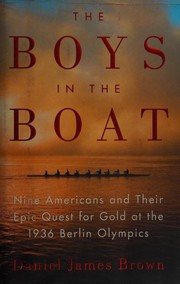
The Boys in the Boat: Nine Americans and Their Epic Quest for Gold at the 1936 Berlin Olympics
Washington rowers led by Joe Rantz chase gold in Hitler's Berlin in 1936.
2,439-word summary · 11 min read

Spare
Prince Harry recalls Diana's death in 1997, two tours in Afghanistan, and stepping back from royal life with Meghan in this frank 2023 memoir of grief, love…
2,586-word summary · 11 min read