
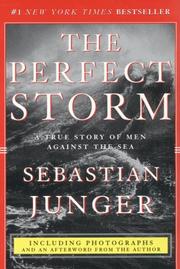
The Perfect Storm
2,592-word summary 12 min read 256 pages in the book
- First published
- 1997
- Publisher
- Harper Perennial
- Pages
- 256
- ISBN
- 9780060977474
Reading options
What's inside (8 sections)
I picked up The Perfect Storm because I wanted a true sea story. I had seen the film years ago, but I had never read Sebastian Junger’s 1997 book from Harper Perennial, the 256 page account with ISBN 9780060977474 that grew from his reporting on Gloucester fishermen. I read it over three nights. What struck me first was how much work comes before any storm. This book opens with bait knives, diesel smell, broken sleep, and money pressure. The weather arrives later, and by then you know who is out in it.
Junger follows one lost boat, the Andrea Gail, and sets that loss inside swordfishing, weather, rescue work, and the physics of water. Men leave port for swordfish far offshore. Weather turns strange. Rescue crews risk themselves for other sailors in the same system. The Andrea Gail never returns. Around that spine Junger adds short lessons on waves, stability, cold water, and Coast Guard choices. Some slow the pace. Most earned their place for me.
If you want only tragedy, the middle may test you. If you want to grasp why fishermen keep going, this is one of the clearest accounts I have read.
Gloucester and the swordfish boats
Gloucester, Massachusetts, anchors the book. Junger shows a working port where fishing is a job and an identity. Bars fill between trips. Docks smell of bait and fuel. People know which boats are kept well and which captains push hard. Prices shift. Rules shift. Inshore catches are thinner than in past decades, so boats run farther and stay out longer.
Swordfishing here means longlining. A boat sets a main line miles long, with baited hooks, floats, and small lights to draw fish. The crew hauls it back by hand and winch, gaffs the catch, dresses it on deck, and packs it in ice below. Sharks take some fish first. Gear tangles. A tired hand near a hook can get cut or dragged. Sleep comes in pieces. Harm on a normal day comes less from drama than from fatigue, sharp steel, and a rolling deck at night.
Money shapes the risk. A full hold clears debts and carries a crew for weeks. A poor trip means fuel, food, and ice cost more than the fish paid. That share setup, called the lay, makes every empty haul sting. Captains feel it twice. They answer to the owner and to their name. A captain who returns light too often struggles to fill a crew. One who fills the hold earns loyalty, even if the men curse him while they work.
Junger fills this out with shore voices, from owner Bob Brown to families and harbor men such as Graupner who knew the dock routines and talk. I liked that Gloucester never reads as a postcard. People love the water, resent its costs, argue over prices and owners, and still pass the hat when a family loses someone. Collections for widows and kids, the stare at the weather fax before sailing, the packed memorial hall, all of it rings true for a town built on uncertain work.
You can love a hard job and still be worn down by it. That strain sits under every trip here.
The crew of the Andrea Gail
The Andrea Gail sailed from Gloucester in late September 1991 with six men. Billy Tyne was captain, in his mid thirties, known for working long and staying out until the hold filled. Bobby Shatford was the youngest, in his early twenties, strong and keen, dating the sister of a crewmate and trying to build a life on the water. Dale Murphy, called Murph, was steady, with family waiting at home. Michael Moran, called Bugsy, was loud and seasoned. Alfred Pierre was quieter, from New York with island roots. David Sullivan, called Sully, closed the crew, a man with a rough past and his own reasons for signing on.
Junger does not make them saints. He notes drinking, rough talk, money fights, past scrapes, and the restless bent of men who pick weeks of hard work over shore jobs. He also shows craft. Tyne read fish well. The crew knew gear. They trusted each other on a dark deck when water crossed the rails and one wrong step near the line could pull a man over.
The trip began thin, then better. Early sets gave little. The boat pushed east toward the Grand Banks and the Flemish Cap, far off, where swordfish still ran enough to chase. The catch built. Ice shrank. Food wore down, as it always does. Talk turned to home, shares, rent, trucks, women, bars. Junger rebuilds such scenes from interviews with people who knew the men and from how these trips tend to go, and he says plainly where knowledge stops.
That limit matters, because no one from the Andrea Gail lived to tell the end. There was no distress call with a position. Only silence, then worry, then waiting.
I read the crew chapters twice, once for facts and once to sit with the men while life was still normal. Tyne over the fax. Shatford mending gear. Murph cooking. Bugsy joking through a slow haul. Sully and Pierre on the line in slick gloves. Plain work writing, which is why later chapters land hard.
Fair warning fits here. Junger fills gaps with informed guesswork. He flags it, but some readers will still feel unsure. We cannot know each word said on deck in the last days. We can know roles, habits, weather, and last radio contacts with nearby boats. Junger holds to those markers and imagines the rest with restraint, centered on tasks rather than speeches.
Three storms become one
The title comes from the weather. In late October 1991 several systems met off the East Coast in a rare lineup. Dying Hurricane Grace moved up from the south. A cold front and low dropped from the north. A big high over eastern Canada blocked the low from sliding out to sea. Locked together, they formed a vast nor’easter with hurricane force winds, and later a small odd hurricane spun up inside it.
Junger keeps this readable. Forecasters watched each update pull the pieces closer. Fishermen at sea got the same faxes and voice reports most of us would skim. On the Grand Banks those words weighed more. Wind direction, fetch, icing, the load shifting with each roll. Tyne and other captains had to decide whether to run, hold, or fish a bit longer.
Linda Greenlaw, captain of the Hannah Boden, stands at the center of this part. She worked for the same owner, fished near the same grounds, and ran a strong boat with a good crew. When the glass fell, she cut gear where needed, secured the deck, and headed for safer water while staying in radio touch when she could. Her strand gives the book a steady voice from inside the storm. It reads as calm seamanship, not show.
Other boats split. Some ran west early and lived. Some hove to and rode it out with damage. The Andrea Gail, heavy with fish and short on fuel and ice, sat farther east and tried to come home through it. That call has been picked apart since. Junger does not call Tyne reckless. He shows a man with few good options, a tired crew, a hold worth real money, and reports that were grim but still shifting. At sea such calls get made with scratchy radio and debts waiting ashore.
The weather chapters took me two passes. Names blur at first. What helped was to track motion, not names. Warm wet air from the south fed cold dry air from the north. The high stood like a wall. The low, stuck, deepened and threw wind across a huge reach of water. Long wind across long water builds tall seas. Given time and room, chop turns to moving hills.
Rescues, the Tamaroa and the lost helicopter
While the Andrea Gail pushed west in silence, other crises broke closer to shore. Junger cuts to them to show what rescue takes.
Much turns on the Coast Guard cutter Tamaroa and air crews. As the storm peaked, calls came from boats caught out, including the sailboat Satori, which lost power and took knockdowns with a small crew aboard. Aircraft went up. The Tamaroa, an older sturdy cutter with a tested crew, drove into seas most ships would shun, rolling hard, shipping green water, losing radar marks in spray.
Junger catches the feel of the labor. Men sick from motion, still on watch. A helicopter holding over foam while the pilot times a hoist between crests. A swimmer trying to steady a scared sailor. When rescues work here, training holds past fear. Short phrases. Orders read back. Hands kept on the wire while soaked and cold.
The bleak strand is the Air National Guard helicopter that ditched. Flying long range in harsh winds, the crew ran short of fuel and went into the sea. Some men endured long hours in rough water before pickup. One pararescueman was lost. Junger keeps this low key. He tracks the fuel trouble, the radio gaps, the choice to press on, then the cold wait and the fight to stay together. It proves more than argument could that rescuers stake the same sea.
These were my most moving chapters, and also the choppiest. Courage shows plain. Yet Junger hops among boats, aircraft, and command posts, so you must hold a map in your head. East meant worse. The farther east, the more water the wind had crossed to build seas. The Tamaroa and helicopters worked the nearer rim. The Andrea Gail lay past it, past reach even if its spot had been known.
One criticism fits. At times Junger writes rescue moments with close detail on thoughts no debrief could fully save. He draws on survivors and logs, sound base, but now and then the seam shows between source and fill. Readers who want a cite for each line should keep that filter on.
Still the core stands. People launched. Some returned. Some did not.
Why waves get that big
Midway Junger stops to teach. Some readers skim these parts. I first flagged, then found they made the second half hit harder.
He starts with wind and fetch. Wind tugs water. Ripples catch more wind. When wind holds steady across a long reach, called fetch, seas grow taller with wider gaps between crests. In this storm the fetch ran vast, so swell piled up and mixed with local wind seas into steep confused water. Where wind met the Gulf Stream head on, faces sharpened and broke far offshore where crews expect long rollers.
Then hulls. A boat stays up when low weight pulls back against the push of water, righting each roll. That holds until a breaker strikes the side with more water weight than the margin allows. A knockdown flattens a boat. Many pop back if hatches hold and cargo stays put. A second hit before recovery, or water through a smashed hatch, can end it. He adds icing, which loads the topsides fast, and shift, where fish, ice, and fuel slide at the wrong instant and spoil the balance a captain banked on.
Work facts slot in too. Swordfish sit deep by day and rise by night, which is why boats set at dusk and haul toward dawn. Sharks shadow the same food. A line miles long in heavy weather drags, fouls, and can pin men on deck when they ought to be inside. Each point pays off later. Ice matters when margin is thin. Fatigue matters when a hatch must be dogged in the dark.
The cold water passage is hardest to take. Hands fail first. Shivering slides to muddle, then to a false calm. Junger skips lecture and sets fact beside rescue, and the pair does the job. You see why a vest alone does not save a person in winter seas, why minutes can drain strength, why air crews count time in cold sums.
My gripe is pace. Two teaching chapters back to back stall the plot just when you crave the boats. Still, I kept flashing back to these pages later. Bow buried on the Tamaroa, I pictured the water weight he named. A swimmer losing grip, I thought of dead hands. Worth the price, though a firm edit might have folded some lessons straight into the action.
One note. Junger wrote before later forecast tools. Take his science as a clear primer. The causes he stresses, long fetch, opposed flow, stalled low, loose load, cold shock, stay the right ones in plain shape.
Aftermath and what stays with you
The close is quiet. The storm clears. Hurt boats crawl home. Families sit by phones. The Coast Guard secures from one search and files the next. The Andrea Gail stays mute. Days drag. A beacon, a drum, raft bits, and scraps point to loss without telling how. Gloucester gathers, prays, raises funds, swaps stories, and makes space for grief with no body to bury.
Junger treats kin with care. He names each man and talks with mothers, partners, sisters, and friends left to replay small forks. If Bobby Shatford had sat one season out. If Murph had picked another berth. If Tyne had turned sooner. No answer satisfies, and Junger pushes none. He leaves the what ifs open, which is how loss sounds in kitchens and bars.
Memorials get brief plain pages. No long speeches. What sticks are changed habits. Captains who study one more fax. Owners who buy the safety gear they once put off. Young hands who hear an old man on the glass and listen. Grief here is practical, not only tears. It shows in upkeep and radio care.
Greenlaw’s return balances the end. She brought her crew home through the same system that took the Andrea Gail, and Junger draws no false moral from it. Living proves no virtue. Dying proves no fault. Place, hour, load, a hatch that held or gave, a wave train that peaked or passed, these weigh more than character in seas that size. Greenlaw reads as mindful of that edge. She mourned men she knew and kept fishing, her trade and living.
Now the plain critique I promised. Since none lived on the Andrea Gail, the last storm scene rests on weather files, physics, and seamanship, not witness. Junger says so, yet the passage runs so close that a quick reader may think we know more than we do. I read it as likely, not remembered. Next, range. Apart from Greenlaw and kin voices, women sit at the rim. Owner math, insurance, and rules get sketched short of full press.
Even so I shut the book feeling told straight as far as truth allows. I grasped the deck work. I could sketch the weather to a friend with no notes. I saw why air crews launch when most pilots stay aground. Most of all I felt the still hub, six men good at hard jobs, with no chance to say what the last night took.
Read it straight through, lessons included. The wave that counts is less one wall of water than a stack of small strains meeting a boat too far out for aid. That is Junger’s perfect. Not lovely. Just whole.
I live far from any coast, and after the last page I kept glancing at the sky. The heed stuck. Check the gauge. Dog the hatch. Turn early when you doubt the sky.
FAQ
When was The Perfect Storm published, and what edition is cited?
Sebastian Junger published it in 1997 with Harper Perennial. The cited edition runs 256 pages with ISBN 9780060977474.
Who crewed the Andrea Gail?
Captain Billy Tyne sailed with Bobby Shatford, Dale Murphy, Michael Moran, Alfred Pierre, and David Sullivan. Linda Greenlaw of the Hannah Boden gives the nearby captain's view.
Did the Andrea Gail send a distress call?
No. The book reports silence with no fixed position, so the final hours are rebuilt from weather data, seamanship, and shore interviews rather than witness.
Similar books
In the Heart of the Sea: The Tragedy of the Whaleship Essex
The whaleship Essex sunk by a whale leaves men in boats for ninety days.
2,750-word summary · 12 min read
Endurance: Shackleton's Incredible Voyage
Trapped and crushed in Antarctic ice, Shackleton and 28 men survive floes, open boats, and an 800 mile sea crossing. Lansing tells it from their diaries.
2,818-word summary · 13 min read
Lone Survivor: The Eyewitness Account of Operation Redwing and the Lost Heroes of SEAL Team 10
Marcus Luttrell's account of the 2005 SEAL mission in Afghanistan that killed three of his team and left him alone.
2,144-word summary · 10 min read

The Lost City of Z: A Tale of Deadly Obsession in the Amazon
David Grann retraces Percy Fawcett's 1925 disappearance in the Amazon and finds that the lost city he sought was not entirely a fantasy.
2,493-word summary · 11 min read

Fable
Abandoned on a lawless island at fourteen, Fable spends four years diving for gems to buy passage off it, straight into the cutthroat trade of the Narrows.
2,320-word summary · 10 min read
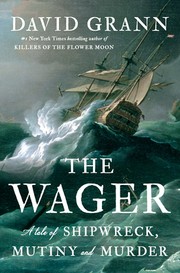
The Wager: A Tale of Shipwreck, Mutiny and Murder
Thirty starved men reach Brazil as heroes in 1742, then three more land in Chile calling them mutineers, and Grann sorts the wreck.
2,995-word summary · 13 min read
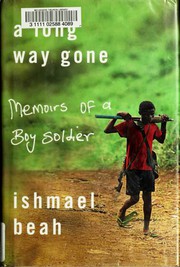
A Long Way Gone: Memoirs of a Boy Soldier
A Sierra Leone boy flees rebels, becomes a child soldier at thirteen, and fights his way back through rehab.
2,434-word summary · 11 min read
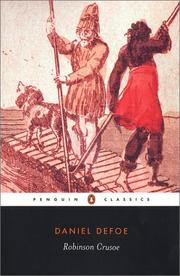
Robinson Crusoe
Shipwrecked near South America, Crusoe spends 28 years farming, building, praying, and facing who he becomes alone.
2,520-word summary · 11 min read
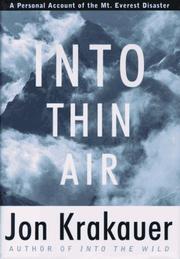
Into Thin Air
Krakauer's account of the 1996 Everest disaster: a guided summit push, a sudden storm, and the choices that left eight dead above 26,000 feet.
2,447-word summary · 11 min read
Unbroken
Louis Zamperini survives a Pacific crash, sharks and POW camps after running in the Berlin Olympics.
3,263-word summary · 15 min read

The Zookeeper's Wife: A War Story
The directors of the Warsaw Zoo hid roughly three hundred Jews in empty cages and outbuildings after the German invasion, while Jan worked for the resistance.
2,065-word summary · 9 min read
Ship of Magic
A sentient ship wakes when her captain dies, and the family that owns her starts to come apart over who gets to sail her.
2,026-word summary · 9 min read

Long Walk to Freedom
Mandela's account of a Thembu childhood, a law practice, a banned movement, twenty-seven years in prison, and the negotiation that ended apartheid.
2,454-word summary · 11 min read

1491: New Revelations of the Americas Before Columbus
Charles C. Mann gathers archaeology, ecology, and demography to argue that the Americas before Columbus were older, fuller, and more deliberately shaped than…
2,712-word summary · 12 min read
The Icebound Land
Captured and enslaved in Skandia, Will fights a drug that erases him while Halt and Horace cut a bloody road through Gallica to bring him home.
2,088-word summary · 9 min read

The DaVinci Code: A Quest for Answers
A short 2006 dialogue in which three friends test Dan Brown's claims about Jesus, Mary Magdalene, Nicaea, and the canon.
2,088-word summary · 9 min read

The Beach
A young backpacker follows a dead man's map to a hidden island community, then discovers what the people there are willing to do to keep it secret.
2,067-word summary · 9 min read

Nothing to Envy
Barbara Demick follows six defectors from Chongjin through the North Korean famine, showing how ordinary people lived, believed, and finally left.
2,068-word summary · 9 min read

In Order to Live: A North Korean Girl's Journey to Freedom
A young North Korean girl crosses the Yalu, survives trafficking in China, and rebuilds her life in Seoul in this unsparing memoir.
2,027-word summary · 9 min read

The Valley of Horses
Exiled from the Clan, Ayla survives alone in a hidden valley, tames a horse and a cave lion, and nurses a wounded stranger back to life.
2,311-word summary · 10 min read

Down and Out in Paris and London
Orwell's account of washing dishes in Paris hotels and tramping through London does not ask for pity, only for a clear look at how poverty actually works.
2,282-word summary · 10 min read

The Girl with Seven Names: A North Korean Defector's Story
Hyeonseo Lee crossed the frozen Yalu River at seventeen, spent years hidden in China, escaped to South Korea, and later returned to rescue her family.
2,404-word summary · 11 min read
The Wright Brothers
David McCullough tells the story of two self-taught Ohio brothers, working largely alone and out of a bicycle shop, who solved the problem of flight before…
2,027-word summary · 9 min read

Bury My Heart at Wounded Knee: An Indian History of the American West
Dee Brown's 1970 retelling of the American West from the point of view of the people it destroyed.
2,233-word summary · 10 min read

At Home: A Short History of Private Life
Bill Bryson tours his own Norfolk rectory room by room to explain how private life and the modern home got built.
2,334-word summary · 10 min read

Prisoners of Geography: Ten Maps That Tell You Everything You Need to Know About Global Politics
Tim Marshall explains how mountains, rivers, coasts, and resources shape the choices of nations, from Russia's flat borders to the chokepoints of the South…
2,328-word summary · 10 min read

The Letters of Vincent van Gogh
Vincent van Gogh's letters to his brother Theo, in a Penguin Classics selection edited by Ronald de Leeuw, trace a decade of work, faith, and obsession.
2,611-word summary · 12 min read

Never Fade
Ruby, now a leader in the Children's League, must track down the boy whose memories she erased, because he holds the only proof of what caused the disease that…
2,188-word summary · 10 min read

The World Is Flat: A Brief History of the Twenty-first Century
Thomas L. Friedman's 2005 bestseller argues that technology, trade, and open borders leveled the global playing field, and it names the ten forces that did it.
2,369-word summary · 11 min read

Nemesis Games
The Rocinante crew scatters across the solar system just as Marco Inaros and the Free Navy bombard Earth. The Expanse reaches its turning point.
2,506-word summary · 11 min read