
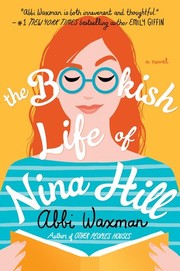
The Bookish Life of Nina Hill
2,399-word summary 11 min read 352 pages in the book
- First published
- 2019
- Publisher
- Berkley
- Pages
- 352
- ISBN
- 9780451491879
Reading options
What's inside (8 sections)
I started The Bookish Life of Nina Hill on a tired evening because a friend said it was the rare funny book that respects introverts instead of trying to fix them. Abbi Waxman published it with Berkley in 2019, a 352 page contemporary romance about a 29 year old bookstore worker in Los Angeles whose tidy solo life cracks open. I expected something cute and slight. What I got was warmer and more observant than that, a comedy about anxiety, family, and trivia nights that takes its heroine's fears seriously while still letting her be ridiculous. Nina shelved her life as carefully as a bookstore display. Then the plot restocked everything.
The setup is simple. Nina Hill is the only child of a single mother, a bohemian artist who raised her loosely and lovingly and never named the father. Nina built her own opposite order. She works at a beloved neighborhood bookstore, plays pub trivia with a tight team, plans her days in a color coded planner, eats the same breakfasts, and goes home to her cat Phil. Books are not just her job. They are her schedule, her social buffer, and her standard for how people should behave. If a line from a novel explains a feeling better than she can, she uses it. When the father she never met dies and leaves a will naming her, Nina learns she has a large nearby extended family of half siblings, nieces, and nephews who very much want to meet her. At the same time, Tom, the affable leader of a rival trivia team, starts pursuing her with a persistence that scrambles her rules. The novel follows her as she tries to keep her shell intact and finds out what happens when life keeps knocking on it.
Nina's perfectly shelved life
Waxman opens with routine, and the comedy comes from how seriously Nina defends it. Mornings have their order. Work has its tasks. Trivia night has its rituals, its team banter, its grudges. Nina narrates with a dry, bookish wit, full of asides about Austen, marginalia, and customers who shelve things wrong. She is not shy in the vague sense. She is socially budgeted. Crowds cost her. Small talk costs her. Strangers cost double. She knows this about herself and plans around it, which makes her sympathetic from the start. She is not waiting to be rescued. She likes her apartment, her cat, her paycheck, her team. The joke is that she has mistaken a good holding pattern for a finished life.
The bookstore matters here. Waxman, who lives in Los Angeles and knows its neighborhood shops, writes the store as a real workplace rather than a cute backdrop. There are regulars, returns, story time chaos, author events, slow registers, and the particular pleasure of matching the right reader to the right novel. Nina is good at that matchmaking and bad at staff meetings. Her boss and coworkers tease her, cover for her, and push her in small ways. I liked that Waxman gives Nina competence. Too many romances make the heroine a mess so love can organize her. Nina is organized already. Her problem is narrower and more relatable. She has built a life with no slack in it, so any surprise feels like a threat.
The planner becomes the novel's best visual gag and its thesis. Nina writes lists for everything, including conversations she fears. When new people and invitations start piling up, the lists multiply and fail. Waxman uses that failure kindly. The point is not that planning is silly. The point is that other people cannot be shelved. They arrive late, cry, hug too long, ask odd questions, and remember your birthday anyway.
A will, a lawyer's office, and a sudden crowd
The inciting turn arrives when Nina learns her biological father has died. He never contacted her. Her mother never pushed the issue. Now his will includes her, and with it comes a ready made family living close by in Los Angeles. Siblings with kids and group chats. A nephew who needs a ride. A sister who cooks too much food. Invitations to barbecues, school plays, and birthday parties stack up faster than Nina can decline them. Waxman stages the first meetings with strong comic timing. Nina rehearses lines in the car, arrives armed with a bookish excuse to leave early, and finds herself stayed by small kindnesses she did not expect.
What elevates this beyond a fish out of water routine is how specifically Waxman writes the siblings. They are not a blob of cheer. One is brisk and managerial, already assigning Nina a role in the family spreadsheet. One is warmer and watchful, giving her room. The kids vary from solemn to feral in the way real kids do. Nina, an only child raised by one free spirited parent, has no script for sibling teasing, for being an aunt, for holding a baby while someone else finds the wipes. She fumbles. She apologizes too much. She also shows flashes of the aunt she could be, patient about reading aloud, fierce about protecting a shy kid at a party. The novel earns its sentiment by letting those bonds form in scenes rather than declaring them.
There is also a quieter story about the father himself. Nina has to grieve a man she never knew while watching other people grieve him as a husband, dad, and friend. She feels like an intruder at his edges and, at other moments, angry that he stayed absent and then summoned her by paperwork. Waxman does not resolve that cleanly, which I appreciated. Nina reads old photos for clues, asks careful questions, and accepts that some answers died with him. Her mother Candice, meanwhile, drifts through these chapters in kaftans and anecdotes, loving but evasive, and Nina has to confront how much of her rigidity is a reaction to being raised without guardrails. The push and pull between mother and daughter gives the family plot its spine. It is not only about gaining siblings. It is about revising the story Nina told herself about why she was alone.
Tom and the trivia war
The romance runs on a classic setup executed with charm. Tom is the captain of a rival pub quiz team, handsome in a rumpled way, quick with jokes, and annoyingly good at answering. Nina has filed him under enemy for years. Then he starts showing up at the bookstore, remembering her coffee order, asking real questions, and refusing to be scared off by her deflections. Their banter carries the middle of the book. He teases her lists. She corrects his literary guesses. They argue about whether the best Austen heroine is Elizabeth Bennet or Anne Elliot, which tells you everything about their dynamic. He pursues. She retreats. He waits without sulking. She advances one inch and panics.
Waxman writes attraction from inside an anxious mind without making anxiety the whole joke. Nina catalogs Tom's good qualities the way she catalogs plot holes, then talks herself out of calling back. She worries about morning breath and misread texts and meeting his friends and being boring in bed and boring at breakfast. The comedy lands because it is specific, not because she is fragile. Tom, to his credit, is written as a grownup. He has his own work, his own friends, his own divorced parents stuff, and he does not need Nina to complete him. He likes her edges. He says so plainly. When she cancels, he is disappointed rather than furious. When she explains what crowds cost her, he adjusts plans instead of calling her dramatic. That steadiness makes the love story believable. He is not a project. He is a person with patience and limits.
The trivia scenes deserve special mention. Waxman clearly loves quiz culture, and she stages the weekly contests with the tension of sports. Buzzers, disputed answers, tiebreakers, team names, grudges over a misheard question about poetry. Nina's team is her chosen family, protective and funny, and Tom's team is the mirror she cannot stop looking into. The season builds toward a finale that doubles as a romantic test. Can Nina perform under lights with people watching, trust teammates, and let Tom see her miss one? The book answers that in a way that feels earned rather than staged, though romance readers will guess the shape of it early.
Los Angeles, bookstores, and the comedy of manners
Setting does quiet work here. This is not tourist Los Angeles. It is neighborhood Los Angeles, with parking complaints, farmers markets, school fundraisers, and bookstores that survive on regulars. Waxman fills the margins with the city's particular social codes. Backyard parties where everyone knows the host's dog. Book clubs with wine and strong opinions. Coffee shops where a laptop camp lasts all day. Nina moves through these spaces like an anthropologist who memorized the guidebook but missed the field trip. Her internal footnotes about etiquette are some of the funniest passages, and they double as character work. She studies people the way she studies novels, looking for rules, missing that rules bend for people you love.
The bookstore plotline adds stakes beyond dating and DNA. Independent shops run close to the edge, and Nina's store faces questions about its future that force her to speak up in meetings, pitch ideas, and defend what the place means to the block. I will keep specifics light to avoid spoiling the back third, but the arc asks Nina to do in public what she avoids in private. Advocate. Improvise. Ask for help. Those scenes pair well with the family story. In both, she learns that competence includes letting others carry part of the load. A subplot about a children's reading hour and a chaotic author event gives Waxman room for physical comedy, and she takes it. Spilled juice, lost glasses, a toddler with strong views about dinosaurs. The humor stays humane. Nobody is mocked for loving books too much or too little.
Waxman also threads in Nina's reading life without turning the novel into a list of titles. Nina judges dates by their bookshelves, comforts herself with rereads, and uses a novel's structure to make sense of a messy week. Readers who do the same will feel seen. Readers who do not will still get the joke, because Waxman always translates the reference into feeling. A passage about rereading a favorite ending lands less as literary trivia than as Nina admitting she wants a guaranteed good outcome. That admission sets up the book's emotional turn. Fiction promises closure. Family and love do not. Choosing them means accepting drafts.
What drags and who should skip it
No honest account should pretend this is a challenging novel. The plot is gentle by design. The central questions, will Nina meet her family, will she date Tom, will the store be okay, resolve the way cozy contemporary romance usually resolves. Readers who want sharp conflict, high heat, or surprises may find it predictable. A few late complications arrive and clear quickly, including a misunderstanding between Nina and Tom and a family health scare that felt softened to keep the tone light. Waxman prefers reassurance to risk, and the book's middle sags slightly under the weight of party scenes that repeat the same beat. Nina panics, endures, then admits she had fun. Funny each time, but familiar by the fourth round.
The humor itself will not suit everyone. Nina's narration is chatty, digressive, and fond of parenthetical asides and lists. I found it endearing, but readers who dislike jokey first person voices may tire of it. The novel also keeps its world comfortable. Money stress exists but never bites hard. Work problems bend toward solutions. Even grief is handled with a light touch. That comfort is the appeal for many, and Waxman writes it intentionally, but anyone seeking a tougher look at fatherlessness, single motherhood, or anxiety should adjust expectations. This is a hug of a book that gestures at harder things rather than gripping them.
One more caveat. The large cast can blur. With several new siblings, partners, and kids introduced quickly, I mixed up two of the sisters for a stretch and had to flip back. Waxman differentiates them by the end, but the early family chapters demand attention. A small cast list in my head helped. None of this ruined the read. It just means this is a book to read awake, not in fifteen minute sleepy bursts.
Why the ending works anyway
The last stretch succeeds because Waxman ties Nina's growth to actions rather than speeches. Nina does not announce she is healed. She shows up. She hosts. She answers the group chat. She tells Tom what she needs in plain words instead of a joke that deflects. She reads to a kid who asks. She lets her mother be herself without using her as an excuse. The final trivia showdown and the family gathering that follows feel like two halves of one test. Perform with others. Belong with others. Nina passes both imperfectly, missing a question, saying the wrong thing at the barbecue, then staying instead of fleeing. That staying is the whole arc.
I closed the book thinking about how rare it is for a romance to let an introvert stay introverted. Nina does not become a party person. She negotiates better parties, shorter stays, and marriage with someone who understands recharge time. Her planner survives, annotated rather than abandoned. Her cat Phil remains unimpressed. The family does not absorb her. It expands around her. That distinction feels true to how change actually happens in adult life, in small negotiated inches rather than transformations.
For readers, that makes The Bookish Life of Nina Hill an easy recommend within its lane. Give it to the friend who alphabetizes shelves for fun, who brings a book to parties just in case, who loves Austen jokes and Los Angeles neighborhoods and pub quiz glory. It pairs well with a quiet weekend and a strong cup of coffee. It will not change your view of the world. It may change your view of the next family barbecue, the next first date, the next crowded room. Sometimes that is enough. Nina learns to put the planner down and look up. The book invites you to do the same, then happily hands you another chapter.
FAQ
When was The Bookish Life of Nina Hill published?
Berkley published it in 2019. The edition cited here runs 352 pages and the ISBN is 9780451491879.
Is it part of a series?
No. It is a standalone novel with no series. Waxman has written other Los Angeles comedies, but Nina's story begins and ends here.
Who will enjoy this book most?
Readers who like gentle humor, bookstores, and slow romance will enjoy it most. Readers wanting high stakes, high heat, or surprises may find it too predictable.
Similar books
The Bromance Book Club
A Nashville pitcher joins a secret romance book club to save his marriage after his wife Thea asks for divorce. He trades pride for listening, chores, and…
2,932-word summary · 13 min read

Size 12 Is Not Fat
Former teen pop star Heather Wells investigates two dorm elevator deaths while juggling her ex, her crush, and a size-12 wardrobe.
2,805-word summary · 12 min read
Mr. Maybe
Libby Mason wants a rich husband, but the wealthy man who proposes is dull and the broke writer she cannot forget is not offering forever.
2,322-word summary · 10 min read
Eligible
Austen's Bennet sisters move to modern Cincinnati, where marriage is a reality show and the house is losing its value.
2,293-word summary · 10 min read

Big Swiss
A transcriptionist for a sex coach falls for one of his clients, the tall Swiss gynecologist she calls Big Swiss, in a funny novel about work and secrets.
2,523-word summary · 11 min read
Wedding Night
Lottie marries an old flame days after a breakup, then flies to a Greek island while her sister quietly works to sabotage the honeymoon. A farce about memory,…
2,213-word summary · 10 min read
Marriage for One
Rose marries a cold lawyer to save her coffee shop, then discovers the arrangement was never only business.
2,032-word summary · 9 min read
Days at the Morisaki Bookshop
Heartbroken Takako moves into her uncle's tiny secondhand bookshop in Jimbocho, and the shop and its regulars slowly give her back her life.
2,011-word summary · 9 min read
Dash & Lily's Book of Dares
Two lonely New York teenagers trade dares in a red notebook left at the Strand, falling for each other on the page before they meet.
2,228-word summary · 10 min read
Dial A for Aunties
A wedding photographer accidentally kills her blind date, and her mother and three aunties help her hide the body during the biggest wedding of their careers.
2,076-word summary · 9 min read
True Colors
Three Grey sisters split over love and duty after their father judges them.
2,596-word summary · 12 min read
The Identicals
Twin sisters swap Nantucket and Martha Vineyard lives for a summer.
2,556-word summary · 11 min read
Bridget Jones: The Edge of Reason
Bridget doubts Mark, takes a job with Daniel, and lands in trouble in Thailand.
2,198-word summary · 10 min read
Heart of the Matter
Two Boston mothers collide after a burn injury puts a single mom in the orbit of another woman's surgeon husband.
2,585-word summary · 11 min read
You Deserve Each Other
Engaged and miserable, Naomi and Nicholas wage a prank war to force a breakup, then face money, mothers, and truth in Sarah Hogle's funny romance with a tender…
2,415-word summary · 11 min read
Tangled
Told by a cocky businessman, a bet to win the new associate who rejects him turns into real pursuit, strict rules, a painful reveal and a wedding-level happy…
2,868-word summary · 13 min read
Survivor
Tender Branson, last Creedish survivor, confesses into a flight recorder as his plane dives, from servant to agent-made celebrity messiah in Palahniuk's 1999…
2,683-word summary · 12 min read
Jemima J
Overweight London journalist Jemima Jones invents a slim online self for a California lover, starves to match the photo, then faces betrayal and learns to…
2,883-word summary · 13 min read
Ghosts
At 32, food writer Nina Dean faces ghosting by Max and her father's dementia in London.
2,677-word summary · 12 min read
The Do-Over
Emilie relives awful Valentine Day with cheating boyfriend until Nick helps fix it.
2,071-word summary · 9 min read
Boyfriend Material
A tabloid-haunted charity worker fakes a romance with a straitlaced barrister in this funny 2020 London rom-com.
2,325-word summary · 10 min read
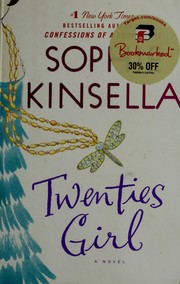
Twenties Girl
Dumped and flailing, Lara Lington is haunted by her great-aunt Sadie, a 1920s ghost who wants her lost necklace back.
2,938-word summary · 13 min read
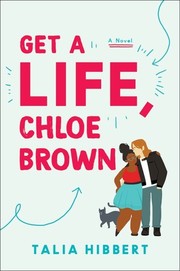
Get a Life, Chloe Brown
A chronically ill woman recruits her gruff handyman neighbor to help her finish a bold Get a Life list.
2,147-word summary · 10 min read
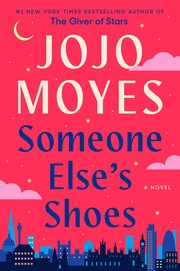
Someone Else's Shoes
A rich wife loses everything and a tired mom gains red heels when gym bags swap in London.
1,951-word summary · 9 min read
The Storied Life of A.J. Fikry
A widowed bookseller on Alice Island adopts abandoned toddler Maya, rebuilds Island Books, and finds love with sales rep Amelia before illness closes in.
2,972-word summary · 13 min read
The Pact
After Emily Gold dies from a gunshot, her boyfriend Chris Harte says it was a suicide pact and faces trial for murder.
2,873-word summary · 13 min read
The Kiss Quotient
Stella Lane hires escort Michael Phan to practice dating and learns logic fails where touch and family press in.
2,716-word summary · 12 min read
Can You Keep a Secret?
Emma blurts every secret to a stranger on a turbulent flight, then finds him running her company.
3,114-word summary · 14 min read

Better than the Movies
A rom com obsessed senior hires her annoying next door neighbor to win her crush, then finds real love is messier and kinder than any movie plot.
2,438-word summary · 11 min read
Book Lovers
Sharp literary agent Nora Stephens gets dragged to small-town Sunshine Falls with her sister and keeps colliding with brooding editor Charlie Lastra.
1,952-word summary · 9 min read