
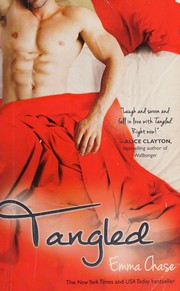
Tangled
2,868-word summary 13 min read 232 pages in the book
- First published
- 2013
- Publisher
- Gallery Books
- Pages
- 232
- ISBN
- 9781476761473
- Series
- Tangled (#1)
Reading options
What's inside (6 sections)
I started Tangled on a tired Friday with low expectations and a strong coffee. A friend had said it was filthy, funny, and short, three things I needed after a run of thousand page family sagas. I had also heard the hook. The whole book is told by a man who thinks he is God's gift to women and learns, slowly and painfully, that one woman does not agree. Tangled first appeared in 2013 with Omnific, and the Gallery Books paperback cited here runs 232 pages with ISBN 9781476761473. It opens the Tangled series as book one. It is a romantic comedy about Drew Evans, a playboy businessman in New York, and Katherine Brooks, a sharp new associate who refuses to play along, plus a dumb bet with friends that blows up, office pursuit, family cracks, rules for dating, and a happy ending with a wedding. I laughed more than I expected and cringed more than I wanted to. Both reactions feel honest to what the book is.
Drew narrates everything, and that choice defines the experience. He is thirtyish, rich from finance or investments, handsome in the way he never lets you forget, living in a clean apartment with good sheets and a phone full of first names he cannot keep straight. He works with his father in some capacity, or around his father's shadow, and he spends nights out with two close friends who are as crude as he is. I am keeping the friends general here, because different reader summaries remember their jobs and jokes a little differently and I do not want to lock in a wrong surname. Think of them as wingmen with money, always ready with a bet. Drew opens by telling you outright that he sleeps around, loves it, sees no reason to stop, and pities men who settle. He is not shy about details. He rates, he brags, he narrates his own charm as if you are a buddy at a bar who will high five him. That voice is either funny to you within ten pages or it is not. I found it funny in short bursts and tiring in long ones, which turned out to be the pattern for the whole book.
Katherine Brooks walks into his office and ruins his system by not wanting him. She is new, younger than Drew but not naive, hired as an associate or junior in his orbit. She is pretty in a way Drew notices at once, dark hair, smart clothes, a calm face that does not laugh at his jokes on command. More important, she is good at the work. She prepares, she spots holes in deals, she speaks clearly in meetings. Drew tries his standard moves. Smile. Lean in doorway. Offer a drink after work. Ask about weekend plans with that tone. Kate answers politely, briefly, and turns back to her screen. He tries harder. Flowers. Jokes. A hand on the small of the back that she steps away from without making a scene. She tells him she does not mix work and dating, that she has rules, that she is not interested in being another story he tells his friends. He hears this as a challenge rather than a boundary, which tells you everything about Drew at the start.
The bet that starts the trouble
The bet is stupid and central, so it needs plain telling. Out with his friends, drinking too much, Drew complains that Kate is immune. His friends laugh. Someone suggests he cannot get every woman. Someone else puts money or pride on it. Drew agrees to pursue Kate as a contest, to prove he can win anyone, with a deadline or dinner riding on it. I am keeping the exact terms general because the point matters more than the amount. He frames it as a game between guys. No harm, just sport. He goes back to work Monday with a plan. Charm offensive. Learn her coffee order. Ask about her family. Find her soft spot. He tells himself it is still flirting, just with witnesses. Readers know better at once. A bet built on a coworker's private life will rot whatever follows, even if feelings turn real later. The book knows this too, but it waits a long time to make Drew pay.
What follows is a long office pursuit that takes up the middle of the book. Drew inserts himself into Kate's day. Morning elevator rides where he talks and she reads. Meetings where he watches her instead of the slides. Lunches where he appears with an extra sandwich. After work drinks where he makes sure to be at the bar she chose with friends. He learns small true things while performing. She grew up with standards about how men should act. She loves her family. She had a past relationship that taught her to be careful. She wants a partner who respects her work, not a boyfriend who brags about her looks. Drew files all of it under tactics at first, then starts to actually like the person behind the facts. His narration slips. He brags less. He notices her tired eyes after a long week and feels bad rather than opportunistic. He defends her idea in a meeting without thinking about credit. Those slips are the best parts because they show change before Drew admits it.
Kate resists with consistency that I respected more as the book went on. She does not send mixed signals for plot convenience. She says no to dates. She says no to late dinners that are really dates. She keeps emails short. When Drew corners her with a grand line, she answers with a flat rule. I do not date coworkers. I do not do casual. I do not want to be won. Her rules sound rigid on paper, but in scenes they read as self protection from someone who has seen how office rumors stick to women and slide off men. She likes him more than she admits, and Chase lets that show in small ways. A laugh she tries to hide. A second too long holding eye contact. Asking a friend about him and then denying it. But she holds the line while he is still performing. That steadiness keeps the book from collapsing into instant lust. You believe she would be fine without him, which makes his eventual win mean something.
Cracks, fathers and real talk
Drew's home life adds texture without becoming a separate novel. His father is a strong presence, a businessman who taught Drew to compete and to hide softness. Their scenes are short and telling. Lunch where his father asks about numbers and women in the same tone. A phone call where praise comes with a jab. Drew performs confidence for his father the way he performs charm for women, and both performances tire him. His mother or family stories, kept light, suggest where his fear of settling comes from. A house where love looked like scoring. A childhood where attention had to be earned. None of this excuses the bet. Chase does not ask it to. It explains why Drew thinks winning equals worth, and why losing Kate would feel like failure rather than simply sadness.
The friends get their own slow reveal as well. Early on they are joke machines, rating women, texting during dates, pushing Drew to close the bet. Later, one of them shows a steadier side, with a relationship or advice that hints men can grow up without becoming boring. Their banter is crude through most of the book. A lot of locker talk about bodies, hookups, scoring. Some of it made me laugh despite myself because Drew's timing is good. A lot of it felt dated in the way early 2010s bro comedy often does now. Jokes that punch down at exes, at waitresses, at other women in the office who do sleep with Drew and are then mocked for it. If you have a low tolerance for that humor, the first third will test you. I kept thinking that Kate would fire all three of them if she heard the group chat. Within the book's logic, the friends exist to mirror Drew's worst self back at him until he flinches. That mirror works best when Drew starts to hear how he sounds.
The turn comes when pursuit stops being game and starts being care. Drew gets sick or has a bad week, kept general to avoid spoiling, and Kate shows kindness without flirting. She brings soup or checks files. He notices. He starts asking about her day and listening to the answer. He stops narrating his own abs as much. There is a trip or a work event out of town that forces closeness, drinks after, a walk back, a door held open with no line attached. They talk about parents, about why Kate guards herself, about why Drew runs. The dialogue here is better than the bedroom talk because both drop acts. Kate admits she is scared of being another notch and of office gossip that would stain her while polishing him. Drew admits, in his roundabout macho way, that he is tired of waking up beside people whose last names he does not know. Neither speech is subtle. Both land because the book has earned a quiet scene after so much noise.
When winning starts to feel like losing
The middle to late stretch is where Drew actually courts Kate rather than chases her. He follows her rules instead of trying to rewrite them. No late night texts meant to lure. No hands where not invited. He asks for a real date, daytime, public, with an end time. She says no twice, then yes to coffee. Coffee becomes lunch. Lunch becomes a walk. He meets her friends and tries, clumsily, to be normal rather than impressive. He orders simply. He asks questions. Her friends watch like guards, which is fair. He meets the work test too. He credits her in a meeting without making it a grand gesture. He covers for her when she is tired without telling everyone he did. Kate thaws in stages, not all at once. She laughs fully once, then catches herself. She texts first once, then denies it mattered. Chase paces this well for a short book. At 232 pages in the Gallery Books paperback, there is no room for three breakup cycles. One slow thaw has to do the work, and it does.
The physical side, when it arrives, is explicit and played for comedy as much as heat. I will keep this summary non graphic by choice. Expect consensual scenes with a lot of joking narration from Drew about his own performance, nerves he never admits elsewhere, and surprise at how much tenderness he feels. Kate's pleasure and veto power get clear page time, which matters given how hard Drew pushed early. She sets pace. She says stop or wait and he hears it. That care helps balance the earlier pursuit, though it does not erase it. Drew's narration during intimacy is both the funniest and most revealing part of his voice. He tries to stay cocky and keeps slipping into awe. He planned to brag to his friends and finds he wants to keep this private. That privacy urge is the clearest sign he has crossed from game into feeling.
Then the bet surfaces, as it must. The reveal mechanics stay general to avoid spoiling, but the shape is familiar. Kate learns from a friend or an overheard talk that Drew chased her for a wager. The details sting more than the money. Dates she thought were real were reported back as scores. Private jokes were repeated for laughs. Her rules were treated as obstacles in a sport. She ends it coldly and completely. No shouting scene for pages. A short, cutting goodbye that lands harder than any speech. Drew's reaction is the first fully unfunny stretch in his narration, and Chase handles it well. He does not joke. He drinks. He fights with his friends. He tries to explain and hears how thin it sounds. I believed his shame here more than his charm anywhere else, because his voice finally drops the act. He admits he started false and ended true, and that starting false may be enough to lose her.
Grovel, wedding and whether the voice earns it
The grovel has to work fast in a book this short, and it mostly does. Drew cuts off the friends who mock his regret. He apologizes without demanding forgiveness, in person, briefly, then leaves space. He tells the office truthfully what he did without making Kate clean it up. He shows changed behavior at work, stepping back from her projects so she is not shadowed by rumor. He writes or says one plain thing about loving her work and her standards, not only her looks. Kate does not melt at once. She checks with friends. She watches whether his change holds when no one applauds. When she agrees to try again, it is on her terms, with rules restated and respected. Their reunion is sweet without erasing the breach. She names what he did. He owns it without jokes. That exchange matters more than any bedroom scene for making the ending feel earned.
The happy ending gives romance readers what they came for. Without spoiling line by line, they end committed, with a wedding or wedding level promise that caps book one and leaves room for side characters to get their own stories. The final chapters lean into domestic comedy. Drew narrating wedding planning, or living together, with the same cocky voice now aimed at himself. Kate teasing him about his past lines. Friends toasting with crude jokes that now include affection. If you want an epilogue that proves the playboy reformed, you get it. If you wanted Kate to stay single and thrive, you will not get that here. This is a romantic comedy that believes love redeems a jerk if the jerk does the work. Whether you buy that depends on how much you forgave the bet.
Now the fair criticism, because short does not mean flawless. First, the male point of view gimmick. Drew's first person narration is the selling point and the ceiling. When it is funny, the book flies. When it repeats, it grates. He tells you he is hot, hung, rich, funny, many times, in slightly varied words, as if you forgot since last chapter. His asides to the reader, winks about what guys really think, try to create buddy intimacy but often read as permission to be crude. I skimmed some bar scenes because the jokes circled the same toilet. A tighter focus on Kate's inner life, even in small glimpses, would have deepened the romance. As it stands, Kate is seen only through Drew's horny awe, which flattens her even as the plot praises her competence.
Second, the bro humor dates. Written in the early 2010s and reissued in the Gallery Books paperback in 2014, the book carries that era's locker talk without much pushback for long stretches. Women are scored, exes are mocked, other willing partners are used for laughs. Drew grows, but his friends mostly do not within this installment, so their scenes preserve the tone even after Drew softens. Readers who love dirty talking heroes will feel at home. Readers sensitive to objectifying jokes will need to skim or skip. I landed in the middle, laughing at Drew's self mockery while wincing at his descriptions of other women. That split never fully resolved. It is part of the book's charm and part of its stain.
Third, thin conflict beyond the bet. Once Kate resists and Drew pursues, there is little outside pressure. Work stakes stay vague. Family issues stay light. No rival lover with real weight. No career threat that would force a hard choice. The bet has to carry all moral weight, and because the reveal comes late, the middle can feel like charming stalling. Dates, jokes, almost kisses, retreats. At 232 pages that lightness is also a virtue. The book never bores for long. But readers wanting external stakes or sharp social observation should look elsewhere. This is a two person game in a glossy New York office, not a workplace novel.
Who should read it. If you want a fast, dirty, funny contemporary romance from the guy's head, with a competent heroine who holds rules, a playboy who learns to listen, explicit but playful heat, and a wedding level happy ending without a huge time commitment, Tangled delivers. The 2013 debut charm holds, and the short length forgives many sins. If you want dual point of view, realistic office politics, or humor that has aged gracefully in every line, you will struggle. I finished in two sittings, annoyed at Drew, fond of Kate, amused by Drew's father scenes, and curious about the friends' own books. That curiosity tells me the series setup worked. Just go in knowing Drew will brag, Kate will block, the bet will blow up, and the grovel will decide whether you forgive him. I did, narrowly, because Kate did first.
FAQ
What is Tangled about?
Drew Evans, a playboy businessman, chases new associate Katherine Brooks after a bet with friends. She resists with strict rules about work and dating until the bet blows up and he must earn her back.
Is Tangled part of a series?
Yes, it opens the Tangled series as book one. Later books follow Drew's friends introduced here.
When was Tangled published?
It first appeared in 2013 with Omnific. The Gallery Books paperback cited here runs 232 pages with ISBN 9781476761473.
Similar books
More from Tangled first, then related titles.
Bridget Jones: The Edge of Reason
Bridget doubts Mark, takes a job with Daniel, and lands in trouble in Thailand.
2,198-word summary · 10 min read
Playing for Keeps
Childhood neighbors Haley and Jason turn a long prank war into a fake relationship that turns real.
2,571-word summary · 11 min read
Wallbanger
Caroline battles thin walls and a charming playboy neighbor in San Francisco, then falls for him.
1,947-word summary · 9 min read

Size 12 Is Not Fat
Former teen pop star Heather Wells investigates two dorm elevator deaths while juggling her ex, her crush, and a size-12 wardrobe.
2,805-word summary · 12 min read

Shopaholic and Sister
Becky Brandon returns from a ten-month honeymoon to meet the half-sister she always wanted, then discovers that Jess is thrifty, prickly, and nothing like the…
2,591-word summary · 12 min read
Mr. Maybe
Libby Mason wants a rich husband, but the wealthy man who proposes is dull and the broke writer she cannot forget is not offering forever.
2,322-word summary · 10 min read

One to Watch
A plus-size fashion blogger takes the lead role on a reality dating show to prove she belongs on television, and finds she might want what the cameras offer.
2,478-word summary · 11 min read
Eligible
Austen's Bennet sisters move to modern Cincinnati, where marriage is a reality show and the house is losing its value.
2,293-word summary · 10 min read

Big Swiss
A transcriptionist for a sex coach falls for one of his clients, the tall Swiss gynecologist she calls Big Swiss, in a funny novel about work and secrets.
2,523-word summary · 11 min read
Wedding Night
Lottie marries an old flame days after a breakup, then flies to a Greek island while her sister quietly works to sabotage the honeymoon. A farce about memory,…
2,213-word summary · 10 min read
Dash & Lily's Book of Dares
Two lonely New York teenagers trade dares in a red notebook left at the Strand, falling for each other on the page before they meet.
2,228-word summary · 10 min read
Dial A for Aunties
A wedding photographer accidentally kills her blind date, and her mother and three aunties help her hide the body during the biggest wedding of their careers.
2,076-word summary · 9 min read
The Bookish Life of Nina Hill
Bookstore Nina gains a family and pub-quiz love in Los Angeles.
2,399-word summary · 11 min read

Collided
Sophie bets she can resist playboy Liam, then pit walls fall.
2,219-word summary · 10 min read
To Love Jason Thorn
Childhood friends Olive and Jason reunite when the Hollywood star returns home, fake a romance for the cameras, and face old family wounds before trust turns…
2,506-word summary · 11 min read
This Man
Ava O Shea meets Jesse Ward while designing The Manor House, and their obsessive affair tests her work and limits.
2,209-word summary · 10 min read
The Coincidence of Callie & Kayden
Callie saved Kayden in an alley and meets him again in college, where both must face assault and abuse to learn trust.
2,578-word summary · 11 min read
Hello Stranger
Portrait artist Sadie loses face recognition after brain surgery and must finish a contest piece while falling for two men.
2,210-word summary · 10 min read
Gabriel's Rapture
A professor faces a hearing while Julia fights for her own name in Florence, testing love through distance and work.
2,480-word summary · 11 min read

Effortless
Kiera and Kellan try to build trust after choosing each other, tested by tour life, jealous fans, and Denny's lingering presence.
2,568-word summary · 11 min read
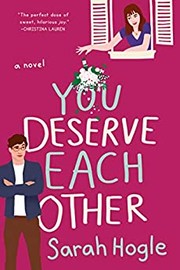
You Deserve Each Other
Engaged and miserable, Naomi and Nicholas wage a prank war to force a breakup, then face money, mothers, and truth in Sarah Hogle's funny romance with a tender…
2,415-word summary · 11 min read
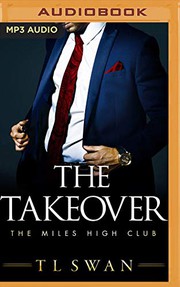
The Takeover
An arrogant CEO and the sharp employee forced to staff his deal trade insults, trips and late nights across a long push-pull, until pride and jealousy force…
2,580-word summary · 11 min read
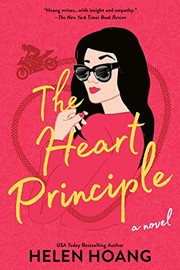
The Heart Principle
Violinist Anna Sun plans one night with Quan Diep, then faces autistic burnout and family duty after her father's stroke in Hoang's 352-page 2021 Berkley…
2,793-word summary · 12 min read
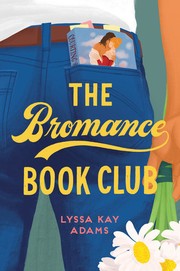
The Bromance Book Club
A Nashville pitcher joins a secret romance book club to save his marriage after his wife Thea asks for divorce. He trades pride for listening, chores, and…
2,932-word summary · 13 min read
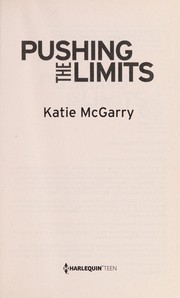
Pushing the Limits
Scarred Echo and foster kid Noah take on tutoring, family secrets, and a custody fight in this 2012 debut about trust after harm.
2,831-word summary · 13 min read
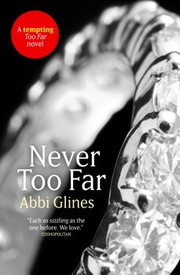
Never Too Far
Blaire flees Rosemary Beach after Rush's lies, then must decide if his pursuit and Nan's exposed schemes earn trust again.
2,626-word summary · 12 min read
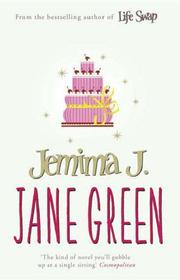
Jemima J
Overweight London journalist Jemima Jones invents a slim online self for a California lover, starves to match the photo, then faces betrayal and learns to…
2,883-word summary · 13 min read
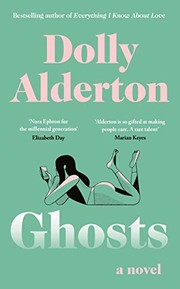
Ghosts
At 32, food writer Nina Dean faces ghosting by Max and her father's dementia in London.
2,677-word summary · 12 min read
Captivated by You
Eva and Gideon hide a secret Caribbean marriage while planning a Monterey wedding as Gideon arrest, press threats, and Corinne strain test them in Crossfire…
3,016-word summary · 13 min read