
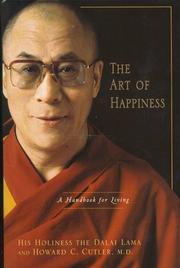
The Art of Happiness
3,394-word summary 15 min read
- First published
- 1998
- Publisher
- Riverhead Books
- ISBN
- 9781573221115
Reading options
What's inside (8 sections)
I borrowed The Art of Happiness on a gray week when sleep was short and my temper was shorter. A coworker kept a battered Riverhead Books copy from 1998 in his desk drawer and lent it without much pitch. He just said the talks inside had steadied him after his father died. The book is a series of conversations between the Dalai Lama XIV and psychiatrist Howard C. Cutler, who asked questions, taped answers, and added his own notes from clinics back home. I expected proverbs. What I found was slower and more practical, a back-and-forth about how to train attention so that happiness holds up when life does not cooperate.
Cutler frames the project at the start. He followed the Dalai Lama on a tour that included a conference in Arizona, where the Dalai Lama told a large crowd that the very purpose of life is to seek happiness. Cutler admits he arrived doubtful. In his practice, patients spoke of happiness as vague and out of reach, a matter of luck. The word itself comes from roots tied to chance, and Cutler felt that weight. The Dalai Lama pushed back gently. Happiness, in his view, is not luck. It is a skill built through inner discipline, through learning to notice which thoughts help and which harm. He uses the Tibetan word Sem for mind, which covers intellect plus feeling, heart plus thought. Training Sem means changing attitude and outlook, not forcing smiles.
That claim sets the path for the whole Riverhead Books volume from 1998. Happiness depends more on state of mind than on outer events, once basic needs for food and shelter are met. We can test thoughts, drop some habits, feed others. We can reclaim a calmer baseline that was there before worry covered it. We can warm our ties to others through closeness and care. We can face pain without adding extra misery on top. We can meet anger and fear with patience and self-respect. And we can live by simple spiritual values, with or without formal religion. Cutler adds stories from his own life and practice to show where the ideas land and where they scrape.
Happiness as a purpose you can train for
The opening chapters lay out purpose and method. The Dalai Lama states plainly that every person wants a better life, believer or not. That wish points to happiness as a shared goal. Cutler notes that unhappy people in his office often sound self-focused and withdrawn, quick to brood and slow to bend. Happy people tend to sound more sociable and flexible, able to absorb daily friction without collapsing. The contrast is not moral. It is observational. It suggests that attention habits shape mood as much as events do.
Cutler then brings in the baseline idea that researchers discussed in the 1990s. A woman retires at thirty-two with money and freedom and feels a lift for months, then drifts back toward her prior mood. A man learns he is HIV positive and sinks, then over time finds fresh regard for ordinary days and returns closer to his prior level. Lottery winners and accident victims show similar arcs in studies Cutler cites. Good news lifts us. Bad news drops us. Then we adapt. The Dalai Lama does not dispute the pattern. He draws a lesson from it. If outer change fades fast, we should put effort where it lasts, in how we interpret events and what we rehearse in mind.
The next step is learning to sort thoughts. The Dalai Lama advises a simple review at day's end. Which thoughts brought ease. Which brought heat. Keep the first group. Question the second. He warns against feeding craving by dwelling on the object. If a certain shop window always pulls you into debt and regret, walk another street for a while. If late-night scrolling leaves you wired and sour, charge the phone in the kitchen. Positive desire is allowed. Wanting to study, to help a neighbor, to finish a hard task, these aims can steady us. The point is to choose mental food with care.
He also links happiness to self-worth built from affection and dignity rather than goods. Contentment, in this account, is not settling. It is a firm sense of being workable as a person, able to give and receive care. I tried the evening review for a week while reading. On good nights I wrote two lines. On bad nights I wrote half a page of complaints and then saw how often the same three gripes repeated. Seeing the loop on paper made it easier to set down the next day. That small practice felt more useful than any slogan about positive thinking.
Warmth, intimacy and compassion
The middle of the book turns to other people. The Dalai Lama argues that warmth is not a luxury. Babies who receive steady touch and eye contact grow with more ease. Hospital patients with visitors often heal with better spirits. Cutler adds that medical work ties close friendship to better odds after heart attacks and major surgery, and to lower risk for some illness. The science here is broad rather than tight, and I will return to that limit later, but the human point stands. We need contact to stay well.
Intimacy gets a fresh model. Many of us picture intimacy as one special partner who meets every need. The Dalai Lama widens the frame. He describes intimacy as openness shared with many, family and friends and even strangers, built on a sense of common humanity. Inside that wider circle, a close bond with one trusted person can still grow, someone with whom you can share fear and failure without editing. Cutler admits he guarded his own time and kept people at arm's length during training years, then felt the cost in loneliness. The Dalai Lama urges small moves. Greet the bus driver by name. Ask a coworker about her mother and listen to the end. Let a neighbor see you tired rather than polished.
Deepening ties takes empathy, which means picturing yourself in the other seat. Cutler tells on himself here. He recounts an argument where he answered fast and cool, then replayed it later and saw he had missed the other person's strain entirely. The Dalai Lama says there is no formula that fits each clash. Try to grasp background and pressure. A clerk who snaps may have worked a double shift with a sick child at home. A friend who cancels twice may be ashamed about money. That shift does not excuse rudeness, but it cools our response enough to answer clearly.
Relationships get sorted into two kinds. Some rest on wealth, status, or use, and fade when those props fall. Others rest on human feeling and last through change. Sex gets the same clear lens. The Dalai Lama says sex without respect brings brief relief and later chill. Sex joined to kindness and regard can deepen trust. He is blunt about romantic fantasy, calling the dream of perfect fusion a setup for letdown. Lasting closeness, he says, grows from affection, respect, and shared aims, not from lightning. I found that passage bracing rather than cold. It matched what I have seen in long marriages around me, where care shows in rides to the clinic and dishes done without comment.
Compassion then gets careful definition. The Dalai Lama splits it in two. The first kind mixes with attachment and bias. We feel for our circle and go numb outside it, and our help wobbles with mood. The second kind is genuine and steady, based on the sense that others have the same right to ease as we do. That wider care brings a feeling he calls unbearableness at another's pain, not as drama but as motive to act. He claims this stance supports survival itself, since humans depend on cooperation from birth to old age. Cutler cites researcher James House on social ties and longer life, and notes his own patients who steadied when they volunteered weekly. The claim is large, but the direction feels right to me. When I spent a Saturday carrying boxes at a food pantry during the reading, my own rumination quieted for hours.
Facing suffering and shifting view
The next portion faces pain head on. The Dalai Lama starts with a premise Western readers often resist. Suffering is natural and certain. Illness will come. Loved ones will die. Plans will fail. If we treat hardship as an insult or a glitch, each blow feels double. If we treat it as part of life, we can prepare and respond with less panic. He suggests picturing likely losses in calm moments, not to invite dread but to rehearse courage. A parent might imagine the call from the school nurse and decide in advance to breathe before driving. A daughter caring for an aging father might talk early about hospice and paperwork so grief is not tangled with logistics.
He separates pain from suffering added by mind. Pain is the shot, the fever, the funeral. Added suffering is the story we wrap around it. Cutler gives the example of replaying an insult for days, drafting replies in the shower, telling the tale at dinner until the sting outlives the event by weeks. The Dalai Lama points to the self as the amplifier. When every event is read as aimed at me, small slights swell. I was slighted. I was passed over. I was disrespected. Loosening that grip lowers volume. This is not blame. It is mechanics. A mind less centered on itself reacts with more room.
Shifting view becomes the tool. Enemies can teach patience because they test it where friends do not. A rude driver can be a two-minute tutor in restraint. A hard boss can reveal where our pride snags. The Dalai Lama stresses balance over extremes. Eat, sleep, work, rest in measure. Zealots of any stripe, including wellness zealots, trade one trap for another. Narrow focus feeds grand reactions. Wider focus steadies them. I tested this on a delayed train one evening, choosing to read instead of refreshing the arrival board. The delay stayed. My evening improved.
Finding meaning in pain follows. The book recalls psychiatrist Viktor Frankl, who survived Nazi camps and observed that prisoners who held a purpose, a child waiting, a manuscript to finish, a faith to honor, bore horror with more inner freedom than those with youth or strength alone. The Dalai Lama adds ordinary cases. Childbirth brings severe pain aimed at new life, which changes how the pain is borne. Caring for a sick spouse exhausts and also clarifies what matters. Faith can help here for those who hold it, by placing present hurt inside a larger story of growth or service.
A Mahayana practice makes this concrete. Sit quietly and picture taking in another's pain with each in-breath, then sending out relief with each out-breath. A tired nurse might picture a patient’s fear entering as dark smoke and leaving as light. Cutler admits the image felt strange at first, then found it softened his dread before hard visits. The book also cites physician Paul Brand, who worked in India with patients lacking pain sensation and showed how lack of pain leads to worse injury. Pain warns. Without it we would press hands to hot stoves and walk on broken feet. That reframe does not make pain good, but it makes pain useful, which eases protest.
Anger, anxiety and self-esteem
The chapters on blocks feel most clinical, which makes sense given Cutler's role. Bringing change starts with resolve. We must first see a habit clearly, then want to change it, then practice steadily. Will alone fails. Understanding must lead. A smoker who tracks each cigarette and its trigger learns more than one who swears off on New Year's Day. The same holds for inner habits. Watch anger rise. Note the story that feeds it. Try a new reply next time.
Anger and hatred get the hardest look. The Dalai Lama calls them uniquely able to wreck judgment in minutes and erase long training. A parent who yells what cannot be unsaid knows this. A driver who chases a slight knows it too. Cutler challenges the idea that rage brings strength. Heat can feel like power, but it narrows sight and spoils aim. Firm action does not need hate. A supervisor can set a clear boundary without contempt. A neighbor can refuse a loud late party without insults. Calm resolve works better and costs less sleep.
Hatred harms the holder most. Nursing a grudge keeps the body braced long after the event. The Dalai Lama suggests broadening context to cool it. Ask what fear or ignorance drove the other act. A teen who vandalized a fence may have sought status among older boys. A colleague who took credit may fear layoffs. This does not excuse harm or remove need for repair. It returns choice. Patience becomes the antidote, not as passivity but as strength that guards freedom. I thought of an old family quarrel while reading this chapter and felt my shoulders drop a half inch. The quarrel stays unresolved, but my grip on it loosened.
Anxiety and self-esteem close the obstacle section. Cutler describes patients who dread talks, tests, or dates, then judge themselves harshly for shaking. The Dalai Lama traces much of this fear to self-focus plus harsh self-talk. The remedy blends honesty and kindness. Name the skill gap without global verdicts. I lack practice at public speaking is truer than I am worthless. Prepare in small steps. Speak to three friends, then ten, then thirty. Recall past acts of help to ground worth in conduct rather than applause. Cutler notes that confidence built this way holds better than praise borrowed from others. My own note in the margin reads, practice over pep talk, which I still use before leading meetings.
Genuine compassion grows when we see others as like ourselves in wanting ease and fearing hurt.
That line from the compassion chapter kept returning while I read these pages. Anger says you blocked me. Anxiety says I will fail. Compassion says we both want the day to go okay. Holding that third sentence in mind did not fix my flaws, but it gave me a place to stand while working on them.
Spiritual values without required religion
The closing reflections separate spirituality from religion in a way that surprised me. Cutler expected robes and riddles. He found plain talk over tea. The Dalai Lama outlines two levels. One is formal faith with rites and community, and he urges each person to follow the path that fits temperament and culture, Buddhist, Christian, Jewish, Muslim, or another, and to respect all sincere paths. The other level is basic human spirituality with no church required, built on kindness, honesty, patience, and care for others. That second level, he says, is open to believer and nonbeliever alike, and it is enough to shape a good life.
Stories carry the point. The Dalai Lama recalls Terry Anderson, the American journalist seized off the streets in Beirut in 1985 and held by Hezbollah for seven years. Anderson later said prayer and inner life sustained him through isolation and fear. Cutler pairs this with quieter cases from his practice, a widow who kept a daily kindness log, a teen who steadied by tutoring younger kids. Deep practice, the book argues, shows its worth under pressure rather than in calm quotes. I thought of my own small test, sitting with a sick relative through a long night in a chair that hurt my back. No mantra arrived. What helped was breathing slowly and staying present, which the book would count as spiritual practice at the basic level.
Meditation gets plain treatment rather than mystique. The Dalai Lama describes sitting still, settling attention on breath, noticing drift, returning without scolding. Short sessions count. Community service counts too, as outer meditation that trains care through action. He urges mental development as a daily habit like brushing teeth, brief and repeated. Cutler admits he struggled to keep a seat each morning between hospital rounds, and found two ten-minute sits more workable than one long one. That honesty helped me start my own five-minute morning sit with a kitchen timer. Some days my mind raced the whole time. Even so, the day began with a pause instead of a plunge.
The final pages return to motive. Happiness as purpose is not chase for thrills. It is cultivation of sources that last, warmth toward others, clear view of suffering, steady work on blocks, values lived daily. The Dalai Lama repeats that all faiths can serve this end when practiced with kindness, and that no faith is required to begin. Cutler closes his frame by noting how his questions changed across the years, from how to feel good to how to live well. I closed my copy with less glow than I had hoped and more footing than I had expected, which seems like the honest trade this book offers.
What helps and what falls flat
Credit where due first. The structure walks in order and each idea gets a lived example. Arizona crowds, Sem as heart-mind, the retiree and the diagnosis, the Sunfish of attention habits, the pantry Saturday, the train delay, the blue-box moments of ordinary care, these scenes stick because they are concrete. Cutler's voice as questioner keeps the Dalai Lama from floating. When Cutler says an exercise felt odd or a claim clashed with his training, I trusted the exchange more. The empathy chapter in particular gave me tools I still use, pausing to picture background before replying, sorting durable bonds from useful contacts, choosing respect over spark in close ties.
Limits matter too, and this book has several. Cutler pads some chapters with case filler that repeats the same point. A story makes the claim, then a second story makes it again, then a summary restates both. At 1998 pace that may have felt thorough. Now it drags in the middle third, especially around suffering and perspective where three chapters circle similar ground. A firmer edit could have trimmed repetition without losing substance, though I take the Riverhead Books 1998 edition as published.
Evidence stays thin by clinical standards. Cutler cites studies like House on ties and health, yet rarely gives design or size, and control groups go unmentioned. Frankl and Brand appear as wisdom witnesses rather than data. A psychiatrist writing for a wide audience might choose story over stats, and that choice aids reading, but readers seeking proof will find assertion more than argument. I wanted at least one chapter to show its work with numbers and limits stated plainly.
Privilege also goes mostly unexamined. Advice to shift view and find meaning lands differently for a tenured doctor than for a single parent working nights with no paid leave. The book nods to basic needs being met as a floor, then moves on quickly. It rarely asks how exhaustion, rent stress, or unsafe streets shrink room for evening review and morning sits. Terry Anderson's seven-year ordeal shows faith under extreme strain, yet the daily strain of poverty gets less attention. That gap does not void the tools, but it narrows who can easily pick them up.
Repetition is the final snag. Key lines about training mind and widening care return in nearly every chapter, sometimes word for word. I flagged the same sentence three times in my copy. A little return aids memory. This much return dulls it. Readers who read straight through may skim, as I did near the chapter on bringing change.
Even with those faults, I keep the book within reach. Its best counsel is modest and testable. Review thoughts at night. Walk another street past old baits. Greet one person by name. Picture background before judging. Sit five minutes. Help weekly. Those acts fit inside a normal week and ask no new beliefs. The Art of Happiness, in the 1998 Riverhead Books conversations shaped by Howard C. Cutler, does not promise a life without pain. It promises a mind less owned by pain, and on the weeks I practice even half its list, that promise holds enough to matter.
FAQ
When was The Art of Happiness published?
It was published in 1998 by Riverhead Books, based on conversations with psychiatrist Howard C. Cutler.
Does the book require Buddhism?
No. It separates basic spiritual values like kindness and patience from formal religion.
Who is Howard C. Cutler?
A psychiatrist who interviewed the Dalai Lama and added context and reflections from his practice.
Similar books
The Road Less Traveled: A New Psychology of Love, Traditional Values and Spiritual Growth
M. Scott Peck argues that maturity begins with accepting difficulty, then builds discipline, love, and spiritual growth through honest, often painful work.
2,200-word summary · 10 min read

The Untethered Soul
Singer names the noisy inner voice and shows how watching thoughts, loosening old hurt, and keeping the heart open through surrender can ease daily suffering…
2,752-word summary · 12 min read

A New Earth
Tolle maps ego pain and shows how presence can loosen roles, thoughts, and suffering.
1,909-word summary · 8 min read

The Courage to Be Disliked: The Japanese Phenomenon That Shows You How to Change Your Life and Achieve Real Happiness
A philosopher and an angry young man argue over five nights about Adlerian psychology, trauma, approval, and the freedom to be disliked.
2,054-word summary · 9 min read

Four Thousand Weeks: Time Management for Mortals
Oliver Burkeman turns the whole productivity project on its head, arguing that a human lifespan of roughly four thousand weeks is not a problem to optimize…
2,447-word summary · 11 min read
10% Happier
An ABC newsman panics on air, then finds meditation without losing his edge.
2,590-word summary · 12 min read

12 Rules for Life
Twelve essays on responsibility from posture to truth to petting cats.
2,045-word summary · 9 min read
What Happened to You?
Oprah Winfrey and psychiatrist Bruce Perry explain how early experience shapes the brain, and why asking what happened to someone works better than asking what…
2,238-word summary · 10 min read

Moonwalking with Einstein: The Art and Science of Remembering Everything
A journalist spends a year training for the U.S. Memory Championship and discovers that extraordinary memory is mostly technique, attention, and a lot of…
2,027-word summary · 9 min read
The Total Money Makeover: A Proven Plan for Financial Fitness
Dave Ramsey lays out seven Baby Steps, from a $1,000 starter fund to a paid-off house, with the debt snowball at the center.
2,663-word summary · 12 min read
Don't Sweat the Small Stuff ... and It's All Small Stuff: Simple Ways to Keep the Little Things from Taking Over Your Life
Richard Carlson’s 1997 bestseller offers one hundred short chapters on lowering the volume on daily irritations, and it is more pragmatic than its title…
2,502-word summary · 11 min read
Made to Stick: Why Some Ideas Survive and Others Die
The Heath brothers break down why some ideas vanish on contact while others lodge in memory, tracing six traits that make a message stick.
2,527-word summary · 11 min read

Attached
A psychiatrist and a psychologist explain adult attachment styles and show how anxious, avoidant, and secure patterns shape dating, conflict, and the search…
2,157-word summary · 10 min read

All About Love: New Visions
bell hooks borrows a definition of love as an action rather than a feeling, then spends thirteen chapters showing how hard it is to practice.
2,385-word summary · 11 min read
The Artist's Way: A Spiritual Path to Higher Creativity
A twelve week course with morning pages and artist dates to recover creativity.
2,345-word summary · 10 min read
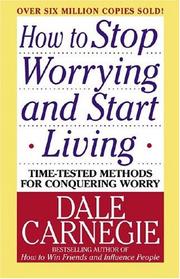
How to Stop Worrying and Start Living
Carnegie offers day-tight routines for worry built from interviews and worker stories.
2,505-word summary · 11 min read
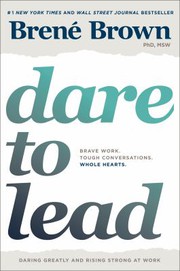
Dare to Lead
Research on courage shows how leaders build trust through vulnerability and clear values.
2,442-word summary · 11 min read
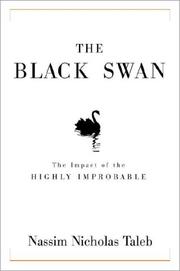
The Black Swan
Taleb argues rare shocks shape history more than models admit, and urges safer exposure over prediction.
2,588-word summary · 12 min read
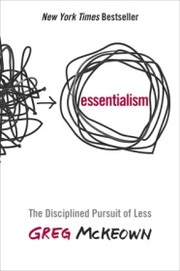
Essentialism
McKeown argues for less but better: discern the vital few, refuse the trivial many, and use buffers, small wins, and steady routines so key work gets done well…
2,421-word summary · 11 min read
Braving the Wilderness: The quest for true belonging and the courage to stand alone
Belonging to yourself first lets you stand alone and still stay close to others.
2,004-word summary · 9 min read
The Power of Positive Thinking
Peale's 1952 guide to faith, affirmations, picturing success, prayer, and worry control, retold chapter by chapter with stories, limits, and small daily habits…
2,742-word summary · 12 min read
The Tao of Pooh
Hoff explains Taoism through Pooh, Piglet, and Eeyore in gentle chats.
2,006-word summary · 9 min read
Grit
A psychologist argues sustained passion plus perseverance beats raw talent, and shows how grit can be grown.
2,432-word summary · 11 min read
Emotional Intelligence
Goleman argues self awareness and empathy shape success more than IQ alone.
2,026-word summary · 9 min read

Tao Te Ching: Annotated & Explained
Eighty one brief verses on the Way and effortless action, with Lin's translation and facing notes.
2,140-word summary · 10 min read
Influence: The Psychology of Persuasion
Six levers plus unity explain why people say yes, learned undercover in salesrooms and labs.
2,030-word summary · 9 min read
The Happiness Project
Gretchen Rubin spends a year testing monthly resolutions on energy, marriage, work, parenting, and play, tracking small habits to build a happier ordinary…
3,516-word summary · 16 min read
The Gifts of Imperfection
Shame research turned into ten guideposts for dropping perfectionism and living with courage and connection.
2,799-word summary · 12 min read
Think and Grow Rich
Hill teaches desire, faith and autosuggestion, distilling lessons from Carnegie interviews into thirteen principles for success.
2,458-word summary · 11 min read
The Power of Now
Tolle argues pain comes from mind chatter and peace from full attention to now.
2,354-word summary · 10 min read