
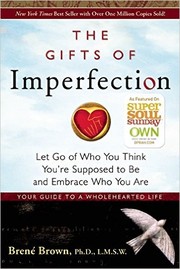
The Gifts of Imperfection
2,799-word summary 12 min read 160 pages in the book
- First published
- 2010
- Publisher
- Hazelden
- Pages
- 160
- ISBN
- 9781592858491
Reading options
What's inside (8 sections)
I bought The Gifts of Imperfection on a tired Sunday, the kind where the house was a mess and my to do list was doing its best to make me feel small. I had read Daring Greatly the year before and liked its plain talk about shame, so a slim earlier book by the same author sounded safe. It is short. Hazelden published it in 2010, and the paperback runs 160 pages, which felt doable in two sittings. It took me longer, because almost every chapter made me put the book down and stare at the wall for a while.
Brown is a researcher who spent years studying shame, fear, and vulnerability. She interviewed thousands of men and women across the country, ages eighteen to eighty seven, and built a career writing about shame resilience for professionals. Then in late 2006, while sorting stories of people who seemed to live with steadiness and warmth, she hit a pattern she did not want to see. She had been working hard, following rules, trying to raise her kids by the book, and expecting her research to confirm she was living right. Instead the data pointed somewhere else. She describes sitting at her breakfast table, looking at two columns of words, one full of worthiness and rest and trust, the other full of perfection and numbing and exhaustion, and feeling her throat close. That moment became this book.
Her word for the people in the first column is Wholehearted. It does not mean happy all the time or healed in some final way. It means living from a sense that you are enough as you are, and letting that sense shape daily choices about work, love, rest, and play. The rest of the book lays out ten guideposts for that kind of life. Each one pairs something to grow with something to release. I worked through them in order, and I will retell them that way, because the order builds.
Wholehearted living and the two lists
The opening chapters set up the frame. Brown says she went into researcher mode to code stories, then came out of it and realized the findings applied to her own life. She had spent a decade studying hard topics and still believed effort and control would keep her safe. The stories told her otherwise. People who lived with a strong sense of love and belonging shared certain habits. They spoke kindly to themselves. They allowed joy without rehearsing loss. They rested without apology. They asked for help.
She first sorted the patterns into two plain columns, Do and Do Not, before giving them kinder names. The Do side held worthiness, rest, play, trust, faith, intuition, hope, authenticity, love, belonging, joy, gratitude, and creativity. The other side held perfection, numbing, certainty, exhaustion, self sufficiency, being cool, fitting in, judgment, and scarcity. Seeing her own habits land mostly on the second list shook her. That honesty sets the tone for everything after. She is not writing as someone fixed. She writes as someone caught mid change, still arguing with herself.
Three ideas anchor the whole book. Courage means showing up and letting yourself be seen when you cannot control the result. Compassion means first giving yourself the same kindness you offer others, because you cannot practice it outwardly while treating yourself with contempt. Connection is why we are here, in her account, and it frays when shame tells us we must earn belonging by performing. Shame grows in silence and softens when met with empathy, a thread she returns to again and again, and it shapes each guidepost.
A note on what this book is not. It is not a memoir with a neat arc, and it is not a program with thirty day charts. Chapters are short. Stories from interviews sit next to plain practices. Some readers will want more method detail. Brown addresses that in a closing section on her research process, written for people who like to know how stories were gathered and coded. I skimmed it first and came back later, which worked fine.
Authenticity, self compassion, and a resilient spirit
Guidepost one is cultivating authenticity and letting go of what people think. Brown defines authenticity as the daily choice to be honest about who you are rather than shaping yourself for approval. That sounds simple until she breaks it into parts. It means saying what you mean, acting from your values when the room wants something else, and accepting that some people will pull away. She is clear that fitting in and belonging are opposites in her data. Fitting in asks you to bend. Belonging asks you to be seen. I felt that distinction land hard. Most of my social energy had gone into scanning rooms and adjusting. She asks for the reverse, staying steady and letting the room adjust.
Guidepost two takes on perfectionism, and this chapter hit me hardest. Brown treats perfectionism not as high standards but as armor. It is the belief that if you look right, work right, and parent right, you can avoid blame and shame. She links it to self compassion, which she frames as holding your own mistakes with warmth instead of attack. The practices here are concrete. Talk to yourself the way you would talk to a friend. Notice when you start rehearsing a failure speech. Name the story you are telling yourself before it hardens. I tried the last one during a work week when I missed a deadline, and it helped more than the pep talks I usually reach for.
Guidepost three is cultivating a resilient spirit by letting go of numbing and powerlessness. Brown groups many habits under numbing, from food and drink to endless scrolling to staying busy so feelings cannot catch up. Her point is not moral judgment. It is that pushing feelings down pushes everything down, including joy and creativity. Resilience in her telling has parts you can practice. Staying aware of what you feel. Reaching for support instead of withdrawing. Keeping a sense that you can act even in small ways. She writes about hope as a learned pattern of setting goals, finding paths, and asking for help, not as a mood that arrives on its own. That reframing stayed with me on days when hope felt thin.
These first three set a rhythm the book keeps. Name the armor. Name what it costs. Try a smaller, kinder move. None of it requires a personality transplant. All of it asks for repetition, which is less exciting than a breakthrough and more honest.
Gratitude, joy, intuition, and faith
Guidepost four pairs gratitude and joy with letting go of scarcity and fear of the dark. Brown says joy caught her off guard in the interviews. People who described full lives also described active gratitude, not as a mood but as a habit. Scarcity, in her use, is the running sense that there is never enough sleep, money, time, or worth. It shows up in small talk and in parenting and in work. The fear of the dark is her phrase for what happens in good moments, when the mind jumps to rehearsing loss instead of staying present. Parents know this one. A child sleeps through the night and instead of resting you picture illness. A project lands and you start bracing for the next cut.
Her answer is ordinary on purpose. Keep a short gratitude list. Say thanks out loud. Mark good moments with a pause instead of rushing past. None of this removes grief or risk. It trains attention so joy gets to exist before fear edits it. I started saying one specific thanks at dinner, naming something from that exact day, and my kids mocked it for a week before joining in. That felt about right for this book. Small, a little awkward, then real.
Guidepost five is cultivating intuition and trusting faith while letting go of the need for certainty. Brown admits this was hard for her. She likes data and reasons. Many of the people she studied spoke about gut knowing and about faith, by which she means a trust that things can hold even when reasons run out, not membership in any single creed. She argues intuition is not magic. It is fast pattern reading built from experience, and it sharpens when you check it against facts and stay open to being wrong. The practices include paying attention to first responses, writing them down, and comparing later. She also asks readers to notice where the hunger for certainty drives control, over planning every trip, over managing every outcome at work, over rehearsing talks with adult children. Loosening that grip does not mean drifting. It means acting with the information you have and trusting you can adjust.
I want to pause here because these two chapters show both the charm and the limit of the book. The charm is permission. You do not need a crisis to keep a gratitude list or to admit you want certainty. The limit is thinness on hard cases. Brown writes warmly about faith and intuition, but readers facing serious illness, job loss, or debt may find the guidance light. She would likely agree. These are guideposts, not maps for every road.
Creativity, play, rest, calm, and stillness
Guidepost six is cultivating creativity and letting go of comparison. Brown insists everyone has room for making things, and that comparison kills it early. She is not talking about gallery work. She means cooking, gardening, fixing a chair, keeping a notebook, singing with kids in the car. Her interviews tied unused creative energy to restlessness and shame. The cure she offers is low stakes practice. Make something small each week. Share it with one safe person before any crowd. Stop measuring your first tries against other people's finished work. I liked her bluntness that comparison often hides as research. Scrolling other people's kitchens for an hour is not planning. It is stalling with better lighting.
Guidepost seven joins play and rest, and asks readers to drop exhaustion as a status symbol and productivity as self worth. This chapter stung. Brown writes about a culture where tiredness functions as proof of value, where answering messages at midnight reads as dedication. She argues rest and play are not leftovers after work but basic needs, as vital as food and sleep. Play here means purposeless fun, the kind with no score and no improvement plan. Rest means real breaks, not collapsing in front of a screen while answering one more thread. Her own story helps. She describes scheduling unscheduled time, protecting family walks, and learning to say she is resting without adding an excuse. I tried blocking one evening with nothing on it, and the first time I filled it with chores within an hour. The second time I sat on the porch and watched rain. That was the better data point.
Guidepost eight is cultivating calm and stillness while letting go of anxiety as a lifestyle. Brown treats calm as a practice of breathing, perspective, and limits, and stillness as creating quiet where insight can surface. She is frank that she parents and works with a busy mind, and that anxiety had become her default setting. The tools are familiar, slow breaths, naming what is actually happening, asking what is needed right now, stepping outside. What makes them land is her link to the earlier chapters. You cannot choose calm if numbing is your only gear. You cannot hear your own thoughts if every gap is filled with input. Stillness supports intuition. Calm supports courage. The guideposts connect, which is why reading them in order pays off.
These middle chapters run short, sometimes only a few pages each, and that brevity is a choice. Brown wants each idea portable enough to try the same day. Readers who prefer extended case studies may feel rushed. I came to like the pace. It mirrors the point. You do not need a retreat to start. You need ten minutes and a pencil.
Meaningful work, laughter, song, and dance
Guidepost nine is cultivating meaningful work by letting go of self doubt and the phrase supposed to. Brown argues that gifts and talents often get buried under family scripts and job titles. Meaningful work, for her, is not necessarily a dream job. It can be paid work, unpaid care, or a craft done on weekends. What marks it is a sense of purpose and the use of real strengths. The blockers are the supposed tos, supposed to want promotion, supposed to stay in the safe field, supposed to keep the hobby small. She asks readers to list what they love doing, what they are good at, and where those overlap, then to protect one small hour for it. That exercise sounds plain. Doing it honestly is harder than it looks, because it exposes how much of a week runs on habit and approval.
Guidepost ten closes the set with laughter, song, and dance, and letting go of being cool and always in control. Brown writes about families who sing off key, dance in kitchens, and tell the same stories until everyone groans. The point is not performance. It is letting the body join in and allowing silliness without self watch. Coolness, in her telling, is another form of armor, polished and distant. She links this guidepost back to play and gratitude. People who laughed freely also rested better and thanked more often. I thought of my own family here, how rarely we play music out loud anymore, and put a small speaker in the kitchen the next day. It did not fix anything large. It made dinner better, which is the scale this book trusts.
The closing pages return to the revolution image from the start, a small quiet shift where each person says their story matters because they matter. Brown dedicates the book to her husband Steve and her kids Ellen and Charlie, and that dedication reads as part of the argument. The work starts at home, in rooms where people know your worst lines and stay anyway.
Where it lands and where to push back
The strengths are real. The book is short without being thin. Each guidepost names a habit, names its cost, and offers one or two tries. The voice stays warm and specific, full of breakfast tables and car rides and work meetings, and the research roots keep it from floating into slogans. The ten guideposts give perfectionists a kinder checklist, one that rewards rest and play alongside courage. Readers who liked Daring Greatly will recognize the through line on shame and find this the gentler entry point, since it came first and reads like an invitation rather than a call to lead.
The criticisms deserve space too. First, repetition. Brown circles the same core claims across chapters, and by guidepost eight you can predict the shape. Armor named, cost named, practice offered. That structure helps memory but can feel looped, especially in one sitting. I did better reading one guidepost a day and trying it before moving on.
Second, the book leans personal and leaves systems mostly alone. Workplaces that punish rest, schools that rank children early, medical bills that make calm feel out of reach, these get little direct attention. Brown writes mainly about what individuals can shift. That focus empowers some readers and frustrates others. If your exhaustion comes from a schedule you do not control, the chapter on rest may read as advice for people with more room. Take what fits and set the rest down without guilt.
Third, the faith and intuition chapter may land unevenly. Readers with a clear spiritual home will find room in her broad use of faith. Readers without one may wish for a more secular frame. She keeps it open on purpose, but openness can feel vague when you want steps.
Who should read it. Anyone worn down by performing, parents measuring themselves against impossible feeds, workers who treat tiredness as proof, givers who comfort everyone except themselves. Who can skip it. Readers who want extended evidence or structural critique will find it light. Those readers might prefer her later books, which build out the research base and the leadership angles.
I finished with two practices that stuck. A short nightly note on one specific good thing, and a weekly hour for something unproductive I enjoy. Neither changed my life in a week. Both changed the texture of days, which is exactly what Brown promises. Not a new self. A steadier way of meeting the one you have. For 160 pages from Hazelden back in 2010, that is a fair trade, and the reason this small book still moves between friends like mine did to me.
FAQ
When was The Gifts of Imperfection published?
Hazelden published it in 2010. The paperback runs 160 pages and the ISBN is 9781592858491.
Is it part of a series?
No. It stands alone, though Brown extends its ideas in Daring Greatly and later books.
Who is this book for?
Readers tired of perfectionism who want short practices for courage, compassion, and connection.
Similar books
Braving the Wilderness: The quest for true belonging and the courage to stand alone
Belonging to yourself first lets you stand alone and still stay close to others.
2,004-word summary · 9 min read

The Courage to Be Disliked: The Japanese Phenomenon That Shows You How to Change Your Life and Achieve Real Happiness
A philosopher and an angry young man argue over five nights about Adlerian psychology, trauma, approval, and the freedom to be disliked.
2,054-word summary · 9 min read
Don't Sweat the Small Stuff ... and It's All Small Stuff: Simple Ways to Keep the Little Things from Taking Over Your Life
Richard Carlson’s 1997 bestseller offers one hundred short chapters on lowering the volume on daily irritations, and it is more pragmatic than its title…
2,502-word summary · 11 min read
Four Thousand Weeks: Time Management for Mortals
Oliver Burkeman turns the whole productivity project on its head, arguing that a human lifespan of roughly four thousand weeks is not a problem to optimize…
2,447-word summary · 11 min read
Dare to Lead
Research on courage shows how leaders build trust through vulnerability and clear values.
2,442-word summary · 11 min read

What Happened to You?
Oprah Winfrey and psychiatrist Bruce Perry explain how early experience shapes the brain, and why asking what happened to someone works better than asking what…
2,238-word summary · 10 min read

Moonwalking with Einstein: The Art and Science of Remembering Everything
A journalist spends a year training for the U.S. Memory Championship and discovers that extraordinary memory is mostly technique, attention, and a lot of…
2,027-word summary · 9 min read

The Total Money Makeover: A Proven Plan for Financial Fitness
Dave Ramsey lays out seven Baby Steps, from a $1,000 starter fund to a paid-off house, with the debt snowball at the center.
2,663-word summary · 12 min read

Made to Stick: Why Some Ideas Survive and Others Die
The Heath brothers break down why some ideas vanish on contact while others lodge in memory, tracing six traits that make a message stick.
2,527-word summary · 11 min read
The Road Less Traveled: A New Psychology of Love, Traditional Values and Spiritual Growth
M. Scott Peck argues that maturity begins with accepting difficulty, then builds discipline, love, and spiritual growth through honest, often painful work.
2,200-word summary · 10 min read

Attached
A psychiatrist and a psychologist explain adult attachment styles and show how anxious, avoidant, and secure patterns shape dating, conflict, and the search…
2,157-word summary · 10 min read
All About Love: New Visions
bell hooks borrows a definition of love as an action rather than a feeling, then spends thirteen chapters showing how hard it is to practice.
2,385-word summary · 11 min read
How to Stop Worrying and Start Living
Carnegie offers day-tight routines for worry built from interviews and worker stories.
2,505-word summary · 11 min read
10% Happier
An ABC newsman panics on air, then finds meditation without losing his edge.
2,590-word summary · 12 min read
Essentialism
McKeown argues for less but better: discern the vital few, refuse the trivial many, and use buffers, small wins, and steady routines so key work gets done well…
2,421-word summary · 11 min read

The Untethered Soul
Singer names the noisy inner voice and shows how watching thoughts, loosening old hurt, and keeping the heart open through surrender can ease daily suffering…
2,752-word summary · 12 min read
The Art of Happiness
The Dalai Lama and psychiatrist Howard Cutler link lasting happiness to training the mind, human warmth, compassion, and basic spiritual values for daily life.
3,394-word summary · 15 min read
Grit
A psychologist argues sustained passion plus perseverance beats raw talent, and shows how grit can be grown.
2,432-word summary · 11 min read
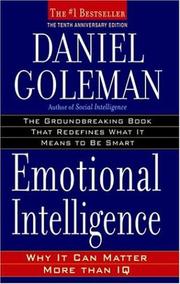
Emotional Intelligence
Goleman argues self awareness and empathy shape success more than IQ alone.
2,026-word summary · 9 min read
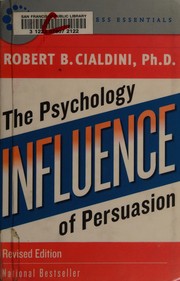
Influence: The Psychology of Persuasion
Six levers plus unity explain why people say yes, learned undercover in salesrooms and labs.
2,030-word summary · 9 min read
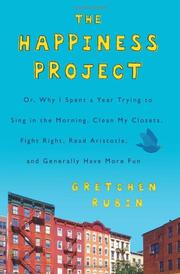
The Happiness Project
Gretchen Rubin spends a year testing monthly resolutions on energy, marriage, work, parenting, and play, tracking small habits to build a happier ordinary…
3,516-word summary · 16 min read

A New Earth
Tolle maps ego pain and shows how presence can loosen roles, thoughts, and suffering.
1,909-word summary · 8 min read

12 Rules for Life
Twelve essays on responsibility from posture to truth to petting cats.
2,045-word summary · 9 min read
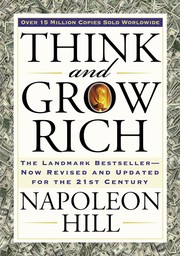
Think and Grow Rich
Hill teaches desire, faith and autosuggestion, distilling lessons from Carnegie interviews into thirteen principles for success.
2,458-word summary · 11 min read
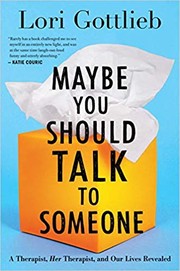
Maybe You Should Talk to Someone
Therapist Lori Gottlieb counsels John, Julie and Rita while seeing her own therapist Wendell after a breakup.
2,234-word summary · 10 min read
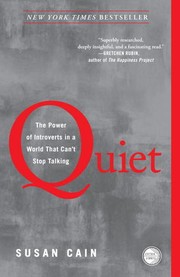
Quiet
Cain traces the Extrovert Ideal from Harvard Business School to open offices and defends the power of quiet.
2,898-word summary · 13 min read
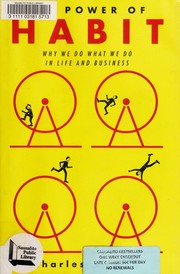
The Power of Habit
Why we do what we do: the cue routine reward loop, keystone habits, and how companies and movements use the same science, from toothpaste to the bus boycott.
2,207-word summary · 10 min read
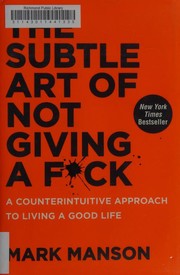
The Subtle Art of Not Giving a F*ck
Blogger Mark Manson argues for fewer cares held better, through suffering, values, failure and saying no, with raw stories.
2,020-word summary · 9 min read
Daring Greatly: How the Courage to Be Vulnerable Transforms the Way We Live, Love, Parent, and Lead
Shame research turned into a case for showing up vulnerable at work, at home, and in love.
2,062-word summary · 9 min read

Sybil
A 1973 case study of a woman treated for multiple personalities, and the book that made dissociative identity disorder a household phrase.
2,054-word summary · 9 min read