

The Untethered Soul
2,752-word summary 12 min read 200 pages in the book
- First published
- 2007
- Publisher
- New Harbinger Publications
- Pages
- 200
- ISBN
- 9781572249134
Reading options
What's inside (8 sections)
I picked up The Untethered Soul on a tired Sunday when my own head would not stop talking. I had heard friends mention it in yoga studios and coffee lines, half joking about the voice in their heads, half serious. The Untethered Soul by Michael A. Singer was first published in 2007 by New Harbinger Publications, subtitled The Journey Beyond Yourself, a 200 page book with ISBN 9781572249134. Singer, a meditation teacher with a background in economics, writes in short chapters that read like talks. I read it in three sittings with a pen, arguing at first, then quieter by the end, which felt like the point.
The opening image stuck before any theory did. Singer asks you to notice the voice that narrates everything. It comments while you shower. It replays a conversation from Tuesday. It worries about Friday while you eat lunch on Wednesday. He calls this inner roommate loud, personal, and strangely hard to shut off. I tried his little experiment on the bus. I just listened for one stop without joining in. The voice said the bus was late, my bag was in the way, I should have left earlier. Hearing it as noise rather than orders felt odd and light. That small shift carries the whole book.
His claim is simple and repeated in different forms. You are not the voice. You are the one who hears it. Consciousness sits back and watches thoughts, feelings, and body sensations pass. Freedom comes from staying in that watcher spot instead of getting pulled into every wave. The rest of the book is practice for staying there when life presses buttons. Some of it helped me right away. Some of it felt too smooth for rough days. Both reactions stayed with me.
The roommate in your head
Singer starts with the inner voice because everyone meets it daily. He points out that it talks without permission, often in first person plural or second person, scolding and planning. It says you forgot the keys. It says they sounded cold on the phone. It rehearses what you should have said. He asks a plain question. If you hear it, who is hearing. That split between speaker and listener becomes his door.
I liked how concrete he keeps this part. He does not start with Sanskrit or brain scans. He starts with breakfast and traffic. You hear the voice judge the weather. You hear it judge you for judging. You try to sleep and it runs tomorrow. Anyone who has stared at a ceiling at 2 a.m. knows this roommate. Singer says most people believe every sentence it says. They follow each thought like a tour guide. He suggests a different move. Notice. Do not argue. Do not obey at once. Just notice that talking is happening inside.
He adds a second observation that stung. The voice is personal. It defends a self image. It likes praise and hates blame. It keeps files on old slights. A cashier is slow and the voice makes it about respect. A friend cancels and the voice makes it about worth. I saw my own pattern here. A short email from a neighbor turned into a story about me being a bad neighbor for an hour. The email was three lines. The story was mine. Singer would say the voice added the sting.
A short paragraph for balance.
Critics will note, and I did, that Singer treats this voice as one thing when minds are messier. Sometimes the voice is planning groceries. Sometimes it is grief. Sometimes it is a chemical dip after poor sleep. Calling it all roommate chatter smooths over real differences. Still, as a first tool, the label works. Naming the chatter made it easier to pause before answering a text in anger. I paused. I drank water. I answered shorter. Better.
Who is watching the voice
The next chapters ask who you are if you are not the noise. Singer walks through the usual answers and sets each aside. You are not your body, because you watch it age and ache. You are not your feelings, because they change by the hour. You are not your thoughts, because you can observe them arrive. What remains is awareness itself, the lucid witness that notices all of it without being any single part.
He uses homely examples. You say my leg hurts, which implies an owner separate from the leg. You say I am sad, then later you are not, which implies something steady beneath passing states. You fall asleep and wake, and continuity returns. Singer calls that continuity consciousness. It does not need drama. It is the quiet room in which drama plays. I found this calming on a crowded train. Bodies pressed close. Announcements crackled. Thoughts raced about being late. Noticing the noticing created a little space. Late still mattered. Panic mattered less.
He spends time on the difference between thinking about life and experiencing it. Thinking labels. Experiencing receives. A strawberry described in words is not a strawberry tasted. A sunset photographed for posting is not the same as standing in cool air watching color fade. Singer urges more direct contact. Feel the shower. Hear the room. Watch breath move without steering it. These are not new ideas to anyone who has tried prayer or sport or gardening. Singer states them plainly, which helps beginners.
Here is where I started arguing in margins. Singer writes as if stepping back is always possible and always enough. Anyone who has lived with panic or fresh loss knows attention can flood. Telling a flooded person to just witness can sound cold. Singer does address this later with gentler steps, but early chapters skip over how hard bare attention is when bills pile or a child is sick. The ideal is clear. The path for hard weeks needs more support than these pages give at first.
Still, one practice from this section stayed in my pocket. When a thought loop starts, I label it silently as talking and return to a sense, like feet on floor or air at nose. No fight. Just return. I used it while waiting for a delayed appointment. The wait stayed long. My jaw unclenched. That does not solve systems that make clinics run late. It made one afternoon kinder.
The thorn and old hurt
Midway through, Singer gives his most memorable image. He asks you to picture a thorn stuck in your arm that hurts whenever touched. Instead of removing it, you build life around avoiding touch. You sleep in certain positions. You avoid hugs. You warn everyone to be careful. The thorn is old hurt stored inside, what yoga calls samskara, impressions left by painful moments that were never fully met.
He says everyone carries such spots. A teacher shamed you in third grade, so criticism now feels larger. A parent left, so a partner working late feels like proof. A past failure at work makes new chances feel risky. To avoid pain, you guard preferences. You need praise. You need control. You need the weekend to go exactly as planned. Life becomes management of the thorn rather than living.
Singer describes two common fixes that fail. One is to push the pain down and pretend it is gone. The other is to arrange the world so nothing touches it. Both keep the thorn in place. Suppression leaks out as sudden anger or numb scrolling. Control works until someone cancels or traffic jams or illness arrives, which it will. I recognized my own version. After a rough year of renting, any letter from a landlord spiked my pulse, even a routine note. The letter was paper. The thorn was older.
His proposal is direct. Let the hurt pass through when it rises instead of defending against the sting. Feel the tight chest. Breathe. Do not feed the story. Do not act from the flare at once. He is not asking you to chase pain or to stay in harm. He is asking you not to build identity around avoidance. Pull the thorn by meeting sensation and letting stored energy move.
This chapter earned both my trust and my caution. Trust because exposure in small doses works in ordinary life. Waiting through awkwardness without checking a phone loosened something. Sitting with embarrassment after a mistake without rehearsing excuses helped it fade faster. Caution because big wounds need care, time, and often other people. Singer nods to this but moves quickly. A reader with deep trauma should read this as poetry about release, not as medical advice, and should seek skilled help alongside any meditation.
Letting go and relaxing the heart
The next teaching follows naturally. If thorns are stored pushes of energy that got stuck, freedom is letting that energy finish moving. Singer calls it letting go. He means a concrete inner action. When fear or jealousy or shame rises, you relax the chest and belly, soften the guard, and allow the wave to pass without grabbing or pushing.
He gives daily scenes. Someone cuts you off. Heat rises. Old habit says honk, curse, rehearse for miles. New habit says feel heat, breathe, unclench hands, keep driving. A friend gets the role you wanted. Envy bites. Old habit says scroll their news with a sour stomach. New habit says notice the bite, relax shoulders, wish them well or simply look away and tend your own work. None of this means approving bad driving or pretending envy is fun. It means not storing another thorn.
Singer ties this to the heart as a place that can open or close. A closed heart withholds, judges, and tires quickly. An open heart lets impressions come and go. He suggests practicing openness in small moments first. Listen without planning your reply. Let a compliment land without deflecting. Let a boring errand be just an errand without adding a story about wasted life. I tried this at the market. Long line. Tired cashier. Old me would narrate the failure of staffing. New experiment was to feel feet, breathe, and watch tired faces without commentary. The line moved at the same speed. I left less sour.
He repeats this lesson across several chapters, which is both strength and drag. Repetition helps a practice book. You need to hear relax and release many times before it becomes reflex. But readers who want new ideas every ten pages will skim here. I skimmed one passage that restated earlier points with slightly different words. The pages on small resistances still landed. Singer notes that people close over tiny things, a tone of voice, a change in plans, a dish left unwashed, and then wonder why they feel tired. Opening over tiny things builds strength for larger ones.
A fair criticism belongs here. Singer can sound as if letting go solves outer problems. It does not. Relaxing your heart will not fix a rude boss or a broken heater. It changes your inner posture so outer action is cleaner. Call the repair line. Have the hard talk. Set the boundary. Singer says this at times, but the emphasis on inner release can leave a busy reader thinking acceptance means passivity. It does not. Release first, then act with a steadier hand.
Energy, openness, and the spiritual heart
Later chapters turn to energy. Singer describes the body as holding a flow that rises and falls with mood and attention. When the heart stays open, energy moves and days feel lighter. When fear closes things down, energy drops and even simple tasks drag. He links this to yoga ideas about centers in the body where flow can open or block, but he keeps the language general for newcomers. No need to master charts. Notice when you feel blocked and when you feel clear.
I am skeptical of energy talk that floats free of evidence, and Singer gives little science here. He offers experience as proof. Try it, he says. Recall a moment of gratitude and feel the chest lift. Recall an insult and feel it tighten. That much is true in my body. Whether to call it energy or mood or nervous system shift matters less than the felt change. I treated these chapters as instructions for attention rather than physics. Read that way, they help.
He suggests practices that keep flow steadier. Do not close. Keep the heart open even when preferences are crossed. Do not hoard energy by clinging to praise or avoiding all risk. Give attention freely. Work with full care. Rest without guilt stories. Eat and sleep in ways that support clarity rather than dulling. None of this is flashy. It reads like common sense with a spiritual frame. I found the frame useful on dull days when common sense alone felt thin.
One image helped at work. Singer compares holding onto a resentment to gripping a weight all day and wondering why the arm aches. I carried a slight about a meeting into three more meetings. Naming the grip helped me set it down before the fourth. The slight may have been real. Carrying it did not fix it. Writing a short clear note later did more than replaying tone in my head for hours.
A short note on privilege fits here. Singer writes as someone with time and quiet to meditate daily. Readers working nights, raising kids alone, or living with noise may find open heart talk distant. The book rarely names money stress, racism, or caregiving load. The tools still work in five minute gaps. Breath at a sink. Pause before replying. But the tone can sound as if inner work alone removes outer weight. It does not. I kept what helped and set aside the glow that assumed wide open mornings.
Death, surrender, and what drags
The closing chapters face death. Singer asks you to remember that time is limited and to let that fact clarify. If this were your last week, would you spend it rehearsing an argument from last month. Would you cling to being right about dishes. Contemplating death, in his use, is not gloom. It is a way to stop wasting attention. Love the people in front of you. Do the work that matters. Release the rest.
He tells of sitting with the thought of death daily, not to frighten but to steady. I tried it lightly for a week. Each morning I asked what I would regret not tending if the year turned short. Answers were plain. Call my sister. Fix the chair. Finish the letter. Walk without earbuds. None required a retreat. All needed less scrolling. That week felt less crowded inside, though outward tasks stayed many.
Surrender is his final word for this stance. It does not mean giving up. It means serving what each moment asks without constant bargaining. Do the dishes as practice. Drive as practice. Listen as practice. Let results come without clutching. He describes a life of service where personal preference stops leading every choice. Readers from faith traditions will hear echoes of prayer. Secular readers can hear it as care without drama.
Now the fair summary of drags, since this book earns both praise and pushback. It repeats. The same moves, watch, relax, release, open, return in new clothes across chapters. Beginners may need the reps. Experienced meditators will skim half the middle. It skims science. Claims about energy and consciousness read as personal report, not tested findings. Take them as invitations, not proofs. It can sound privilege blind, as noted, with little room for survival stress. It can sound prescriptive about surrender in ways that worry readers who need boundaries. Staying open should not mean staying in harm. Singer would agree in principle, but the book could say it louder.
What remains after those notes is still worth holding. I close fewer evenings with a buzzing head than when I started. The roommate still talks. I follow less often. When old hurt flares, I have a simple sequence. Feel feet. Soften chest. Breathe. Let the wave pass. Act later if action is needed. That sequence fits in a kitchen, a bus, a hallway before a hard talk. Two hundred pages is short for that kind of return, and this 2007 New Harbinger book earns its long shelf life by staying practical beneath calm language. I keep it near other worn guides, not as dogma but as a reminder to watch, to release, and to keep the heart open one ordinary hour at a time.
FAQ
When was The Untethered Soul published?
It was first published in 2007 by New Harbinger Publications. It runs 200 pages and the ISBN is 9781572249134.
Is The Untethered Soul part of a series?
No. It is a standalone guide subtitled The Journey Beyond Yourself, with short chapters on consciousness, surrender, and death.
Who will like this book most?
Yes, if you like short practice chapters. It repeats ideas, offers little science, and suits readers open to meditation.
Similar books
The Road Less Traveled: A New Psychology of Love, Traditional Values and Spiritual Growth
M. Scott Peck argues that maturity begins with accepting difficulty, then builds discipline, love, and spiritual growth through honest, often painful work.
2,200-word summary · 10 min read
The Art of Happiness
The Dalai Lama and psychiatrist Howard Cutler link lasting happiness to training the mind, human warmth, compassion, and basic spiritual values for daily life.
3,394-word summary · 15 min read

A New Earth
Tolle maps ego pain and shows how presence can loosen roles, thoughts, and suffering.
1,909-word summary · 8 min read
The Courage to Be Disliked: The Japanese Phenomenon That Shows You How to Change Your Life and Achieve Real Happiness
A philosopher and an angry young man argue over five nights about Adlerian psychology, trauma, approval, and the freedom to be disliked.
2,054-word summary · 9 min read
Four Thousand Weeks: Time Management for Mortals
Oliver Burkeman turns the whole productivity project on its head, arguing that a human lifespan of roughly four thousand weeks is not a problem to optimize…
2,447-word summary · 11 min read
10% Happier
An ABC newsman panics on air, then finds meditation without losing his edge.
2,590-word summary · 12 min read

12 Rules for Life
Twelve essays on responsibility from posture to truth to petting cats.
2,045-word summary · 9 min read
What Happened to You?
Oprah Winfrey and psychiatrist Bruce Perry explain how early experience shapes the brain, and why asking what happened to someone works better than asking what…
2,238-word summary · 10 min read
Moonwalking with Einstein: The Art and Science of Remembering Everything
A journalist spends a year training for the U.S. Memory Championship and discovers that extraordinary memory is mostly technique, attention, and a lot of…
2,027-word summary · 9 min read
The Total Money Makeover: A Proven Plan for Financial Fitness
Dave Ramsey lays out seven Baby Steps, from a $1,000 starter fund to a paid-off house, with the debt snowball at the center.
2,663-word summary · 12 min read
Don't Sweat the Small Stuff ... and It's All Small Stuff: Simple Ways to Keep the Little Things from Taking Over Your Life
Richard Carlson’s 1997 bestseller offers one hundred short chapters on lowering the volume on daily irritations, and it is more pragmatic than its title…
2,502-word summary · 11 min read
Made to Stick: Why Some Ideas Survive and Others Die
The Heath brothers break down why some ideas vanish on contact while others lodge in memory, tracing six traits that make a message stick.
2,527-word summary · 11 min read

Attached
A psychiatrist and a psychologist explain adult attachment styles and show how anxious, avoidant, and secure patterns shape dating, conflict, and the search…
2,157-word summary · 10 min read
All About Love: New Visions
bell hooks borrows a definition of love as an action rather than a feeling, then spends thirteen chapters showing how hard it is to practice.
2,385-word summary · 11 min read
The Artist's Way: A Spiritual Path to Higher Creativity
A twelve week course with morning pages and artist dates to recover creativity.
2,345-word summary · 10 min read
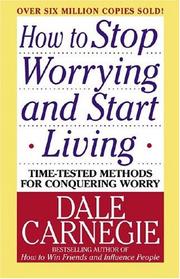
How to Stop Worrying and Start Living
Carnegie offers day-tight routines for worry built from interviews and worker stories.
2,505-word summary · 11 min read
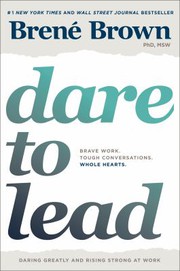
Dare to Lead
Research on courage shows how leaders build trust through vulnerability and clear values.
2,442-word summary · 11 min read
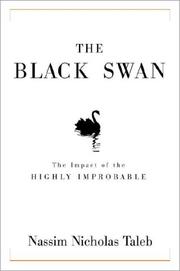
The Black Swan
Taleb argues rare shocks shape history more than models admit, and urges safer exposure over prediction.
2,588-word summary · 12 min read
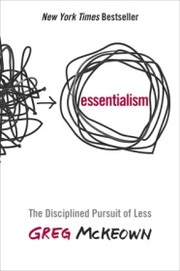
Essentialism
McKeown argues for less but better: discern the vital few, refuse the trivial many, and use buffers, small wins, and steady routines so key work gets done well…
2,421-word summary · 11 min read
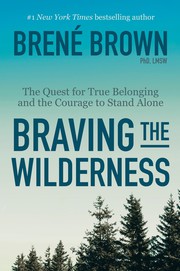
Braving the Wilderness: The quest for true belonging and the courage to stand alone
Belonging to yourself first lets you stand alone and still stay close to others.
2,004-word summary · 9 min read
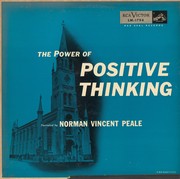
The Power of Positive Thinking
Peale's 1952 guide to faith, affirmations, picturing success, prayer, and worry control, retold chapter by chapter with stories, limits, and small daily habits…
2,742-word summary · 12 min read
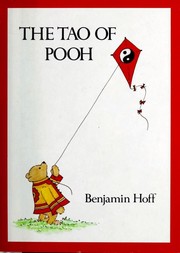
The Tao of Pooh
Hoff explains Taoism through Pooh, Piglet, and Eeyore in gentle chats.
2,006-word summary · 9 min read
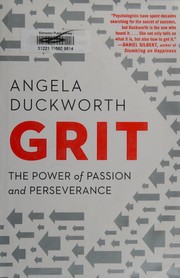
Grit
A psychologist argues sustained passion plus perseverance beats raw talent, and shows how grit can be grown.
2,432-word summary · 11 min read
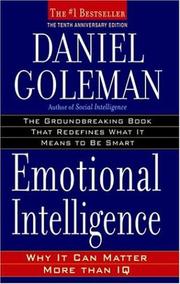
Emotional Intelligence
Goleman argues self awareness and empathy shape success more than IQ alone.
2,026-word summary · 9 min read
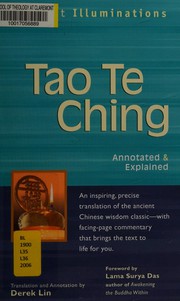
Tao Te Ching: Annotated & Explained
Eighty one brief verses on the Way and effortless action, with Lin's translation and facing notes.
2,140-word summary · 10 min read
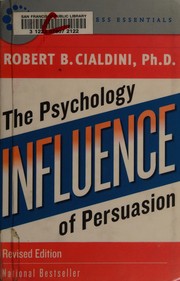
Influence: The Psychology of Persuasion
Six levers plus unity explain why people say yes, learned undercover in salesrooms and labs.
2,030-word summary · 9 min read
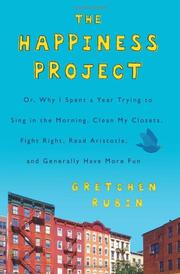
The Happiness Project
Gretchen Rubin spends a year testing monthly resolutions on energy, marriage, work, parenting, and play, tracking small habits to build a happier ordinary…
3,516-word summary · 16 min read
The Gifts of Imperfection
Shame research turned into ten guideposts for dropping perfectionism and living with courage and connection.
2,799-word summary · 12 min read
Think and Grow Rich
Hill teaches desire, faith and autosuggestion, distilling lessons from Carnegie interviews into thirteen principles for success.
2,458-word summary · 11 min read
The Power of Now
Tolle argues pain comes from mind chatter and peace from full attention to now.
2,354-word summary · 10 min read