
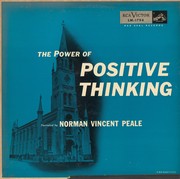
The Power of Positive Thinking
2,742-word summary 12 min read 276 pages in the book
- First published
- 1952
- Publisher
- Prentice-Hall
- Pages
- 276
- ISBN
- 9781476762753
Reading options
What's inside (9 sections)
- Believing you can and picturing the result
- Emptying the mind and letting worry drain out
- Prayer as power and the practice through the day
- Energy, temper, and learning to like people
- Expecting the best and making happiness a habit
- When trouble comes anyway and what finally lasts
- What dates the book and what still works in a kitchen
- Key takeaways
- FAQ
I picked up The Power of Positive Thinking on a grey Sunday when my own thoughts were running in circles. A friend had left it on a kitchen table, the spine cracked, a bus ticket used as a bookmark about forty pages in. I had expected slogans. What I found was stranger and more specific, a mix of prayer, pep talk, and postwar American anecdote that kept pulling me back even when I argued with it. The book was first published in 1952 by Prentice-Hall, 276 pages in that original edition. The ISBN cited with this summary, 9781476762753, belongs to a later Simon and Schuster reprint, not the 1952 printing. Norman Vincent Peale was then the minister of Marble Collegiate Church in New York, and he writes like a pastor who has spent thousands of hours listening to worried people in a small office.
Peale opens by saying he is not a theologian showing off or a doctor handing out a cure. He is a practical minister who watched the same patterns repeat. People came in expecting failure. They rehearsed defeat before a sales call, a sermon, an exam, a marriage talk. He decided the mind could be trained in the other direction, toward trust in God and trust in the attempt itself. That is the whole engine of the book. Everything after is variation on how to practice it.
Believing you can and picturing the result
The first chapters lay out the central formula. Believe in yourself. Picture success. Refuse to let fear set the terms.
Peale tells the story of a businessman who could not get up to speak without shaking, a salesman who had decided his territory was hopeless, a young minister who dreaded his first pulpit. In each case Peale prescribed the same opening move. Say, quietly and often, that you can meet this. He leans on the line from Paul, I can do all things through Christ which strengtheneth me, and he repeats it the way a coach repeats a play. He asks readers to say it ten times a day, to write it on a card, to keep it in a wallet.
Then comes picturing. Peale calls it visualization before that word was common in offices and locker rooms. He tells the reader to form a clear mental picture of the desired outcome. See yourself walking into the room calmly. See the handshake. See the test finished. He describes a golfer who sees the ball going where he wants, a singer who hears the note before she sings it, a job applicant who rehearses the interview the night before. The point is not magic. It is to stop rehearsing disaster.
I tried this part while reading, on a small errand I had been avoiding. A phone call I expected to go badly. I wrote out the sentence Peale suggests, said it while making tea, and pictured a short, polite conversation. The call went fine. Did the picturing cause it. Probably not in any neat way. What it did was keep me from canceling twice, which was my real habit. That feels like the honest version of what Peale promises. The formula lowers the cost of starting.
He also warns against what he calls the defeat habit. People repeat phrases like I never get the break, I am just not good at this, nothing works for me. Peale treats those sentences as prayers in reverse. Say them enough and you act to make them true. He wants them replaced, deliberately, with affirmations of faith and competence. Critics later called this self hypnosis. Peale would have accepted the label and added prayer to it.
Emptying the mind and letting worry drain out
The next stretch is the worry section, and it is the part most readers remember.
Peale describes men and women who cannot sleep for turning over bills, health scares, children, work. One is a merchant who wakes at three and adds figures in his head until morning. Another is a mother who imagines every phone ring as bad news. Peale does not tell them their problems are small. He tells them a crowded mind cannot hear anything useful, not advice, not comfort, not its own better judgment.
His prescription is physical as much as spiritual. Twice a day, sit quietly. Let the body go loose. Picture worries draining out like water from a basin. Then fill the space with something chosen on purpose, a verse, a quiet sentence, an image of still water. He recommends short prayers repeated slowly, and a practice of silence that owes a lot to older devotional writing. Empty the mind, he says, then fill it with faith.
He adds a concrete trick for the daytime. When a worry spikes, write it down, set a time to address it, and refuse to carry it in the head all day. Talk it out with one trusted person instead of rehearsing it alone. Hand the morning over in prayer before the mail arrives. He quotes men who kept a list of fears in a drawer and found, weeks later, that most had solved themselves or changed shape.
This is also where Peale introduces what he calls the basement image. He asks the reader to imagine fears stored in a basement room of the mind, boxes piled up, lights off. Prayer, daylight, and plain talk open the door and carry the boxes out one by one. It is a simple picture, almost childlike, and that is why it sticks. I found myself using it on a crowded train, naming one worry and picturing it moved out of the room.
The limit shows here too. Peale writes as if every worry will yield to this method. Anyone who has lived with serious illness, debt that will not move, or grief that returns without permission will feel the gap. The technique helps with rumination. It does not settle the hospital bill.
Prayer as power and the practice through the day
Peale then turns to what he means by prayer power. For him prayer is not a polite grace before meals. It is the main tool.
He describes his own mornings at Marble Collegiate, rising early, reading a short passage, praying by name for people he would see that day. He tells of businessmen who paused before a hard meeting to pray in a cab, of a woman who prayed aloud in her kitchen while washing dishes, of a doctor who said a sentence of prayer before entering a sickroom. The pattern is the same. Short, direct, repeated contact through the day rather than one long Sunday effort.
He gives sample forms. Thank God in advance for help. Ask for guidance on one decision, not ten. Speak the desired outcome as already being cared for. Then act. Peale is firm that prayer without work is daydreaming. He tells a story of a man who prayed for a job while refusing to apply for any, and Peale told him plainly to get up and knock on doors.
He also teaches what he calls prayerizing a problem. Take the specific trouble, state it clearly, picture it placed in larger hands, and continue with the next practical step. He claims striking results, debts eased, operations faced calmly, estranged partners reconciled. Some stories read like careful reporting. Others read like the warm retelling of a retelling, names softened, numbers missing, timing vague.
What stayed with me was the rhythm he proposes. Morning quiet. Midday sentence. Evening review. It is monastic in miniature, fitted for commuters and clerks. I kept the midday sentence for a week, a single line said while walking to the shop, and it did change the texture of afternoons. Less scrolling. Less snapping. Whether that counts as power or just pause is a question Peale does not spend much time on. For him the pause is the power.
Energy, temper, and learning to like people
Halfway through, the book shifts from inner practice to other people. How to have energy. How to stop being angry. How to be liked.
On energy, Peale argues that most tiredness he saw was not physical but emotional. Resentment tires people. So does indecision. So does carrying old insults like luggage. He counsels a nightly review, dropping grudges on purpose, settling small decisions quickly, going to bed without rehearsing the day's slights. He praises walking, fresh air, and keeping reasonable hours, advice that sounds plain now and sounded almost medical in 1952.
The anger chapter is blunter. Peale had counseled couples who fought over money, church members who feuded over committees, bosses who ruled by shouting. His method is to drain anger through prayer and expression in safe form, then to replace the inner sentence. Instead of he always disrespects me, try he is tired and I can answer calmly. He tells of a foreman who learned to pause and say a short prayer before answering an insolent remark, and who found his crew steadied when he steadied.
Then comes liking people, which Peale treats as a skill rather than a charm. Learn names. Listen longer than feels natural. Do not correct every error. Assume the other person has a burden you cannot see. He tells the story of a salesman who stopped trying to impress and started asking questions, and whose sales rose when his talking fell. He tells of a lonely widow who began telephoning one neighbor a day with no request attached, and who slowly built a circle again.
Some of this reads as dated, especially the office stories with their secretaries and sales managers and Rotary lunches. The gender roles are of their time, and the business world he describes is narrow. Yet the core moves still work in a modern flat or open plan office. I tried the listening rule in one meeting, asking two questions before offering an opinion, and the meeting ended ten minutes early. Peale would have smiled and written it down as a case.
Expecting the best and making happiness a habit
The later chapters bring the most famous slogans. Expect the best. Cultivate happiness. Refuse to be defeated by trouble.
Peale insists expectation shapes effort. The person who expects a good outcome prepares differently, walks in differently, lasts longer in the room. He describes a young man hunting for work who changed his letter from apologetic to hopeful and began getting interviews, a student who stopped telling himself he was bad at mathematics and began studying as if improvement were normal, a mother who stopped predicting disaster for her son and started noticing his steady parts. None of these stories claims a miracle. They claim a shift in posture that allows work to happen.
Happiness, for Peale, is not a mood that arrives. It is a habit built from thoughts chosen on purpose. He suggests keeping a list of glad things, saying them aloud in the morning, singing a hymn while doing dishes, refusing the first ten minutes of self pity after bad news. He loves the phrase practice happiness until it practices you. He tells of a man who forced himself to greet his family warmly for two weeks and found the warmth becoming easier than the gloom had been.
He pairs this with a refusal to dwell on past failure. Do not build a museum of your mistakes, he writes in effect. Learn the lesson, ask pardon where needed, and close the exhibit. He tells of people who replayed one lost sale, one failed exam, one sharp word for years, and who freed energy by letting the replay stop.
I felt both the lift and the strain here. The lift is real. Choosing a kinder opening sentence in the morning does change the day. The strain is that Peale rarely admits the days when the habit will not hold. He writes as if persistence always turns the lock. Anyone who has tried to stay bright through a long illness or a job loss will know the lock sometimes stays shut.
When trouble comes anyway and what finally lasts
Peale does not skip suffering entirely. He closes with chapters on meeting trouble, drawing on faith in a crisis, and holding on when results are slow.
He tells of deaths, diagnoses, bankruptcies. A father who lost a son. A woman told her operation might not help. A couple who lost savings late in life. His counsel is steady. Do not face it alone in the head at night. Tell God plainly what you fear. Accept help from friends, doctors, ministers. Take the next small step even while afraid. He describes sitting with people in hospital corridors, praying briefly, leaving a verse on a card, returning the next day.
He returns often to the idea that faith is a continued attitude rather than a single breakthrough. Keep saying the sentence after the feeling fades. Keep the quiet time after the crisis passes. Keep expecting good while doing the dull work that makes good possible. He admits some prayers seem unanswered, but he frames delay as redirection. The door did not open because another door fits better. Readers who want a harder wrestling with unanswered prayer will find this thin.
That thinness is the fair criticism the book has carried since 1952, and it still applies. Peale leans on anecdote more than evidence. Names blur. Controls do not exist. Successes are counted and failures are left out. The method can slide toward blaming the sufferer, as if continued trouble proves weak faith rather than hard circumstance. The business anecdotes date badly, and the repetition across chapters tests patience. Whole passages say the same thing with a new story attached.
There is also a theological complaint that pastors raised at the time and still raise. The book can read as if God exists to help the reader succeed, rather than the reader existing to serve something larger. Peale would answer that a confident, grateful person serves better than a fearful one, and there is truth in that reply. Even so, the pages on wealth and status sit uneasily beside the pages on hospital corridors.
And yet I closed the 276 page Prentice-Hall shape of this book, met here in its later Simon and Schuster reprint form, with a reluctant fondness. Stripped of its grander claims, the daily kit is sound. Speak to yourself more kindly. Picture the work going well. Empty worry on purpose. Pray briefly and often. Drop grudges before sleep. Expect enough good to keep working. Those moves will not fix everything. They fixed several small things in my week, which is more than most books manage. Read Peale as a parish minister with a set of tools, not as a scientist with proof, and take the tools that fit your hands.
What dates the book and what still works in a kitchen
It helps to name what belongs to 1952 and what travels.
What dates it is the world of the stories. Sales territories, office hierarchies, church committees, wives at home and husbands at work. The language about success aims at promotion and property in ways that can feel narrow now. The psychology is pre modern, with little sense of trauma, chemistry, or systems that keep people down no matter their attitude. Peale tells a reader to change thoughts and the world will bend. Sometimes the world does not bend.
What still works is smaller and more domestic. The card with a sentence in a pocket. The two minutes of quiet before the inbox. The decision to stop rehearsing the worst line before a call. The habit of greeting the house warmly. The evening choice to leave one grievance uncarried. I kept three of those after finishing. I dropped the grander promise that thought alone decides outcomes.
If you try the book, try it that way. Give it two weeks. Pick one affirmation tied to real work, one image of a task done well, one short prayer at noon, one grudge set down before bed. Notice what changes in your actions first, not your feelings. Peale promised more than that. He promised a changed life through changed thought with God at the center. Take the smaller win seriously. For many readers, including this one on a grey Sunday with a borrowed copy, the smaller win is the reason the book has stayed in print since 1952 while louder manuals have come and gone.
FAQ
What edition facts should I know before reading?
First published in 1952 by Prentice-Hall at 276 pages. The ISBN 9781476762753 cited here belongs to a later Simon and Schuster reprint.
Does the book offer proof for positive thinking?
Peale relies on pastoral anecdotes, not controlled evidence. The daily habits can help focus and calm, but they do not guarantee outcomes.
Who was Norman Vincent Peale?
He was minister of Marble Collegiate Church in New York, writing from years of counseling worried parishioners and business people.
Similar books
Don't Sweat the Small Stuff ... and It's All Small Stuff: Simple Ways to Keep the Little Things from Taking Over Your Life
Richard Carlson’s 1997 bestseller offers one hundred short chapters on lowering the volume on daily irritations, and it is more pragmatic than its title…
2,502-word summary · 11 min read
The Magic of Thinking Big
Schwartz's 1959 self-help classic argues that success follows from the size of your thinking, supported by sales anecdotes, vocabulary drills and goal setting.
2,579-word summary · 11 min read
The Road Less Traveled: A New Psychology of Love, Traditional Values and Spiritual Growth
M. Scott Peck argues that maturity begins with accepting difficulty, then builds discipline, love, and spiritual growth through honest, often painful work.
2,200-word summary · 10 min read
The War of Art
Pressfield names Resistance and urges daily professional work.
2,565-word summary · 11 min read
The Artist's Way: A Spiritual Path to Higher Creativity
A twelve week course with morning pages and artist dates to recover creativity.
2,345-word summary · 10 min read
How to Stop Worrying and Start Living
Carnegie offers day-tight routines for worry built from interviews and worker stories.
2,505-word summary · 11 min read
10% Happier
An ABC newsman panics on air, then finds meditation without losing his edge.
2,590-word summary · 12 min read
The Untethered Soul
Singer names the noisy inner voice and shows how watching thoughts, loosening old hurt, and keeping the heart open through surrender can ease daily suffering…
2,752-word summary · 12 min read
The Art of Happiness
The Dalai Lama and psychiatrist Howard Cutler link lasting happiness to training the mind, human warmth, compassion, and basic spiritual values for daily life.
3,394-word summary · 15 min read
Make Your Bed: Little Things That Can Change Your Life...And Maybe the World
SEAL lessons from bed making to never ringing the bell, from McRaven's 2014 Texas speech and 144 page book.
2,974-word summary · 13 min read
A New Earth
Tolle maps ego pain and shows how presence can loosen roles, thoughts, and suffering.
1,909-word summary · 8 min read
12 Rules for Life
Twelve essays on responsibility from posture to truth to petting cats.
2,045-word summary · 9 min read
The Purpose Driven Life
Rick Warren's 40-day guide to Christian purpose, from worship and fellowship to growth, service and mission.
2,846-word summary · 13 min read
The Power of Now
Tolle argues pain comes from mind chatter and peace from full attention to now.
2,354-word summary · 10 min read
Eat, Pray, Love
Eat, Pray, Love retold: divorce, Italy for pleasure, India for practice, Bali for balance.
1,962-word summary · 9 min read
What Happened to You?
Oprah Winfrey and psychiatrist Bruce Perry explain how early experience shapes the brain, and why asking what happened to someone works better than asking what…
2,238-word summary · 10 min read
The DaVinci Code: A Quest for Answers
A short 2006 dialogue in which three friends test Dan Brown's claims about Jesus, Mary Magdalene, Nicaea, and the canon.
2,088-word summary · 9 min read

The Courage to Be Disliked: The Japanese Phenomenon That Shows You How to Change Your Life and Achieve Real Happiness
A philosopher and an angry young man argue over five nights about Adlerian psychology, trauma, approval, and the freedom to be disliked.
2,054-word summary · 9 min read

Moonwalking with Einstein: The Art and Science of Remembering Everything
A journalist spends a year training for the U.S. Memory Championship and discovers that extraordinary memory is mostly technique, attention, and a lot of…
2,027-word summary · 9 min read
The Total Money Makeover: A Proven Plan for Financial Fitness
Dave Ramsey lays out seven Baby Steps, from a $1,000 starter fund to a paid-off house, with the debt snowball at the center.
2,663-word summary · 12 min read
Year of Yes: How to Dance It Out, Stand in the Sun and Be Your Own Person
Shonda Rhimes takes her sister’s accusation seriously and spends a year saying yes to the things that frighten her, from live television to her own reflection.
2,585-word summary · 11 min read
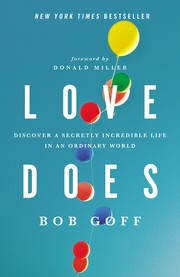
Love Does
A lawyer and activist tells stories of saying yes, showing up, and loving people through ordinary, often ridiculous actions.
2,411-word summary · 11 min read
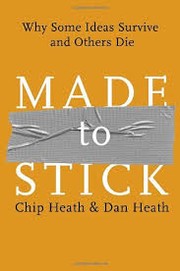
Made to Stick: Why Some Ideas Survive and Others Die
The Heath brothers break down why some ideas vanish on contact while others lodge in memory, tracing six traits that make a message stick.
2,527-word summary · 11 min read

Four Thousand Weeks: Time Management for Mortals
Oliver Burkeman turns the whole productivity project on its head, arguing that a human lifespan of roughly four thousand weeks is not a problem to optimize…
2,447-word summary · 11 min read
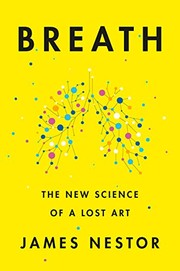
Breath: The New Science of a Lost Art
Journalist James Nestor investigates how modern humans learned to breathe badly, and what researchers, athletes, and breathwork practitioners have found about…
2,011-word summary · 9 min read

Dear Girls: Intimate Tales, Untold Secrets & Advice for Living Your Best Life
Ali Wong's debut collects fourteen letters to her daughters, covering sex, money, work, marriage, Vietnam, and being a working Asian American mother.
2,266-word summary · 10 min read
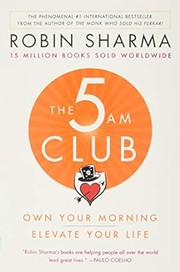
The 5 AM Club
A struggling entrepreneur and artist are mentored by a billionaire who teaches them to reclaim the first hour of the day.
2,205-word summary · 10 min read
Attached
A psychiatrist and a psychologist explain adult attachment styles and show how anxious, avoidant, and secure patterns shape dating, conflict, and the search…
2,157-word summary · 10 min read
All About Love: New Visions
bell hooks borrows a definition of love as an action rather than a feeling, then spends thirteen chapters showing how hard it is to practice.
2,385-word summary · 11 min read
90 Minutes in Heaven: A True Story of Death and Life
A pastor declared dead at a 1989 crash scene describes ninety minutes he says he spent in Heaven, then thirteen months of surgeries, depression, and recovery.
2,246-word summary · 10 min read