

Reading options
What's inside (7 sections)
I picked this up wanting something light after three heavy sagas and got exactly the right kind of silly steamy. Wallbanger by Alice Clayton was originally published by Omnific in 2012, with the Gallery Books edition out August 13, 2013, a 384 page paperback with ISBN 9781476741185. It is book one of the Cocktail series, followed by Rusty Nailed. Caroline moves to San Francisco for a design job. Simon keeps her awake through a wall. I read it in two evenings, laughing at notes passed under doors and fanning myself at the rest.
Caroline Reynolds narrates. She is a graphic designer, funny, capable, on a self imposed dating break after a bad ex. She rents a gorgeous apartment with high ceilings and one flaw. Paper thin walls. On night one she hears her neighbor having extremely enthusiastic sex. Night two, same. By week two she knows his schedule better than her own. She names him Wallbanger and plots revenge with coffee and passive aggressive baking.
Simon Parker is the noise. Photographer, cat owner, charming playboy with a reputation earned honestly. When Caroline finally bangs on his door in pajamas, he answers shirtless, apologetic, and amused. He offers earplugs, wine, and a tour of his photos. She wants to hate him. He makes it hard by being kind to her friends and good at his job and annoyingly thoughtful about her plants.
Thin walls
The setup is classic enemies to lovers with an apartment twist. Caroline works from home some days, which means she hears everything. Conference calls interrupted by moans. Naps ruined by headboards. She complains to her best friends. Mimi, a blunt nurse who says what Caroline will not. Sophie, sweet and taken, who mediates. They advise confrontation, then seduction, then earplugs. Caroline tries all three in order.
Clayton writes the confrontation scenes with great comic timing. Caroline rehearses a speech about respect and quiet hours. Simon opens the door mid speech and she forgets nouns. He invites her in to see that his bed is indeed against her wall and offers to move it. She accepts. He moves it. Noise continues because chemistry, not furniture, is the issue. Their texts after are flirty and furious. STOP. Sorry. STOP LOUDER. Sorry louder.
Work grounds Caroline beyond romance. She designs for a small firm, fights for good clients, and deals with a boss who takes credit. Simon photographs food and people, hustles for gallery space, and cares for his cat Clive like a child. When Caroline helps him pick shots for a show, and when he helps her fix a presentation with photos, they see competence that attraction alone hides. I liked that both have jobs with deadlines, not just apartments with beds.
The friend group adds ballast. Girls nights with wine and bad dating stories. A neighbor potluck where everyone pretends not to hear what everyone hears. Mimi dating escapades that make Caroline life look calm. These scenes keep the book from becoming two people in a hallway. San Francisco feels lived in through brunches, Muni delays, and fog that ruins hair.
A fair note. The early noise gag repeats. Three nights of detailed sound in thirty pages may tire readers who want plot. Stick through. Once Caroline and Simon start talking, the wall becomes a metaphor rather than a joke. What do you let through. What do you block. Clayton knows when to drop the bit.
From complaints to friendship
The middle turns on forced proximity done right. A building leak forces Caroline to stay with Simon for a weekend. Separate rooms. Rules. Both break them by talking until 2 a.m. about exes, parents, and why San Francisco felt like a fresh start. Simon admits his playboy streak is partly habit and partly fear of being left first. Caroline admits her dating break is partly healing and partly control. No sex that weekend, which makes later heat believable. They actually like each other.
Clive the cat deserves a paragraph. Huge, grumpy, and devoted to Simon, suspicious of Caroline shoes. He sits on her designs, sheds on her black dress, and finally sleeps on her lap during a movie. When Clive accepts her, Simon notices. Pet approval as character test works here because Clive is not cute on command. He earns trust slowly, like his owner.
Dating others fails for both in funny ways. Caroline tries a nice accountant who chews loudly and talks about golf. Simon tries a model who is bored by his cat stories. They report back to each other like scouts from bad dates. Those debriefs, over takeout on Simon floor, build intimacy faster than any kiss. You see two people choosing each other company over options, which is romance in action.
steamy scenes, when they come, are explicit and consensual with humor intact. Safe words discussed. Doors locked. Friends texted. Clayton balances heat with care. Caroline asks for what she wants plainly by the middle, which is growth from early people pleasing. Simon listens and adjusts, which separates him from her ex. The wall that started as complaint becomes a joke between them. Remember when I hated you through drywall.
If there is a sag, it is a jealousy subplot with Caroline ex showing up for work reasons. Necessary for closure, but his scenes feel sitcom. He misunderstands Simon cat as euphemism. Ha. I skimmed one lunch and missed nothing. The payoff, where Caroline tells him no without a speech, justifies the pages. Short no beats long essay.
Work, exes, and choosing
The last act tests whether fun can become steady. Caroline gets a big client that requires travel. Simon gets a gallery offer that requires late nights. Old patterns beckon. She overworks to avoid feelings. He flirts to avoid talks. Mimi calls both out in a brunch intervention that is profane and perfect. Say what you need or lose it to schedule.
The ex returns with an apology that is mostly about him. Caroline hears him out, thanks him for lessons, and declines a retry. The scene works because she does not punish or preach. She states facts. You lied. I left. I am better now. Simon waits outside without hovering, which shows trust learned. No alpha showdown. Just a ride home and takeout.
Simon gallery show is the emotional climax more than any bedroom scene. He hangs photos of the building, neighbors, and Caroline designing in morning light, fully clothed and fully seen. Publicly claiming her as muse and partner scares him more than nudity ever did. Caroline sees herself through his respect and cries in the gallery bathroom. Mimi finds her and says fix your face, you won. I laughed and teared up together.
The ending is not a wedding. It is a lease renewal and a wall fixed properly with insulation both pay for. They keep separate apartments for a while, then make a door between offices. Friends toast with cocktails named after the book. Clive gets a new bed he ignores for Caroline lap. Domestic and sexy at once, which is Clayton sweet spot.
What stays with me is the book argument about noise. Cities, jobs, and past loves are loud. Choosing what to let in is adult work. Caroline learns to knock instead of stew. Simon learns to lower volume without losing joy. Together they soundproof with honesty, not foam. That is a useful metaphor wrapped in a romp.
Mimi, Sophie, and San Francisco work life
The friend group deserves more credit because romcoms often leave friends as furniture and Clayton gives them jobs and jokes that matter. Mimi works nights as a nurse, which means she understands thin walls, shift sleep, and gallows humor. Her advice to Caroline is blunt in the way night shift people get. Sleep when you can. Say what you need. Do not date men who need instructions to be kind. When Mimi starts dating someone herself, her own rules wobble in funny ways that make her more than a mouthpiece.
Sophie, married and steady, hosts dinners where Caroline and Simon first act like a couple without admitting it. She notices who refills whose water. She lends Caroline a dress for Simon gallery and tells her to return it whenever, which is friendship language for keep it as long as you need to feel good. Her husband is background but kind, grilling while others talk. Those domestic scenes show Caroline what steady looks like after her ex chaos. No drama. Just chicken and check ins.
Work details keep both leads from floating. Caroline designs menus, logos, and wedding invites she hates, juggling revisions from clients who say make it pop. A scene where she presents three options and the client picks the worst one will resonate with any creative. Simon shoots restaurant dishes that wilt under lights and portraits where subjects blink. He edits late, backs up badly, and learns to ask Caroline for color help. Their skill swap, design eye for photo eye, builds respect that banter alone cannot. I liked watching two freelancers navigate invoices, late payers, and portfolio anxiety. It grounds the steam in rent.
San Francisco itself functions as a third friend. Fog that ruins shoots. Hills that punish bad shoes. Rents that force roommates and thin walls. Farmers markets where Caroline buys too much fruit. Dive bars where trivia nights decide who pays. Clayton, who lives in St Louis but writes the city with affection, avoids postcard clichés. No cable car chases. Just Muni delays that make Caroline late and human. That ordinariness makes the romance believable. Love happens between laundry and deadlines.
A last note on the ex. He is not a monster, which is smarter than making him one. He was careless and self centered, the kind who forgets birthdays but remembers fantasy leagues. His return is about his timeline, not Caroline worth. Her refusal is calm because she already did grief work with friends and Simon. No yelling. Just no. That flat no, after a book of loud walls, sounds like growth.
Read it when you need laughs and heat without angst. It pairs well with wine and a friend to text lines to. Do not expect literary depth. Expect comic timing, kind heroes, and San Francisco apartments you will miss after. And if your neighbor is loud tonight, consider knocking with cookies first. You never know who answers shirtless with good intentions and a cat.
Why the series works from here
A last note on series setup, because book one has to launch more than itself. Rusty Nailed will follow another couple teased here, and Clayton plants them without hijacking. A contractor with a grudge. A friend with a secret. You meet them at barbecues and gallery shows, just enough to care. No cliffhanger. The central couple closes fully. That completeness matters in romance series. Each book is a full meal, not a course.
I also appreciated consent and friendship ethics throughout. Friends ask before meddling, mostly. Simon asks before touching, always after the first misunderstanding. Caroline asks before sharing Simon photos for work. Even Mimi, the bluntest, checks before telling a story that is not hers. In a steamy comedy, that steady respect keeps heat enjoyable rather than queasy. You can relax into laughs knowing boundaries hold.
If you are new to romcom, this is a friendly door. Short chapters. Clear stakes. No cheating between leads. One ex, handled. One misunderstanding, talked through. Heat with humor, not shame. By the last page you will know the building roster and want to stay for the next renovation. That is exactly what book one should do. Open the wall, let sound through, then teach everyone to listen better.
FAQ
When was Wallbanger published?
Originally published by Omnific in 2012. The Gallery Books edition came out August 13, 2013 in 384 pages with ISBN 9781476741185.
Is it part of a series?
Yes. It is book one of the Cocktail series, followed by Rusty Nailed. Each book follows a different couple.
Similar books
More from Cocktail first, then related titles.

Playing for Keeps
Childhood neighbors Haley and Jason turn a long prank war into a fake relationship that turns real.
2,571-word summary · 11 min read

Tangled
Told by a cocky businessman, a bet to win the new associate who rejects him turns into real pursuit, strict rules, a painful reveal and a wedding-level happy…
2,868-word summary · 13 min read

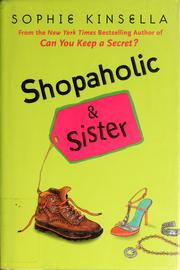
Shopaholic and Sister
Becky Brandon returns from a ten-month honeymoon to meet the half-sister she always wanted, then discovers that Jess is thrifty, prickly, and nothing like the…
2,591-word summary · 12 min read

One to Watch
A plus-size fashion blogger takes the lead role on a reality dating show to prove she belongs on television, and finds she might want what the cameras offer.
2,478-word summary · 11 min read

Collided
Sophie bets she can resist playboy Liam, then pit walls fall.
2,219-word summary · 10 min read

Bridget Jones: The Edge of Reason
Bridget doubts Mark, takes a job with Daniel, and lands in trouble in Thailand.
2,198-word summary · 10 min read
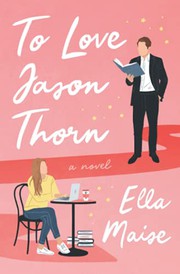
To Love Jason Thorn
Childhood friends Olive and Jason reunite when the Hollywood star returns home, fake a romance for the cameras, and face old family wounds before trust turns…
2,506-word summary · 11 min read

This Man
Ava O Shea meets Jesse Ward while designing The Manor House, and their obsessive affair tests her work and limits.
2,209-word summary · 10 min read

The Coincidence of Callie & Kayden
Callie saved Kayden in an alley and meets him again in college, where both must face assault and abuse to learn trust.
2,578-word summary · 11 min read
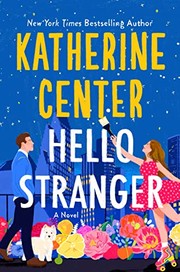
Hello Stranger
Portrait artist Sadie loses face recognition after brain surgery and must finish a contest piece while falling for two men.
2,210-word summary · 10 min read

Gabriel's Rapture
A professor faces a hearing while Julia fights for her own name in Florence, testing love through distance and work.
2,480-word summary · 11 min read

Effortless
Kiera and Kellan try to build trust after choosing each other, tested by tour life, jealous fans, and Denny's lingering presence.
2,568-word summary · 11 min read

The Takeover
An arrogant CEO and the sharp employee forced to staff his deal trade insults, trips and late nights across a long push-pull, until pride and jealousy force…
2,580-word summary · 11 min read

The Heart Principle
Violinist Anna Sun plans one night with Quan Diep, then faces autistic burnout and family duty after her father's stroke in Hoang's 352-page 2021 Berkley…
2,793-word summary · 12 min read
Pushing the Limits
Scarred Echo and foster kid Noah take on tutoring, family secrets, and a custody fight in this 2012 debut about trust after harm.
2,831-word summary · 13 min read

Never Too Far
Blaire flees Rosemary Beach after Rush's lies, then must decide if his pursuit and Nan's exposed schemes earn trust again.
2,626-word summary · 12 min read
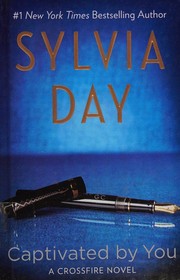
Captivated by You
Eva and Gideon hide a secret Caribbean marriage while planning a Monterey wedding as Gideon arrest, press threats, and Corinne strain test them in Crossfire…
3,016-word summary · 13 min read
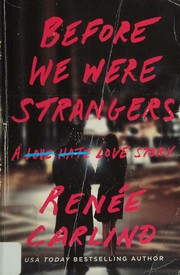
Before We Were Strangers
Matt waits fifteen years to ask Grace why she left after one college night that shaped them both.
2,386-word summary · 11 min read

Thoughtless
Kiera follows her boyfriend to Seattle and falls for her roommate, rock singer Kellan Kyle, in a messy love triangle about loyalty and desire.
2,997-word summary · 13 min read
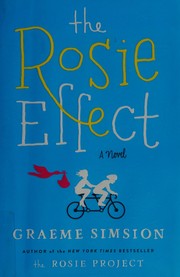
The Rosie Effect
Married in New York, Don Tillman turns Rosie's pregnancy into research and nearly loses her, until a crisis forces him to listen.
2,869-word summary · 13 min read

The Re-Do List
After a public breakup, Willow Lewis redoes her romantic firsts with her brother's best friend while dog-sitting in Des Moines.
2,390-word summary · 11 min read

Catch Her If You Can
Yankees catcher Madden proposes a secret marriage of convenience to burlesque club owner Eve when two kids land on her doorstep.
2,187-word summary · 10 min read

Addicted to You
Lily hides sex addiction and Lo hides drinking while faking love to fool their rich families.
2,064-word summary · 9 min read

Wait for You
Avery flees Texas for college to bury her past, but patient Cam Hamilton refuses to stay a stranger.
2,866-word summary · 13 min read

Magnolia Parks
London socialite Magnolia Parks and BJ Ballentine keep hurting each other while trying to move on.
2,459-word summary · 11 min read
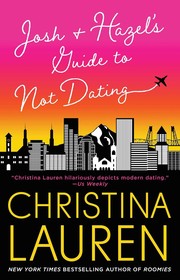
Josh and Hazel's Guide to Not Dating
Quirky teacher Hazel and steady Josh set each other up on awful double dates in Portland while insisting they are just friends.
2,854-word summary · 13 min read
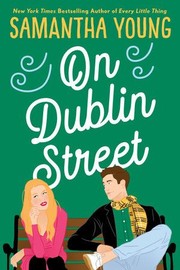
On Dublin Street
A guarded young woman in Edinburgh agrees to a no-strings fling with her roommate's brother, and finds the past she fled catching up with her.
2,491-word summary · 11 min read
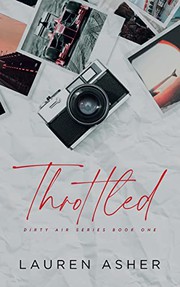
Throttled
F1 driver Noah hates his teammate son Maya, then hires her to fix his image and falls for her.
1,942-word summary · 9 min read

Easy
A college freshman rebuilding after a breakup finds an unexpected bond with a tattooed classmate while facing a stalker.
2,364-word summary · 11 min read