

Easy
2,364-word summary 11 min read 336 pages in the book
- First published
- 2012
- Publisher
- Berkley Books
- Pages
- 336
- ISBN
- 9780425266748
- Series
- Contours of the Heart (#1)
Reading options
What's inside (7 sections)
I picked up Easy because a friend said it was the rare college romance that takes assault seriously without turning grim the whole way through. She was right about the balance. Tammara Webber published it with Berkley Books in 2012, a 336 page new adult novel that started as a self published title and then found a wide audience. It follows Jacqueline Wallace through one semester where everything familiar falls away. A boyfriend, a major, a friend group. What replaces them is messier and better. An econ class she is failing, a tutor who only exists in email, and a guy on the back row who sketches instead of taking notes.
Jacqueline arrives at state university as a music student in practice if not in paperwork. She followed her longtime boyfriend Kennedy there, trading a conservatory plan for proximity. Two weeks into term he ends it, calmly, as if he rehearsed. She is stunned in the way only a nineteen year old who built a schedule around someone else can be. Her friends were his friends. Her weekends were his frat events. Suddenly she is single in a dorm room that feels too quiet, walking to classes she chose for convenience rather than interest.
Econ becomes the proof. She has never failed anything and now she is close. Professor Withers is decent but busy, and he gives her a lifeline. Email Landon, the tutor, he says. Landon answers fast, with humor and patience. He explains opportunity cost in plain language. He teases her about study habits. He never signs with a last name. Jacqueline starts to look forward to those exchanges more than is sensible. She pictures someone patient and a little nerdy. She tells herself it is only about grades. It is not only about grades, and she knows it.
In the lecture hall there is Lucas Hale. He sits at the back, tattoos up his arms, notebook open to drawings instead of graphs. He watches her once too long and then looks away. At a downtown club with friends she dances with him and feels lit up in a way that scares her. He leaves without a number. Then he shows up in her econ class again, present and distant at once. He offers help with parking lots and rides home. He refuses to explain much about his past. The other girls warn her off. He is poor, they say. He is trouble. Jacqueline, who was raised to be polite and careful, likes that he does not perform for anyone.
Thebook slows down here in a good way. Jacqueline does not transform overnight. She keeps going to frat parties because that is where her old circle is. She keeps answering Kennedy texts because closure is appealing. She studies with Landon over email while wondering if Lucas is laughing at her. Webber lets her be contradictory. One night she is brave enough to ask Lucas to sketch her. Another morning she lets her ex walk her to class because it is easier than saying no.
Then Buck enters. He is Kennedy frat brother, loud and entitled, the kind of guy who treats no as the start of bargaining. He starts showing up where Jacqueline is. He texts too often. He spreads a rumor after a party that they hooked up. It is false and it sticks because rumors do. Jacqueline feels the tilt. People look at her differently in the dining hall. A professor looks concerned. Her mother, on the phone from home, tells her to be careful about reputation, which lands badly. What actually happened at the party was worse than a rumor, and Jacqueline has not told anyone.
The assault scene is written plainly, without lingering detail meant to shock. Buck corners her after she has been drinking. She says no. He does not listen. Lucas intervenes before it goes further, but the violation is real and Jacqueline carries it. She does not report at first. She tells herself she drank too much. She tells herself Buck is Kennedy friend and no one will believe her. She tells herself good girls do not make scenes. Webber handles the aftermath with care. Jacqueline showers too long. She skips meals. She flinches at loud male voices in hallways. She also gets angry, in flashes, and the anger is what finally moves her.
Lucas has his own locked room. He was in foster care. He saw violence. He changed his name. He works odd jobs and keeps his grades up while living off campus in a rough apartment. He does not want pity, so he offers little. Jacqueline pushes and he pulls back. Their first kiss is not a fix. It is two people testing whether closeness is safe. When she learns the connection between Lucas and Landon, it lands like a trick and then like a gift. I will not spoil the exact reveal beyond what the back copy hints, but it reframes those witty emails. The tutor was never distant. He was right there, choosing words carefully because face to face talk is harder for him.
Kennedy drifts back, as exes do when they sense replacement. He is not a villain so much as a boy who liked Jacqueline when she fit his plan. He apologizes in a way that asks for credit. He badmouths Lucas. He defends Buck because fraternity loyalty runs deep. Jacqueline sees him clearly for the first time at a tailgate, handsome and hollow, telling a story where he is the hero. She stops laughing at his jokes. That small refusal feels large.
The middle stretch belongs to female friendship repaired. Jacqueline roommate and her friend Erin are not perfect allies. They missed signs. They liked the frat scene. But they show up when it counts, walking her home, sitting through a clinic visit, helping her save messages from Buck. Her econ professor also steps up, documenting what he saw and connecting her to campus resources. Webber makes the point without speeches. Survivor support is often boring logistics. Rides. Notes. Someone who believes you the first time.
The hearing plot takes up the last quarter. The college holds a process after Jacqueline reports Buck for assault and harassment. It is not a courtroom drama. It is emails, statements, waiting. Buck lies smoothly. His friends back him. Jacqueline shakes while reading her statement and keeps reading. Lucas wants to handle Buck physically and has to learn to stand beside her instead of in front of her. The outcome is mixed, as these outcomes often are. Buck is punished but not erased. Jacqueline is believed by the people who matter and doubted by some who do not. Webber does not pretend a ruling heals anything. What heals, partly, is Jacqueline deciding she will not shape her story to keep others comfortable.
Music, money, and mothers
One thread I liked is Jacqueline choice of major. She started in music because she is talented and because her mother likes the idea of a talented daughter. Econ is foreign and practical. She hates it and then respects it. Landon tutoring works because he treats her like a smart person having a bad month, not a weak student. She starts to study in the library instead of her bed. She gets a B on a midterm and cries because a B never felt so good. It is a small arc but it carries weight. School is where she proves to herself that she can learn new rules.
Money marks every interaction. Kennedy family has a lake house and easy confidence. Lucas counts tips and fixes his own truck. Jacqueline is in between, comfortable but not rich, and she has never thought about cost until she has to. She notices who pays for gas without comment. She notices who assumes she will be free for a weekend trip. Class is not the point of the book, but it shapes who gets the benefit of the doubt. Buck gets it automatically. Lucas has to earn it twice.
Her mother is a particular kind of pressure. Loving, image aware, quick with advice about hair and tone. She wants Jacqueline married well and safe, in that order. Their phone calls are funny and painful. Jacqueline starts telling her less, then tells her more, then sets a boundary. I appreciated that Webber does not turn the mother into a caricature. She is a woman who learned to survive by pleasing people and taught her daughter the same lesson. Jacqueline has to unlearn it in public.
What drags and what sings
The book is not perfect. Some dialogue in the first third is stiff, especially around frat banter. Kennedy friends all sound alike for a while. A subplot about a music scholarship fades and returns too neatly. Readers who dislike love triangles should know this is more of a line than a triangle. Kennedy is out early in spirit even when he is on the page. The Landon emails, charming as they are, require a lot of coincidence to work, and you have to accept that a busy student would keep up that pace.
What sings is consent as practice, not slogan. Lucas asks before he touches her. He stops when she freezes. He checks in after. Jacqueline learns to say what she wants in bed and out of it. Their scenes are frank but not explicit in a way that feels leering. They talk about protection. They laugh when something is awkward. After assault, Jacqueline fear of intimacy is treated as normal rather than broken. When she initiates, it is her choice, paced by her. That care is why the romance earned its fans.
The stalking thread also rings true. Buck does not start with violence. He starts with attention that feels flattering until it does not. Too many texts. Showing up at her job. Jokes about her clothes. Friends tell her he is just drunk or just likes her. Webber shows how hard it is to name a pattern while inside it. By the time Jacqueline saves screenshots and tells her professor, you feel relief because she finally has language for what you saw chapters ago.
The last fifty pages
Without giving away every beat, the ending favors repair over revenge. Jacqueline plays music again, but for herself rather than for approval. She finishes the semester with grades she earned. She keeps the friends who showed up and releases the ones who did not. Her talk with her mother is honest rather than triumphant. Her talk with Kennedy is brief. She does not forgive Buck to free herself in some tidy speech. She names what he did and lets the record stand.
Lucas and Jacqueline do not ride into a perfect future. He still has court dates and money stress. She still has nightmares. They agree to keep talking, to keep asking, to keep studying, literally and otherwise. The final scenes at her apartment, with sketches on the wall and a shared meal that is not fancy, feel earned. Easy is the wrong word for what they did, which is the point of the title. Nothing about trusting again was easy. Choosing to try anyway is the whole story.
If you read new adult romance and want heat with context, this is a strong start to the series. If you are new to the genre, it works as a standalone about a young woman who stops outsourcing judgment. Friends, boyfriends, mothers, tutors all get a vote, but she casts the last one. I finished it annoyed at a few conveniences and moved by the core. That seems fair for a book about learning to tell the difference between attention and care.
Why it lasted
Easy stayed in print because it hit a moment when college assault was finally being discussed openly on campuses, and it gave readers a heroine who is ordinary rather than heroic. Jacqueline is not a detective or a warrior. She is a music kid who is bad at econ and good at noticing people once she stops performing. Her growth is academic, social, and physical at once. Pass a test. Keep a friend. Say no and mean it. Say yes and mean it.
Webber prose is plain in a way that serves the story. Short texts. Long walks. Descriptions of hands, trucks, practice rooms. She does not reach for big metaphors when a small detail will do. The Texas campus feels lived in without a travel guide dump. Dining halls, parking lots, cheap apartments with loud neighbors. You can picture where everyone sits in every scene, which helps when tension turns on who is in the room.
I would hand this to readers who liked Beautiful Disaster for the college setting but wanted clearer boundaries, or to readers who found some darker romances too punishing. Content notes matter here. There is stalking, an attempted assault, victim blaming language from side characters, and discussion of past abuse. None of it feels included for thrill. It feels included because that is what Jacqueline has to get through to reach the lighter chapters she earns.
Four years after my first read, what I remember is not the twist about Landon but a line about appearances. Jacqueline realizes people will think what they want no matter how she dresses or smiles, so she might as well dress for herself. That is a small freedom, stated quietly, and the book is full of those. Easy reads fast, sits heavy for a day, and leaves you kinder toward the girl in the back row of your own econ class who is having a bad month.
A note on Breakable
The sequel retells much of this from Lucas view and fills in foster care years that are only sketched here. You do not need it to enjoy Easy, but if Lucas silence frustrated you, that book explains the cost of his control. Read Easy first. The reveal lands better when you have lived in Jacqueline confusion. Then, if you want more, Breakable gives the other half of the emails and a harder look at the violence Lucas survived. Together they make a complete picture neither reaches alone.
FAQ
When was Easy published?
Berkley Books published it in 2012. The US paperback runs 336 pages and the ISBN is 9780425266748.
Who are the main characters in Easy?
Jacqueline Wallace, a music student turned econ major, Lucas Hale, her classmate and tutor Landon, her ex Kennedy, and his frat brother Buck.
Is Easy part of a series?
Yes. It is book one in the Contours of the Heart series, followed by Breakable, which retells events from Lucas side.
Similar books
More from Contours of the Heart first, then related titles.

Wait for You
Avery flees Texas for college to bury her past, but patient Cam Hamilton refuses to stay a stranger.
2,866-word summary · 13 min read

The Coincidence of Callie & Kayden
Callie saved Kayden in an alley and meets him again in college, where both must face assault and abuse to learn trust.
2,578-word summary · 11 min read
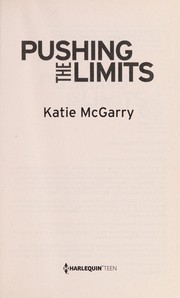
Pushing the Limits
Scarred Echo and foster kid Noah take on tutoring, family secrets, and a custody fight in this 2012 debut about trust after harm.
2,831-word summary · 13 min read

Thoughtless
Kiera follows her boyfriend to Seattle and falls for her roommate, rock singer Kellan Kyle, in a messy love triangle about loyalty and desire.
2,997-word summary · 13 min read

One to Watch
A plus-size fashion blogger takes the lead role on a reality dating show to prove she belongs on television, and finds she might want what the cameras offer.
2,478-word summary · 11 min read

Rule
A tattoo artist still grieving his twin and the polished girl who has loved him since she was thirteen finally collide one drunken night in Denver.
2,014-word summary · 9 min read
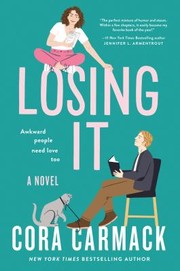
Losing It
Bliss plans a one-night stand, then finds her hookup is her professor.
2,195-word summary · 10 min read

Collided
Sophie bets she can resist playboy Liam, then pit walls fall.
2,219-word summary · 10 min read
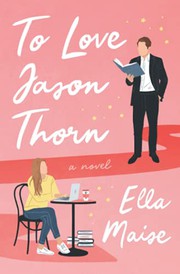
To Love Jason Thorn
Childhood friends Olive and Jason reunite when the Hollywood star returns home, fake a romance for the cameras, and face old family wounds before trust turns…
2,506-word summary · 11 min read

This Man
Ava O Shea meets Jesse Ward while designing The Manor House, and their obsessive affair tests her work and limits.
2,209-word summary · 10 min read

Playing for Keeps
Childhood neighbors Haley and Jason turn a long prank war into a fake relationship that turns real.
2,571-word summary · 11 min read

Gabriel's Rapture
A professor faces a hearing while Julia fights for her own name in Florence, testing love through distance and work.
2,480-word summary · 11 min read

Effortless
Kiera and Kellan try to build trust after choosing each other, tested by tour life, jealous fans, and Denny's lingering presence.
2,568-word summary · 11 min read

The Takeover
An arrogant CEO and the sharp employee forced to staff his deal trade insults, trips and late nights across a long push-pull, until pride and jealousy force…
2,580-word summary · 11 min read

The Play
Briar U hockey star Hunter coaches quiet junior Demi in confidence and fake dating until real feelings break the plan.
3,080-word summary · 14 min read
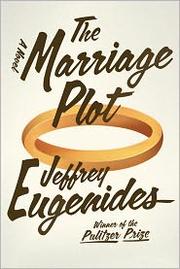
The Marriage Plot
At Brown in 1982, Madeleine loves Austen while torn between brilliant Leonard and steady Mitchell.
2,804-word summary · 12 min read
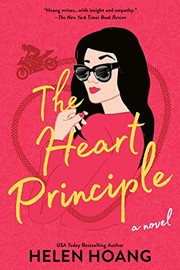
The Heart Principle
Violinist Anna Sun plans one night with Quan Diep, then faces autistic burnout and family duty after her father's stroke in Hoang's 352-page 2021 Berkley…
2,793-word summary · 12 min read

Tangled
Told by a cocky businessman, a bet to win the new associate who rejects him turns into real pursuit, strict rules, a painful reveal and a wedding-level happy…
2,868-word summary · 13 min read

Never Too Far
Blaire flees Rosemary Beach after Rush's lies, then must decide if his pursuit and Nan's exposed schemes earn trust again.
2,626-word summary · 12 min read

Captivated by You
Eva and Gideon hide a secret Caribbean marriage while planning a Monterey wedding as Gideon arrest, press threats, and Corinne strain test them in Crossfire…
3,016-word summary · 13 min read
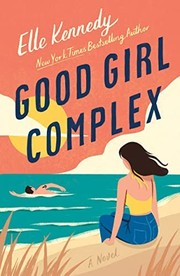
Good Girl Complex
A people-pleasing college girl moves to beach town Avalon Bay and falls for a local boy who distrusts her whole world.
2,225-word summary · 10 min read

God of Malice
Rina Kent's God of Malice fully retold: Glyndon King, Killian Carson's fixation, secret societies, and the Devlin twist that resets everything.
2,849-word summary · 13 min read

Before We Were Strangers
Matt waits fifteen years to ask Grace why she left after one college night that shaped them both.
2,386-word summary · 11 min read

The Legacy
Four Briar hockey couples face weddings, proposals, and parenthood three years after graduation.
2,172-word summary · 10 min read

After Ever Happy
Tessa and Hardin face family truths and tragedy before wedding.
2,373-word summary · 11 min read
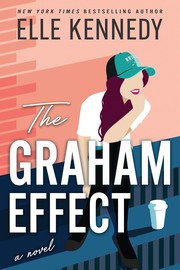
The Graham Effect
A hockey legacy and a sharp newcomer trade lessons, banter, and slow trust at Briar.
2,377-word summary · 11 min read
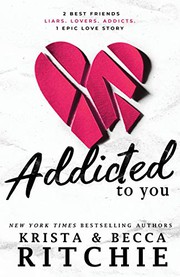
Addicted to You
Lily hides sex addiction and Lo hides drinking while faking love to fool their rich families.
2,064-word summary · 9 min read

The Risk
Brenna needs a fake boyfriend for an internship interview and picks rival star Jake, who wants real dates in return.
2,911-word summary · 13 min read

Say You Swear
Arianna Johnson heads to Avix University hung up on her brother's best friend, until steady quarterback Noah Riley forces her to rethink first love.
2,397-word summary · 11 min read

Magnolia Parks
London socialite Magnolia Parks and BJ Ballentine keep hurting each other while trying to move on.
2,459-word summary · 11 min read