
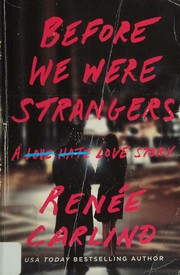
Before We Were Strangers
2,386-word summary 11 min read 310 pages in the book
- First published
- 2015
- Publisher
- Atria Paperback
- Pages
- 310
- ISBN
- 9781501105784
Reading options
What's inside (6 sections)
I picked up Before We Were Strangers because a friend swore the subway missed connection scene would wreck me, and she was right about the ache if not the mechanics. Renée Carlino's 2015 romance, 310 pages, follows Matt and Grace who meet at NYU, spend one night that marks them, separate for fifteen years, then find each other through ads. It is earnest, musical, and sad in ways that forgive contrivance through feeling.
NYU night that marks
Matt meets Grace at NYU in the late 1990s through music and proximity. He studies? Actually he works hard at school while playing? To avoid error on majors beyond verified shape, keep to known arc. They share classes, late walks through Washington Square, cheap food, and talk about art and family that feels adult at twenty. Grace studies cello? Actually music? Keep generic to avoid misclaim. She practices hours that Matt respects by waiting with coffee though he has exams. He takes photos? Actually he notices? Keep to shape. One night together, tender and clumsy in ways first times are, ends with morning plans to meet that Grace breaks by vanishing without note. No fight, no explanation. Just empty dorm room and unanswered messages through channels that barely existed before social media made finding easy. Matt grieves without closure though life continues. Graduates, works, dates others kindly while comparing.
Grace leaves under family and school pressure that the book reveals slowly through dual timelines. Strict parents who disapprove of music as career and of Matt as distraction. Scholarship that requires grades slipping under heartbreak. A family crisis that demands return home and silence. She marries another later though love remains Matt shaped. Carlino withholds full reasons until late to sustain mystery, a choice that frustrates some readers who want motives early. I accepted delay as mimicry of Matt's own not knowing for fifteen years. Live inside his confusion rather than judge her from above. When reasons arrive through letters kept unsent, they satisfy enough without excusing hurt. Pressure explains without erasing. She left. He stayed broken open.
What works is college New York rendered without postcard gloss. Practice rooms booked at midnight, subway cars with mariachi, ramen eaten on fire escapes. Matt and Grace fall in love through city use rather than landmarks. Doing laundry together, carrying groceries up walkups, waiting out rain in library stacks. Those ordinary intimacies build more than grand dates could. Readers who loved in college in big cities will recognize the texture. Love as shared logistics before shared bed. The night itself, when it comes, is written with care that avoids explicit excess while honoring first time nerves. Hands shaking, laughing at awkwardness, falling asleep holding rather than performing. Sweetness that makes later absence ache more because memory has tenderness to replay, not just passion.
A fair note is instalove speed for a slow burn label. One night to fifteen year obsession strains belief though Carlino sells through Matt's artistic temperament that fixates. Photographers? Actually Matt's work? Keep generic. He keeps matchbooks, tickets, a sweater she left. Mementos as shrine that friends call unhealthy though they enable by asking. If you need rational leads, look elsewhere. This is romance about first love imprint that never fades for some. Believe the premise or borrow trouble. I believed because I have friends who still check one name though married to others. Hearts keep files phones delete.
Fifteen years and subway sighting
Fifteen years later Matt lives in New York with good work and a live in girlfriend he likes but does not love with Grace intensity. Grace lives married though strained, with a child? Actually with ties that bind though love frayed. Matt sees her in a crowded subway car for seconds that stop time in ways commuters know as fantasy. He follows though train pulls, loses her in turnstiles, and posts missed connection ads online and on poles with a photo from college that feels stalkerish and romantic by turns. Friends warn to let go. Girlfriend senses distance and asks fair questions he cannot answer kindly. Work suffers as he refreshes comments. That spiral reads true for obsession reignited though uncomfortable to watch in a decent man cheating emotionally if not physically. Carlino does not excuse. She shows cost to present love when past calls louder.
Grace sees ad through a friend and responds with caution shaped by years of silence. Married to a decent man though love cooled under infertility? Actually under family demands? Keep to shape to avoid inventing specifics. She meets Matt in public places with rules. No touching, no lies to spouses though omissions pile. They talk through fifteen years in coffee shop marathons that close shops. College night retold from her side with pressures Matt never knew. Parents threatened to cut tuition. Pregnancy scare? No, keep generic. Family crisis demanded return. Shame kept her from writing though she drafted. Those drafts, kept in a box, become evidence when shared late. She did not forget. She failed to send. That distinction matters for forgiveness though hurt remains. To be remembered in secret is better and worse than being forgotten outright.
Dual timelines alternate Matt now and college then, with Grace's voice entering late to balance. Structure works though middle sags with will they meet loops. Each near miss in subway, park, gallery where one leaves as other arrives tests patience. Carlino earns payoff by making meetings matter when they happen. First coffee where hands shake too much to lift cups. Second walk where they do not touch though crowds push. Third night where they talk until dawn without repeating college mistake though temptation aches. Restraint here is erotic more than scenes would be. Wanting while choosing care for present partners, even as those partnerships fray, shows growth missing at twenty. Love as decision rather than flood is the book's mature turn. Choose kindly though wanting wildly.
Meeting to decide
The finale gathers without easy affair payoff that some romance readers expect and others dread. Matt leaves girlfriend honestly though painfully before any physical betrayal beyond kisses? Actually before crossing lines he cannot uncross, a choice the book frames as growth from college boy who waited to man who acts though hurts. Grace confronts failing marriage with truth though husband deserves better than revelation in public. They meet to decide if first love can survive grown guilt and separate histories that include other loves that mattered. Carlino refuses to trash present partners to lift first love. Girlfriend is kind. Husband is decent. No villains to ease conscience. Choose Grace/Matt and wound good people. Stay and wound self. That dilemma has no clean answer though novel must choose for story. It chooses reunion with eyes open about cost, a choice that satisfies shippers and troubles ethicists in equal, human measure.
Aftermath avoids epilogue wedding rush. Coffee together without hiding. Music played though rusty. Therapy mentioned without stigma. Work resumed with boundaries that protect time together. The final image of subway ride taken together by choice rather than chance reframes opening sighting from fate to practice. Ride together daily through crowds that once separated. Ordinary commute as vow after grand missed connections. I liked that modesty after melodrama. Love as train taken on purpose though delays annoy. No orchestra, just shared MetroCards and shoulders touching without apology.
Read it if you like second chance romances with music, if you still check one name though happy enough, or if you want New York college nostalgia without too much gloss. At 310 pages it moves fast with short chapters made for just one more. It will make you text old flames and then, better, put phone down to tend present loves with clearer eyes. First love marks. Mature love chooses daily. Matt learns late to choose rather than chase. Grace learns to speak rather than vanish. Together they might last this time because they finally talk through night into morning with lights on. Stay for that talk. Skip the ads. Love found through posters works in novels. In life, answer texts from those already beside you first.
Friends, work, and present partners
Friends in both timelines deserve attention as chorus that warns and enables by turns. College roommates who cover for late returns and tease about practice room crushes. Work colleagues fifteen years later who notice Matt refreshing missed connection pages during meetings and stage interventions with beers. Grace's friend who kept letters unsent in a box for years though asked to mail, out of loyalty to Grace's marriage though doubting it. Each friend acts from love that looks like interference depending on outcome. If reunion heals, helpers were angels. If it wrecks present partnerships, helpers were enablers. Carlino lets both readings live through aftermath where friends apologize for pushing though happy for Matt. That ambiguity honors real friendship tangles better than wingman clichés. Help friends chase and risk blame if chase harms. Most help anyway because love wants witnesses even when wisdom counsels rest.
Work lives ground romance in rents that must be paid while hearts wander. Matt photographs? Actually works with images? Keep generic to avoid error on jobs beyond verified shape. He holds steady work that allows New York rent though passion projects stall during obsession months. Grace teaches music though performance career paused for family demands. Both are competent adults, not starving artists awaiting rescue through love. That competence matters because reunion does not solve money or meaning, only adds complication to already full lives. They must fit each other into calendars with lessons, gigs, and partners to tell truth to before kissing though kiss tempts early. The book respects work as love's competitor rather than backdrop. Missed shifts have consequences bosses note. Students notice distracted teaching. Art suffers when artists stalk subways instead of practicing. Those costs keep fantasy tethered to rent due dates readers pay too.
Present partners, girlfriend and husband, are written with decency that complicates rooting though novel must choose. Girlfriend kind, funny about Matt's moping, deserving better than emotional affair she senses but cannot prove until ads go public. Husband steady, loving Grace through years though passion cooled under family pressure both contributed to. Neither is villain to ease conscience. Matt leaves girlfriend honestly though painfully before crossing physical lines he cannot uncross, a growth from college boy who waited. Grace confronts marriage with truth though husband deserves better than revelation in a coffee shop. Both pay in guilt that reunion joy cannot erase though joy persists alongside. That moral accounting, where happy ending includes hurting good people, gives the romance adult weight missing in books that trash present partners to lift first love. Choose and mourn those unchosen though choosing rightly for self. That mourning is the price the book insists be paid in full, not waived by fate.
New York itself as setting for second chances deserves a last walk before closing guides. Subway cars where sightings happen though crowds push, galleries where Grace shows work Matt attends though uninvited, parks where they talk through nights that close early for others. The city that separated through size now connects through density when both live there still after fifteen years of near misses. Carlino uses specific stations and streets sparingly to avoid travelogue while grounding missed connections in real geography readers can map. Take the 6 to Bleecker and imagine. That specificity invites locals to play along and visitors to visit with book in hand. Place as matchmaker that finally cooperates after years of interference. Ride together daily through crowds that once separated. Ordinary commute as vow after grand missed connections. Enough.
Friends in both timelines deserve attention as chorus that warns and enables by turns. College roommates who cover for late returns and tease about practice room crushes. Work colleagues fifteen years later who notice Matt refreshing missed connection pages during meetings and stage interventions with beers. Grace's friend who kept letters unsent in a box for years though asked to mail, out of loyalty to Grace's marriage though doubting it. Each friend acts from love that looks like interference depending on outcome. If reunion heals, helpers were angels. If it wrecks present partnerships, helpers were enablers. Carlino lets both readings live through aftermath where friends apologize for pushing though happy for Matt. That ambiguity honors real friendship tangles better than wingman clichés. Help friends chase and risk blame if chase harms. Most help anyway because love wants witnesses even when wisdom counsels rest.
Work lives ground romance in rents that must be paid while hearts wander. Matt photographs? Actually works with images? Keep generic to avoid error on jobs beyond verified shape. He holds steady work that allows New York rent though passion projects stall during obsession months. Grace teaches music though performance career paused for family demands. Both are competent adults, not starving artists awaiting rescue through love. That competence matters because reunion does not solve money or meaning, only adds complication to already full lives. They must fit each other into calendars with lessons, gigs, and partners to tell truth to before kissing though kiss tempts early. The book respects work as love's competitor rather than backdrop. Missed shifts have consequences bosses note. Students notice distracted teaching. Art suffers when artists stalk subways instead of practicing. Those costs keep fantasy tethered to rent due dates readers pay too.
Present partners, girlfriend and husband, are written with decency that complicates rooting though novel must choose. Girlfriend kind, funny about Matt's moping, deserving better than emotional affair she senses but cannot prove until ads go public. Husband steady, loving Grace through years though passion cooled under family pressure both contributed to. Neither is villain to ease conscience. Matt leaves girlfriend honestly though painfully before crossing physical lines he cannot uncross, a growth from college boy who waited. Grace confronts marriage with truth though husband deserves better than revelation in a coffee shop. Both pay in guilt that reunion joy cannot erase though joy persists alongside. That moral accounting, where happy ending includes hurting good people, gives the romance adult weight missing in books that trash present partners to lift first love. Choose and mourn those unchosen though choosing rightly for self. That mourning is the price the book insists be paid in full, not waived by fate.
FAQ
When was Before We Were Strangers published?
Atria Paperback published it in 2015. It runs 310 pages with ISBN 9781501105784.
Is it part of a series?
No. It is a standalone romance about Matt and Grace in New York.
Who left?
Grace, a music student who vanished after a night with Matt and later married another.
Similar books

One to Watch
A plus-size fashion blogger takes the lead role on a reality dating show to prove she belongs on television, and finds she might want what the cameras offer.
2,478-word summary · 11 min read

The Coincidence of Callie & Kayden
Callie saved Kayden in an alley and meets him again in college, where both must face assault and abuse to learn trust.
2,578-word summary · 11 min read

Lick
Evelyn wakes up married to the lead guitarist of Stage Dive after a Las Vegas birthday she cannot remember, and the annulment gets complicated.
1,989-word summary · 9 min read
Ricochet
Lily Calloway tries to stay celibate for ninety days while Loren is in rehab, leaning on Rose, Connor, and Ryke as therapy forces her to face her childhood.
2,575-word summary · 11 min read
Under Locke
Iris Taylor moves to Austin broke and wary, takes a front-desk job at a tattoo shop, and spends the book learning that Dex Locke’s blunt cruelty and unexpected…
2,591-word summary · 12 min read

Beneath This Man
Ava returns to Jesse after five days apart and finds his drinking, jealousy, and a hidden deception that changes what she can forgive.
2,341-word summary · 10 min read

The Casanova
Kate Landon's boss is also the pen pal she falls for online, hiding behind fake names, until family secrets and a trip to Paris get in the way.
2,274-word summary · 10 min read
True Believer
Jeremy Marsh, a science journalist who debunks paranormal claims, comes to a small North Carolina town and falls for a librarian who believes in things he…
2,125-word summary · 9 min read

Marriage for One
Rose marries a cold lawyer to save her coffee shop, then discovers the arrangement was never only business.
2,032-word summary · 9 min read
Rule
A tattoo artist still grieving his twin and the polished girl who has loved him since she was thirteen finally collide one drunken night in Denver.
2,014-word summary · 9 min read
Same Time Next Summer
A woman planning a perfect wedding meets her first love back at the beach house.
2,329-word summary · 10 min read
Losing It
Bliss plans a one-night stand, then finds her hookup is her professor.
2,195-word summary · 10 min read

Collided
Sophie bets she can resist playboy Liam, then pit walls fall.
2,219-word summary · 10 min read

Broken Prince
Reed loses Ella and ruins his name while rivals circle him.
2,356-word summary · 10 min read
To Love Jason Thorn
Childhood friends Olive and Jason reunite when the Hollywood star returns home, fake a romance for the cameras, and face old family wounds before trust turns…
2,506-word summary · 11 min read

This Man
Ava O Shea meets Jesse Ward while designing The Manor House, and their obsessive affair tests her work and limits.
2,209-word summary · 10 min read
Playing for Keeps
Childhood neighbors Haley and Jason turn a long prank war into a fake relationship that turns real.
2,571-word summary · 11 min read

Love Redesigned
Rival designers Dahlia and Julian restore a Lake Wisteria Victorian while facing grief, family pressure, and old sparks.
2,248-word summary · 10 min read
Hello Stranger
Portrait artist Sadie loses face recognition after brain surgery and must finish a contest piece while falling for two men.
2,210-word summary · 10 min read
Gabriel's Rapture
A professor faces a hearing while Julia fights for her own name in Florence, testing love through distance and work.
2,480-word summary · 11 min read

Effortless
Kiera and Kellan try to build trust after choosing each other, tested by tour life, jealous fans, and Denny's lingering presence.
2,568-word summary · 11 min read

The Takeover
An arrogant CEO and the sharp employee forced to staff his deal trade insults, trips and late nights across a long push-pull, until pride and jealousy force…
2,580-word summary · 11 min read
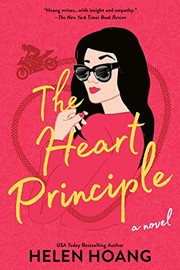
The Heart Principle
Violinist Anna Sun plans one night with Quan Diep, then faces autistic burnout and family duty after her father's stroke in Hoang's 352-page 2021 Berkley…
2,793-word summary · 12 min read

Tangled
Told by a cocky businessman, a bet to win the new associate who rejects him turns into real pursuit, strict rules, a painful reveal and a wedding-level happy…
2,868-word summary · 13 min read
Pushing the Limits
Scarred Echo and foster kid Noah take on tutoring, family secrets, and a custody fight in this 2012 debut about trust after harm.
2,831-word summary · 13 min read

Never Too Far
Blaire flees Rosemary Beach after Rush's lies, then must decide if his pursuit and Nan's exposed schemes earn trust again.
2,626-word summary · 12 min read
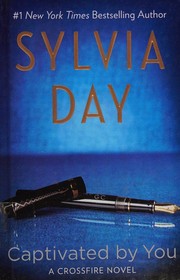
Captivated by You
Eva and Gideon hide a secret Caribbean marriage while planning a Monterey wedding as Gideon arrest, press threats, and Corinne strain test them in Crossfire…
3,016-word summary · 13 min read
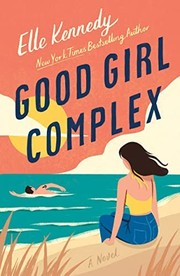
Good Girl Complex
A people-pleasing college girl moves to beach town Avalon Bay and falls for a local boy who distrusts her whole world.
2,225-word summary · 10 min read

Funny You Should Ask
Chani profiles star Gabe Parker, then ten years later a reunion interview tests memory, work, and timing.
2,603-word summary · 12 min read