
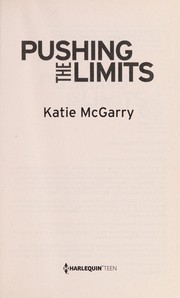
Pushing the Limits
2,831-word summary 13 min read 416 pages in the book
- First published
- 2012
- Publisher
- Harlequin Teen
- Pages
- 416
- ISBN
- 9781459234635
- Series
- Pushing the Limits (#1)
Reading options
What's inside (8 sections)
I picked up Pushing the Limits because a friend kept pressing it into my hands and saying it was the sad foster kid book that made her cry in a parking lot. Katie McGarry published it in 2012 with Harlequin Teen. My reading follows the 416 page edition, which opens the Pushing the Limits series as book 1. Echo Emerson, once Goldilocks popular, now hides her arms. Noah Hutchins, once labeled stoner punk, now fights to keep his family in one piece. Their school counselor pairs them for tutoring, and from there the book becomes a slow trade of secrets.
That setup sounded like every opposites attract high school story I had shelved. It is not. The book stays close to therapy couches, kitchen tables, court benches, and parked cars where two hurt kids test whether telling the truth helps or only costs more.
The girl in gloves
Echo Emerson used to have it all in the way high school movies define all. Pretty, popular, dating the right boy, floating with Lila and Grace and Beth through parties and mall trips. Then something happened with her mother that left long scars up both her arms, and her older brother Aires died, and her father married Ashley, a much younger woman now expecting a baby. By senior year Echo wears long sleeves even when it is warm. She pulls gloves over her hands when she feels watched. She eats lunch half alone because her old friends do not know what to say and she does not know how to let them stay.
Her father loves her in a distracted way. He works a lot. He wants the house calm for Ashley. He pays for therapy and hopes progress shows on a schedule. Echo hates the waiting. She also hates that she cannot remember the night clearly. She knows her mother was there. She knows after that night her mother left the picture and her father built a story around moving on.
School feels like a stage where she forgot her lines. Teachers speak softly to her. Lila tries to pull her back into gossip and football games. Grace keeps a kinder distance. Her ex boyfriend keeps showing up with concern that reads more like ownership. Echo wants normal back, but normal would require arms she can show and a mother she can explain. She has neither.
So she counts days. She sketches. She argues with Ashley about nursery colors because paint fights are easier than fights about who gets called Mom.
I liked how McGarry lets Echo be prickly here. She snaps at people trying to help. She judges Noah on sight. She cares too much what the hallway thinks. That vanity makes her human instead of saintly. She is not a brave survivor giving speeches. She is a seventeen year old girl who wants her old locker life back and flinches when sleeves ride up.
The boy everyone warns about
Noah Hutchins walks into school with a reputation that precedes him by three lockers. Weed. Fights. Tattoos. Girls. Teachers expect trouble. Good kids are told to keep clear. Under that noise, Noah lives a life of lists and rides and forms.
His parents died in a house fire. After that, he and his younger brothers Luke, Isaiah and Owen went into the system. The brothers were split up. Noah landed with foster parents who are decent enough but not his people. He works odd jobs. He smokes weed to blunt the edge, though less for fun than for quiet. He spends most free hours chasing his brothers. He visits. He brings food. He promises them they will live together again once he turns eighteen or proves he can provide care. That promise is the engine of the whole book.
Noah wants custody, or at least a path to it. To get there he needs grades, a clean record, a job, and a caseworker willing to believe him. He has none of those locked down when we meet him. What he has is will. He shows up to school because his social worker checks. He loves his brothers with an ache that shows in small scenes. Tying a shoe. Fixing a bike chain. Sitting through a visit where Owen clings and Isaiah pretends not to care.
His foster mother worries. His foster father keeps rules. Noah respects them enough to stay housed, but he does not confide. Why would he. Adults in his life have signed papers and driven away. The only adult who seems to see him straight is the school counselor who keeps pushing tutoring and therapy as tools rather than punishments.
Noah also carries anger that flares fast. A shoulder bump can turn into a shove. He knows this hurts his case. He tries to breathe through it and fails often. McGarry writes those failures without making them cool.
I believed Noah more than I expected to. He talks tough and acts soft where it counts. He remembers birthdays. He saves bus money. He tells Owen stories about their parents that skip the fire and keep the kitchen laugh.
Tutoring and a list of rules
The counselor pairs them for a reason. Echo needs to lift her grades. Noah needs good marks and proof he can show up steady. So Echo will tutor Noah. Two files stapled together by a busy adult hoping contact helps.
Their first sessions are awful in a funny way. Echo talks like a teacher. Noah talks like he would rather be anywhere else. She corrects him. He teases her gloves. She shuts down. He apologizes badly. They agree to meet in the library because neutral ground keeps hands to themselves and mouths in check.
Then they make rules for dating. Not dating each other, exactly. Rules for how they will act if they hang out. No lies. No pity. No telling other people their business. Show up when you say you will. Those rules sound simple until you watch how often adults around them break larger versions daily. For Echo and Noah, rules become a test. Can you keep a small promise. Can you text back. Can you sit through a whole tutoring hour without bolting.
Slowly the tutoring works. Noah focuses because Echo explains without talking down. Echo relaxes because Noah does not stare at her sleeves like a puzzle to solve. He asks once, plain, what happened. She says she does not remember right. He accepts that and moves on to math. That acceptance does more than ten pep talks from Lila.
They start trading rides and meals. Noah gives Echo a lift. Echo sneaks him food from her big house kitchen. He meets Lila and Grace, who judge him instantly. She meets his brothers, who love her because she treats them like people instead of a case.
The romance builds through kept appointments. He shows up. She shows up. He remembers she likes her coffee a certain way. She remembers he shuts down when caseworker letters arrive. They hold hands first by accident over a textbook. They kiss later, after a fight with her dad leaves her shaking and Noah just sits with her until shaking stops. No grand music. Just breath slowing.
McGarry lets them be physical in a way that fits older teens. Kissing leads to more. They talk about it, pause, circle back. Those scenes are frank without being graphic for shock. They show two people using touch to prove they are wanted in a world that keeps filing them away. Some readers will find it too steamy for high school. I found it honest, though I wished for a clearer pause about age and foster rules, since Noah sleeping over or staying late could risk his placement in real life.
What the families hid
Midway the book shifts from school to home truths, and both families look worse before they look clearer.
Echo starts pushing her father and Ashley for facts about her mother. Her mother, Mrs Emerson, lived with bipolar disorder that went badly unmanaged. Aires, older and protective, tried to shield Echo from the worst of it. The night Echo was hurt, her mother was in a bad state. Memory comes back in flashes during therapy. A smell. A sound. Her mother crying. Aires shouting. Echo learns her mother harmed her arms and then the family story hardened into a cleaner version.
Aires knew more. Aires carried guilt for not stopping it sooner. His death, ruled as an overdose, sits in Echo's chest like a second scar. Therapy scenes handle this well. The counselor does not rush. Echo resists, storms out, comes back. Progress looks like showing up again.
Noah's family truth is simpler and harder. His parents died in the fire when he was young. After that, relatives could not take three boys. The system split them. Noah visits when allowed, writes dates on his arm so he will not miss hearings. His caseworker tells him plainly what judges want. Stable housing. Income. Grades. No police contact. Echo hears it as a plan and starts helping him check boxes.
Both kids learn their parents failed in different ways. Echo's father failed by hiding. Mrs Emerson failed while ill, which the book treats with care rather than villain paint. That framing lets Echo grieve without excusing harm.
A strong scene has Echo asking her father why Aires records and her medical file never matched family talk. He deflects to protect Ashley's pregnancy calm. Echo sees the pattern. Protect the present by editing the past. Small shifts follow. A door stays open later than before.
Court, custody and choosing sides
The last third runs on two clocks. Noah's custody hearing approaches. Echo's memory firms up.
Noah works to prove he can care for Luke, Isaiah and Owen. He gets his grades up with Echo's help. He holds a job. He stays out of fights for a stretch that costs him pride daily when guys bait him at school. He meets with his caseworker and answers questions without swagger. He lines up a place to live with help from an older friend and his foster parents, who surprise him by speaking up for his heart even while doubting his timeline. Every step forward feels fragile because one slip, one positive drug test, one school suspension, could sink it.
Echo works to prove she can face her mother and her file. She returns to therapy even after hard sessions leave her raw. She writes down what she remembers about Aires, about pills on the counter, about shouting, about heat on her arms. She asks to see records. She talks to her father without Ashley buffering. She tells Lila and Grace part of the truth and learns who stays. Lila wants the old Echo back and pushes parties as cure. Grace listens longer. Those reactions cost Echo friendships she once thought permanent, but they clear room for steadier bonds.
The hearing scenes carry real tension because McGarry does not cheat. The judge asks fair questions. The caseworker reports both progress and risk. The foster parents testify with mixed feelings. Noah speaks for himself, halting, specific, naming bedtimes and school runs and food budgets instead of big love speeches. Echo shows up, though her father warns her to stay out of it to protect her own case and reputation. Her presence matters. She tells the court what she has seen. Noah keeps promises. Noah parents his brothers in parks and porches already. Noah studies when tired. She does not claim he is perfect. She claims he is present. That word lands.
Around the same time Echo faces her mother in a supervised meeting. It is not a hug and forgive scene. Her mother is nervous, medicated, remorseful, limited. Echo asks plain questions. What do you remember. Where were you after. Did Aires try to call. The answers are incomplete. Illness stole some parts. Shame stole others. Echo leaves shaking, but she leaves with fewer blanks. She can name what happened without flinching at the word scar. She can tell her therapist she was harmed by someone she loved and still love the brother who could not save her. That naming loosens something that tutoring and kissing could not.
I will not spoil the exact ruling beat by beat, because the book earns its suspense. What matters is that both teens choose sides openly at cost. Echo chooses Noah over her father's comfort. Noah chooses clean conduct over pride. Those choices do not fix systems. The judge still weighs risk. The school still whispers. Ashley still fears stress. But choices have weight in rooms where papers decide lives.
Prom night and what holds up
After court and confessions, the book lands where high school books often land. Prom. Dresses. Cars. Photos. It could feel tacked on. Here it works because Echo decides to go with visible arms.
She picks a dress with short sleeves. She leaves gloves at home. She walks into a gym full of kids who knew her before and lets them look. Lila stares. Grace smiles wide. Her ex looks away. Noah meets her at the door in a rented jacket that does not fit quite right and tells her she looks good without making a speech about scars. They dance badly. They laugh. They step outside when noise overwhelms. For Echo, the night is not about queen votes. It is about refusing cover for one evening and finding the room does not end her.
The ending stays hopeful without pretending all is solved. Echo keeps therapy. Noah keeps working toward full time care for his brothers, with visitation and plans rather than instant custody of three kids by a teen. That restraint matters. A lesser book would hand Noah keys to a house and close the file. McGarry gives him progress and a path, plus adults who agree to help carry it. Echo and her father reach a truce built on more honest talk. Echo and Ashley find a thin but real kindness around the coming baby. Echo writes or draws her way toward a future that includes art school talk instead of only survival talk.
What holds up after all these years is the pairing logic. Tutoring as love story engine still charms because learning together shows character fast. Who gets frustrated. Who quits. Who returns. Echo and Noah return. Their banter has snap. Their fights have stakes. Their makeup scenes involve changed behavior rather than flowers. Readers who like slow trust will find a lot to keep.
What drags is melodrama in bunches. Every chapter seems to bring a new crisis. Failed test. Court letter. Fight in the lot. Mom call. Dad ultimatum. Brother visit canceled. Car trouble. The pileup keeps pages turning but strains belief by page three hundred. A quieter middle with more study scenes and fewer emergencies would have let the big hearings hit harder.
The insecurity loops also wear. Echo thinks she is unlovable because of scars. Noah thinks he is unworthy because of his file. They tell each other otherwise, then reset to doubt next chapter. A few resets feel true to teens. Ten resets feel like padding. I wanted the book to let them keep one lesson longer before testing it again.
The internal monologue repeats too. Echo narrates her fear in similar words. Noah narrates his vow about brothers in similar words. Alternating first person chapters help voice, but both voices lean toward short punchy thoughts and run on worry. An editor could have cut a tenth with no loss.
Age and steam need a note. These are high school seniors written with new adult heat. Kissing scenes run long and frequent. For many readers that heat fits the claim that touch heals shame. For others, especially with foster placement rules in play, it will read too easy. Noah risking housing for late nights never gets the full weight it should. The book nods at rules, then lets romance win the night.
Even with those strains, I closed the 416 page Harlequin Teen debut glad I had gone along. Pushing the Limits as a series starter promises more hurt kids finding steady people, and this first entry sets that template with heart. Echo starts gloved and ends bare armed at a dance. Noah starts solo and ends backed by a girl, a counselor, and brothers who believe his dates. That movement from cover to showing up feels earned, even when the road wobbles.
If you like contemporary romance where tutoring turns to trust, where therapy matters, where brothers Luke, Isaiah and Owen steal every scene they enter, this one will hold you. Bring patience for repeated doubts and crowded crises. Stay for the hearing, the supervised visit, and the prom walk. Those three late scenes tie scars, fire, Aires, and custody into one plain claim. Love that keeps promises can widen a life, even when files stay thick and pasts stay sore.
FAQ
When was Pushing the Limits published?
Katie McGarry published it in 2012 with Harlequin Teen. The cited edition runs 416 pages with ISBN 9781459234635. It is book 1 in the Pushing the Limits series.
Who are Echo and Noah?
Echo Emerson is a high school senior who covers arm scars after conflict with her mother. Noah Hutchins is a foster teen trying to win care of his younger brothers Luke, Isaiah and Owen.
Does Echo learn what happened with her brother Aires?
Yes. Late in the book Echo recalls the truth about Aires and her mother, which lets her speak plainly in therapy and stand by Noah at his hearing.
Similar books
More from Pushing the Limits first, then related titles.

Wait for You
Avery flees Texas for college to bury her past, but patient Cam Hamilton refuses to stay a stranger.
2,866-word summary · 13 min read

Easy
A college freshman rebuilding after a breakup finds an unexpected bond with a tattooed classmate while facing a stalker.
2,364-word summary · 11 min read

One to Watch
A plus-size fashion blogger takes the lead role on a reality dating show to prove she belongs on television, and finds she might want what the cameras offer.
2,478-word summary · 11 min read

How to Walk Away
Margaret Jacobsen has the job, the fiance, and the future mapped out, until a small-plane crash on Valentine's Day takes almost all of it in one afternoon.
2,012-word summary · 9 min read

Collided
Sophie bets she can resist playboy Liam, then pit walls fall.
2,219-word summary · 10 min read

To Love Jason Thorn
Childhood friends Olive and Jason reunite when the Hollywood star returns home, fake a romance for the cameras, and face old family wounds before trust turns…
2,506-word summary · 11 min read

This Man
Ava O Shea meets Jesse Ward while designing The Manor House, and their obsessive affair tests her work and limits.
2,209-word summary · 10 min read

The Coincidence of Callie & Kayden
Callie saved Kayden in an alley and meets him again in college, where both must face assault and abuse to learn trust.
2,578-word summary · 11 min read
Playing for Keeps
Childhood neighbors Haley and Jason turn a long prank war into a fake relationship that turns real.
2,571-word summary · 11 min read

Gabriel's Rapture
A professor faces a hearing while Julia fights for her own name in Florence, testing love through distance and work.
2,480-word summary · 11 min read

Effortless
Kiera and Kellan try to build trust after choosing each other, tested by tour life, jealous fans, and Denny's lingering presence.
2,568-word summary · 11 min read

The Takeover
An arrogant CEO and the sharp employee forced to staff his deal trade insults, trips and late nights across a long push-pull, until pride and jealousy force…
2,580-word summary · 11 min read

The Heart Principle
Violinist Anna Sun plans one night with Quan Diep, then faces autistic burnout and family duty after her father's stroke in Hoang's 352-page 2021 Berkley…
2,793-word summary · 12 min read

Tangled
Told by a cocky businessman, a bet to win the new associate who rejects him turns into real pursuit, strict rules, a painful reveal and a wedding-level happy…
2,868-word summary · 13 min read

Never Too Far
Blaire flees Rosemary Beach after Rush's lies, then must decide if his pursuit and Nan's exposed schemes earn trust again.
2,626-word summary · 12 min read
Captivated by You
Eva and Gideon hide a secret Caribbean marriage while planning a Monterey wedding as Gideon arrest, press threats, and Corinne strain test them in Crossfire…
3,016-word summary · 13 min read

Before We Were Strangers
Matt waits fifteen years to ask Grace why she left after one college night that shaped them both.
2,386-word summary · 11 min read
Thoughtless
Kiera follows her boyfriend to Seattle and falls for her roommate, rock singer Kellan Kyle, in a messy love triangle about loyalty and desire.
2,997-word summary · 13 min read

Addicted to You
Lily hides sex addiction and Lo hides drinking while faking love to fool their rich families.
2,064-word summary · 9 min read

Magnolia Parks
London socialite Magnolia Parks and BJ Ballentine keep hurting each other while trying to move on.
2,459-word summary · 11 min read

Finding Cinderella
Daniel hunts a laugh he heard in the dark years ago, and it leads him back to Six.
2,129-word summary · 9 min read

On Dublin Street
A guarded young woman in Edinburgh agrees to a no-strings fling with her roommate's brother, and finds the past she fled catching up with her.
2,491-word summary · 11 min read

Wallbanger
Caroline battles thin walls and a charming playboy neighbor in San Francisco, then falls for him.
1,947-word summary · 9 min read

Throttled
F1 driver Noah hates his teammate son Maya, then hires her to fix his image and falls for her.
1,942-word summary · 9 min read
Still Me
Lou spends a year in New York working for the Gopniks, torn between Josh, distant Sam, and the life she wants.
2,939-word summary · 13 min read


Bully
Tate returns from France to face Jared, the boy who bullied her for years and still will not leave her alone.
1,934-word summary · 9 min read
Losing Hope
Holder retells Hopeless from his side, grieving Less and searching for Hope.
2,492-word summary · 11 min read
Point of Retreat
Will and Layken keep love and two brothers together through bills, jealousy, and a pregnancy scare.
2,037-word summary · 9 min read

Wildfire
Hockey goalie Russ Callaghan and bold Aurora Roberts reunite as camp counselors after a one-night stand in this Maple Hills summer romance.
2,931-word summary · 13 min read