Reading options
What's inside (7 sections)
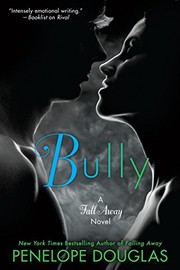
This book made me uncomfortable in useful ways about how thin love and hate can get in high school. Bully by Penelope Douglas was first self published in 2013, with the Berkley edition out January 5, 2016, a 352 page paperback with ISBN 9780451477101. It is book one of the Fall Away series, followed by Rival and others. Tate returns from France for senior year determined not to let Jared ruin it again. I read it in two sittings, angry at almost everyone, then softening as secrets surfaced.
Tate narrates most of it. She is seventeen, smart, loyal to her friend Nia, and done hiding. As kids she and Jared were best friends next door. Then around thirteen he turned. Pranks. Rumors. Public humiliation. A party incident that sent her to France for a year. Now she is back, living with her dad and brother, driving an old truck, working after school. Jared is still there, handsome, cold, and everywhere she needs to be.
Jared gets some chapters in present and past, which keeps him from being only a monster. He is rich, neglected by a traveling father, close to his friend Madoc, and carrying guilt about a night Tate barely remembers. He bullies her to keep her away from something worse, or so he tells himself. It is a bad reason that feels true to teen logic. Push the person you love before others can use her against you.
Senior year war
The school war starts day one. Jared trips Tate in the hall. She flips him off. He puts a dead rat in her locker. She puts sugar in his gas tank with Nia help. Teachers see grades, not bruises. Parents see attitudes, not fear. Douglas writes hallway politics with accuracy that stung. Who sits where at lunch. Who gets invited to lake houses. Who laughs when someone falls. Tate decides to laugh less and hit back more, which wins respect and paints a target.
Nia is a great best friend. Funny, curvy, blunt about sex and safety, loyal without being a sidekick. She tells Tate when revenge goes too far. She also dates Madoc, Jared best friend, which complicates loyalties. Their double dates, if you can call them that, are tense and funny. Burgers, bowling, and threats. Madoc likes Nia genuinely, which gives Jared a reason to be near Tate without admitting it.
Home life adds pressure. Tate dad is a pilot often gone. Her brother Jared age, protective and quick to fight, wants to solve it with fists. Jared mother is fragile and medicated. His father is absent and cruel on phone calls. Neither house is safe in the way teens need. Cars become bedrooms, kitchens become courts. The adults love their kids but miss the war because they work or numb. That absence feels honest for busy families.
Football and parties drive plot. A bonfire where Tate drinks too much and Jared carries her home without touching more than needed. A classroom project that forces them to pair and talk. A lake house weekend where drunken truth or dare exposes who hooked up with whom. Each event raises stakes without repeating the same prank. Douglas varies tactics. Social, physical, digital. Rumors online hurt more than shoves.
A fair warning. Bullying scenes are intense and frequent. Humiliation, slut shaming, physical intimidation. If you need content notes, know this book lives in that discomfort for long stretches before explaining it. Some readers will find Jared unforgivable no matter the reveal. I struggled too, especially with a locker room scene that crosses lines. The book asks you to hold both. What he did was wrong. Why he did it matters but does not erase.
What happened that summer
The central secret arrives late and reframes everything without excusing it. Two summers ago at a party, Tate got drunk and went upstairs with an older boy. Jared found them, misread, and reacted with violence that night and with cruelty after. He also carries guilt about his own assault by an older person as a kid, which he never told. His bullying of Tate mixed protection, jealousy, and self hate into a toxic stew. He pushed her away to keep her from his world while punishing her for needing normal teen life.
Douglas reveals this in layers. First hints through Madoc jokes that fall flat. Then a flashback chapter from Jared POV that shows his panic, not his power. Then Tate memory returning in a parked car, with Nia holding her hand. The writing here is careful. No graphic detail for shock. Focus on confusion, shame, and friends failing to ask right questions. I appreciated that Tate gets to be angry at the explanation, not grateful for it. Why did you not tell me. Why did I pay for your secret.
Their confrontation in the woods after a party is the best scene. No music. No crowd. Just two teens who used to catch frogs together asking if anything can be saved. Jared apologizes without demanding forgiveness. Tate lists what he took. Sleep. Trust. A year abroad that felt like exile. He listens without defending. That listening, after a book of talking over, feels like growth. They do not hug it out. They agree to stop war and see what remains.
side characters get depth here. Madoc admits he enjoyed power and wants to be better for Nia. Nia admits she stayed quiet too long to keep peace. Tate brother apologizes for wanting to fight Jared instead of asking Tate what she needed. These small accountabilities keep the book from making Jared the only problem. The whole peer system fed on humiliation. Changing it takes more than one apology.
If there is a flaw, it is pacing of reveal. Secrets hold until very late, which means rereading early cruelty with new info helps but first pass feels relentless. I wanted one honest talk fifty pages earlier to breathe. Still, the delay mirrors how teens hide shame. No one tells the worst thing first. You test with small truths.
Love, limits, and after
The romance, when it turns, is heated and negotiated. Tate does not forgive because Jared is hot. She sets terms. No games in public. No touching without asking. Therapy talk, not just pillow talk. Jared, to his credit, follows rules he once broke for sport. He knocks. He waits. He leaves parties when temper rises. Douglas writes new adult heat with consent checks that feel real for seventeen turning eighteen. Ask, hear no, stop.
Their first consensual scenes are tender after so much war. Slow dancing in a kitchen. Studying with feet touching. A drive with no destination. The physicality is explicit but not gratuitous, focused on Tate agency. She initiates. She stops. She laughs. That agency matters after a book about control. Readers who need fade to black may find it too detailed. Readers who want proof of changed dynamics will find it in how often Tate says wait and Jared honors it instantly.
The ending avoids prom fantasy. No crown that fixes bullying. Instead, graduation with wary peace. Jared goes to counseling. Tate chooses a college for herself, not to follow or flee him. They stay together but with separate plans, which feels mature for the genre. Madoc and Nia stay solid by being honest about jealousy. The friend group agrees to call out slurs and rumors, a small pact that could actually work.
What stays with me is Douglas question about lines. When does teasing become bullying. When does protection become control. When does love excuse harm. The book answers firmly. Never. Love explains, never excuses. Jared must earn trust daily without expecting Tate to manage his guilt. Tate must decide what she wants without performing toughness for an audience. Both learn in fits.
Nia, Madoc, and the system around them
The leads get most pages, but the friend group decides whether change sticks, so they deserve focus. Nia is more than support. She works after school, cares for siblings, and knows how reputation works for girls who are not rich. Her romance with Madoc is not a subplot throwaway. Madoc, big and loud and loyal to Jared, genuinely likes Nia sharpness. He asks before touching, remembers her work schedule, and defends her when Jared mocks. Their healthier pace contrasts Tate and Jared war and shows what care looks like without history. When Nia tells Tate that fighting Jared publicly feels good but costs privately, it lands because Nia pays similar costs at home.
Madoc growth mirrors Jared but lighter. He enjoyed power as a sophomore, picking on freshmen to feel big. Dating Nia forces him to see himself through someone who will not laugh at cruelty. A scene where he apologizes to a kid he once locked in a locker, without cameras or Tate watching, convinced me more than any Jared speech. Change done offstage for no credit is real. Madoc also pushes Jared to tell truth, not to protect him but to stop the group rot. Friends who cover make bullying a team sport. Madoc quits the team.
Tate brother and father add adult failure and partial repair. Her brother wants to beat Jared, which Tate forbids because violence would make her a story rather than a person. He learns to drive her home, to wait outside parties, to be present without performing protection. Her pilot father, often gone, learns to ask about school beyond grades. A late night talk where he admits he missed the France year fallout because work felt easier than helplessness is brief and honest. No big fix. Just a dad staying awake to listen.
Teachers mostly miss, which feels true to crowded schools. One English teacher notices Tate writing getting darker and offers a journal prompt instead of detention. That small offer gives Tate language for the final confrontation. Write what he took before you say it. She does, bringing a list not to read aloud but to hold. Details like that show Douglas understands how teens actually get help. Not through assemblies, but through one adult offering paper.
Read it if you like intense new adult with high emotion and can handle bullying content with care. It pairs best with discussion, because Jared divides readers. Is he redeemable. Did Tate get enough justice. I landed on yes to first with work, no to second fully, which is why the book lingers. Real harm does not vanish when motives clarify. What matters is what happens after the truth. Here, after is slower, kinder, and watched by friends who finally speak up. That is not a fairy tale. It is a start.
Series setup without cliffhanger
A final note, because series starters must balance close and tease. Tate and Jared story ends fully. No breakup for book two. Rival will follow Madoc and a new girl, with Tate and Jared as background friends who model better behavior and still bicker. You meet the next leads at parties here just enough to care. A quiet girl with a camera. A boy who jokes too loud. That handoff works. You close Bully satisfied and curious, not cheated.
Douglas also sets themes for the series. Privilege and neglect. How rich kids with absent parents use each other for family. How girls navigate reputation in small towns where everyone knows whose car was where. Later books will test these ideas with new pairs. Starting here gives you the map. Fall Away is not about a school. It is about a group learning to stop eating its own. Bully is the hardest lesson first.
FAQ
When was Bully published?
First self published in 2013. The Berkley edition came out January 5, 2016 in 352 pages with ISBN 9780451477101.
Is it part of a series?
Yes. It is book one of the Fall Away series, followed by Rival and Falling Away. Tate and Jared story closes here.
Similar books
More from Fall Away first, then related titles.

Punk 57
Pen pals Misha and Ryen turn cruel at school while hiding who writes the letters and who takes the hits.
2,909-word summary · 13 min read

Credence
An orphaned teen spends a mountain winter with her guardian and his two sons, and lines blur.
2,723-word summary · 12 min read

Dumplin'
Willowdean Dickson enters her town's beauty pageant as a protest and discovers that confidence is harder to keep once she lets someone close.
1,922-word summary · 9 min read

I Kissed Shara Wheeler
Shara Wheeler kisses her rival Chloe Green at prom and disappears, leaving a scavenger hunt that forces Chloe to rethink everything she knew about her.
2,083-word summary · 9 min read

Deviant King
A scholarship student at an elite boarding school is targeted by the king of the Four Horsemen, who seems to know her forgotten past.
2,384-word summary · 11 min read
One to Watch
A plus-size fashion blogger takes the lead role on a reality dating show to prove she belongs on television, and finds she might want what the cameras offer.
2,478-word summary · 11 min read

Collided
Sophie bets she can resist playboy Liam, then pit walls fall.
2,219-word summary · 10 min read

Broken Prince
Reed loses Ella and ruins his name while rivals circle him.
2,356-word summary · 10 min read
To Love Jason Thorn
Childhood friends Olive and Jason reunite when the Hollywood star returns home, fake a romance for the cameras, and face old family wounds before trust turns…
2,506-word summary · 11 min read

This Man
Ava O Shea meets Jesse Ward while designing The Manor House, and their obsessive affair tests her work and limits.
2,209-word summary · 10 min read
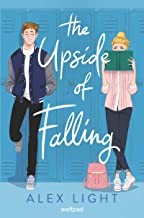
The Upside of Falling
Two teens fake-date for a summer dare and end up facing grief, family secrets, and first love.
2,274-word summary · 10 min read

The Coincidence of Callie & Kayden
Callie saved Kayden in an alley and meets him again in college, where both must face assault and abuse to learn trust.
2,578-word summary · 11 min read
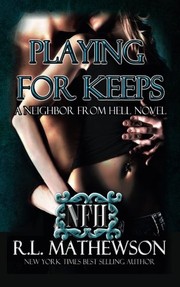
Playing for Keeps
Childhood neighbors Haley and Jason turn a long prank war into a fake relationship that turns real.
2,571-word summary · 11 min read
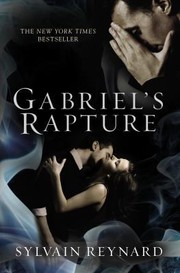
Gabriel's Rapture
A professor faces a hearing while Julia fights for her own name in Florence, testing love through distance and work.
2,480-word summary · 11 min read

Effortless
Kiera and Kellan try to build trust after choosing each other, tested by tour life, jealous fans, and Denny's lingering presence.
2,568-word summary · 11 min read

The Takeover
An arrogant CEO and the sharp employee forced to staff his deal trade insults, trips and late nights across a long push-pull, until pride and jealousy force…
2,580-word summary · 11 min read
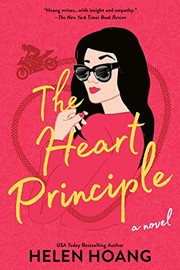
The Heart Principle
Violinist Anna Sun plans one night with Quan Diep, then faces autistic burnout and family duty after her father's stroke in Hoang's 352-page 2021 Berkley…
2,793-word summary · 12 min read

Tangled
Told by a cocky businessman, a bet to win the new associate who rejects him turns into real pursuit, strict rules, a painful reveal and a wedding-level happy…
2,868-word summary · 13 min read
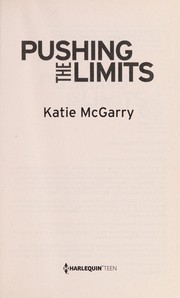
Pushing the Limits
Scarred Echo and foster kid Noah take on tutoring, family secrets, and a custody fight in this 2012 debut about trust after harm.
2,831-word summary · 13 min read

Never Too Far
Blaire flees Rosemary Beach after Rush's lies, then must decide if his pursuit and Nan's exposed schemes earn trust again.
2,626-word summary · 12 min read
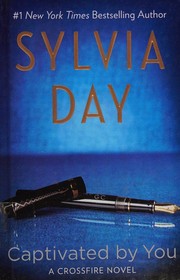
Captivated by You
Eva and Gideon hide a secret Caribbean marriage while planning a Monterey wedding as Gideon arrest, press threats, and Corinne strain test them in Crossfire…
3,016-word summary · 13 min read
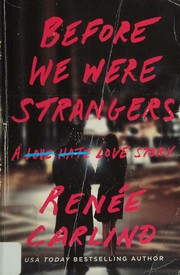
Before We Were Strangers
Matt waits fifteen years to ask Grace why she left after one college night that shaped them both.
2,386-word summary · 11 min read

Thoughtless
Kiera follows her boyfriend to Seattle and falls for her roommate, rock singer Kellan Kyle, in a messy love triangle about loyalty and desire.
2,997-word summary · 13 min read
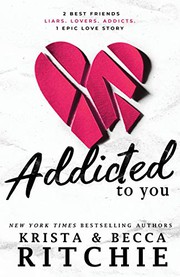
Addicted to You
Lily hides sex addiction and Lo hides drinking while faking love to fool their rich families.
2,064-word summary · 9 min read
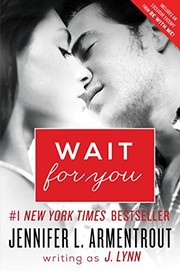
Wait for You
Avery flees Texas for college to bury her past, but patient Cam Hamilton refuses to stay a stranger.
2,866-word summary · 13 min read

Magnolia Parks
London socialite Magnolia Parks and BJ Ballentine keep hurting each other while trying to move on.
2,459-word summary · 11 min read
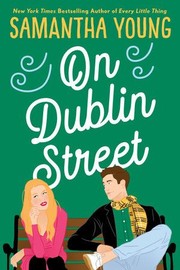
On Dublin Street
A guarded young woman in Edinburgh agrees to a no-strings fling with her roommate's brother, and finds the past she fled catching up with her.
2,491-word summary · 11 min read

Wallbanger
Caroline battles thin walls and a charming playboy neighbor in San Francisco, then falls for him.
1,947-word summary · 9 min read
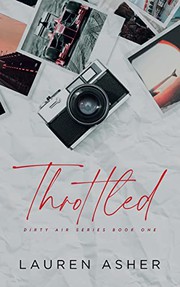
Throttled
F1 driver Noah hates his teammate son Maya, then hires her to fix his image and falls for her.
1,942-word summary · 9 min read