
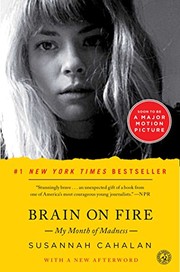
Brain on Fire: My Month of Madness
2,080-word summary 9 min read 288 pages in the book
- First published
- 2012
- Publisher
- Simon & Schuster
- Pages
- 288
- ISBN
- 9781451621389
Reading options
What's inside (11 sections)
I read Brain on Fire with a pencil down because underlining felt like interrupting. Susannah Cahalan published it with Simon and Schuster in 2012, a 288 page memoir with ISBN 9781451621389. At twenty four she was a New York Post reporter with a new apartment, a boyfriend, and a career starting. Then she began missing words, suspecting her apartment was bugged, seizing, and raging. A month vanished into psychosis and hospitals. Only video, notes, and other people stories let her rebuild it. The book is that rebuild. Vivid, angry, grateful, and scared it could happen again.
The early chapters are the most frightening because they are ordinary. Cahalan misses a deadline detail. She argues with her boyfriend Stephen about nothing. She hears things in her apartment and blames bedbugs, then spies, then herself. At work she has a seizure on the office floor and returns as if embarrassment were the issue. A neurologist calls it stress and partying. Friends notice personality shifts. She becomes paranoid, clingy, then violent. She bites her father. She tries to climb out a hospital window. Readers who know the diagnosis want to shout. Her family cannot hear yet because no test names it.
The month missing
Cahalan does not remember most of the month, so she reconstructs through sources. Stephen notes. Parent journals. Doctor charts. Epilepsy monitoring video where she stares, picks at sheets, and answers with single words. She watches that video to write and hates every minute. Who is that woman screaming about her father. The device could have felt gimmicky. It feels honest because Cahalan admits gaps rather than filling them with novel scenes. I do not remember, she writes. Stephen says I did this. The chart says that. That humility makes the horror worse. A self can go offline while a body continues.
Hospitals fail her in familiar ways. Insurance limits. Shift changes. Psychiatrists who see a young woman with psychosis and reach for schizophrenia and bipolar labels. One doctor wants to send her to a psych ward long term. Her parents, both divorced and remarried, unite in refusal. They sleep in chairs. They demand more tests. They bring food she throws. Tom, her father, keeps a log that becomes the book backbone. Her mother keeps calling specialists. Stephen never leaves the room if he can help it. That family vigil is the emotional core. Systems move slowly. Love sits still and insists.
The clock
The turn comes from attention rather than technology. Dr. Souhel Najjar, a neurologist who watches rather than assumes, asks Cahalan to draw a clock. She draws numbers clustered on one side, a classic sign of brain inflammation and neglect. He orders a brain biopsy and more spinal taps. Blood goes to Dr. Josep Dalmau in Pennsylvania, who identified anti NMDA receptor encephalitis, a disease where antibodies attack brain receptors and mimic psychosis. The test returns positive. It has a treatment. Steroids, plasma exchange, tumor search, slow rehab. Cahalan, who was headed for a locked ward, gets a medical plan instead. One doctor looking at a drawing saved her from a different life.
Treatment is not a montage. Plasma exchange burns. Steroids swell. Physical therapy hurts. She cannot read at first. Words slide. She cries over a children's book. Work calls with kindness that feels like pressure. Who is Susannah now if she cannot report. Stephen stays. Parents rotate. Friends visit and do not know what to say. Cahalan is frank about vanity amid illness. She worries about weight gain, hair loss, a scar. That honesty keeps her likable. She is not a saintly patient. She is a young woman angry that her brain betrayed her on the eve of everything.
Recovery and reporting
Recovery chapters are the most useful for families. Cahalan relearns through notes and repetition. She returns to work part time and makes mistakes. She fears seizures in public. She drinks too much once to prove she is fine and learns she is not. She interviews her own doctors as a reporter, asking why it took so long, what biases delayed testing, how many others sit in psych wards with medical causes. Dr. Bailey, her psychiatrist, admits the system leans toward psychiatric labels for young women with dramatic symptoms. That admission matters. The book argues not that psychiatry is useless but that medicine must rule out fire before calling it smoke.
The title comes from a brain biopsy image that showed inflammation, though Cahalan is careful to say fire is metaphor. Her brain was not flaming. Antibodies blocked receptors that manage memory and behavior. The distinction matters because hype helps no one. She wants readers to know the disease is rare but not that rare, and that a simple spinal fluid test can find it. Since publication, hospitals test more often. Families email her with stories of daughters saved because a nurse remembered a clock drawing. That afterlife is the book proudest achievement and Cahalan knows it.
What works and what strains
What works is reporting on herself. Cahalan uses reporter skills without hiding behind them. She quotes charts, replays video time stamps, and names what she cannot verify. Scenes with Stephen are tender without being polished. He holds her during seizures. He argues with doctors. He considers leaving and stays. Parents get full portraits rather than saint roles. Her mother fierce on the phone. Her father quiet with a notebook. Those specifics carry 288 pages fast. You finish in two sittings because the mystery pulls even though you know she lived to write.
The strain is repetition. Hospital days blur by design, and Cahalan recreates the blur with similar scenes of confusion and testing. Middle chapters circle. Seizure, test, wait, outburst, repeat. That fidelity is honest but tiring. A thread about work pressure to return could have been trimmed. Readers who want science depth may want more on NMDA receptors and less on apartment hunt. Cahalan aims for memoir rather than textbook, so she keeps biology plain. Most will be grateful. Some will want diagrams.
Who it is for
Read it if you like medical mysteries with a human core, or if psychosis touched your family and you need a map. It pairs well with The Man Who Mistook His Wife for a Hat for case history and with Unbroken Brain for system critique. Content notes include seizures, psychosis, restraints, self harm threats, hospital confinement, and family distress described plainly. No gore beyond medical detail. Suitable for older teens and up, with support for readers with similar experiences.
I finished angry and relieved in equal measure. Angry that a month of terror came down to one doctor watching a clock drawing while others reached for easy labels. Relieved that Cahalan lived to name it and to thank the people who sat in chairs. Her last image that stayed with me is not the hospital but Stephen and Susannah walking to buy groceries after discharge, holding bags with both hands because holding hands felt too hopeful to risk. Ordinary errands as victory. Brains catch fire. People carry water. This book is a bucket passed hand to hand. Take it. Learn the signs. Draw the clock.
A note on now
Anti NMDA receptor encephalitis testing is more routine in 2026 than in 2009, partly because this book traveled through nursing schools and newsrooms. If someone you love changes fast into paranoia and seizures, ask about autoimmune causes and spinal fluid panels. Do not diagnose from a memoir. Do bring the book to the hospital as a question, not an answer. Cahalan would want it that way. Reporter to the end, she prefers questions that lead to tests over stories that end in wards.
Stephen and the parents
Stephen role needs fuller credit because boyfriend caregivers often vanish in memoirs. He was twenty something, planning a life with Susannah, when she turned paranoid and violent toward him. He stayed in hospital rooms, learned seizure protocols, fought with nurses for more tests, and kept her apartment paid while she could not work. He also set boundaries. When doctors suggested long term psych care without more testing, he joined her parents in refusal. When she recovered enough to push him away from shame, he named the pushing and stayed within reach. That steadiness is not glamorous. It is groceries, rides, and sitting through video replays she cannot watch alone. Cahalan dedicates pages to his fear that he failed by not getting help sooner. She absolves him by showing what he did right. Showed up. Wrote down. Asked again.
Her parents divorced and remarried teamwork also matters. Tom, her father, kept the notebook that rebuilt the month. Her mother coordinated specialists and insurance fights. Stepmother and stepfather filled gaps without turf wars. Hospitals divide families easily. Forms ask for one decision maker. Stress picks old scabs. The Cahalan clan refused the script. They rotated chairs, shared notes, and presented united demands for testing. That unity likely saved time, and time mattered because antibodies kept attacking while committees met. If you are a family in a similar ward now, copy the notebook. Dates. Names. Doses. Behavior in plain words. Bring copies for every shift. Ask for the clock test by name.
Work and identity
Cahalan reporter identity both helps and harms her recovery, and the book is honest about both edges. Reporting gives her tools. She requests records. She timelines symptoms. She interviews doctors who treated her while psychotic. That work restores agency. She is more than a case file. She is the author of the case report. But reporting also pressures her to perform wellness before she feels it. Editors call with concern that sounds like deadlines. Friends share the story as inspiration before she finished healing. She drinks at a party to prove normalcy and seizes with fear the next day. That relapse teaches her to separate being better from being well. Better is a direction. Well is a season. She returns to full duty slowly, with a beat that accommodates doctor visits and rest. Young professionals who tied worth to output will recognize the grief. Who am I if I cannot work at speed. Cahalan answer is patient. A person first. A reporter second. A patient always, in the sense of waiting well.
What the video taught
The epilepsy monitoring video, which Cahalan watches to write, deserves a final note because it raises consent questions she does not dodge. Staff filmed her around the clock, including rages, nudity, and blank stares, for medical care. Using that footage for a book risks exploiting a self who could not agree. Cahalan handles it by describing rather than showing, quoting time stamps instead of printing stills, and asking family who were there whether each scene is fair to include. Stephen vetoed one scene. Her mother asked to soften another. Those negotiations appear in endnotes, which are worth reading. Memoir about missing months must borrow other people eyes. Cahalan borrows with credit and limits. That care is why doctors hand the book to families. It models how to witness without consuming. Watch closely. Write plainly. Ask before sharing. Keep the person bigger than the footage.
Cahalan friendship circle, often background in summaries, deserves credit for normalcy. Coworkers visited with gossip instead of pity. They brought magazines she could not read and read headlines aloud badly on purpose to make her laugh. One friend organized a meal train her parents barely touched from stress but remembered with gratitude. Those ordinary kindnesses rebuilt identity faster than therapy goals. Am I still funny. Do people still want me around when I drool. Yes, the lasagna says. Yes, the bad jokes say. Illness isolates by making patients feel like burdens. Friends who show up with food and teasing cut that story. Cahalan names them in thanks pages that read like a second recovery log. Remember who carried soup. Thank them by getting well enough to argue about movies again.
The wedding band detail stays with me. Stephen kept wearing a promise ring vibe without a ring, showing up to family meetings where no one knew his title. Boyfriend. Fiancé. Witness. He answered to whatever got him in the room. Hospitals run on labels. Love runs on presence. His presence, logged in visitor sheets across a month, is the quiet record Cahalan trusts most. Not a test result. A sign in sheet full of one name. That is how you prove fire. Keep coming with soup while the house burns.
FAQ
When was Brain on Fire published?
Free Press published it in 2012. The paperback runs 288 pages and the ISBN is 9781451621389.
Who is in Brain on Fire?
Susannah Cahalan, her boyfriend Stephen, her parents, and doctors Najjar, Dalmau, and Bailey.
Is it part of a series?
No. It stands alone, followed years later by The Great Pretender.
Similar books
Smoke Gets in Your Eyes: And Other Lessons from the Crematory
A young medieval history graduate takes a job at an Oakland crematory and becomes a mortician, confronting the physical reality of death and the funeral…
2,003-word summary · 9 min read
Between Two Kingdoms: A Memoir of a Life Interrupted
Diagnosed with leukemia at twenty-two, Suleika Jaouad survives treatment and then takes a 100-day road trip to meet the strangers who wrote to her.
2,311-word summary · 10 min read
Being Mortal
A surgeon asks what medicine owes the dying: fewer procedures, better conversations, and care shaped by what matters most.
2,362-word summary · 10 min read
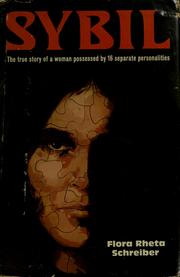
Sybil
A 1973 case study of a woman treated for multiple personalities, and the book that made dissociative identity disorder a household phrase.
2,054-word summary · 9 min read

Long Walk to Freedom
Mandela's account of a Thembu childhood, a law practice, a banned movement, twenty-seven years in prison, and the negotiation that ended apartheid.
2,454-word summary · 11 min read

Anatomy: A Love Story
In 1817 Edinburgh, a noblewoman who wants to be a surgeon disguises herself to study anatomy and falls for the grave robber who supplies her with bodies.
2,031-word summary · 9 min read

In Order to Live: A North Korean Girl's Journey to Freedom
A young North Korean girl crosses the Yalu, survives trafficking in China, and rebuilds her life in Seoul in this unsparing memoir.
2,027-word summary · 9 min read

Too Much and Never Enough: How My Family Created the World's Most Dangerous Man
Mary L. Trump's 2020 memoir traces how a cold, zero-sum Queens household shaped her uncle, and uses family tax documents to challenge his self-made story.
2,059-word summary · 9 min read
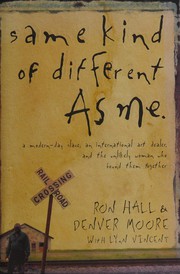
Same Kind of Different as Me
An art dealer and a formerly homeless sharecropper tell the story of the friendship that began at a Fort Worth mission and the woman who insisted on it.
2,023-word summary · 9 min read

Infidel
Ayaan Hirsi Ali's memoir of a Somali childhood, a forced marriage, a Dutch asylum claim, and the political fight that followed the murder of Theo van Gogh.
2,041-word summary · 9 min read

Down and Out in Paris and London
Orwell's account of washing dishes in Paris hotels and tramping through London does not ask for pity, only for a clear look at how poverty actually works.
2,282-word summary · 10 min read
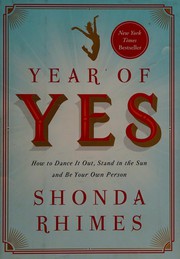
Year of Yes: How to Dance It Out, Stand in the Sun and Be Your Own Person
Shonda Rhimes takes her sister’s accusation seriously and spends a year saying yes to the things that frighten her, from live television to her own reflection.
2,585-word summary · 11 min read

The Girl with Seven Names: A North Korean Defector's Story
Hyeonseo Lee crossed the frozen Yalu River at seventeen, spent years hidden in China, escaped to South Korea, and later returned to rescue her family.
2,404-word summary · 11 min read
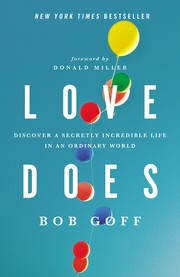
Love Does
A lawyer and activist tells stories of saying yes, showing up, and loving people through ordinary, often ridiculous actions.
2,411-word summary · 11 min read
Breath: The New Science of a Lost Art
Journalist James Nestor investigates how modern humans learned to breathe badly, and what researchers, athletes, and breathwork practitioners have found about…
2,011-word summary · 9 min read
Beautiful Boy: A Father's Journey Through His Son's Addiction
David Sheff recounts watching his son Nic slide into meth addiction, and his own desperate, humbling search for how to help without destroying them both.
2,076-word summary · 9 min read
The Magnolia Story
How Chip and Joanna Gaines met, closed their first shop, nearly lost everything in a housing development, and built Fixer Upper.
2,994-word summary · 13 min read
Lone Survivor: The Eyewitness Account of Operation Redwing and the Lost Heroes of SEAL Team 10
Marcus Luttrell's account of the 2005 SEAL mission in Afghanistan that killed three of his team and left him alone.
2,144-word summary · 10 min read
Life
The Rolling Stones guitarist tells his own story: a Dartford childhood, the band's first gigs, the drug raids, the tax years and Patti Hansen.
2,761-word summary · 12 min read
Dry
A memoir of drinking, rehab and relapse, and the strange business of getting sober one morning at a time.
2,643-word summary · 12 min read

Dear Girls: Intimate Tales, Untold Secrets & Advice for Living Your Best Life
Ali Wong's debut collects fourteen letters to her daughters, covering sex, money, work, marriage, Vietnam, and being a working Asian American mother.
2,266-word summary · 10 min read
Travels with Charley
Steinbeck drives across America with his poodle Charley, looking for the country he remembers and finding a place that has changed.
2,039-word summary · 9 min read

Scrappy Little Nobody
Anna Kendrick's essays trace her path from a Portland childhood and Broadway to Hollywood, with jokes, anxiety, and a refusal to pretend fame fixed her.
2,092-word summary · 9 min read
Red Notice
An American financier in Moscow exposes a $230 million tax fraud, watches his lawyer die in prison, and turns the case into an international human rights law.
2,008-word summary · 9 min read

The Letters of Vincent van Gogh
Vincent van Gogh's letters to his brother Theo, in a Penguin Classics selection edited by Ronald de Leeuw, trace a decade of work, faith, and obsession.
2,611-word summary · 12 min read
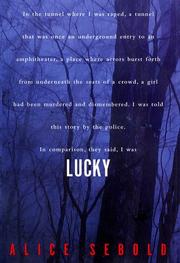
Lucky
Alice Sebold's memoir of the 1981 rape she survived as a college freshman, the courtroom that followed, and a conviction later proven to be a case of mistaken…
2,091-word summary · 9 min read
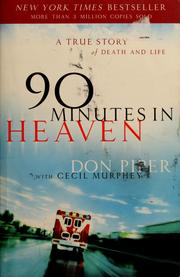
90 Minutes in Heaven: A True Story of Death and Life
A pastor declared dead at a 1989 crash scene describes ninety minutes he says he spent in Heaven, then thirteen months of surgeries, depression, and recovery.
2,246-word summary · 10 min read

The Stranger Beside Me
Ann Rule's classic memoir of her friendship with Ted Bundy, written by the true-crime author who knew him long before the world learned what he had done.
2,481-word summary · 11 min read
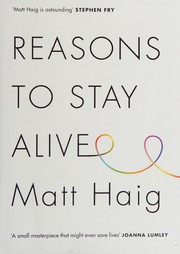
Reasons to Stay Alive
Matt Haig's memoir of the breakdown that nearly killed him at twenty four and the three years of unglamorous recovery that followed.
2,065-word summary · 9 min read
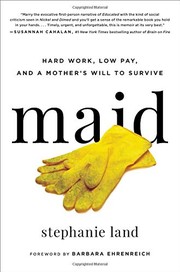
Maid: Hard Work, Low Pay, and a Mother's Will to Survive
Stephanie Land's memoir of cleaning houses as a single mother on the poverty line, and of the paperwork that made every step forward cost something else.
2,039-word summary · 9 min read