
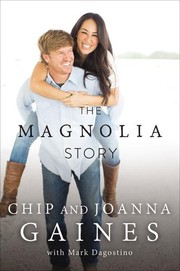
The Magnolia Story
2,994-word summary 13 min read 208 pages in the book
- First published
- 2016
- Publisher
- Thomas Nelson
- Pages
- 208
- ISBN
- 9780718079185
Reading options
What's inside (10 sections)
I picked up The Magnolia Story because I wanted to settle an argument with my wife about whether Chip Gaines is genuinely funny or just funny on television. The book settled it. He is funny, and funnier in writing than on screen, because the punchlines land without the demolition noise and the camera crew. What I was not expecting was a marriage story with a business ledger running through it, or a chapter about a loan that came within a hair of ending everything before the television show existed.
W Publishing, an imprint of Thomas Nelson in Nashville, published the book on 18 October 2016. The edition I used runs 208 pages and carries the ISBN 9780718079185. The cover credits Chip and Joanna Gaines with Mark Dagostino, the New York Times bestselling collaborator who wrote alongside them, and the pages show it: the two of them are given a clean voice each, and much of the texture comes from other people's memories. It went to the top of the national bestseller list in its first week, selling more than 121,000 print copies according to Publishers Weekly, which is a strange thing to happen to a book that reads like a long letter from two people in Waco.
One note on timing. The book reached shelves on 18 October 2016, days after a shooting at a Baylor University football game in Waco. The manuscript was finished before that, so the book says nothing about it.
The houseboat and the phone call
The book opens at the end, in medias res, then spends fifteen chapters walking back to explain how the couple got to the place that makes television possible. The frame story is a used houseboat. In early 2012 Chip finds one for sale online, buys it without telling Joanna, and has it shipped to Waco on a tractor-trailer. He intends it as a place for the family to live while they renovate the farmhouse they have just started work on.
Joanna discovers the boat when Chip blindfolds her, drives her to an empty lot by the lake, and announces his purchase. What she sees is a rotten two-storey shack with a hole in the roof where the air conditioning unit had been, mould inside, and an engine that will not turn over. She is madder than she has ever been, he is embarrassed, both of them are flailing, and then something else happens, because the camera crew from a television production company is there, rolling. The argument is the best thing they filmed all week.
That call came from Katie Neff, who had seen photos of Joanna's work on DesignMom.com and wanted to know whether the couple would consider a show. Chip's first response was, "That's a scam. Don't call them back." A crew came to Waco for five days to shoot a sizzle reel, and the first four were a disaster, because both of them freeze the moment the red light comes on. On the last morning the boat arrives and the cameras capture the whole quarrel. The head cameraman tells Chip he has just handed them a television show, and Chip replies, "How's that for reality TV?" Within months HGTV said yes, and Fixer Upper was born.
The framing chapter, "Blessings in (a Big, Ugly) Disguise", is also where the title gets explained. The magnolia bud is a tight pod that stays closed for a long time and then opens into something ten times bigger than the bud. That is the couple's image for what being discovered did to them.
How they met
Joanna was working as the office manager in her father's Firestone shop in Waco when Chip came in to have the brakes on his truck fixed. Her co-workers were pushing her toward a handsome man they called Hot John, who was waiting for his roommate. Joanna steeled herself, walked into the lobby, then lost her nerve and walked straight back out. Chip was the one sitting outside in the waiting area, and they talked for twenty minutes. He was a Baylor graduate three years out, chatty and rough and tumble, and he said he planned to stay in Waco until God told him otherwise. She was not the outgoing one.
He called the next day and asked her out. On the night he arrived ninety minutes late, which he disputes, charmed her three friends in her sister's apartment, and took her to a restaurant in a historic mansion in Valley Mills. Halfway through dinner a voice told Joanna that this was the man she was going to marry. She assumed it was intuition, or maybe God, and told nobody. She cancelled the next date for back surgery and never heard from him again, then got a call in early January and a second date, a basketball game. Four months later, in her father's driveway, he says he loves her and she says "Thank you," and Chip storms off with the basketball like a four-year-old. Two weeks later she says it back.
The second half of the chapter is Chip's business education, told at speed. He works for his uncle David, wrecks a weed eater on company money, and gets a lecture that changes him. David sends him to buy equipment he cannot afford, so he borrows $5,000 from a banker named Carroll Fitzgerald after talking his way around the man's objections. He repays the loan in six months and still calls Carroll the man who created a monster. Then he starts buying property. His uncle David sells him eleven acres on Third Street with run-down rental houses on it for about $110,000. He and his father buy a strip mall near campus and put a wash-and-fold laundry in one corner and a sandwich shop in the other. He flips houses, earns in a single summer what lawn mowing paid him in a year, and picks up a nickname that follows him through the whole book: the Mayor of Third Street. Joanna starts doing his books for free, and the business starts to click.
Something old, something new
They married on 31 May 2003 at the Earle Harrison House in Waco. They chose the wedding over a down payment on a house, the dress cost about $500, the tuxedos were rented, and the colour scheme was black and white with red roses. The night before the wedding somebody pruned the roses at the venue, so friends and family bought white ones instead. Chip insisted his dog Shiner be part of the ceremony, and Joanna and her father arrived by horse-drawn carriage.
The honeymoon was a rented car, the city of New York, then New England, the Berkshires, bed and breakfasts and farm meals. In Maine they saw a moose walk into the headlights and disappear into the woods. They came home with no money left and moved into a house nobody had cleaned, which is where "The Honeymoon's Over" starts.
That house was a yellow ranch house with magnolia trees on Third Street, and it was a crime scene. Chip found rotten food in the fridge left by the previous tenants and there was no electricity. With no money for a hotel, Joanna suggested they sleep in Chip's parents' RV, then discovered the RV park would not let them plug in, and their first attempt ended with the vehicle wedged between two hills. A tow truck driver pulled them out the next morning and refused to charge them, joking that this was the end of their honeymoon. The house got cleaned, then renovated, with Joanna doing the design and Chip doing the work. That split, repeated for fifteen years, is the business.
The shop that opened and closed
Joanna wants a shop. Chip has been trying to talk her into a risk she has no training for, and she draws sketches of the place she wants on a yellow legal pad. She finds a boarded-up orange building on Bosque Boulevard that looks like a little house, and Chip's response is, "Jo, that thing is ugly." The owner, Maebelle, in her seventies and hoping to sell to someone who will not turn the place into a used car lot, turns them down. Joanna offers $45,000, which is well below the other offers she has. That night Joanna prays: "Lord, that's the building that spoke to me. And if it's meant to be, please make it come back around." A few weeks later Maebelle rings and says she has been praying too, and that she feels God is telling her to sell the building to Joanna for $45,000.
The shop is called Magnolia, after the trees, and the sign is a late decision of Chip's: he gathers old letters from an antique shop and they become the display. It opens in October 2005, and in the book's opening pages Joanna remembers it as a place with one employee and a shopgirl who was happy to see eight customers a day. Before it opens, Joanna buys a brown wicker sleigh for five dollars, dresses it up with ivy and battery lights, and puts it in her father's waiting area to test the market. It takes three weeks and her father hands her a $25 envelope and a lesson: "Now go buy something for twenty dollars and see if you can sell it for fifty bucks. This is how retail works, JoJo."
The nursery she designs for Drake, with its picket fence awning, is the room that gets photographed and eventually reaches DesignMom.com, so the whole television career grows out of a nursery curtain. Then there is the dog, the citywide warrant, the fines, and the arrest that lands Chip in jail for a while. It is a stupid story that somehow pays for the business.
The shop closes when Joanna is pregnant with Ella Rose. The decision arrives as a voice in the night and she tells Chip plainly, "God told me to do it." Selling the inventory is grief. The building will not sell either, and then Chip drives past it with a friend looking for warehouse space and hears the owner say the old shop would work perfectly. Magnolia Homes takes over the premises, and the shop that closed becomes the headquarters of the business that replaced it.
Roots
Joanna's chapter about her own childhood is about looking different. Her mother is Korean, her father is American, and she spent part of her adolescence in Kansas and part in Texas feeling like she belonged in neither. The book is unsentimental about the teasing and unusually specific about the loneliness. It ends with her election as homecoming queen, and the lesson she draws is about a family that had to work at being a family.
Chip's chapter, "Chipping In," is his parents' story told from the outside: Archer City, Texas, a rancher grandfather, a father who wanted baseball and pushed him hard, a long courtship conducted across two towns, and a boy who was good at sport and bad at fitting in. He arrives at Baylor through a fluke with the baseball team, gets cut, and has the conversation with his father that turns him toward business. His father by then is a vice president at American Airlines, a long way from the boy mowing lawns for his uncle.
Faith runs through both chapters without being argued for. The couple are rooted in Antioch Community Church in Waco, where they have led small groups, and the book is dedicated in part to the children of Restoration Gateway, the ministry in northern Uganda that the Gaineses support with fundraisers and visits. God in this book is mostly practical. He tells Joanna when to close the shop, and he sends them the people who loan them money when the bank shuts the line of credit.
Flipping out
Magnolia Homes takes on work in Castle Heights, where the houses are grander and the money is better. The couple renovate a 1920s Tudor house, one of several they buy, and the exterior work alone draws the attention of neighbours who have never seen anyone move that fast in that neighbourhood. This is where Joanna's design philosophy gets articulated: classic over trend, subway tile that will not date, salvage and antiques from the flea markets at Canton and Round Top, old houses stripped back rather than painted over.
The book is honest about the cost. A family growing faster than the balance sheet, a homeless man named Cedric sleeping on a neighbour's porch and later working for them, and the drift toward development work that banks understand and house flips do not. Magnolia Villas, a housing development on land they had bought and sold part of, is the project that nearly kills them. When the financial crisis cuts their line of credit, the bills keep coming and the money stops.
The rescue is the scene the book is built around. Chip goes to people he knows for help and is turned down. Then one acquaintance comes out to the site, looks around, and offers $100,000. What the couple do with it is the tell: they pay every outstanding bill with it rather than taking any of it for themselves. They keep the business alive and end up with nothing, and they describe the moment without self-pity.
Out of that comes "Surviving or Thriving," the least interesting title in the book and one of the better ideas in it. Joanna has been trying to keep a house perfect with four children in it, which is a losing hand, and she works out that the children's noise and mess are worth more than the clean floors. Thriving, she concludes, is what you choose inside the chaos, not something that arrives when the chaos is over.
The farm, the pilot, and the bloom
They buy a farm on 40 acres outside Waco, in Crawford. The house on it is a Victorian farmhouse built in the 1890s, two bedrooms and about 1,700 square feet before they started, and it takes them a year and a half to fix. They strip the drywall off the interior and find the original shiplap underneath, then put it back. That detail is the design philosophy in one move, and it is also the pitch for the television show, since the camera is there for the renovation of their own house.
The pilot was filmed in 2012 and aired on HGTV in 2013, with the first full season in 2014. Fixer Upper ran for five seasons, and the family moved from renovating other people's houses to renovating their own town: the old cotton-oil mill downtown with its two rusted silos became Magnolia Market at the Silos, opening in October 2015 and pulling visitors into Waco from all over the country.
The last chapter, "The Bloom," closes the circle Joanna opened with the shop. She had closed the Magnolia shop to raise her children, and in 2014 she reopened it, with her father coming in to help, because the crowds were arriving and somebody had to be behind the counter. The bud opens, and the book ends on the two of them still arguing about whether all of this could possibly have happened to them.
What works and what does not
What works is the houseboat, the best comic episode in the book and the moment that makes the television career legible. What works is the financial material, because it is specific and unvarnished: a five-thousand-dollar loan from a reluctant banker, eleven acres bought for about $110,000, a line of credit pulled out from under a development, a friend writing a cheque for $100,000, and the decision to spend it on other people's bills. What works is the renovation writing, which is where both of them are most alive. Chip on sanding floors until two in the morning to win a bet she made him, the two of them on the floor of an eight-hundred-square-foot house while they worked on it.
The trouble is that this is a brand book with a Christian frame, not a business manual. Readers expecting the mechanics of running a company will find very little: a library reviewer who read it for work called it "no decorating tips, no business tips." The faith is stated rather than examined. It arrives as a voice in the night telling Joanna to close a shop and as a feeling that the $100,000 is providential.
The two voices are lopsided in a way the format hides. Joanna carries the narrative and most of the feeling. Chip's remarks in the small capitals are the jokes and the quotable lines, and they are the reason the book reads as charming rather than dutiful. The seams also show where other people's stories have been rebuilt: Chip's chapter about his parents is a warm, slightly distant retelling of a love story that happened to him, and some of the street-level anecdotes have the smooth, tidy shape of material handed over in an interview. The nearest the couple come to a real fight is the houseboat.
So who is it for? Fans of Fixer Upper, who will recognise every joke and forgive the gloss. People who like a cheerful 200 pages about doing careful work slowly. It is not for readers who want craft, or a candid marriage, or a case study on scaling a company. And it is not the book for learning how to run a business, whatever the marketing around it says.
What stays with me is the bud. They were broke and unknown for years, doing unglamorous work in a city most Americans have never visited, and the book argues that the unglamorous years were the point. Whether the bloom was deserved is a question the book does not ask, because that question would have needed a different kind of honesty.
FAQ
Who wrote The Magnolia Story, and what did Mark Dagostino do?
Chip and Joanna Gaines wrote it with Mark Dagostino, the New York Times bestselling collaborator credited on the cover. The book uses two typefaces so their separate voices stay distinct on the page.
Is The Magnolia Story only about the Fixer Upper television show?
No. It covers how they met, their wedding, the first Magnolia shop, house flips, the four children and the farmhouse in Crawford, Texas, before the show and Magnolia Market at the Silos.
When was The Magnolia Story published?
Thomas Nelson's W Publishing imprint released it on 18 October 2016. The edition I used runs 208 pages and carries the ISBN 9780718079185, and the e-book adds a bonus chapter that is not in the hardcover.
Similar books

Too Much and Never Enough: How My Family Created the World's Most Dangerous Man
Mary L. Trump's 2020 memoir traces how a cold, zero-sum Queens household shaped her uncle, and uses family tax documents to challenge his self-made story.
2,059-word summary · 9 min read
Same Kind of Different as Me
An art dealer and a formerly homeless sharecropper tell the story of the friendship that began at a Fort Worth mission and the woman who insisted on it.
2,023-word summary · 9 min read

Love Does
A lawyer and activist tells stories of saying yes, showing up, and loving people through ordinary, often ridiculous actions.
2,411-word summary · 11 min read
Beautiful Boy: A Father's Journey Through His Son's Addiction
David Sheff recounts watching his son Nic slide into meth addiction, and his own desperate, humbling search for how to help without destroying them both.
2,076-word summary · 9 min read
90 Minutes in Heaven: A True Story of Death and Life
A pastor declared dead at a 1989 crash scene describes ninety minutes he says he spent in Heaven, then thirteen months of surgeries, depression, and recovery.
2,246-word summary · 10 min read
Blue Like Jazz
Donald Miller leaves youth group faith in Texas for Portland and Reed College, where a confession booth and shared house life reshape his view of Christian…
2,366-word summary · 11 min read
Open
Tennis star Andre Agassi recalls hating tennis, falling to No. 141, and rebuilding his life on his own terms.
2,352-word summary · 10 min read
Hidden Valley Road: Inside the Mind of an American Family
The Galvin family raises twelve children while six sons develop schizophrenia across decades of shifting science.
2,492-word summary · 11 min read

Calypso
Sedaris buys a Carolina beach house, grieves his sister Tiffany, tends his aging father, and turns illness and marriage into dry family comedy.
2,835-word summary · 13 min read
Naked
Growing up odd in Carolina, working bad jobs, and learning to watch people closely and kindly.
2,020-word summary · 9 min read

Dress Your Family in Corduroy and Denim
Sedaris on snow days, rental houses, Dutch Christmas, and the family that made him funny.
3,098-word summary · 14 min read
The Last Lecture
Dying professor Pausch lectures really achieving childhood dreams.
2,579-word summary · 11 min read
The Hiding Place: The Triumphant True Story of Corrie Ten Boom
The Ten Booms hide Jews in Haarlem, suffer Ravensbruck, lose Betsie, and learn forgiveness.
2,593-word summary · 12 min read
A Child Called It
Dave survives his mother games of hunger and cold in Daly City until teachers and foster care step in.
2,326-word summary · 10 min read
The Glass Castle
Jeannette Walls's memoir of a childhood spent hungry and moving, from a stove fire at three to a Bronx apartment and parents on the street.
2,255-word summary · 10 min read
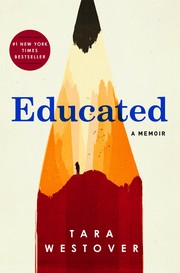
Educated
Educated retold: Idaho scrapyard, no school, BYU, Cambridge, break with father and brother.
1,931-word summary · 9 min read
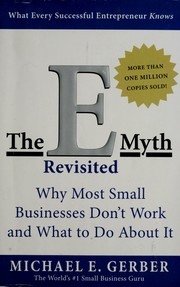
The E-Myth Revisited
Gerber argues that most small businesses are run by technicians who own a job rather than a business, and that the fix is a system that runs without them.
2,169-word summary · 10 min read

Long Walk to Freedom
Mandela's account of a Thembu childhood, a law practice, a banned movement, twenty-seven years in prison, and the negotiation that ended apartheid.
2,454-word summary · 11 min read
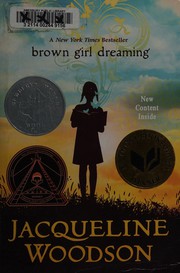
Brown Girl Dreaming
Jacqueline Woodson retells her childhood in verse, moving from Ohio to South Carolina to Brooklyn while the civil rights movement reshapes the world around her.
2,727-word summary · 12 min read

In Order to Live: A North Korean Girl's Journey to Freedom
A young North Korean girl crosses the Yalu, survives trafficking in China, and rebuilds her life in Seoul in this unsparing memoir.
2,027-word summary · 9 min read

Infidel
Ayaan Hirsi Ali's memoir of a Somali childhood, a forced marriage, a Dutch asylum claim, and the political fight that followed the murder of Theo van Gogh.
2,041-word summary · 9 min read
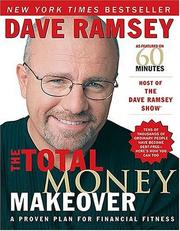
The Total Money Makeover: A Proven Plan for Financial Fitness
Dave Ramsey lays out seven Baby Steps, from a $1,000 starter fund to a paid-off house, with the debt snowball at the center.
2,663-word summary · 12 min read

Down and Out in Paris and London
Orwell's account of washing dishes in Paris hotels and tramping through London does not ask for pity, only for a clear look at how poverty actually works.
2,282-word summary · 10 min read
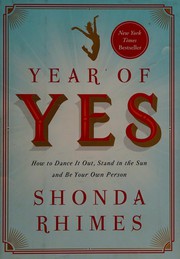
Year of Yes: How to Dance It Out, Stand in the Sun and Be Your Own Person
Shonda Rhimes takes her sister’s accusation seriously and spends a year saying yes to the things that frighten her, from live television to her own reflection.
2,585-word summary · 11 min read

The Girl with Seven Names: A North Korean Defector's Story
Hyeonseo Lee crossed the frozen Yalu River at seventeen, spent years hidden in China, escaped to South Korea, and later returned to rescue her family.
2,404-word summary · 11 min read
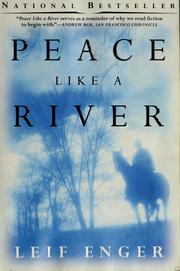
Peace Like a River
An asthmatic boy in the early 1960s narrates his family's search for his older brother, who is accused of two killings and has escaped custody.
1,969-word summary · 9 min read
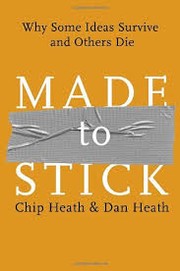
Made to Stick: Why Some Ideas Survive and Others Die
The Heath brothers break down why some ideas vanish on contact while others lodge in memory, tracing six traits that make a message stick.
2,527-word summary · 11 min read
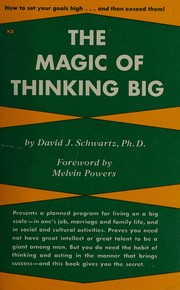
The Magic of Thinking Big
Schwartz's 1959 self-help classic argues that success follows from the size of your thinking, supported by sales anecdotes, vocabulary drills and goal setting.
2,579-word summary · 11 min read

The Chosen
A shattered pair of glasses in a 1944 Brooklyn softball game starts a friendship between a Hasidic boy and his Orthodox neighbor, and their fathers pull them…
2,443-word summary · 11 min read
Lone Survivor: The Eyewitness Account of Operation Redwing and the Lost Heroes of SEAL Team 10
Marcus Luttrell's account of the 2005 SEAL mission in Afghanistan that killed three of his team and left him alone.
2,144-word summary · 10 min read