
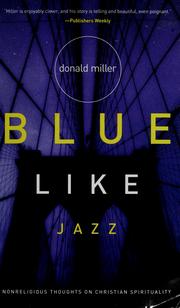
Blue Like Jazz
2,366-word summary 11 min read 256 pages in the book
- First published
- 2003
- Publisher
- Thomas Nelson
- Pages
- 256
- ISBN
- 9780785263708
Reading options
What's inside (8 sections)
I picked up Blue Like Jazz because a coworker kept describing it as the one Christian book that did not make him feel talked down to. He grew up outside church, he distrusts anything preachy, and he said this one read more like hanging out with a funny friend who happens to believe in Jesus. That sold me. Donald Miller published the book in 2003 with Thomas Nelson, 256 pages in the standard edition, and it became a kind of word of mouth book for people in their twenties who were tired of youth group formulas but not ready to walk away from faith entirely. I read it across a rainy weekend, a few essays at a time, with coffee going cold beside me.
What surprised me right away was the shape. This is not a straight memoir with a clean plot. It is a set of linked essays that loop back on the same few years, when Miller leaves a Baptist background in Texas and ends up living in Portland, Oregon, auditing classes at Reed College, sharing a house with friends, working odd jobs. He tells stories out of order and admits when he does not know what he thinks. The subtitle says nonreligious thoughts on Christian spirituality, and that is accurate.
Miller writes in a loose first person voice, funny in a self deprecating way, quick to admit he can be lazy or cheap or judgmental. He notices small moments. A conversation on a porch. A bad worship service where the drums were too loud. If you want a tight argument that proves Christianity step by step, this will frustrate you.
Leaving Church Youth Behind in Texas
Miller starts with the version of church he knew as a teenager in Houston. Youth group meant lock ins and pizza and games meant to keep kids busy until the short talk at the end. The adults meant well. They taught that being a Christian meant following a moral formula, saying the right prayer, avoiding the wrong music and movies, voting the right way, staying pure before marriage. Faith felt like a test you could pass if you behaved.
He does not trash those people. He says he liked many of them. But he felt a gap between what was said on Sunday and what life looked like on Monday. Nobody talked much about doubt or sadness or money. The message was that if you felt distant from God, you must be doing something wrong.
I recognized that world even though my background was different. Any group that rewards the right answers will produce kids who are good at nodding. Miller describes lessons where Jesus sounded more like a mascot for good behavior than a person. He started to wonder if Christianity was mostly about control. That question follows him to Portland.
He also writes about his father leaving when he was young, and how that absence shaped his picture of authority. He mentions it plainly, the way someone mentions weather that never fully cleared. A missing dad made God the Father language complicated. That early wound sits under a lot of later essays, even when he is joking.
Leaving Texas was not dramatic in the book. He just grew up, felt stale, wanted air, and moved west. A lot of twenty somethings will know that move, the one where you pack a car with too many books and tell yourself a new city will fix the static in your head.
Reed College Portland Life Among Skeptics
Portland in the book feels damp and thoughtful and unimpressed by church talk. Miller ends up around Reed College, a small liberal arts school known for serious academics and a skeptical attitude toward religion. He is not a full time student in the usual sense. He audits classes, hangs around campus, talks with students who assume Christians are either dumb or mean or both. For a guy raised on youth group applause, that is a useful shock.
He describes sitting in classrooms where professors pick apart texts with care, where students argue hard and drink coffee like it is part of the curriculum. Nobody cares about his testimony. If anything, saying you are a Christian starts the conversation at a disadvantage. People have stories about being judged by churches, about gay friends being rejected, about money scandals on television. Miller listens more than he argues, which is rare in books like this.
Living in Portland also means living cheap. He shares a house with friends, splits rent, eats simple food, walks a lot in the rain. He writes about temp jobs and tight budgets. That ordinariness helps the book. He is not writing from a pastoral office. He is writing from a couch with a stain on it.
One part I liked is how he handles learning. At Reed he sees students who study for the pleasure of getting it right, not for a grade from God. That makes him rethink his own motives. Was he praying to know God, or to stay out of trouble. Being around people who did not share his beliefs forced him to separate habit from conviction.
There is a fair criticism to make here too. Miller sometimes paints Portland as one big open minded coffee shop and Texas as one big rule book. Real life in both places is more mixed. Some Reed students in the book come off as props for his growth rather than full people. Still, the fish out of water setup gives the middle of the book its energy.
Nonreligious Thoughts on Spirituality That Stayed With Me
The heart of the book is a run of essays where Miller tries to say what faith feels like when you strip away church marketing. He keeps coming back to a few ideas. First, that coming to God is more like falling in love than passing a test. You do not memorize your way into love. You spend time, you pay attention, you change because you care. Second, that Jesus cared more about people on the edges than about protecting institutions. Third, that inner change matters more than outward performance.
He talks about prayer as ongoing talk, not a formal speech. He prays while driving, while washing dishes, while walking to class. Sometimes he only says he is sorry or tired. He stops treating unanswered prayer as proof of failure. That helped me more than any method for prayer I have read, because it lowered the pressure without lowering the seriousness.
He also writes about sin in a way I had not heard in church settings. Less about breaking rules on a list, more about the ways we use people, lie to ourselves, chase comfort while others go without. He includes himself in that without posing as the worst sinner ever. He just admits he can be selfish with money, lazy with friends, quick to judge strangers.
The jazz image from the title fits here. He says faith is less like a classical score where every note is written out and more like jazz where players listen and respond. Some readers will find that vague. I found it honest to his experience. He grew up with charts. Portland taught him to improvise.
A criticism belongs in this section. These essays can repeat. He circles the same point about grace versus moralism several times with different stories. If you already agree with him, you may skim. He also leans on feeling as proof. That works in memoir but leaves questions open for someone who wants reasons. He admits he is not a theologian, which is fair, but now and then I wanted one paragraph that engaged a hard objection instead of moving on.
Still, two essays in this stretch hit me. One about worship, where he says he stopped singing to impress the people around him and started singing as if God were actually in the room. One about reading the Gospels slowly, noticing how often Jesus eats with people.
The Confession Booth at the Ren Fayre
The most famous part of the book happens during Ren Fayre, the big end of year celebration at Reed. Miller and some Christian friends get permission to build a wooden confession booth on campus. But they flip the usual setup. Instead of hearing confessions, they confess. They apologize to students for ways Christians have harmed people, for judgment toward gay students, for ignoring the poor, for televangelist greed, for turning Jesus into a political prop.
I had heard about this story before reading, and I worried it would feel staged on the page. It does not. Miller describes the nerves beforehand, the fear that people would laugh them off the lawn. Some students do mock them at first. Then a few stop. Then more stop. Some cry. Some talk for a long time, surprised that Christians would show up without an angle.
What makes the scene work is that Miller does not claim it fixed anything. He does not report hundreds of conversions. He reports conversations, some awkward, some tender, one where he mostly listens while a young woman talks about feeling rejected by churches her whole life.
I thought about this chapter for days after. It raises a hard question about apology. Is saying sorry useful if you did not personally commit the wrong. Miller thinks yes, if you are part of the group that caused harm. He does not present the booth as a method churches should copy every spring. He presents it as one attempt to listen in public.
If there is a weakness, it is that the chapter can be read as making Christians the heroes of a story about other peoples pain. Miller seems aware of that trap. He keeps the focus on what students said rather than on how good the booth team felt. That restraint keeps the chapter from turning sentimental.
Community and Learning to Need People
After the booth chapter, Miller spends a lot of pages on community, and this is where the book felt most practical to me. In Texas, community meant attending the same services. In Portland, community meant sharing rent and cars and food and time. He lives with friends who see him at his worst, who know when he is broke, when he is moody.
He writes about learning to receive help, which was harder for him than giving it. He liked being the guy who had answers. He did not like being the guy who needed a ride. Portland roommates did not let him keep that distance. They knocked on his door and waited for a real answer. Slowly he started to believe that God works through ordinary people showing up, not only through quiet moments alone.
Money comes up a lot here. Miller admits he was tight with cash, generous in theory and careful in practice. He describes deciding to give more, to tip well, to buy food for people with less. He connects money to trust. Holding every dollar tight was a way of saying he did not trust God or anyone else.
He also writes about friendship with non Christians without trying to turn every dinner into a project. He eats with neighbors, helps move couches, watches movies, talks about books. Faith comes up naturally because it is part of him, not because he forces a pivot. Some friends stay skeptical. That is allowed.
My criticism of this section is that Miller can romanticize communal living a bit. Shared houses in your twenties are fun in memory and exhausting in real time. He mentions conflict but moves past it fast. I wanted more about how they handled the hard parts. Real community is messier than these pages sometimes suggest.
Even so, I finished these chapters wanting to call a friend. Miller makes a case that spirituality grows in kitchens and living rooms, that showing up with soup matters as much as showing up for a service.
What I Kept and What I Questioned
The last part of the book wanders through love, church, and heaven in a way that feels like late night talk. Miller writes about dating and learning to love well, about his fear of being known, about how romance exposed his selfish habits faster than any sermon. He writes about going back to church gatherings with new eyes, less interested in lights and sound, more interested in whether people tell the truth and care for the poor.
I kept his idea that faith is relational before it is technical. That helped me relax around prayer and Scripture. I kept his push toward honesty, toward saying you do not know when you do not know. I kept the booth as a picture of apology without defense.
I questioned other parts. Miller sometimes treats doctrine as clutter, as if beliefs about Jesus matter less than being kind. Kindness matters a lot, but beliefs shape kindness over time. A reader who wants help with hard questions about suffering or history will not find much here. That is not the book he set out to write, but it is a limit worth naming.
The writing itself is uneven. When Miller is telling a story, he is quick and warm and funny. When he steps back to explain what it means, the prose can go soft and repeat words like love and real until they blur. I skimmed two essays and did not feel I missed much.
Would I recommend it. Yes, to a specific reader. If you grew up in church and feel tired but not done, this will feel like company. If you never grew up in church and wonder what some Christians are actually like when they are not shouting, this gives one honest example. If you want a careful case for or against Christianity, look elsewhere.
I closed the book thinking about jazz, even though I do not listen to much jazz. The point is listening. Players hear each other and answer. Mistakes happen and become part of the song. Miller is saying faith can work like that, less about hitting every note perfectly, more about staying in the room and paying attention.
FAQ
What is Blue Like Jazz about?
It is a set of linked memoir essays from 2003 about leaving formulaic youth group faith, living in Portland around Reed College, and relearning prayer, apology, and community.
What happens in the confession booth chapter?
Miller and friends built a booth at the Reed campus festival where Christians apologized for past harms instead of preaching, and many students stopped to talk.
Is Blue Like Jazz only for church readers?
No. It suits doubters, ex-church readers, and curious skeptics more than anyone. Readers wanting a careful argument for doctrine may find it too personal and open-ended.
Similar books
The Case for Christ
An atheist journalist cross-examines scholars on the Gospels, the tomb, and the resurrection to test the evidence for Jesus.
2,882-word summary · 13 min read
The DaVinci Code: A Quest for Answers
A short 2006 dialogue in which three friends test Dan Brown's claims about Jesus, Mary Magdalene, Nicaea, and the canon.
2,088-word summary · 9 min read
Same Kind of Different as Me
An art dealer and a formerly homeless sharecropper tell the story of the friendship that began at a Fort Worth mission and the woman who insisted on it.
2,023-word summary · 9 min read

Infidel
Ayaan Hirsi Ali's memoir of a Somali childhood, a forced marriage, a Dutch asylum claim, and the political fight that followed the murder of Theo van Gogh.
2,041-word summary · 9 min read

Love Does
A lawyer and activist tells stories of saying yes, showing up, and loving people through ordinary, often ridiculous actions.
2,411-word summary · 11 min read

The Magnolia Story
How Chip and Joanna Gaines met, closed their first shop, nearly lost everything in a housing development, and built Fixer Upper.
2,994-word summary · 13 min read
90 Minutes in Heaven: A True Story of Death and Life
A pastor declared dead at a 1989 crash scene describes ninety minutes he says he spent in Heaven, then thirteen months of surgeries, depression, and recovery.
2,246-word summary · 10 min read
God Is Not Great
Hitchens argues religion poisons life across history and texts.
2,545-word summary · 11 min read
Heaven Is for Real
A Nebraska pastor's four-year-old survives a burst appendix, then describes angels, Jesus, and relatives he never met.
2,679-word summary · 12 min read
The Hiding Place: The Triumphant True Story of Corrie Ten Boom
The Ten Booms hide Jews in Haarlem, suffer Ravensbruck, lose Betsie, and learn forgiveness.
2,593-word summary · 12 min read

Long Walk to Freedom
Mandela's account of a Thembu childhood, a law practice, a banned movement, twenty-seven years in prison, and the negotiation that ended apartheid.
2,454-word summary · 11 min read

In Order to Live: A North Korean Girl's Journey to Freedom
A young North Korean girl crosses the Yalu, survives trafficking in China, and rebuilds her life in Seoul in this unsparing memoir.
2,027-word summary · 9 min read

Too Much and Never Enough: How My Family Created the World's Most Dangerous Man
Mary L. Trump's 2020 memoir traces how a cold, zero-sum Queens household shaped her uncle, and uses family tax documents to challenge his self-made story.
2,059-word summary · 9 min read
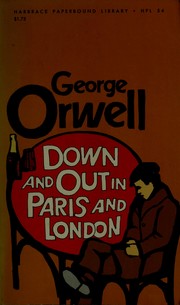
Down and Out in Paris and London
Orwell's account of washing dishes in Paris hotels and tramping through London does not ask for pity, only for a clear look at how poverty actually works.
2,282-word summary · 10 min read
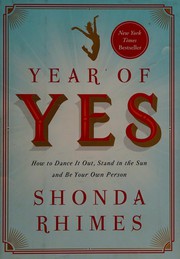
Year of Yes: How to Dance It Out, Stand in the Sun and Be Your Own Person
Shonda Rhimes takes her sister’s accusation seriously and spends a year saying yes to the things that frighten her, from live television to her own reflection.
2,585-word summary · 11 min read

The Girl with Seven Names: A North Korean Defector's Story
Hyeonseo Lee crossed the frozen Yalu River at seventeen, spent years hidden in China, escaped to South Korea, and later returned to rescue her family.
2,404-word summary · 11 min read
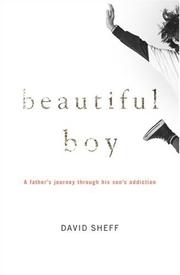
Beautiful Boy: A Father's Journey Through His Son's Addiction
David Sheff recounts watching his son Nic slide into meth addiction, and his own desperate, humbling search for how to help without destroying them both.
2,076-word summary · 9 min read

The Chosen
A shattered pair of glasses in a 1944 Brooklyn softball game starts a friendship between a Hasidic boy and his Orthodox neighbor, and their fathers pull them…
2,443-word summary · 11 min read
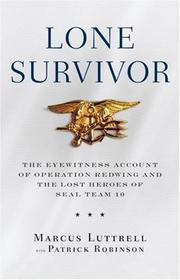
Lone Survivor: The Eyewitness Account of Operation Redwing and the Lost Heroes of SEAL Team 10
Marcus Luttrell's account of the 2005 SEAL mission in Afghanistan that killed three of his team and left him alone.
2,144-word summary · 10 min read
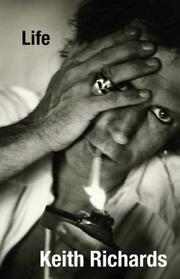
Life
The Rolling Stones guitarist tells his own story: a Dartford childhood, the band's first gigs, the drug raids, the tax years and Patti Hansen.
2,761-word summary · 12 min read
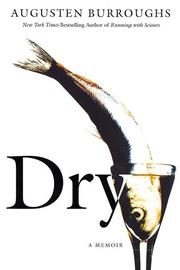
Dry
A memoir of drinking, rehab and relapse, and the strange business of getting sober one morning at a time.
2,643-word summary · 12 min read

Dear Girls: Intimate Tales, Untold Secrets & Advice for Living Your Best Life
Ali Wong's debut collects fourteen letters to her daughters, covering sex, money, work, marriage, Vietnam, and being a working Asian American mother.
2,266-word summary · 10 min read
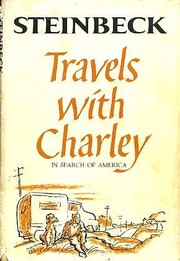
Travels with Charley
Steinbeck drives across America with his poodle Charley, looking for the country he remembers and finding a place that has changed.
2,039-word summary · 9 min read
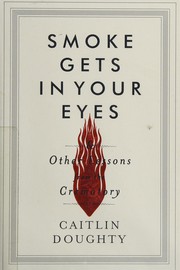
Smoke Gets in Your Eyes: And Other Lessons from the Crematory
A young medieval history graduate takes a job at an Oakland crematory and becomes a mortician, confronting the physical reality of death and the funeral…
2,003-word summary · 9 min read

Scrappy Little Nobody
Anna Kendrick's essays trace her path from a Portland childhood and Broadway to Hollywood, with jokes, anxiety, and a refusal to pretend fame fixed her.
2,092-word summary · 9 min read
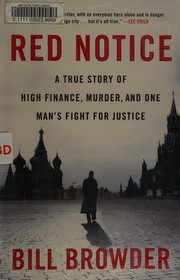
Red Notice
An American financier in Moscow exposes a $230 million tax fraud, watches his lawyer die in prison, and turns the case into an international human rights law.
2,008-word summary · 9 min read

The Letters of Vincent van Gogh
Vincent van Gogh's letters to his brother Theo, in a Penguin Classics selection edited by Ronald de Leeuw, trace a decade of work, faith, and obsession.
2,611-word summary · 12 min read
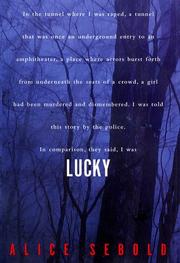
Lucky
Alice Sebold's memoir of the 1981 rape she survived as a college freshman, the courtroom that followed, and a conviction later proven to be a case of mistaken…
2,091-word summary · 9 min read
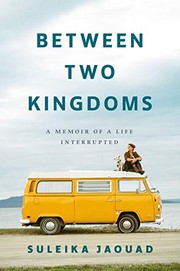
Between Two Kingdoms: A Memoir of a Life Interrupted
Diagnosed with leukemia at twenty-two, Suleika Jaouad survives treatment and then takes a 100-day road trip to meet the strangers who wrote to her.
2,311-word summary · 10 min read
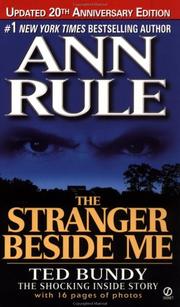
The Stranger Beside Me
Ann Rule's classic memoir of her friendship with Ted Bundy, written by the true-crime author who knew him long before the world learned what he had done.
2,481-word summary · 11 min read