
Waiting for Godot
2,045-word summary 9 min read
- First published
- 1952
- Publisher
- Grove Press
- ISBN
- 9780802141361
- Original title
- En attendant Godot
Reading options
What's inside (6 sections)
I read this in school and thought nothing happens. Rereading as an adult who has waited in many rooms, I think everything happens. Waiting for Godot by Samuel Beckett was first published in French in 1952 as En attendant Godot, with the English edition from Grove Press in 1954, ISBN 9780802141361. Two tramps wait by a tree for a man who never comes. That is the plot. The play is about what we do while waiting. Jokes. Boots. Silence. I read it aloud with a friend, trading parts, which is how it should be met.
Vladimir and Estragon, Didi and Gogo, meet on a country road at evening. A bare tree. A boot that will not come off. They will hang themselves tomorrow if Godot comes, or if he does not, or they will wait. A boy arrives to say Mr Godot will come tomorrow. They agree to go. They do not move. Act two repeats with a tree that grew leaves, boots that fit differently, and tempers shorter. Same boy. Same promise. Same stillness.
What makes it bearable and then moving is vaudeville. Hats swapped. Trousers falling. Carrot eating. Insults traded like tennis. Beckett was funny in a bleak way. The jokes do not relieve waiting. They are waiting made watchable. Anyone who has sat in a hospital corridor or a job line will recognize the routines invented to pass time that will not pass.
Act one: road and rope
Act one sets pattern with precision. Estragon struggles with a boot. Vladimir fusses with a hat. They consider hanging from the tree, argue about who is heavier and whether the branch will hold, then decide to wait and see. It is slapstick about suicide that never feels light, which is the point. Despair as habit, not event.
Pozzo and Lucky arrive and break the duet into quartet. Pozzo is a landowner with a rope around Lucky neck, driving him like a beast. Lucky carries bags, thinks on command, and dances when ordered. Pozzo boasts about his schedule, his land, and his coming sale of Lucky. Vladimir and Estragon watch with fascination and disgust. Should they help Lucky. Should they leave. They do neither, which indicts them and us. Spectatorship as moral failure.
Lucky speech, when ordered to think, is the famous torrent. Unpunctuated philosophy about God, sports, and stones. On page it looks like nonsense. Aloud it feels like a mind breaking under performance demand. Actors dread it and love it. I stumbled reading it and that stumble taught me. Thought under coercion becomes word salad. Pozzo listens proudly, then moves on. The moment passes like everything in this play, without consequence except a bad taste.
Pozzo and Lucky exit. The boy enters with news. Mr Godot will come tomorrow. Vladimir asks questions the boy cannot answer. Where do you sleep. Does he beat your brother. The boy leaves. Moon rises. Estragon wants to go. Vladimir says yes, let us go. Neither moves. Curtain. First time I saw that stage direction I laughed. Second time I felt cold. How many evenings end exactly like that in my own life. Agreement without motion.
A staging note. The tree should be meager, not symbolic oak. A boot should be large enough to fight. Hats should be bowlers that survive swapping. The road should go nowhere visible. Minimalism forces attention to bodies. How Didi adjusts Gogo coat. How Gogo shares a carrot badly. Kindness lives in small gestures here because grand救助 never arrives.
Act two: same but worse
Act two repeats with differences that matter. Tree has leaves. Boots are at the edge, possibly different boots. Vladimir is more anxious. Estragon was beaten last night offstage and does not remember by whom. They try new pastimes. Yoga. Storytelling. Calling each other names that used to be jokes and now sting. Time has passed but nothing progressed. That is the horror and the joke.
Pozzo returns blind. Lucky is mute. The rope is shorter. Power reversed by accident, not justice. Pozzo does not remember meeting them yesterday. Estragon does not remember Pozzo. Vladimir insists they met, clinging to memory as proof of continuity. If no one remembers, did yesterday happen. The play asks without answering. For an audience, the repetition with decay proves time while characters deny it. We see leaves. They debate if leaves mean spring or trick.
The blind Pozzo fall is pure slapstick with teeth. All four end up on the ground in a heap, calling for help that does not come, then getting up without helping each other much. It is funny until you realize no one will ever get up for good. Lucky hat remains. Pozzo crawls off. The boy comes again with the same message. Godot tomorrow. Vladimir begs the boy to say he saw him, to confirm he exists to someone. The boy leaves. Same final direction. They do not move.
Critics argue about Godot identity. God. Death. Meaning. A farmer who owes money. Beckett refused. He said if he knew he would have said in the play. That refusal is ethical, not coy. Naming would let us stop waiting and start explaining. The play wants us to sit in not knowing with Didi and Gogo, who fill it with games, cruelty, and tenderness by turns. I found that more respectful than any allegory. Some waits have no name. They still shape days.
What changes between acts is tone. Act one has more hope. Pozzo has sight. Lucky speaks. The tree is bare but honest. Act two has more ache. Blindness. Silence. Leaves that promise spring while everything worsens. Readers who find act one funny often find act two upsetting. That shift is deliberate. Repetition is not neutral. It erodes.
How to watch and why it lasts
It helps to know a little context without letting it dominate. Beckett wrote in French after the war, living in Paris, having been in the Resistance. Ration lines. Waiting for news. Friends who did not return. The play premiered in Paris in 1953 to confusion and triumph, then London and New York to similar splits. People laughed and were angry at laughing. That split remains the right response.
Absurdism here does not mean random. It means logic applied to illogical premises with full seriousness. If we must wait, how do we wait well. Take off boots. Share food. Argue about turnips. Do not be cruel to Lucky, though we will be. The characters fail that test often, which keeps them human rather than symbols. They are not Everyman. They are two specific bums with nicknames and sore feet.
For first time watchers, do not chase meaning line by line. Watch bodies. Who helps whom stand. Who shares. Who hits. Beckett directs movement as carefully as words. A hat exchange can mean more than a speech. In my reread I marked every time Didi covers Gogo with a coat. Four times. No comment in text. That is love without declaration. It moved me more than any Godot theory.
For readers, read aloud. The pauses matter. Dotted silences are stage directions for breath. When Estragon says nothing to be done and Vladimir agrees, pause. Feel the day stretch. When Lucky thinks, read fast until breathless. Feel thought collapse. The play is a score as much as script. Silent reading flattens it.
A last thought on the ending that never ends. They do not move, but we leave. That asymmetry is the gift. We get to go home and decide what waiting means. Will we wait better. Call the person. Share the carrot. Help Lucky carry even if Pozzo shouts. Or will we debate the tree leaves while someone bleeds nearby. Beckett does not tell us to be kind. He shows how rarely we manage it while waiting for permission to live. Permission never comes. Live anyway, the tree seems to say with new leaves no one planted on purpose.
See it if you can, read it if you cannot. Go with someone you can sit silent with after. You will need a walk, not a debate. And the next time you wait, in a line or a ward or a station at night, notice what you do with boots and hats. You are in the play now. Try to be a little kinder than yesterday. That is the only progress Beckett allows, and it is enough to keep going until tomorrow, when Godot, as always, will come tomorrow.
Lucky, Pozzo, and the boy who never stays
The visitors deserve closer attention because they show what waiting does to power. Pozzo arrives with rope and appetite, naming the land he owns and the tears Lucky owes him. He boasts about his schedule, his chicken bones, and his coming sale. An hour later, blind and helpless, he begs for hands. Same man. Different day. Beckett suggests power is accident plus memory. Lose sight and the rope means nothing. Vladimir, who debated helping Lucky, ends up pushing Pozzo wheelchair for no pay. Kindness given after power fades counts differently.
Lucky is the play mystery that unlocks the rest if you sit with him. A servant who dances and thinks on command, carrying bags that never open. His name is a joke the others do not laugh at. Is he lucky to have a master, or lucky to have a place, or not lucky at all. His speech, when ordered, pours out theology, sports, and stones in one breath. Scholars parse it for sense. Actors play it as seizure. I read it as a man given one chance to speak and using it to say everything at once before silence returns. That reading makes Pozzo cruelty clearer. He does not just work Lucky. He wastes his one voice on party tricks.
The boy who brings Godot message both nights is often played as innocent, but Beckett writes evasions that unsettle. He tends goats. His brother tends sheep. Godot beats the brother but not him. Or is it reverse tomorrow. He does not remember yesterday meeting. Vladimir wants confirmation that he was seen. The boy offers schedule instead. Tomorrow. That exchange mirrors customer service and prayer at once. We ask to be known. We get a time window. The boy leaves. We wait better or worse for having asked.
Small props carry theme without speeches. Boots that hurt then fit. Hats that swap identities. A carrot that is enough for today. A turnip that is not. The tree that was bare then leafed. Audiences track these objects like clocks because no clock works on stage. Time passes in boots and leaves while characters claim nothing happens. That contradiction is the play gift to busy lives. We say nothing happened today while shoes wore and trees changed. Something always happens. We just call it waiting.
A last practical note for readers who find Act two repetitive on purpose. Read it faster, not slower. The repetition should feel like a song second verse where lyrics sour. Same jokes with less laugh. Same walks with more limp. Beckett tightens language the second time. Fewer stories. More pauses. If Act one is morning, Act two is evening with the same road darker. Play it that way aloud and the final did not move lands like a door closing softly, not slamming.
For actors, boots and hats are not props but partners. Estragon boot fight should take real time. Let the audience feel the heel stuck. Let Vladimir hat swapping become a ritual that calms both. Pozzo rope should be heavy enough to pull shoulders. When Lucky dances, make it ugly, not graceful. Beauty would betray exhaustion. These physical choices tell the story when words circle. Directors who rush business to get to speeches miss the point. Business is the speech.
For book clubs, try two questions that open talk without requiring theory. When have you waited like this, and what games did you invent. Who in your life is Pozzo, Lucky, or the boy, and did those roles change over time. Those prompts keep discussion human rather than academic. People will tell hospital stories, visa stories, job stories. The play holds them all without forcing. That is why it lasts across countries. Everyone knows a road with a tree.
FAQ
When was Waiting for Godot published?
First published in French in 1952 as En attendant Godot. Grove Press published the English edition in 1954 with ISBN 9780802141361.
Is it part of a series?
No. It stands alone as a two act tragicomedy. No sequel is needed to follow it.
Similar books
Rosencrantz and Guildenstern Are Dead
Stoppard's 1966 play retells Hamlet from the wings, where two minor courtiers wait, joke, and walk toward a death they cannot see.
2,021-word summary · 9 min read
Faust, Part One
A restless scholar bets his soul against one perfect moment, then ruins an innocent girl in Goethe's 1808 verse tragedy.
2,568-word summary · 11 min read

Fathers and Sons
Arkady brings the nihilist Bazarov home to his father's estate, and a generational argument turns into love, a duel, and an early death.
2,192-word summary · 10 min read
The Dharma Bums
Ray Smith rides freight trains, climbs Matterhorn Peak and argues about Zen with the poet Japhy Ryder in Kerouac's 1958 road novel.
2,729-word summary · 12 min read
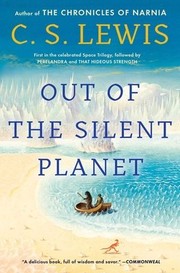
Out of the Silent Planet
A Cambridge philologist is kidnapped and taken to Mars, where the natives are civilized and the humans are the dangerous invaders.
2,612-word summary · 12 min read
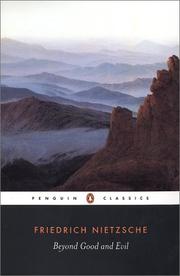
Beyond Good and Evil: Prelude to a Philosophy of the Future
A guide to Friedrich Nietzsche's Beyond Good and Evil: its attack on moral prejudice, the will to power, master and slave morality, and the philosopher of the…
2,597-word summary · 12 min read
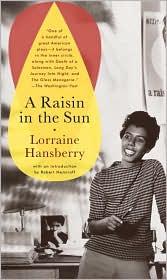
A Raisin in the Sun
Lorraine Hansberry's 1959 play follows the Younger family as a $10,000 insurance check, a house in a hostile neighborhood, and a stolen investment test their…
2,444-word summary · 11 min read
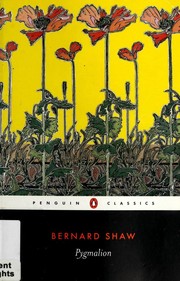
Pygmalion
Higgins bets he can pass flower girl Eliza off as a duchess.
2,521-word summary · 11 min read
Leaves of Grass
Free verse songs of self, America, bodies and democracy.
2,240-word summary · 10 min read
A Canticle for Leibowitz
After nuclear war, monks save books across centuries while the world rebuilds and falls again.
2,381-word summary · 11 min read
The Fall
A fallen Paris lawyer confesses in an Amsterdam bar, tracing guilt from Paris success to a bridge he failed to face.
2,220-word summary · 10 min read
Solaris
Kelvin reaches a silent station above Solaris and finds grief made solid when the ocean returns his dead wife Rheya, testing memory, science, and the limits of…
2,548-word summary · 11 min read
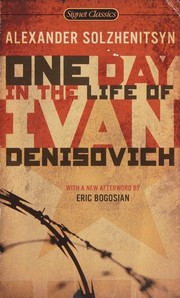
One Day in the Life of Ivan Denisovich
One freezing day with prisoner Shch-854 in a Soviet camp: roll call, bricklaying in the cold, bread rations, and small wins that let Shukhov call the day…
2,668-word summary · 12 min read
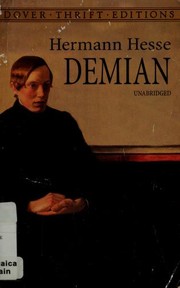
Demian
Hesse's 1919 German classic of Emil Sinclair, from Kromer blackmail to Demian, Abraxas, Beatrice and Frau Eva, ending in war: a short, strange guide to growing…
2,510-word summary · 11 min read
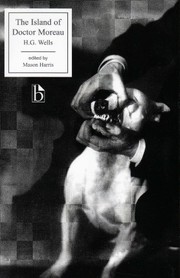
The Island of Doctor Moreau
Shipwrecked Prendick finds Doctor Moreau shaping beasts into men by pain on lost island.
2,137-word summary · 9 min read
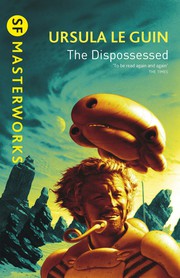
The Dispossessed: An Ambiguous Utopia
Physicist Shevek leaves anarchist Anarres for capitalist Urras to share time theory, finding walls both places.
2,288-word summary · 10 min read
Nausea
Historian Roquentin in Bouville catalogs dread as objects turn strange in Sartre diary novel.
2,134-word summary · 9 min read
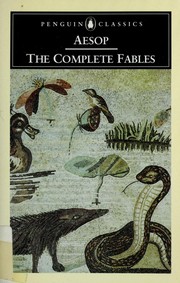
Aesop's Fables
Short animal tales of hares, foxes, ants, and wolves that still sting: old fables in plain modern English.
2,916-word summary · 13 min read
The Glass Menagerie
Tom Wingfield recalls St. Louis life with his mother Amanda and shy sister Laura, until a gentleman caller comes to dinner.
2,953-word summary · 13 min read
A Doll's House
Nora forges a loan to save Torvald, then walks out on doll life at Christmas.
2,468-word summary · 11 min read
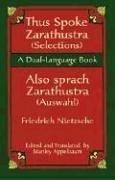
Thus Spoke Zarathustra
A prophet comes down from ten years alone to preach the overman after the death of God.
1,983-word summary · 9 min read
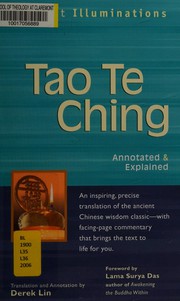
Tao Te Ching: Annotated & Explained
Eighty one brief verses on the Way and effortless action, with Lin's translation and facing notes.
2,140-word summary · 10 min read
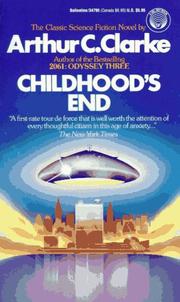
Childhood's End
Silver ships end war and want while Overlords midwife humanity's children into something beyond human.
2,054-word summary · 9 min read
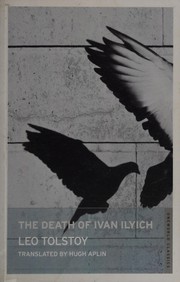
The Death of Ivan Ilyich
A successful judge hurts his side hanging drapes, then faces a long dying where evasive doctors fail him and peasant Gerasim shows what his correct life missed…
2,986-word summary · 13 min read
The Communist Manifesto
Marx and Engels trace class struggle from bourgeoisie to proletarians, review rival socialisms, and close with a call to opposition parties. Notes on the 1848…
2,570-word summary · 11 min read
Paradise Lost
Blind Milton's epic of Satan's revolt, Adam and Eve's fall, and their hard walk out of Eden.
2,963-word summary · 13 min read
Notes from Underground
Dostoevsky's 1864 Notes from Underground follows a bitter retired clerk who rants against reason, then relives a shameful dinner with old schoolmates and his…
3,636-word summary · 16 min read
Walden
Thoreau builds a cabin at Walden Pond and spends two years testing what a person really needs to live well.
2,986-word summary · 13 min read
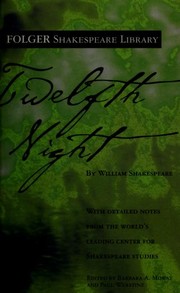
Twelfth Night
Viola disguised as Cesario woos Olivia for Orsino while a forged letter ruins Malvolio in Illyria.
2,546-word summary · 11 min read
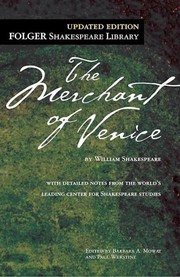
The Merchant of Venice
Antonio borrows from Shylock to fund Bassanio, Portia picks suitors by chests, and a courtroom bond comes due.
2,950-word summary · 13 min read