
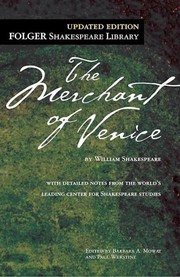
The Merchant of Venice
2,950-word summary 13 min read 304 pages in the book
- First published
- 1600
- Publisher
- Thomas Heyes
- Pages
- 304
- ISBN
- 9780743477567
Reading options
What's inside (8 sections)
I came to this play sideways. I had read Hamlet and Macbeth back to back, both tragedies with bodies on the floor and speeches I half remembered from school, and a friend asked which Shakespeare comedy I actually liked. I did not have a good answer. Someone handed me The Merchant of Venice and said it would fix that gap and complicate it at the same time. They were right. This is officially a comedy. It ends with marriages and music and a joke about rings. But the middle holds a courtroom scene that feels heavier than anything in the tragedies, and a moneylender who has been argued about for four hundred years. The play was first printed in 1600 in a quarto printed by James Roberts and sold by Thomas Heyes at the sign of the Green Dragon in St Pauls Churchyard, and for this summary I followed the Folger text as printed in the Simon and Schuster paperback, the edition listed at 304 pages under ISBN 9780743477567. That modern text keeps the act and scene divisions readers expect and adds the notes and summaries that help with the money law and the Belmont riddles.
The story splits between two places from the start, and Shakespeare cuts between them the way a showrunner cuts between plotlines. Venice is all business, law, ships, and male friendship. Belmont is wealth, music, waiting, and a test set by a dead father. Holding both in your head is the work of the first two acts. Once they join in the trial, the play stops feeling split and starts feeling like an argument about what justice costs and who gets to claim mercy.
Venice opens sad and spends fast
Antonio, the merchant of the title, walks onstage miserable and cannot say why. His friends try to cheer him. Maybe his ships worry him. Maybe love. He shrugs it off. The opening is famous for its flat mood, and I like it because it makes Antonio human in a quiet way rather than heroic. He is rich on paper, with ships at sea, but short on cash in hand. Into this gloom comes Bassanio, his close friend, who needs money for a risky courtship. Bassanio has already borrowed from Antonio and spent it living beyond his means. Now he wants to travel to Belmont and woo Portia, a wealthy heiress. He speaks about her the way young men speak about a prize, her money and her beauty mixed together, and Antonio loves him enough to fund it anyway.
Since Antonio has no ready coin, Bassanio must borrow on Antonio credit. That leads them to Shylock, a Jewish moneylender in a Christian city that insults him and then asks for his help. Their first scene together is uncomfortable in a way that still lands. Antonio has spat on Shylock in public, called him names, undercut his lending by offering interest free loans to friends. Shylock remembers every slight. Antonio asks for three thousand ducats for three months. Shylock answers with the famous bargain offered as a joke, or a trap, depending on how you hear it. No interest. Just a bond. If Antonio fails to repay, Shylock may cut a pound of his flesh. Antonio agrees because his ships will surely return in time. Bassanio warns against it. Antonio signs anyway, out of love and pride and the belief that honorable men do not default.
Around them, the young men of Venice fill out the picture. Gratiano talks too much and knows it. Lorenzo is in love with Shylock daughter Jessica. Launcelot, Shylock servant, wants to leave a hard master for a kinder one and makes a clownish show of the decision, asking his own conscience and even his blind father for advice in a scene that plays like street comedy. These smaller figures matter because they set the tone of Venice as a place where Christians stick together, spend freely, mock outsiders, and assume the law will bend their way. Shylock stands apart in almost every scene, counting, remembering, and waiting. When he explains why he hates Antonio, he lists the abuse plainly. When Antonio asks why he would accept flesh as security, Shylock answers that it has no market value, which is exactly what makes the offer menacing. A man who wants something useless wants something else.
Belmont tests suitors with three chests
Portia lives in Belmont with her waiting woman Nerissa and a problem left by her father will. Suitors must choose among three chests, gold, silver, and lead, and marry Portia only if they pick the one holding her portrait. A wrong choice means leaving and never marrying anyone. The setup sounds like a fairy tale, and Shakespeare plays it that way at first, with princes arriving to fanfare and failing in instructive fashion. The Prince of Morocco picks gold because the inscription promises what many men desire, and finds a skull with a message about show. The Prince of Aragon picks silver because it promises what he deserves, and finds a fool head. Both exits are polite humiliations. Portia watches with wit and impatience, sharp with Nerissa in private, gracious in public.
Bassanio arrival changes the register. Portia actually likes him, which makes the test feel cruel rather than clever. Before he chooses, the two of them talk past the rules a little, stretching time with music and glances. Portia orders a song whose rhyming hints point toward lead, a kindness that suggests she wants him to win without quite cheating. Bassanio reasons his way to the plain chest. Gold and silver are gaudy, he says, and often used to dress up emptiness in courts and churches. Lead, dull and threatening rather than inviting, promises that a man must give and risk rather than take. Inside is the portrait and a poem confirming his win. The scene is romantic and staged, with servants celebrating, and it would feel like the end of a simpler play.
The engagement multiplies quickly. Gratiano, who came along for the ride, announces he has matched with Nerissa. Portia hands Bassanio a ring and makes him swear never to part with it. Nerissa does the same with Gratiano. Rings in comedies are never just jewelry. They are plot devices waiting to cause trouble. Shakespeare sets them gleaming in Act 3 so they can be used against the men later. I admit I smiled at the neatness of it even while knowing the trouble ahead. The doubling of couples, master and servant echoing mistress and maid, is the kind of symmetry Shakespeare loves, and it makes Belmont feel like a world where everything pairs off until Venice breaks in with bad news.
Jessica leaves and the money walks with her
While Bassanio wins in Belmont, Venice turns harder. Jessica, Shylock daughter, is tired of her father house, which she calls hell, and in love with Lorenzo. With Launcelot help she dresses as a boy, slips out during a masque night when Christians fill the streets with torches, and elopes, taking gold and jewels with her. The theft matters as much as the elopement. Shylock loses a daughter and a fortune in one night, and the street gossip mixes both losses into one joke. One report has him crying in public about his daughter and his ducats in the same breath. It is played for laughs by the Christians onstage. Offstage it reads as a father gutted and then mocked for showing it.
I want to slow down here because modern readers feel this stretch differently than the first audiences likely did. Jessica is often staged as sympathetic, a girl escaping a strict parent for love, and Lorenzo speeches about music and the stars encourage that reading. But she also steals from her father, trades a ring her mother gave him for a monkey, and converts to Christianity with a breezy line about being saved by her husband rather than her father. The play lets the lovers be happy about this without pausing on what it cost Shylock or what Jessica gave up to belong. When I first read it, I rooted for the escape. On reread, the lightness bothered me. Shakespeare gives Jessica a lovely image filled farewell to Belmont later, moonlight and nightingales, yet never lets her face her father again. That absence hangs over the comedy.
The money plot tightens at the same time. Antonio ships fail to come home. One is wrecked, another feared lost, the reports piling up in short scenes that feel like bad headlines. Shylock, now publicly shamed and privately grieving, hardens around the bond. He refuses interest, refuses double payment, refuses to explain beyond saying he wants the flesh. Friends call him cruel. He answers by pointing out that Christians in Venice keep slaves and would never free them on moral lectures, so why should he free Antonio on theirs. It is a harsh and effective turn. He is not asking for fairness in general. He is asking why fairness should start with him.
The trial turns law into theater
The trial in Act 4 is the reason this play is still taught, staged, and argued about. The Duke presides. Antonio stands exposed, the bond admitted, the forfeit due. Bassanio offers to pay many times over. Shylock refuses. He has the law on his side in the narrow sense, and he sharpens his knife onstage to prove he means it. Into this dead end walks a young lawyer from Padua, Balthazar, with a clerk in tow. They are Portia and Nerissa in disguise, arrived from Belmont to play lawyers. The Duke accepts them. Shylock welcomes a learned judge. The audience knows what the court does not, and the dramatic irony hums.
Portia first tries the path everyone remembers. She speaks about mercy as something freely given, falling like gentle rain, blessing both giver and receiver, stronger than crowns and scepters. Paraphrased plainly, her point is that justice without mercy is brittle, and that even a creditor who can demand everything should leave room for human softness. Shylock holds firm. He wants the bond. Portia then asks to see it, reads closely, and grants it in full. A pound of flesh. No more, no less. Then she turns the law. The bond allows flesh but not blood. Shylock must cut exactly a pound and spill not one drop, or else face punishment for harming a citizen. What looked like victory collapses into impossibility. She piles on further. By seeking the life of a Venetian citizen through a legal trick, Shylock has triggered a statute that forfeits his goods, half to Antonio and half to the state, and puts his life at the Duke mercy.
The reversal is thrilling on the page and queasy in performance. Antonio, saved, shows little mercy himself. He asks that Shylock keep half his wealth on condition he convert to Christianity and will the rest to Jessica and Lorenzo. The Duke spares Shylock life but takes the fine. Shylock, who came in demanding strict law, leaves stripped of faith, property, and family line, with barely a line to answer. He exits with a short sentence about feeling sick and asking to go. Many productions have him stumble or go silent while the Christians celebrate. I found this the hardest part to sit with. The legal cleverness is brilliant. The human cost is total. Shakespeare gives Portia a triumph and leaves Shylock with nothing, and the play expects applause. Four centuries later the applause sticks in the throat, which may be the most honest response.
The rings close the comedy with a wink
After the courtroom weight, Act 5 feels like fresh air on purpose. Belmont at night. Music. Jessica and Lorenzo trading lines about famous lovers while waiting. Then the return of the men, and Portia and Nerissa spring their trap. They ask for the rings they gave in Act 3. Bassanio and Gratiano have given those rings to the lawyer and clerk who saved Antonio, not knowing they were their own wives. The men make excuses. The women pretend outrage. The joke runs long, with Gratiano adding crude humor, until Portia reveals the truth and returns the rings with news that Antonio ships have come home after all.
Read quickly, the ending restores order. Marriages confirmed. Fortunes restored. Enemies forgiven or removed. Music plays. But I notice how much is smoothed rather than solved. Antonio remains single in a play that marries everyone else, standing a little apart while couples pair off. Jessica gets no scene of return or repair with her father. Shylock is simply gone, unmentioned in the moonlight. The ring trick, funny as it is, also repeats the play habit of women testing men through disguise and documents. Portia saves the day by becoming someone else and using the letter of the law better than the men who live by it. That is satisfying and a little sad, since Belmont wisdom has to dress as Venice law to be heard.
The verse helps the landing. The final act is full of short musical exchanges, starlight talk, and teasing, a deliberate cooldown after the prose heavy bargaining of the trial. If you read it aloud, the rhythm change is clear. Venice scenes argue and count. Belmont scenes rhyme and echo. The play wants you to feel that Belmont heals, and much of the time it works. I still hear an edge underneath, the memory of the knife being sharpened, that keeps the comedy from feeling light. That edge is why directors keep staging it. A pure romance would not need this much moonlight to convince you.
What troubles me and why I keep recommending it
No honest summary can skip the central problem. Shylock is written as a Jewish villain in a city and a time full of prejudice, and the play repeats slurs and stereotypes even as it gives him some of the strongest arguments onstage. His great defense is paraphrased by every student: Jews have eyes, hands, organs, senses, and feelings like Christians, they bleed when pricked and laugh when tickled, so why should they not also seek revenge when wronged. The speech humanizes him and indicts his abusers in the same breath, which is why actors and readers have claimed him as a tragic figure for generations. Yet the plot still punishes him for his faith, forces his conversion, and rewards the Christians who baited him. You cannot fix that by calling the play a product of its time and moving on. The cruelty is structural, not just verbal.
Portia is the other knot. She is clever, funny, and commanding, the clearest mind in Venice once she puts on the robe. She also delivers snobbish lines about the suitors skin and background, and her mercy argument sits oddly beside the merciless settlement she engineers. I admire her stagecraft while disliking parts of what she says and does. That split is useful to name for new readers. Liking a character skill does not require approving of every view the text gives her. Shakespeare often builds mixed figures, and Portia is one of the most mixed. She frees Antonio, humiliates Shylock, tricks her husband, and then hosts the party. Holding all of that at once is the assignment.
Pacing is a smaller but real gripe. The first two acts juggle a lot: loans, masques, elopements, chest tests, servant jokes. Readers new to Shakespeare may lose track of who owes whom and which chest said what. The Gondola and Belmont jumps demand attention, and the Launcelot comedy with his father, funny onstage with business and accents, can drag on the page. I found a cast list and a one sentence map helped. Venice equals debt and law. Belmont equals love and tests. Once that clicks, the cuts feel brisk rather than scattered. Still, this is not the easiest first Shakespeare. A reader who wants a straight romance or a pure courtroom drama may find the blend odd until the trial fuses the halves.
So why recommend it. Because few plays show this clearly how law, money, friendship, and prejudice tangle in ordinary life. Antonio borrows out of love and signs a hateful bond without thinking. Bassanio chases wealth and love together and cannot separate them. Portia uses wit to beat a rigged game and then rigs the ending herself. Shylock demands the letter of the law and is destroyed by a letter he missed. Those patterns travel well beyond Venice. Classrooms use the trial to talk about strict rules against fairness, about revenge that feels justified until it is priced, about comedy that excludes someone to make the joke work. The Belmont chests give a clean way into choices based on show against substance, which teenagers recognize from ads and feeds even if the book language is old.
If you read it, use the Folger notes without shame. The money terms, the references to usury, the chest inscriptions, and the courtroom statutes all benefit from a gloss. Read the trial aloud with two voices if you can. Let someone play Shylock straight, not as a caricature, and hear how the room changes. Then read the final moonlight scene and notice who is missing. A comedy that leaves you thinking about the missing man has done more than entertain. It has asked whether the happy ending was fair and left you to answer. For a 1600 quarto sold by Thomas Heyes, still argued about in the 304 page modern paperback I used, that staying power feels earned even when parts of the play make me wince. It is not comfortable. It is not simple. It is worth the evening.
FAQ
When was The Merchant of Venice first printed, and by whom?
The first quarto was printed in 1600 by James Roberts and sold by Thomas Heyes in London. This summary follows the Folger text in the Simon and Schuster paperback.
What are the three chests in Belmont?
Gold, silver, and lead. Bassanio chooses lead, which warns that a man must give and risk, and finds Portia portrait inside.
How does the trial turn against Shylock?
Portia, disguised as the lawyer Balthazar, grants the pound of flesh but no blood. Seeking a citizen life forfeits Shylock goods and forces his conversion.
Similar books
Twelfth Night
Viola disguised as Cesario woos Olivia for Orsino while a forged letter ruins Malvolio in Illyria.
2,546-word summary · 11 min read
A Midsummer Night's Dream
Four lovers flee to a forest where fairies mix them up, while workmen rehearse a play for a duke's wedding.
2,597-word summary · 12 min read
Rosencrantz and Guildenstern Are Dead
Stoppard's 1966 play retells Hamlet from the wings, where two minor courtiers wait, joke, and walk toward a death they cannot see.
2,021-word summary · 9 min read
The Taming of the Shrew
Petruchio woos sharp-tongued Kate while suitors scheme for sweet Bianca in Shakespeare's rowdy early comedy of marriage and disguise, first printed in 1623.
3,605-word summary · 16 min read
The Tempest
Prospero raises a storm to wreck his enemies on his island, where his daughter meets a prince and old wrongs face trial.
2,890-word summary · 13 min read
Julius Caesar
Brutus joins Cassius to kill Caesar for Rome, then loses Rome to Antony words and Octavius swords.
1,916-word summary · 9 min read
Othello
Iago's lies drive the Moor of Venice to murder his innocent wife in Shakespeare's tragedy of jealousy.
2,409-word summary · 11 min read
Macbeth
Macbeth hears witches hail him king and murders Duncan with Lady Macbeth pushing him on.
4,056-word summary · 18 min read
Hamlet
Hamlet sees his father's ghost in Elsinore and pretends madness to test Claudius and Gertrude while Denmark slides toward duel and death.
2,996-word summary · 13 min read
Romeo and Juliet
Shakespeare's Romeo and Juliet retold: Verona feud, balcony, Friar's plan, and why the last minutes collapse.
2,531-word summary · 11 min read
The Importance of Being Earnest
Jack and Algernon invent Ernest to court Gwendolen and Cecily until fiction collapses.
2,538-word summary · 11 min read

Sonnets & Poems
154 sonnets plus Venus and Adonis and other poems on time, love, and fading beauty.
2,341-word summary · 10 min read
Native Son
Richard Wright's landmark novel follows Bigger Thomas through one panicked night in Chicago and the manhunt, trial and reckonings that follow, exposing the…
2,265-word summary · 10 min read
A Raisin in the Sun
Lorraine Hansberry's 1959 play follows the Younger family as a $10,000 insurance check, a house in a hostile neighborhood, and a stolen investment test their…
2,444-word summary · 11 min read

Pygmalion
Higgins bets he can pass flower girl Eliza off as a duchess.
2,521-word summary · 11 min read
Faust, Part One
A restless scholar bets his soul against one perfect moment, then ruins an innocent girl in Goethe's 1808 verse tragedy.
2,568-word summary · 11 min read
The Glass Menagerie
Tom Wingfield recalls St. Louis life with his mother Amanda and shy sister Laura, until a gentleman caller comes to dinner.
2,953-word summary · 13 min read

A Doll's House
Nora forges a loan to save Torvald, then walks out on doll life at Christmas.
2,468-word summary · 11 min read
So Long, and Thanks for All the Fish
Arthur Dent finds Earth back again and meets Fenchurch, who sensed the planet's odd moment, in Adams's softer fourth Hitchhiker novel from 1984.
2,448-word summary · 11 min read
Hamlet: Screenplay, Introduction and Film Diary
Kenneth Branagh's 1996 book pairs his full four hour Hamlet screenplay with an intro on staging it uncut and a diary from the 70mm shoot at Blenheim Palace.
2,903-word summary · 13 min read
Waiting for Godot
Two tramps wait by a tree for Godot who never comes, with jokes, boots, and silence.
2,045-word summary · 9 min read
Life, the Universe and Everything
Arthur in slippers must stop cricket robots from rebuilding the Wikkit Gate.
2,216-word summary · 10 min read
The Restaurant at the End of the Universe
Arthur Dent flees Vogons, dines at Milliways at the end of time, and strands on prehistoric Earth in Adams' sharp 1980 sequel.
2,749-word summary · 12 min read
A Streetcar Named Desire and Other Plays
Blanche DuBois moves in with Stella and Stanley in New Orleans while her past closes in, plus two more Williams plays.
2,902-word summary · 13 min read
A Confederacy of Dunces
Ignatius J. Reilly, jobless and full of opinions in New Orleans, meets work, his mother, and the law in Toole's posthumous Pulitzer winner.
3,089-word summary · 14 min read
Emma
Emma Woodhouse matchmakes Harriet Smith in Highbury while missing Mr Knightley beside her.
3,369-word summary · 15 min read

The Hitchhiker's Guide to the Galaxy
Douglas Adams' Hitchhiker's Guide retold: Earth's end, Ford, Zaphod, Marvin, and the answer 42.
2,253-word summary · 10 min read
King Lear
An old king divides his realm by flattery, and learns too late which daughter loved him in silence.
2,123-word summary · 9 min read
Much Ado About Nothing
Beatrice and Benedick are tricked into love in Messina while Don John ruins Hero and Claudio's wedding with a cruel window trick.
2,275-word summary · 10 min read

The Long Winter
Dakota Territory, 1880: seven months of blizzards cut a town off from the railroad, and a family survives on twisted hay, ground wheat, and a dangerous wheat…
2,210-word summary · 10 min read