
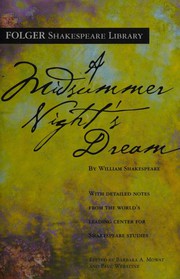
The Taming of the Shrew
3,605-word summary 16 min read
- First published
- 1623
- Publisher
- Edward Blount
- ISBN
- 9780743482813
Reading options
What's inside (9 sections)
I came to The Taming of the Shrew sideways, through a poster for a park production that promised a battle of wits and a wedding gone wrong. I had seen the big tragedies on stage and read the late romances in school, but this early comedy kept slipping past me. So I sat down with a standard paperback text, the one that carries ISBN 9780743482813, and read it in two evenings with a pencil in hand. The play first reached print in the 1623 First Folio, the volume put together after Shakespeare died and published by Edward Blount and Isaac Jaggard. That fact stayed in my head while I read. This is young Shakespeare showing off, loud and fast and ready to please a crowd, long before the quiet control of his later work.
What struck me first is how much play surrounds the play. Before we meet Padua at all, we meet Christopher Sly, a drunk tinker who passes out outside a tavern after a row with the hostess. A lord finds him cold on the ground and decides on a prank with real bite. The lord has his people carry Sly inside, wash him, dress him soft, and tell him he is a great lord who has slept for years and forgotten himself. They set food and drink before him. They hang on his words. They even bring in a page dressed as his loving wife. Then a troupe of players arrives, and Sly settles back to watch their show. That show is the tale of Kate and Bianca. The frame never quite closes in the Folio text, and I kept waiting for Sly to wake up and comment. He does not, at least not on the page as printed. The trick just hangs there, a reminder that all ranks here are costume.
I liked the frame more than I expected. It tells you how to watch. People put on clothes and manners and dare others to believe them. A tinker becomes a lord because servants bow low. A page becomes a lady because the lines say so. Once that game starts, the rest feels of a piece. Lucentio will become a tutor. Tranio will become his master. Hortensio will become a music teacher. Petruchio will play the mad wooer until Kate cannot tell where act ends and man begins. Sly nods along, pleased to be fooled, and I nodded with him. Shakespeare is warming up his favorite device, the world as stage, and testing how far an audience will follow.
A Drunk Tinker And A Play Inside A Play
The induction moves quickly, and it helps to track it in order. Sly quarrels, falls asleep, gets carried to a fine room, wakes in clean linen with attendants around his bed. They tell him he has been mad for years and dreamed he was Sly the tinker. He protests, then softens when wine and food arrive and when his supposed wife enters to welcome him home. The lord whispers to the players to play along and not to laugh Sly out of his new self. Then the players begin.
Why keep this long setup for a comedy about Padua. Partly for laughs. Sly talks plain while servants talk fine, and the clash is funny. Partly for cover. A rough tale about breaking a strong woman sits easier when marked as play inside prank. If the taming offends, well, it is only players pleasing a drunk lord who is really a tinker. I found that dodge telling. Even at the start, Shakespeare seems to know this plot needs padding. The frame lets the harsh parts read as sport. Whether that excuse holds now is another matter, and I will come back to it, because modern rooms argue about little else.
The Folio gives Sly no exit scene, which has teased readers for ages. Some editions note lost pages or cut endings where Sly might wake and stumble home. I read it as printed and let the thread drop. In practice the frame fades once Padua takes over, and most stagings trim it hard. Still, I missed Sly by the final act. After watching men trade clothes and brides trade vows, I wanted the tinker to rub his eyes and ask what it all meant. His absence leaves the main plot less cushioned. What began as a lord's jest ends as straight wedding comedy, and the jest excuse thins out.
Baptista Sets The Terms
Padua opens with a father's rule that drives everything. Baptista Minola has two daughters. Bianca, the younger, is mild and much courted. Kate, the elder, is sharp tongued and quick to strike, feared by suitors and servants alike. Baptista declares that Bianca shall not wed until Kate finds a husband. On paper it sounds like care for the elder child. In practice it turns Kate into a locked gate. Suitors queue for Bianca and curse Kate as the bar across the door. The town calls Kate a shrew, a word the play uses freely and cruelly, and Bianca a prize. From the first scene the sisters are set against each other by a market logic neither chose.
Bianca's suitors crowd in fast. Gremio is old, rich, and sure money should win. Hortensio is younger, proud, and quick to scheme. Both want Bianca and both fear Kate. Lucentio arrives fresh from study with his clever servant Tranio, sees Bianca in passing, and falls hard in the instant way of comedy heroes. Because Baptista wants tutors for his daughters, the young men see a path inside the house. Dress a servant as master. Dress a master as tutor. Slip past the father with books as cover. It is thin as plotting goes, and that thinness is the fun. Padua runs on disguise the way Sly's chamber runs on wine. Everyone agrees to see what the costume claims.
Kate storms through these early scenes, and I want to be honest about how she reads now. She snaps at men who circle her sister. She ties Bianca's hands in one ugly sibling scene and demands to know which suitor the younger girl favors. She breaks a lute over Hortensio's head when he poses as a music teacher and corrects her. Some of this plays as spirit. Much of it plays as pain. Kate knows the town shops her as problem to be solved. She knows her father dangles her as price for Bianca's freedom. Her rage makes sense even when her acts repel. Shakespeare gives her wit enough to wound, then gives the men lines that paint her as monster. Reading alone, I felt for her more than the plot wants. On stage with pace and noise, I can see how a crowd might laugh. Alone with the page, the laughter sticks.
Suitors In Disguise
The middle of the play belongs to scheming, and it helps to keep the pairs straight. Lucentio swaps clothes and place with Tranio. Tranio, now dressed as his master, joins the bidding for Bianca and charms Baptista with rich talk. Lucentio, now dressed as a Latin tutor called Cambio, enters the house to teach Bianca andwoo her over books. Hortensio takes his own disguise as a music teacher to reach her too. Gremio hovers with age and coin and loses ground by being dull. Bianca, supposed to be the meek prize, reads the room fast. She favors the false tutor, trades secret words with him during lessons, and keeps sweet manners for her father while choosing for herself.
These lesson scenes charmed me most on this read. Latin lines turn into love notes. Scales turn into flirting. Bianca, so quiet in public, shows nerve in private. She tells one tutor his fingering is off. She tells another to stick to the text. She manages two wooers at her desk while her father nods nearby, pleased his girls learn. Tranio meanwhile plays master with ease, promising rich dowry and calling for a father to seal the match. When a real father is needed, the crew drags in an old traveler to pose as Lucentio's dad. The lies stack high and hold because Baptista wants them to hold. He wants Bianca settled. He wants Kate moved. Paper and vows will sort the rest.
Hortensio drops out of the race with bruised pride and finds a widow to court instead, which the play treats as his consolation. Gremio gets left holding his purse strings while younger men act. I felt a small pang for Gremio, used as punchline for age, and then moved on, because the play moves on fast. Farce does not pause for the losers. It sorts winners and rushes to church. The key point for later is simple. While Kate faces loud trials in public, Bianca runs a quiet plot of her own. She obeys in manner and disobeys in fact. She will elope before the final feast cools. The meek daughter proves as willful as the wild one, only smoother.
Petruchio Comes Courting
Petruchio rides in as Hortensio's friend and answers the town's wish. He needs a rich wife. Kate needs a husband so Bianca can wed. He does not flinch at her name. Where others hear shrew and step back, he hears dowry and steps close. His first meeting with Kate is a long duel of insults, puns on names, quick threats, and feigned deafness to her no. She calls him out. He twists her words into praise. She strikes him. He vows to wed her anyway and tells Baptista the match is made. Baptista, relieved, sets the day. Kate says she will not go. Nobody listens. That non listening is the point and the problem. The comedy treats her refusal as part of the game.
The wedding is staged as chaos by design. Petruchio arrives late, dressed badly, riding a poor horse, acting wild before priest and guests. He swears at the altar, drinks to the bride, throws food, and carries Kate off before the feast instead of sitting to eat. Guests gape. Baptista frets. Kate burns with shame. Petruchio calls it love that cannot wait. Reading it, I saw method under the mess. He wants Kate off balance, cut from kin, set on his ground where his rules run. He wants the town to see him as mad enough that none will step in. It works. Nobody stops him. The bride leaves hungry on her wedding day while music plays for guests she left behind.
What follows is the taming stretch, and I will keep it general rather than linger on each harsh beat. Petruchio carries Kate to his country house and runs it as a trial. Food arrives and is found faulty. Rest is promised and then broken by noise and worry. Clothes are ordered, praised, and then refused as unfit. Servants scurry and get blamed. Horses stumble. Roads drag. Through it all Petruchio speaks of care while dealing lack. He says he starves her for her health. He says he keeps her wakeful for her rest. He frames control as love so steady that Kate must either bend or break. Modern readers will hear control dressed as care, and that phrase stayed with me through these acts. The play calls it falconry and husbandry, training a wild bird to the lure. The image is honest about power even as the verse tries to gild it.
Kate responds the way a tired person does. She hungers. She frets. She sleeps ill. She argues less because argument needs fuel. Then Petruchio turns gentle in flashes, offering food as gift when she asks sweetly, praising small soft words as if they were feats. The shift works on her because want is real. A kind word after days of noise lands hard. I found these pages hardest to take, not because they shock with gore but because they grind. Farce pace hides the grind on stage. On the page the days pile. Kate, who entered swinging, starts to watch Petruchio for cues. Some productions play this as stockholm with smiles. Some play it as two outsiders forging a private pact against a dull town. The text allows both, though the acts stay rough either way.
Wedding Chaos And The Road Home
The road back to Padua gives the play its strangest and most telling scene. Petruchio tests Kate with sun and moon, calling noon midnight to see if she will agree. She does agree, then turns it neat by saying what he says is true because he says it. Later he hails an old man as a young maid and bids Kate greet him so. She plays along with grace, then amends with wit when the man proves old. Directors love this passage because Kate can play it many ways. Mocking. Weary. Canny. Tender. I read it as survival with style. Kate learns the trick Sly learned in the lord's chamber. Say the room is fine and the wine is good, and the room treats you fine. Agree in words and keep your mind.
Lucentio's plot peaks around the same time with a secret wedding. While fathers haggle over dowry and fetch a false parent to sign, the young pair slip to a church and marry in truth. Bianca chooses Lucentio without Baptista's leave and dares the fallout. Tranio drops his master mask when safe. The false father slips away. Baptista rages and then settles when money and marriage prove real. The town that barred Bianca until Kate wed now must bless two brides at once. I liked Bianca more here than anywhere else. Told to wait as goods, she acts as agent. Her obedience speech at the end should be read with this elopement in mind. She knows how to play meek and strike when doors open.
Petruchio and Kate arrive to feasts and jibes. The men tease Petruchio about his wild wife. The women trade barbs across tables. Wine flows. The mood is loud in the way weddings get when relief runs high. Kate no longer swings at all who mock. She watches. She answers short. Something in her has thinned, or deepened, based on your view. Shakespeare sets the board for the final wager with care. Husbands will call their wives and see who comes. It is a crude test, meant as sport after meat. Like Sly's prank, it treats persons as proofs. The room laughs before the wives are even sent for. That laugh told me what the room values. Rule kept sweet matters more than minds kept free.
Bianca Gets Her Ending
The wager lands as the play's comic payoff and moral knot. Lucentio calls Bianca. She sends word she is busy. Hortensio calls his widow. She refuses with tart lines. Petruchio sends for Kate, half in jest, and Kate comes. The room turns. She even fetches the other wives and brings them back to face the men. Guests praise Petruchio's luck. Baptista pays out and marvels at changed Kate. Then Kate speaks at length on how wives should bend to husbands, at Petruchio's bidding, before all.
Before judging that speech, it helps to place Bianca's arc beside Kate's. Bianca begins as treasure and ends as truant. She obeyed her father in public while wedding in secret. When called, she does not come. Her disobedience draws laughs because it is quiet and wifely in form. I do not come now, she says through a servant, busy. The room chuckles at Lucentio's fall. Kate, begun as rebel, ends as preacher of soft ways. She comes when called and then lectures those who did not. The swap is neat and bleak. The daughter trained to obey learns to refuse. The daughter trained by refusal learns to preach obeying. Shakespeare may mean it as balance. It reads now as trade of cages.
I kept thinking about fathers here. Baptista sets the market, Hortensio and Gremio bid, Lucentio cons with books, Petruchio buys bold. Women move within gaps men leave. Bianca uses lessons as cover. Kate uses wit as shield until hunger dulls it. The widow uses sharp talk to hold room. None of them writes the terms. Even Bianca's brave elopement ends inside marriage law that favors husbands. That is Padua. Money talks, fathers sign, priests bind. Love slips through in tutor scenes and road scenes, but law holds the frame. A modern viewer used to freer plots will feel the walls. An early modern crowd might have felt only the fun of seeing walls hold.
The Obedience Speech And Why It Still Stings
Kate's final speech runs long, and productions handle it in starkly different ways. She tells wives their husbands work hard, face danger, guard homes, and deserve soft thanks. She calls a frowning brow a muddy spring and bids women place hands under husbands' feet if asked. Petruchio beams. The men applaud. Bianca and the widow stand silent or smirk based on staging. On the page the words sit flat and hard. Is Kate sincere, broken, ironic, or gaming the room for peace. The text does not say. Actors must choose, and their choice colors the whole night.
I tried three readings in my head. First, straight. Kate has learned Petruchio's creed and speaks it true, grateful for order after storm. This fits the taming frame and pleases those who want shrew made wife. It also turns my stomach, because the cost reads clear in prior acts. Hunger and lack should not buy thanks. Second, sly. Kate plays the room, saying large words with a wink to Bianca, buying quiet at home by paying noise at feast. This fits her wit and the Sly frame of saying what power wants. It saves her mind while spending her voice. Third, tired. Kate speaks to end the night, to get to bed, to stop men wagering on women. She gives them doctrine so they will drink and sleep. This fits her late short answers and low fire.
Stage history favors the second and third now. Many modern productions tip Kate with irony, have her hold Bianca's eye too long, or let her voice crack on command lines. Some set the speech as deal between equals who fooled Padua to live free. Some cut lines to soften the blow. Some lean into discomfort and let silence after land cold. Outdoor shows I have seen lean broad, with Petruchio as clown and Kate as straight spark, which pulls laughs but thins sense. Indoor rooms lean darker, with food and sleep denial played near real, which kills laughs and raises heat in talkbacks. Both can work as theater. Neither erases the page. The speech as written asks wives to kneel in thanks for rule. A wink cannot unsay the lines. It can only frame them.
This is where fair criticism belongs. The taming plot now reads harsh, and the gender politics feel dated in ways laughter cannot always cover. Petruchio's method is control through want, praised as cure. Kate's consent to wed is waved past. Servants get cuffed for laughs. Bianca gets traded with dowry math. The farce engine needs these moves, and the verse carries them fast, but speed is not excuse. Readers new to Shakespeare should know this before they start. If you prize fellow feeling and fair dealing between lovers, much here will grate. That does not make the play worthless. It makes it a record of what one crowd found funny, and a test of what we still stage and why.
There is craft worth naming even while naming harm. The verse moves. The puns snap. The disguise machine runs without snag. Petruchio has a big coarse verve that fills rooms. Kate has flashes of wit that deserve better plot. Grumio the servant earns laughs with plain sense. Tranio runs the con with style. Baptista blusters in fine father fashion. As plot engine, the wedding wager is neat. As language lesson, the sun and moon passage shows how power bends speech. As theater game, Sly's frame still intrigues. I can hold both truths without strain. The play is well built and ill minded in turns. Skill does not clean intent, and intent does not erase skill.
Who should read it and how. If you teach or study Shakespeare, read it early in his run, before the middle comedies find kinder wit. Pair it with Much Ado About Nothing to see how Beatrice keeps voice where Kate loses hers, and with the later problem plays to see control curdle. If you watch it, pick a staging that states its view plain. Ironic Kate or straight Kate changes the night. Ask before you bring teens what the room will do with hunger and obedience lines. Some schools now use cut texts or frame talks, and that care helps. If you want a first comedy that charms without sting, start elsewhere on the shelf. If you want to see the canon wrestle its own past, start here and argue after.
I closed my copy glad I had read it and unsure I would rush back. Sly's chamber stayed with me longest, that drunk man in soft sheets learning to call black white because all bow. Kate on the road stayed next, agreeing the moon is sun to earn rest. Bianca at her desk stayed too, trading Latin for love while father nodded. Three pictures of persons bending speech to suit power. Shakespeare meant them as jests stacked in a holiday frame. Time has thinned the frame and left the bending. That is why rooms still fight about this play. It shows the trick too well to stay light.
FAQ
When was The Taming of the Shrew first published?
It first reached print in the 1623 First Folio, published by Edward Blount and Isaac Jaggard after Shakespeare's death. This summary follows a standard paperback text carrying ISBN 9780743482813.
Who are Kate and Bianca?
They are the daughters of Baptista Minola of Padua. Kate is the sharp-tongued elder daughter, and Bianca is the younger sister courted by Gremio, Hortensio, and Lucentio.
Why is the play debated today?
Petruchio's taming of Kate and her final obedience speech strike many readers as cruel and unequal. Modern stagings often play Kate as ironic or tired to soften or question those scenes.
Similar books
Twelfth Night
Viola disguised as Cesario woos Olivia for Orsino while a forged letter ruins Malvolio in Illyria.
2,546-word summary · 11 min read
The Merchant of Venice
Antonio borrows from Shylock to fund Bassanio, Portia picks suitors by chests, and a courtroom bond comes due.
2,950-word summary · 13 min read
A Midsummer Night's Dream
Four lovers flee to a forest where fairies mix them up, while workmen rehearse a play for a duke's wedding.
2,597-word summary · 12 min read
Rosencrantz and Guildenstern Are Dead
Stoppard's 1966 play retells Hamlet from the wings, where two minor courtiers wait, joke, and walk toward a death they cannot see.
2,021-word summary · 9 min read
Hamlet: Screenplay, Introduction and Film Diary
Kenneth Branagh's 1996 book pairs his full four hour Hamlet screenplay with an intro on staging it uncut and a diary from the 70mm shoot at Blenheim Palace.
2,903-word summary · 13 min read
Sonnets & Poems
154 sonnets plus Venus and Adonis and other poems on time, love, and fading beauty.
2,341-word summary · 10 min read
The Tempest
Prospero raises a storm to wreck his enemies on his island, where his daughter meets a prince and old wrongs face trial.
2,890-word summary · 13 min read
Julius Caesar
Brutus joins Cassius to kill Caesar for Rome, then loses Rome to Antony words and Octavius swords.
1,916-word summary · 9 min read
Othello
Iago's lies drive the Moor of Venice to murder his innocent wife in Shakespeare's tragedy of jealousy.
2,409-word summary · 11 min read
Macbeth
Macbeth hears witches hail him king and murders Duncan with Lady Macbeth pushing him on.
4,056-word summary · 18 min read
Hamlet
Hamlet sees his father's ghost in Elsinore and pretends madness to test Claudius and Gertrude while Denmark slides toward duel and death.
2,996-word summary · 13 min read
Romeo and Juliet
Shakespeare's Romeo and Juliet retold: Verona feud, balcony, Friar's plan, and why the last minutes collapse.
2,531-word summary · 11 min read
Revolutionary Road
A Connecticut couple who believe they are too good for the suburbs plan to move to Paris, and the plan slowly exposes everything they cannot say to each other.
2,085-word summary · 9 min read

Howards End
Forster's 1910 novel follows two families, a house in Hertfordshire, and a burned note, asking whether money and feeling can ever be connected.
2,187-word summary · 10 min read
The Gift of the Magi
A young couple with almost no money each sells the thing they treasure most to buy a Christmas present for the other.
1,978-word summary · 9 min read
The House of Mirth
Lily Bart, beautiful and penniless at twenty-nine, navigates New York's marriage market until a Dorset yacht scandal strips her of the only currency she has.
2,468-word summary · 11 min read

Pygmalion
Higgins bets he can pass flower girl Eliza off as a duchess.
2,521-word summary · 11 min read
Shopaholic Ties the Knot
Becky Bloomwood plans two weddings at once while debts pile up and Luke's mother interferes.
2,218-word summary · 10 min read
Vanity Fair
Becky Sharp schemes her way up Regency society while loyal Amelia waits, in Thackeray's witty novel without a hero.
2,698-word summary · 12 min read
Lady Chatterley's Lover
A baronet's wife, starved in a marriage the war broke, takes the gamekeeper as her lover. Lawrence's banned 1928 novel of class and touch.
2,566-word summary · 11 min read
Ethan Frome
In snowy Starkfield, farmer Ethan Frome falls for his wife's young cousin Mattie, and one sled ride ends any hope of escape.
2,558-word summary · 11 min read
This is Where I Leave You
A separated husband sits shiva for seven days with his siblings after his father's death.
2,818-word summary · 13 min read
The Rosie Effect
Married in New York, Don Tillman turns Rosie's pregnancy into research and nearly loses her, until a crisis forces him to listen.
2,869-word summary · 13 min read
Tender Is the Night
Dick Diver marries his patient Nicole, and their Riviera marriage slowly breaks apart in Fitzgerald's 1934 novel of money, care, and drinking.
2,607-word summary · 12 min read
A Doll's House
Nora forges a loan to save Torvald, then walks out on doll life at Christmas.
2,468-word summary · 11 min read

So Long, and Thanks for All the Fish
Arthur Dent finds Earth back again and meets Fenchurch, who sensed the planet's odd moment, in Adams's softer fourth Hitchhiker novel from 1984.
2,448-word summary · 11 min read
Middlemarch
Idealistic Dorothea marries dry scholar Casaubon while ambitious doctor Lydgate marries Rosamond, and a Midlands town watches both marriages strain.
2,883-word summary · 13 min read

Stoner
William Stoner trades farm life for literature, then endures a cold marriage and petty campus wars in John Williams's quiet classic.
2,282-word summary · 10 min read
The Awakening
Edna Pontellier summers on Grand Isle and starts to want a life beyond marriage and motherhood.
2,262-word summary · 10 min read

Life, the Universe and Everything
Arthur in slippers must stop cricket robots from rebuilding the Wikkit Gate.
2,216-word summary · 10 min read