
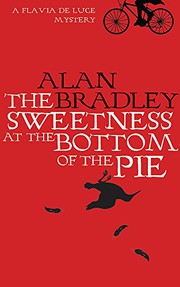
The Sweetness at the Bottom of the Pie
3,096-word summary 14 min read 304 pages in the book
- First published
- 2009
- Publisher
- Orion Books
- Pages
- 304
- ISBN
- 9780752891934
- Series
- Flavia de Luce (#1)
Reading options
What's inside (8 sections)
I grabbed this one after a friend kept telling me I would like the kid in it more than the mystery itself, and she was right in a way that made me keep reading late. The Sweetness at the Bottom of the Pie by Alan Bradley came out in 2009 from Orion Books, 304 pages in the edition I am citing here, and it opens the Flavia de Luce series as book one. I knew only the setup going in, that an eleven year old girl who loves chemistry finds trouble in a sleepy English village in 1950, and that her family home is half falling apart. What I did not expect was how much voice would carry the whole thing, or how willing I would be to follow a child narrator through poison lore and stamp talk just because she makes both sound fun.
Flavia Sabina de Luce is eleven, the youngest of three sisters, and she narrates with total confidence. She lives at Buckshaw, a big old house in the English countryside that used to mean something grand and now mostly means drafty rooms and money worries. Her father, Colonel de Luce, is a quiet stamp collector who seems distant and tired. Her oldest sister Ophelia, called Feely, is seventeen and wrapped up in herself and boys and clothes. Her middle sister Daphne, called Daffy, is thirteen and always reading, always ready with a cutting remark. Their mother died when Flavia was small, and her absence sits over the house without anyone talking about it straight. The one adult who actually pays attention to Flavia is Dogger, her father’s former batman from the war, now the odd job man and gardener and steady presence who has his own fragile spells. Flavia loves him and worries about him, and that soft spot makes her easier to like.
And then there is Flavia’s lab. Up on the top floor she has her great uncle’s old chemistry setup, jars and burners and notebooks, and she has taught herself a startling amount about poisons. She is not doing school experiments. She is the sort of kid who reads about alkaloids for fun and keeps notes on what kills and how fast. Her sisters tease her for smelling of chemicals. Her father barely registers it. Dogger half approves and half frets. For Flavia, chemistry is comfort and power both, a place where the world makes sense when her family does not.
Buckshaw in the summer of 1950
The book plants you firmly in 1950 in a village called Bishop’s Lacey, and Bradley takes his time letting the place settle around you. I liked this part more than I thought I would. Buckshaw feels damp and dusty and full of old paper. The lanes are narrow. Everyone knows everyone else’s business but pretends not to. The vicarage and the church and the little shops all get their turn. The summer heat makes everything slow, which fits because Flavia is bored out of her mind when we meet her.
Early pages are mostly family war. Feely torments Flavia in that precise older sister way, stealing and hiding and mocking. Daffy watches and quotes books and picks sides when it suits her. Flavia plots revenge with chemistry, which tells you a lot about her. She is not a sweet kid detective in the usual mold. She is prickly and clever and holds grudges. One of my favorite early stretches is just Flavia plotting against Feely and then getting distracted by something odd in the house, because it shows how her brain jumps from petty to curious without pause.
Her father is remote in a way that feels true to that time and class. Colonel de Luce spends hours with his stamp collection and barely speaks at meals. You get the sense he loves his daughters but has no idea how to reach them after his wife’s death. Money is tight. The estate is crumbling. He carries some old worry that Flavia only half understands. Dogger moves through these scenes quietly, making tea and fixing things and watching Flavia with kindness. When Dogger has one of his bad turns, Flavia’s panic is real, and it gives the opening a weight that pranks alone would not have.
Buckshaw itself works like another character, full of locked rooms and old letters and family history that Flavia only partly knows. Bradley does not rush to explain everything. He lets Flavia wander and notice. That wandering pace will bother some readers, I will admit that now, because the crime does not crash in right away. But for me the slow start paid off, since when the dead bird appears it lands harder against all that normal summer boredom.
A dead bird and a strange stamp
The hook, kept general here because I do not want to overstate details I might misremember, goes like this. Flavia finds a dead bird on the doorstep in the morning, and there is something placed in or near its beak that points to stamps. If you know the title you can guess stamps matter a lot in this book. Flavia, who notices everything, connects the bird to a quarrel she half overheard involving her father the night before. A stranger had words with Colonel de Luce. Harsh words. Flavia does not know what about, only that her father looked shaken in a way she has never seen.
That same day her father’s study feels different. He is pale and short with the girls. Dogger is tense. The village feels watchful. Flavia snoops, because of course she does, and finds hints that the stranger and her father share some past tied to collecting. Rare stamps. Old school ties. A debt or a shame from years back. Bradley keeps this part misty on purpose. Flavia is eleven and piecing together adult history from overheard bits and library books, so the reader is also piecing. I found that fun rather than frustrating, though I can see why someone wanting a tidy police procedural might fidget.
What sells it is Flavia’s reaction. She is not scared in the way an adult would be. She is thrilled and insulted and curious all together. Thrilled because something real has finally happened at Buckshaw. Insulted because no one will tell her anything. Curious because chemistry might actually help. She starts asking around the village in her blunt kid way, about the stranger and about birds and about who knew her father back in the day. People brush her off, which only sharpens her.
A small note on craft here. Bradley does not give you a coroner report style opening. He gives you a child’s eye view, so clues arrive sideways. A comment from the vicar. A look from Dogger. A stamp magazine left open. I kept thinking I had it figured out and then realizing Flavia had skipped a step I needed. That is part of the charm, and part of the risk, since the mystery itself moves at the speed of an eleven year old on a bicycle.
Father in trouble and Flavia on the case
Then a man is found dead in the garden at Buckshaw, and everything tips. I will keep the how and the where general, since the pleasure is in watching Flavia react, but the police come and the house that felt sleepy suddenly feels exposed. The dead stranger from the quarrel is the victim. Poison looks likely. And because of the quarrel and because of what is found, suspicion falls on Colonel de Luce.
Flavia cannot believe her father would kill anyone, but she also realizes she barely knows him. That tension drives the middle of the book. Outwardly the Colonel goes very still and formal, the old soldier shutting down. Inwardly Flavia panics. If her father is taken away, what happens to Buckshaw and to Dogger and to her sisters and to her? Feely cries and rages. Daffy retreats into books and sarcasm. Dogger tries to hold things together and clearly knows more than he says about the past. Flavia decides, in the absolute way only an eleven year old can, that she will solve it herself and clear him.
So she becomes a detective on a bike. She rides to the vicarage to pump the vicar for gossip. She hangs around shops and listens. She visits neighbors who knew her father as a boy. She reads up on poisons in her lab books and tests ideas with small experiments that made me grin and also made me glad no adult was watching too closely. She lies when she needs to, charms when she needs to, and sulks when grownups see through her. Her methods are not legal or safe, but they fit her age. She trades on being underestimated.
The police inspector in charge is decent but slow by Flavia’s standards, and Bradley has fun with that gap. Flavia will learn something from a church record or a stamp catalogue and assume the police are idiots for not seeing it. Sometimes she is right. Sometimes she misses the adult meaning entirely. I liked those misses. When she misunderstands a marriage or a friendship or a money trouble, it reminds you she is still a child, even with her big vocabulary.
Her devotion to her father is the engine, even though they barely talk. She wants his approval so badly it aches. Every clue she chases is also a question about him. Who were you before we were born? What did you do in the war years and at school? Why do stamps matter so much? The mystery plot and the family plot braid together here, and that kept me going through slower village interviews that on their own might have dragged.
Poisons, the lab, and sneaking around Bishop's Lacey
Let me talk about the chemistry, since it is the reason most people pick up this series. Flavia’s lab scenes are a delight. She talks through extractions and reactions the way other kids talk about football. She knows which plants in the garden can kill and which only make you sick. She keeps careful notes. She loves the old books with their careful plates and Latin names. Bradley clearly loves this stuff too, and he gives Flavia room to lecture without making it feel like school. I learned bits about how poison can be hidden in food or drink and how hard it can be to trace without modern tests, all folded into her plotting.
There is a fun push and pull in these chapters. On one hand, Flavia’s knowledge lets her see things adults miss, like how a poison might have been given or how long it would take to act. On the other hand, her confidence outruns her wisdom. She handles things she should not handle. She tastes and smells things she should not. She sneaks out to test theories. Dogger warns her. Daffy mocks her. Feely threatens to tell. Flavia does it anyway. If you are a parent reading this, you will wince more than once.
Her rides around Bishop’s Lacey give the book its cozy texture. The vicar and his wife, the local pub talk, the churchyard, the fete planning, the post office queue, all of it feels lived in. Flavia collects village history like specimens. Who was at school with her father? Who collects? Who owes whom? Who was seen where that morning? She writes things down in her notebook with great seriousness, then loses her nerve or her temper at exactly the wrong moment. One stretch where she tries to interview an older collector and ends up arguing about catalogues made me laugh out loud, because Flavia cannot hide that she thinks most adults are dim.
That is also where a fair criticism belongs. Adults in this book often are dim so Flavia can shine. The inspector misses obvious paths. Neighbors tell an eleven year old far too much. The vicar talks freely. Even Dogger, who is sharper than most, holds back key facts for a long time for reasons that feel more like plot need than real motive. If you like your mysteries airtight, this will nag at you. I let it pass because the voice carried me, but I noticed it.
Another small drag is pace. There are long interview loops in the middle where Flavia learns a little, bikes home, fights with Feely, tests something in the lab, then bikes out again. The rhythm repeats. I enjoyed the lab bits enough to forgive it, yet twice I checked how far I had left. Readers who want fast twists should know this is a slow village simmer, not a thriller.
Sorting the village and facing the killer
Without spoiling the final turn, the back third tightens around stamps and old school history. Flavia digs into what made a certain stamp so wanted, and why her father and the dead man both cared. It involves school days, a wartime past, and a secret that powerful people wanted kept. Flavia reads old letters and yearbooks and stamp journals, and Dogger finally fills in pieces he should have shared earlier. The picture that forms is sad more than shocking. Grown men holding onto boyhood grudges. Money and pride mixing. A mother’s absence echoing in choices her husband made long before Flavia was born.
Flavia’s big insight comes from chemistry plus kid logic. She thinks about means, not just motive. Who could have handled the poison? Who knew how it worked? Who had access to the garden and the house that night? She reenacts steps in her head and then, recklessly, in person. Bradley stages the confrontation in a way that fits the series start, meaning Flavia gets herself into real danger because she cannot resist proving she is right. Dogger’s role here is moving. He is unwell and brave together, and his loyalty to the Colonel and to Flavia both shows in what he does, not in speeches.
The solution, kept broad here, ties the dead bird and the stamp and the poison into one chain. It clears the Colonel, though not without cost to how Flavia sees him. He is not a murderer, but he is not innocent of old mistakes either. That felt right to me. A cozy that lets its patriarch stay flawed earns more trust than one that washes everyone clean. The final village fallout is quiet rather than showy. No courtroom fireworks. Just talk in shops and a house trying to breathe again.
I should say the killer reveal will not surprise seasoned mystery readers. I had the shape of it early, if not the exact mechanism. What surprised me was how much I cared about the why. Bradley gives the culprit a human reason rooted in shame and love and years of silence, not a cartoon motive. Even Flavia, who can be merciless, softens a little when she sees the full cost.
Short paragraph for emphasis.
Then a longer one to settle. After the danger passes, Flavia does not get a big hug and a speech from her father, because that would not be this family. She gets something smaller and truer. A look. A shared moment over stamps. A sign that he sees her cleverness and her loyalty, even if he cannot say it well. For a girl who has spent the whole book shouting to be noticed, that small crack of attention lands hard, and Bradley is wise to leave it understated rather than turning Buckshaw into a warm hug house overnight.
What worked and what wore thin
What worked most is Flavia herself. Her voice is specific and funny and smart without feeling like an adult in a kid suit, most of the time. She says things like she pities anyone who does not know the Latin name for a weed. She narrates bike rides like expeditions. She describes Feely’s vanity with total scorn and then admits she wants Feely to like her. That mix of arrogance and need feels true to eleven. Dogger is the other win. His gentleness and his spells give the book heart, and his war shared past with the Colonel adds depth without lectures.
The setting also worked for me. Bishop’s Lacey in 1950 feels post war tired but still neighborly, with rationing memory fresh and class lines clear. Bradley gets the food and the clothes and the manners right without showing off. The vicarage scenes, the church fete talk, the shopkeepers who remember the de Luce family from better days, all of it builds a world where a rare stamp could actually matter enough to kill for. And the poison lore, handled with care and without how to instructions that feel irresponsible, makes the detection feel hands on.
Now the fair knocks, since no book this loved is perfect. First, Flavia can be too much. Her vocabulary and chemistry mastery stretch belief, even for a gifted child. An eleven year old who reasons like a trained toxicologist and quotes history while biking will charm many readers and tire others. I tired once or twice, especially when she lectured an adult who just stood there and took it. Second, the middle sags, as I said. Village interviews blur. Third, the adults step aside too neatly. Police procedure is thin. The inspector exists to be outpaced. If you want realism, look elsewhere.
Would I press it on a friend? Yes, with a note. If you like cozy mysteries with a strong narrator and you can accept a precocious child at the center, start here. If you need grit or pace or airtight logic, this will feel slight. For me, the trade was worth it. I finished wanting to visit Flavia’s lab again, which is odd because I hated chemistry at school, and I finished liking the Colonel more than I expected, which is odd because he barely speaks. That is the trick of the book. It makes a cold house feel worth returning to, and it makes a strange little chemist feel like someone you once knew.
I will be back for book two, mostly to see if Flavia grows or just gets sharper, and to spend more time with Dogger, who feels like the moral center hiding in the shed. The Sweetness at the Bottom of the Pie does not reinvent mystery. It just gives the old village puzzle a new pair of eyes, sharp and young and a little smudged with chemicals, and that turns out to be enough.
FAQ
When was The Sweetness at the Bottom of the Pie published?
It was published in 2009 by Orion Books in a 304 page edition with ISBN 9780752891934.
Is it part of a series?
Yes. It is book one in the Flavia de Luce series, which follows eleven year old Flavia.
Who are the main characters?
Flavia de Luce, her father Colonel de Luce, her sisters Ophelia and Daphne, and Dogger, plus village neighbors around Bishop's Lacey.
Similar books
More from Flavia de Luce first, then related titles.
Last Night at the Telegraph Club
The 2021 National Book Award winner follows Lily Hu, a Chinese American teenager in 1954 San Francisco, as she falls for Kath and learns what it costs to be…
2,336-word summary · 10 min read

What She Knew
Rachel lets her eight-year-old son run ahead in a Bristol park, and the nine-day search turns her into a suspect in the public eye.
2,952-word summary · 13 min read
What Moves the Dead
Alex Easton arrives at the Usher house to find Madeline dying, the tarn full of fungus, and the local hares refusing to stay dead.
2,586-word summary · 11 min read

The Crying of Lot 49
A California woman named executor of her ex-lover's estate follows a muted post horn into a possible centuries-old postal conspiracy, and Pynchon refuses to…
2,003-word summary · 9 min read

The Beach House
A young valet is beaten to death at a Hamptons party, and his law-student brother spends a year building a case against the family that covered it up.
2,049-word summary · 9 min read
The Art Forger
A disgraced Boston painter agrees to copy a Degas stolen from the Gardner Museum, then begins to suspect the original she is copying is itself a forgery.
2,117-word summary · 9 min read
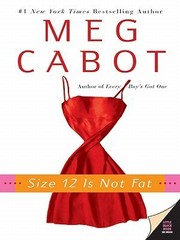
Size 12 Is Not Fat
Former teen pop star Heather Wells investigates two dorm elevator deaths while juggling her ex, her crush, and a size-12 wardrobe.
2,805-word summary · 12 min read

Six Years
A professor who promised to forget the woman he loved sees her husband's obituary and discovers that the wedding, the marriage, and the woman herself may never…
2,076-word summary · 9 min read

Revolutionary Road
A Connecticut couple who believe they are too good for the suburbs plan to move to Paris, and the plan slowly exposes everything they cannot say to each other.
2,085-word summary · 9 min read

How the Light Gets In
Gamache investigates the murder of the last Ouellet quintuplet while the Sûreté he served is dismantled from inside by the man who took his protégé.
2,279-word summary · 10 min read
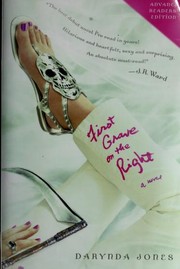
First Grave on the Right
Charley Davidson is a private investigator in Albuquerque and the grim reaper. When three murdered lawyers come back as ghosts, her two jobs collide.
2,770-word summary · 12 min read

Bury Your Dead
Recovering from a failed raid that killed his officers, Gamache investigates a murder in a Quebec City library while Beauvoir reopens a case in Three Pines.
2,022-word summary · 9 min read

Anatomy: A Love Story
In 1817 Edinburgh, a noblewoman who wants to be a surgeon disguises herself to study anatomy and falls for the grave robber who supplies her with bodies.
2,031-word summary · 9 min read

The Trespasser
A Dublin Murder Squad detective investigates a staged dinner-party killing and finds a cover-up that reaches into her own department.
2,051-word summary · 9 min read

Rules of Prey
Minneapolis detective Lucas Davenport hunts a killer who leaves a new rule at every scene and treats murder as a game of wits.
1,914-word summary · 9 min read
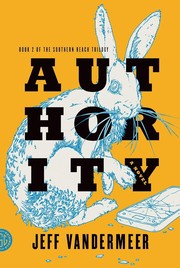
Authority
The new director of the Southern Reach takes over an agency that is hiding the truth about Area X, and the building starts to change around him.
2,029-word summary · 9 min read
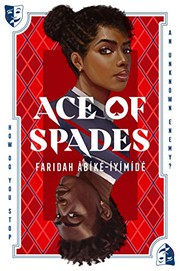
Ace of Spades
Two Black seniors at an elite academy are celebrated by day and hunted by an anonymous texter in this YA thriller about institutional racism.
2,066-word summary · 9 min read
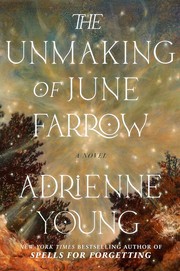
The Unmaking of June Farrow
A woman in a North Carolina flower-farming family walks through a red door into 1951, where she must solve her mother's disappearance and decide whether to…
2,701-word summary · 12 min read

The Late Show
Exiled to the LAPD night shift after accusing her supervisor, Renée Ballard keeps two cases that were meant to be handed off at dawn: a brutal assault and a…
2,563-word summary · 11 min read
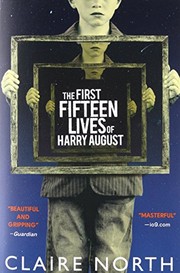
The First Fifteen Lives of Harry August
Harry August dies and is born again into the same life, again and again, until a warning from a child tells him the world is ending faster with each pass.
2,189-word summary · 10 min read
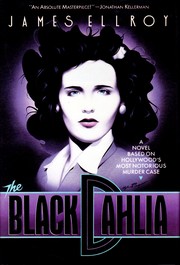
The Black Dahlia
James Ellroy builds a fiction around the real Black Dahlia murder, following two Los Angeles cops whose partnership and obsessions destroy them.
2,533-word summary · 11 min read
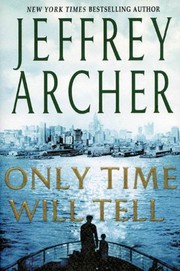
Only Time Will Tell
A Bristol dockworker's son wins a scholarship, falls in love with the daughter of the family that owns the shipyard, and learns that his father's death was not…
2,082-word summary · 9 min read
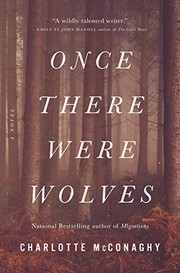
Once There Were Wolves
A biologist reintroduces fourteen wolves to the Scottish Highlands while protecting her traumatized twin sister, then finds a body in the snow that could…
2,682-word summary · 12 min read

Night Film
A disgraced journalist investigates the death of a reclusive horror director's daughter, following a red coat through hospitals, secret clubs, and a family…
2,690-word summary · 12 min read
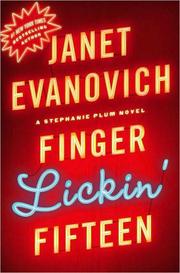
Finger Lickin' Fifteen
Lula sees a celebrity chef decapitated and talks Stephanie into entering a barbecue contest to lure the killers, while Ranger hires her to find a security leak…
2,248-word summary · 10 min read
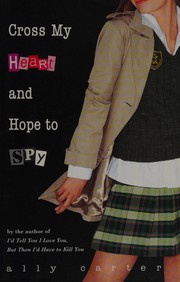
Cross My Heart and Hope to Spy
Cammie Morgan returns to Gallagher Academy for a second year of spy training, only to fall for a boy from a rival spy school and hunt a mole in her own school.
2,567-word summary · 11 min read

4th of July
Lindsay Boxer shoots two armed teenagers in self-defense, faces a wrongful-death trial, and spends her leave chasing a string of throat-slashing murders in…
2,192-word summary · 10 min read

The Camel Club
Four Washington misfits witness a murder on Roosevelt Island and stumble into a conspiracy that reaches the Oval Office, with a hostage president and a nuclear…
2,354-word summary · 10 min read
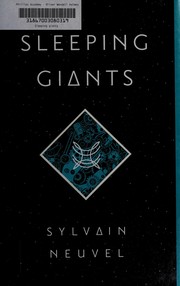
Sleeping Giants
A girl falls into a field and lands in a giant metal hand. Years later a secret team assembles the rest of the machine, and it chooses its own pilots.
2,466-word summary · 11 min read
I Kissed Shara Wheeler
Shara Wheeler kisses her rival Chloe Green at prom and disappears, leaving a scavenger hunt that forces Chloe to rethink everything she knew about her.
2,083-word summary · 9 min read