
Reading options
What's inside (8 sections)
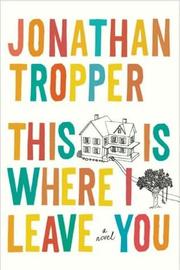
A friend handed me this book after a funeral, which felt a little on the nose, and said it was the funniest sad book he knew. I started it late one night and stayed up past any reasonable hour. This is Where I Leave You, first published in 2009 by Dutton, 352 pages in the hardcover edition, ISBN 9780525951278, is narrated by a man whose marriage has just blown apart when his father dies. He has to go home and sit shiva for seven days with people who know exactly how to press on every sore spot. It is crude in places, tender in others, and it kept me reading because the family fights felt lived in rather than staged.
The cake in the bedroom
Judd Foxman is the one telling the story. He is in his late thirties, working as a producer for a radio shock jock, married to his college sweetheart Jen. He thinks his life is settled, if a little stale. Then he comes home early with a birthday cake for Jen and finds her in bed with his boss, Wade Boulanger. Not a rumor. Not a suspicious text. He walks in on them.
That scene sets the tone for the whole book. Tropper plays it for awkward comedy and then lets the hurt sit there. Judd moves into a cramped basement apartment. He quits or loses the job, depending how you count it, since working for the man sleeping with your wife is not really a job anymore. Jen and Judd had been together since college. They had been pregnant once and lost the baby, which left a quiet crack between them that neither knew how to fix. Jen says Judd checked out. Judd says he did not know how to grieve in a way she could use. Both sound right, which is part of what stings.
Just as Judd is settling into lonely takeout and self pity, Jen shows up at his apartment with more news. She is pregnant. Judd assumes the child must be Wade's. He says something cruel and she leaves. He does not yet know the full medical wrinkle that will come out later, that Wade is sterile, which means the baby is almost certainly his. For now he just files it as one more impossible thing.
The phone call from Wendy
The call comes from his sister Wendy. Their father Mort has died after a short bout with cancer. The funeral is basically tomorrow. Can he come home.
Mort Foxman ran the family sporting goods store in their small hometown a couple hours from the city. He was not famous or rich. He was the kind of father who showed up, fixed things, kept the store running, loved his wife in his own gruff way. Judd had not seen him all that recently, which is its own guilt. You tell yourself you will visit next month, then the month fills up, then someone calls and says come now.
Wendy is the sibling Judd trusts most. She tells him straight that their mother wants all four kids home for the funeral and then for shiva, seven days of mourning in the family house. Mort was an atheist, so Judd laughs at first. A full religious mourning week for a man who never set foot in temple except for other people's events. Wendy says their mother insists it was his dying wish. Judd packs a bag and drives up, still smelling faintly of his sad apartment, still replaying the bedroom scene every time he stops at a light.
The funeral itself is crowded and a bit chaotic. Paul gives the eulogy. Phillip arrives late and actually cries, which surprises everyone because Phillip is usually performing. People Judd has not seen in years hug him too long and ask where Jen is. He lies or dodges. Only Wendy knows the marriage has collapsed. He is not ready to say it out loud to the whole town.
What I appreciated here is that Tropper does not turn the funeral into a big speech about death. It is logistics and small embarrassments. Who sits where. Who forgot a tie. Who cries and who does not. Judd keeps looking for a moment of closure and does not get one. His father is just gone, and there is a casserole in the fridge.
Seven days in the same house
The house part is the engine of the novel. Their mother Hilary announces they will all stay under one roof for seven days and sit shiva. That means no leaving, low mirrors, visitors coming through with food, a young rabbi stopping by to lead prayers. The rabbi is Charles Grodner, who they all knew growing up as Boner. He is now earnest and young and trying hard, which makes every solemn moment slightly comic. Nobody in the family is observant. They argue about the rules and then mostly ignore them.
Judd gets his old basement room and sleeps badly. Mourners drift in all day with food and opinions. Hilary is a well known therapist and author who has written about family life, so strangers feel they know the Foxmans. Their private fights have a semi public frame.
A lot happens through small collisions rather than one big plot turn. The brothers find a stash of pot in one of Mort's old suits and sneak off to smoke it before temple, then sit through a service trying not to laugh. That scene could have been cheap, but it rang true to me. Grief makes you giggly at the wrong time. Judd runs into Penny Moore, a woman he knew in high school who always had a soft spot for him. She works at or around the family store, depending on the week, and she talks to him like a normal person when everyone else wants a status update. They start spending time together. Late drives. A movie. Long talks in parked cars.
Jen shows up in town too, staying at a hotel. She wants to talk about the baby and about what comes next. Judd meets her in the hotel bar and it goes badly. He is still raw. She is still defensive. He drives by their old apartment at one point, lets himself in with his old key, snoops through Wade's things, steals cash and a bottle of pills from the bedside table, looks at old photos. It is petty and sad and I believed every minute of it. He is not proud. He just wants to touch a life that is no longer his.
If I have a complaint about this middle stretch, it is that some days blur together on purpose and Tropper lets them blur a little too much. Visitors come, brothers bicker, someone storms out, someone makes up, repeat. A couple of the set pieces feel engineered to keep the farce moving, especially a temple visit and a fistfight over the store. I skimmed a page or two where the rhythm felt familiar. Then a quieter scene would pull me back in.
Wendy, Paul and Phillip
The siblings carry a lot of the book, and Tropper gives each a clear problem without turning them into types.
Wendy is the older sister, married to Barry, a finance guy who works constantly and checks his phone at the table. They have three small kids and a house that runs on her labor. Wendy is sharp, funny, tired, loyal. She still loves her family fiercely, but her marriage feels like a roommate deal. She is the one who pushes Judd to tell the truth about Jen instead of letting him hide behind vague answers.
Paul is the oldest brother. He stayed home and now runs the sporting goods store with Mort gone. He is solid, stubborn, quick to take offense. He is married to Alice, who dated Judd back in high school. That old overlap still hums under family dinners. Paul and Alice have been trying to have a child without success, and the strain shows. Paul wants respect for holding the family business together. When Phillip floats ideas about joining, Paul hears disrespect.
Phillip is the youngest, in his twenties, charming and irresponsible in the way only the baby of the family can be. He arrives with Tracy, a woman about nine years older who used to be his therapist and now calls herself his life coach and girlfriend. The family does not know whether to laugh or lecture. Tracy is calm and direct, which unnerves everyone. Phillip flirts with an ex in front of her at one point, and Tracy watches with a patience that feels earned rather than saintly. Under the jokes, Phillip is scared he will always be the screw up. He wants a role in the store, or at least a sign his brothers take him seriously.
The fights between the brothers felt very specific to me. Paul throws a punch at one point. Judd and Paul wrestle over old scores, including a childhood injury that cut Paul's baseball hopes short after a dog attack tied to Judd asking for help. Phillip tries to mediate and makes it worse. Then they sit on the curb bleeding a little and talk almost normally.
One more thread here deserves mention. Alice, desperate to get pregnant, makes an uncomfortable pass at Judd at one point, hoping he might give her what Paul so far has not. Judd turns her down. It is a raw scene, not played for titillation. She is ashamed right after, and he is shaken. Later she apologizes through tears about how hollow she feels. Judd tells her to hold on to what she and Paul still have. I thought Tropper handled that with care. He lets Alice be wrong and still sympathetic.
Hilary and Horry
Two neighbors shape the week as much as the siblings.
Horry Callen grew up across the street. He was Wendy's high school boyfriend, handsome and kind, part of the furniture at Foxman dinners. In college he was hit in the head during a bar fight and suffered lasting brain damage. Now he lives with his mother Linda, works at the family store doing what he can, and carries a gentle, halting manner that makes people either tender or awkward around him. Wendy has never stopped feeling responsible and has never stopped loving him in some buried way. Seeing how happy he is to see her shakes her. She sleeps with him once after her husband leaves town for a conference, and the book does not frame it as triumph or disaster. It reads as two people reaching for a life that got cut off.
Linda, Horry's mother, has been Hilary's closest friend for decades. She is in the house constantly during shiva, cooking, answering the door, sitting with Hilary late. Judd and Wendy start to sense something more. Near the end, in front of a room full of tired mourners, Linda walks in, embraces Hilary, and kisses her on the mouth. Hilary then tells the kids that she and Linda fell in love while caring for Mort, that Mort knew and gave his blessing, and that the requested shiva was actually her idea, not his.
I did not see that reveal coming the first time, though on reflection the clues are there. Hilary overshares about everything else, so her quiet around Linda stands out. The scene could have played as a stunt. For me it mostly worked because Tropper keeps the focus on the kids' shock giving way to relief that their mother looks less lonely. Mort knowing and accepting it reframes him too. He was more than the gruff man people saw behind the store counter. He saw his wife clearly and wanted her cared for after he was gone.
Hilary herself is a lot. She talks openly about Mort's body, about her own needs, about her children's sex lives, in front of guests. She parents through embarrassment. Some readers will find her too much. I found her believable as a therapist mother who uses candor as control. Under the jokes she is grieving and terrified of an empty house. The shiva scheme is manipulative, sure, but it comes from love and fear rather than malice. When Judd finally sees that, his anger at her softens.
Boner, the young rabbi they still call by his school nickname, closes the week with a short walk outside that gives the mourning a clear edge.
What breaks and what holds
The last third ties the personal plots without tying them too neatly, which I liked.
Judd learns for certain that the baby is his, since Wade cannot father children. Hearing the heartbeat at the hospital shifts something in him. He starts to accept he will be a father even as he accepts the marriage is over. Jen calls in a scare about a possible miscarriage while Judd is out with Penny, and he races to the hospital. Mother and baby turn out to be fine. Wade shows up and Judd and Wade fight in the waiting room. Phillip steps in and clocks Wade. Wendy punches him too. Later, Judd and Phillip vandalize Wade's sports car, smashing windows and jumping on the roof. It is juvenile and satisfying in the way revenge fantasies are, and Tropper lets it feel hollow right after. Smashing a car does not make you less hurt.
Wade tells Judd he is walking away from Jen because he knows he would be a bad stepfather and a worse husband. It is one of the few honest things Wade says. Judd tells Jen they cannot go back to being married, but he will show up for the child and support her. They share a quiet scene back at the house where he runs her a bath and they lie on the bed and talk without performing. It is not reconciliation. It is a kinder parting. That distinction matters.
Penny and Judd grow close, then stall. He hides the pregnancy from her at first, which is unfair and cowardly, and when Jen's call interrupts a day together, Penny feels lied to. Later he apologizes properly, without excuses, and she hugs him and tells him to go sort his life out. They recall a teenage pact that if both were single at forty they would marry. It hangs there, sweet and uncertain. They kiss, but Tropper does not promise they will end up together. I was glad he resisted that. Judd needs time alone more than he needs a new girlfriend.
Phillip and Tracy break up after an honest talk with Judd. Paul offers him a job at the store. It is a small step, but for Phillip it counts as a future.
The final night brings a strange, lovely beat. The basement power goes out. Judd tries to fix the fuse box, gets shocked, and blacks out. He dreams of falling off his bike as a boy and his father comforting him. He wakes up crying in his mother's arms, finally mourning Mort directly instead of through side quarrels. I am usually wary of dream scenes, but this one earned its place because Judd has avoided crying the whole week.
The next morning Boner closes the shiva. The family takes the short walk outside together, hugs, starts to scatter. Wendy catches a flight with her kids, waving to Horry through tears. Paul and Phillip agree to try working together. Judd slips out, borrows or steals Phillip's Porsche depending how generous you feel, and points it toward Maine, a place he has always fantasized about. The book ends with a sense that anything can happen, which sounds vague and here feels right. He does not know what comes next. He knows he can drive.
So who should read it. If you like family comedies with bite, like the early work of Nick Hornby or Tom Perrotta, this will fit. The dialogue is quick, the sex jokes are frequent, the sentiment sneaks up. If you need spotless characters, skip it. Judd drifts, Paul stiffens, Phillip performs, and Hilary overshares to a degree that may test your patience. The plot leans on coincidence in a few spots, a surprise pregnancy and a well timed hospital dash. I accepted those because the emotions around them felt specific.
What stayed with me was not the big reveal but the texture. The basement room that still smells like boyhood. The store aisles where Horry bags things carefully. The temple service where stoned brothers try to look solemn. Tropper writes men who joke when they should listen, women who carry more than they admit, and parents who keep trying to gather everyone even after they are gone. It is messy in the way real mourning weeks are messy, funny until it suddenly is not, and then funny again because what else can you do.
FAQ
When was This Is Where I Leave You published?
Jonathan Tropper's novel was published by Dutton in 2009. The hardcover runs 352 pages with ISBN 9780525951278.
Is Jen's baby Judd's or Wade's?
The baby is Judd's, since Wade is sterile. Judd still ends the marriage but agrees to support Jen and help raise the child.
Do Judd and Penny end up together?
They kiss and recall a pact to marry at forty if both are single, but Judd drives toward Maine alone. Tropper leaves their future open.
Similar books

Two by Two
Sparks's twentieth novel turns from first love to a marriage breaking up: Russell Green loses his wife and his job, then rebuilds his life around his…
2,192-word summary · 10 min read
The House We Grew Up In
The Bird family of the Cotswolds breaks apart after a suicide and spends twenty years not talking about what happened.
2,198-word summary · 10 min read

At First Sight
Jeremy and Lexie are married and expecting a baby when anonymous emails tell him the child may not be his.
2,317-word summary · 10 min read

A Spool of Blue Thread
Four generations of the Whitshank family in Baltimore, and the silences, resentments and quiet love they hand down without ever saying so.
2,408-word summary · 11 min read

The Deep End of the Ocean
A three year old vanishes at a Chicago hotel reunion, and nine years later the Cappadoras must face his return as a teen raised by someone else while grief…
2,951-word summary · 13 min read

Home Front
A Guard pilot deploys, comes home wounded, while husband and daughters fight to heal together.
2,091-word summary · 9 min read
Apples Never Fall
A retired tennis coach vanishes, and her four children rethink their family story.
2,315-word summary · 10 min read

All Your Perfects
Quinn and Graham's perfect love frays under infertility, and they must decide what perfect means now.
2,072-word summary · 9 min read
Lisey's Story
Two years after her novelist husband dies, Lisey Landon follows a trail of clues into his childhood and the other world that made him a writer.
1,998-word summary · 9 min read

Howards End
Forster's 1910 novel follows two families, a house in Hertfordshire, and a burned note, asking whether money and feeling can ever be connected.
2,187-word summary · 10 min read

Sam's Letters to Jennifer
A grieving journalist reads her grandmother's letters and finds a decades-long love affair that changes how she sees her family.
2,310-word summary · 10 min read

George's Marvellous Medicine
George stirs a brew of dozens of household chemicals and gives it to his grumpy grandmother, and the medicine works far better than anyone planned.
2,014-word summary · 9 min read

We Are Okay
Marin fled San Francisco after her grandfather vanished and stopped answering anyone. When Mabel visits her college dorm, she has to say what happened.
2,253-word summary · 10 min read

Sing You Home
A music therapist, her new wife and an evangelical ex-husband end up in court over three frozen IVF embryos.
2,952-word summary · 13 min read

2 States: The Story of My Marriage
A Punjabi boy from Delhi and a Tamil Brahmin girl from Chennai meet at IIM Ahmedabad, and turn a love marriage into a campaign to convince two families.
2,634-word summary · 12 min read

The Pilot's Wife
Kathryn Lyons's husband dies in a plane crash, and the investigation reveals a secret life that forces her to rethink their marriage.
2,006-word summary · 9 min read
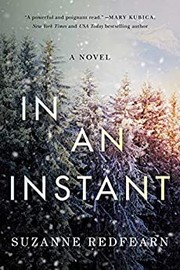
In an Instant
After a family camper crashes down a snowy mountain, sixteen-year-old Finn watches from the afterlife as survivors make impossible choices and try to live with…
2,130-word summary · 9 min read

Delilah Green Doesn't Care
Delilah returns to Bright Falls to photograph her stepsister's wedding and falls for Claire, a bookstore owner and single mother, while a cruel bet threatens…
2,315-word summary · 10 min read
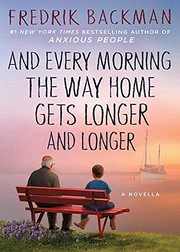
And Every Morning the Way Home Gets Longer and Longer
An elderly grandfather, his son, and his grandson share memories and fears as the old man's mind begins to fade, in a short novel about grief and love.
2,078-word summary · 9 min read

The Tiger's Wife
A young doctor in a war-scarred Balkan country chases the stories her grandfather left behind, including a deathless man and a deaf girl who loved an escaped…
2,232-word summary · 10 min read

The Storm Sister
Ally D'Aplièse loses her father and her lover within weeks, then follows a brass frog and a Norwegian biography into Anna Landvik's music and the world of…
2,376-word summary · 11 min read

Someone Like You
Halley and her best friend Scarlett face a summer of grief, a surprise pregnancy, and Halley's dangerous first romance in Sarah Dessen's 1998 young adult novel.
2,218-word summary · 10 min read

Maame
Maddie Wright, 25, has spent years as the responsible one in her Ghanaian British family, and the year she finally tries to live for herself is the year…
2,108-word summary · 9 min read

Clap When You Land
Two half sisters, one in Sosúa and one in Queens, discover each other after their father dies in a plane crash, in Elizabeth Acevedo's novel in verse.
2,890-word summary · 13 min read

Beezus and Ramona
Nine year old Beezus tries to be a good older sister while four year old Ramona turns every ordinary day into a disaster, until a tenth birthday forces honesty.
2,062-word summary · 9 min read
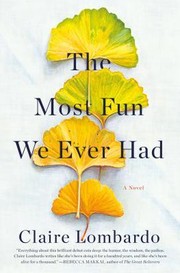
The Most Fun We Ever Had
Four Sorenson sisters orbit perfect parents hiding old cracks.
2,590-word summary · 12 min read

The Accidental Tourist
Grieving Macon writes travel guides for haters of travel, then Muriel intrudes.
2,252-word summary · 10 min read
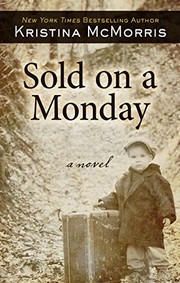
Sold on a Monday
A reporter hides a Depression photo of children for sale and must face the cost.
2,501-word summary · 11 min read

Kitchen
Orphan Mikage finds home in a kitchen with Yuichi and Eriko after loss.
2,597-word summary · 12 min read
Shopaholic Ties the Knot
Becky Bloomwood plans two weddings at once while debts pile up and Luke's mother interferes.
2,218-word summary · 10 min read