
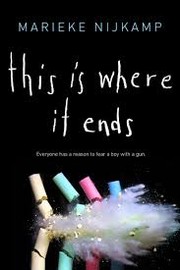
This Is Where It Ends
2,510-word summary 11 min read 288 pages in the book
- First published
- 2016
- Publisher
- Sourcebooks Fire
- Pages
- 288
- ISBN
- 9781492622468
Reading options
What's inside (8 sections)
I picked up this book because someone told me it all happens in less than an hour. That sounded like a gimmick. A whole novel in fifty four minutes, four narrators, timestamps at the top of every chapter. I figured it would feel rushed or thin.
It did not feel thin. It felt fast in the way bad mornings feel fast, where you keep checking the clock and time both drags and sprints. Marieke Nijkamp published it in 2016 with Sourcebooks Fire, and it runs 288 pages in hardcover. That length turns out to be about right. You could read it in an afternoon. You probably will sit still until you finish.
The setup is simple and awful. It is the first day back after winter break at Opportunity High in Opportunity, Alabama. Principal Trenton is giving her usual start of semester speech about character and hard work. Kids are half listening. Then the auditorium doors will not open. Then someone starts shooting.
What makes the book different from a news clip is that Nijkamp stays inside the room and just outside it. She does not cut away to politicians or experts. She sticks with four seniors who each have a personal tie to the shooter, and she moves forward minute by minute while letting memories surface in between gunshots.
10:00 a.m. and everyone is annoyed
The opening is ordinary on purpose. Claire is at track practice, running laps, trying to clear her head. She used to date Tyler Browne. They broke up. She is now circling around a slow crush on Chris, a kind teammate, but Tyler is still in her head.
Autumn is in the auditorium with her girlfriend Sylv. Autumn is a dancer. She wants to audition for Juilliard and talks about it the way serious teens talk about the one plan that makes school bearable. Her mother was a dancer too, a principal ballerina, and she died a while back. Autumn misses her in a physical way that shows up when she stretches or hears music.
Sylv, full name Sylvia Morales, is sitting next to Autumn and keeping a secret. She got into Brown. She has not told Autumn yet because Brown means leaving Alabama and possibly leaving Autumn behind. That guilt sits under everything she does in the first chapters.
Then there is Tomas. He is Sylv’s twin brother. He is not in the auditorium at all when the assembly starts. He and his best friend Fareed are in Principal Trenton’s office, going through files. Tomas is looking for Tyler’s records. He thinks Tyler has been harassing Sylv and he wants proof. He has that older brother energy even though they are twins, protective to the point of reckless.
Nijkamp cuts between these four every minute or two. The chapters are labeled 10:00 to 10:01, 10:02 to 10:04, and so on. At first the cutting feels choppy. You just meet Claire and then you are with Tomas picking a lock. Then you are back with Autumn whispering to a friend about dance.
But the choppiness pays off once the doors lock. Because you already know where everyone is standing, the panic lands harder. Autumn and Sylv are near the back of the auditorium but can see the front. Tomas and Fareed hear shots from down the hall. Claire sees Tyler’s car in the lot and sees ammunition in the back seat and understands before most adults do what is happening.
The shooter is Tyler Browne. Autumn’s older brother. Sylv’s former friend. Tomas’s enemy. Claire’s ex. He walks to the front of the auditorium with a gun. He has chained or blocked the doors. Teachers who try to stop him are shot first.
When the doors will not open
The second stretch, roughly 10:05 to 10:20, is chaos with a shape. Kids scream and drop. Someone tries the side doors. Someone else climbs over seats. Tyler fires into the crowd and at the stage lights. Nijkamp does not linger on graphic detail for shock. She focuses on sound and confusion. A ringing ear. A shoe lost in the aisle. A phone buzzing with texts that cannot be answered.
Autumn freezes at first. That felt true to me. She is Tyler’s sister. Part of her brain keeps insisting this must be a prank or a mistake. Then training kicks in, not hero training, just older sister training. She grabs kids near her. She tells them to stay low. She finds Claire’s younger brother Matt, who has been hit, and tries to keep pressure on the wound while Matt tries to stay calm.
Sylv’s reaction is different. She knows Tyler in a way that makes her terrified he came for her specifically. She pulls Autumn down. She scans for exits. When Tyler pauses to reload or to shout, she moves.
Outside, Claire is running toward the school, not away. Coaches yell at her to get back. Police have not arrived yet. She calls Matt and gets voicemail, then static, then a terrified whisper. Chris stays with her. He holds her phone when her hands shake. He does not give big speeches. He just stays, which I liked. A lot of books would make the new boyfriend give a pep talk. Here he mostly listens and runs errands, fetching water, flagging down a teacher, repeating what Claire cannot say twice.
Tomas and Fareed have the strangest view. They are inside the building but outside the auditorium. They hear shots echo through empty halls. Fareed wants to hide. Tomas wants to get to Sylv.
This is also where Nijkamp starts weaving in backstory without stopping the clock. A gunshot, then a memory of junior prom. A scream, then a flash of Thanksgiving at Sylv’s house. Some readers will find those cuts annoying. I thought they worked because panic makes your mind jump to normal things.
Four people, one boy with a gun
To understand the middle of the book you have to understand Tyler, or at least what the four narrators think they know about him.
Tyler and Autumn were close as kids. After their mom died, their dad checked out in the way grieving parents sometimes do in books and in life, drinking too much, working late, leaving the kids to raise each other. Tyler took care of Autumn for a while. He gave her a bracelet for her birthday. He watched her dance. He was smart too. Tomas finds a record showing Tyler scored 2140 on the SAT, which stung me. It is a reminder that Tyler had options. He was not failing out. He chose to leave.
What broke them was junior prom, about a year before the shooting. Claire broke up with Tyler that night. That same night, Tyler confronted Sylv about her secret relationship with Autumn. He blamed Sylv for pulling Autumn away. Then he assaulted her. Nijkamp writes this plainly and does not turn it into a twist. Sylv never told Tomas the full details, but Tomas knew enough to slam Tyler into a locker the next day at school. That was Tyler’s last day at Opportunity High. He dropped out.
So by the morning of the shooting, the lines are drawn. Sylv carries trauma she has not named to her brother. Tomas carries guilt that he did not protect her. Autumn grieves a brother who already felt gone. Claire wonders if she missed signs.
I appreciated that Nijkamp does not explain Tyler with one cause. There is family violence. There is access to guns. There is a community that looked away after he left school. But she does not excuse him. Understanding is not forgiving.
One fair criticism here is that Tyler never feels fully present. We only see him through others. He shouts and rants about the world being against him. After a while every flashback of Tyler angry started to sound the same to me.
Another uneven part is that the four narrators sometimes sound alike. Autumn and Sylv especially share a tender tone. In short chapters, with fear flattening everyone, I had to check the header to remember who was speaking.
Hiding, texting, trying to help
Around 10:25 to 10:40, the book settles into three locations. Autumn in the auditorium. Sylv, Tomas, and Fareed in the halls and stairwells. Claire outside with police arriving.
In the auditorium, Autumn becomes an accidental leader. She helps barricade a door. She passes phones down rows so kids can text parents. She stays with Matt. Matt calls Claire and Claire talks him through breathing while SWAT teams gather. Those phone calls are the hardest pages. Matt tries to joke. Claire tries not to cry where he can hear it. Chris takes the phone for a minute so Claire can breathe. There is no miracle here. Help is close but not close enough. Nijkamp lets that sit without fixing it.
Autumn also has to deal with blame. A few students hiss that she should stop Tyler because she is his sister. Instead she focuses on tasks. Find water. Find a teacher with keys. Keep kids away from windows.
In the halls, Sylv, Tomas, and Fareed move from classroom to classroom. Fareed suggests barricading and heading for the roof. It is a solid plan. They pry a heavy window. They boost Sylv up. Tomas helps Fareed, then surprises them by staying inside. He says something quick about telling their mom he picked locks and messed with a teacher’s car, trying to make Sylv laugh while scared. Then he shuts the window. He means to draw Tyler away from them.
I found Tomas frustrating and moving. Frustrating because going after a gunman alone is terrible. Moving because his choice comes from love, not from wanting to be a hero.
Outside, Claire’s chapters show how messy response is. Rumors spread. A list of the wounded gets passed around and half the names are wrong. Claire relays that Tyler left the auditorium, which actually helps SWAT.
Sylv remembers a surprise birthday for Autumn the year before. First kiss. Cake. Then back to gunshots. That contrast hit harder than any speech about hope.
The hallway
The last fifteen minutes are short chapters, sometimes a single minute each. Nijkamp speeds up the cuts. One minute with Claire. One minute with Autumn in a stairwell. One minute with Sylv on the roof hearing shots below.
Tomas finds Tyler in a first floor hallway. He does not sneak. He talks. He insults Tyler. He tries to buy time. Tyler fires a warning shot, then they argue. Tomas says Tyler will not touch Sylv again. Tyler says the world is against him and Autumn needs to understand that before it kills her. The language is paranoid and circular. Tomas does not back down. Tyler shoots him.
Autumn turns a corner and sees it. Tomas on the floor. Tyler standing over him with the gun loose at his side. This is the scene the whole book has been building toward, sister facing brother. Autumn talks to him. She reminds him he watched her dance after their mom died. She says she still wears the bracelet he gave her. She tells him SWAT is close and it is over. For a moment Tyler listens. He talks about family, about who will mourn them. Then he turns the gun on himself.
Nijkamp writes Tyler’s death in one blunt sentence. No slow motion. I was grateful for that restraint. The book does not make his death redemptive or cinematic. It is ugly and sudden and leaves Autumn holding his hand while hurt herself, with police shouting to get down.
Sylv hears it from the classroom where she and Fareed are hiding. She knows before anyone tells her. Tomas is gone. Fareed holds her back from running into the hall. Police storm up, clear rooms, pull kids out with hands up. Sylv walks out and sees Tomas and Tyler on the floor and Autumn injured but alive.
Claire learns about Matt in the parking lot. He does not make it. Chris holds her while she sobs. Here brave feels shaky and sick, not good.
The epilogue jumps to 11:59 p.m. the same day. No big reunion. No speech at a vigil. Just exhausted kids in hospitals and living rooms, trying to sleep, replaying minutes. Sylv thinking about her mother’s wish that she look after her brothers. Autumn thinking about dance and whether she can still move the way she used to. Claire thinking about running and whether tracks will ever feel normal. It ends tired, not healed. That felt honest.
If I have a complaint about the climax, it is that it leans on coincidence. Everyone converges in the same hallway at once. I noticed the strings a little.
What works and what drags
What works best is pace with memory. Two minutes hiding under seats contains five years of friendship. That structure kept me turning pages.
The diversity of the cast feels natural. Sylv and Tomas are Mexican American, close to their abuelo. Autumn and Sylv’s relationship is central and treated as fact, not issue. Fareed is funny and scared and competent, not a sidekick.
The friendships are specific. Sylv filling out Juilliard audition forms for Autumn because Autumn is too nervous. Tomas stealing files because he does not know how else to help. Claire remembering Matt’s favorite jokes to keep him awake on the phone. Those tiny jobs people do for each other rang true. Love in this book is mostly errands under pressure.
What drags is repetition. Flashbacks sometimes restate what we already know. After the third loop, I skimmed a little.
The prose can get lofty when plain would do better. The best lines are concrete. A lost shoe. A ballet charm on a bracelet.
Content notes matter. It depicts a school shooting, gun violence, death of teens, sexual assault, grief, and suicidal behavior. I would not hand it to a younger teen without a heads up.
Who will like it. Readers who want fast ensemble YA about aftermath more than procedure. Readers sensitive to school violence should skip or wait.
I closed the book thinking about the roof window. Tomas shutting it. Sylv climbing out. Nijkamp never claims that choice fixes anything. People still die. But the choice matters to the people left.
If you read it, pay notice to how often characters text or call. Phones are lifelines and also spread rumor. They save and mislead. That felt like the most current part of a 2016 novel. You are never alone in crisis now, and you are never fully informed either.
That is where the book leaves you. Not with answers about why Tyler did it. Nijkamp refuses a neat motive, and I think she is right to. She leaves you with the next morning tasks. Hospital chairs. Missed calls. A dance audition form half filled. A college acceptance letter unopened. A track still there to run when ready. Life narrowed to the next kind thing you can do for the person next to you.
FAQ
Who narrates This Is Where It Ends?
Autumn Browne, her girlfriend Sylv Morales, Sylv's twin Tomas, and Tyler's ex Claire. Three are trapped inside Opportunity High while Claire works outside.
Is This Is Where It Ends based on a true story?
No. It is fiction published in 2016 by Sourcebooks Fire, though Nijkamp drew on the reality of school shootings in America.
Is it suitable for younger teens?
It suits older teens and adults. It includes a school shooting, deaths, sexual assault, and suicide, told without gore but without looking away.
Similar books

Amy & Roger's Epic Detour
Amy Curry has not driven since the crash that killed her father. With Roger at the wheel and a box of maps between them, a cross-country trip becomes a slow…
3,034-word summary · 13 min read
The Upside of Falling
Two teens fake-date for a summer dare and end up facing grief, family secrets, and first love.
2,274-word summary · 10 min read
Isla and the Happily Ever After
Shy Isla Martin finally dates longtime crush Josh Wasserstein after a Manhattan summer and senior year at SOAP Paris, then learns love needs honesty to last.
2,293-word summary · 10 min read
Solitaire
Gloomy Tori Spring hunts school prank group Solitaire with odd Michael Holden while brother Charlie heals.
2,068-word summary · 9 min read
Sadie
Sadie hunts sister killer while podcast chases her in split narrative thriller.
2,091-word summary · 9 min read
Nick and Charlie: A Heartstopper Novella
Nick is off to university and Charlie is staying behind. One last summer to decide if first love can survive distance.
2,329-word summary · 10 min read
Speak
After calling police at a party, ninth grader Melinda stops speaking until art helps her tell.
2,073-word summary · 9 min read
All the Bright Places
Grieving Violet and struggling Finch wander Indiana for a school project and each other.
2,208-word summary · 10 min read
A Good Girl's Guide to Murder
Pip reopens a closed murder case for a school project and finds the town wanted it shut.
2,621-word summary · 12 min read

What Happened to Goodbye
Mclean has reinvented herself in four towns since her parents divorced. In Lakeview she uses her real name, and for the first time staying put becomes a choice.
2,796-word summary · 12 min read
Love Letters to the Dead
A fifteen-year-old writes letters to dead artists because they cannot ask questions, and slowly tells the one story she has been hiding about her sister's…
2,520-word summary · 11 min read

Dumplin'
Willowdean Dickson enters her town's beauty pageant as a protest and discovers that confidence is harder to keep once she lets someone close.
1,922-word summary · 9 min read
Ace of Spades
Two Black seniors at an elite academy are celebrated by day and hunted by an anonymous texter in this YA thriller about institutional racism.
2,066-word summary · 9 min read

Sam's Letters to Jennifer
A grieving journalist reads her grandmother's letters and finds a decades-long love affair that changes how she sees her family.
2,310-word summary · 10 min read
I Kissed Shara Wheeler
Shara Wheeler kisses her rival Chloe Green at prom and disappears, leaving a scavenger hunt that forces Chloe to rethink everything she knew about her.
2,083-word summary · 9 min read

We Are Okay
Marin fled San Francisco after her grandfather vanished and stopped answering anyone. When Mabel visits her college dorm, she has to say what happened.
2,253-word summary · 10 min read
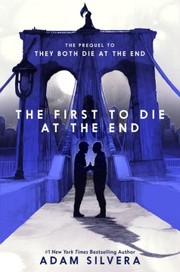
The First to Die at the End
On the night Death-Cast launches, a boy with a bad heart meets a model with everything ahead of him, and one of them gets the call.
2,908-word summary · 13 min read
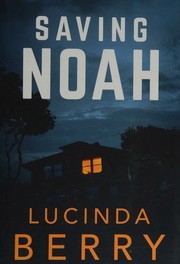
Saving Noah
A seventeen-year-old swimmer confesses to molesting two girls he coached, and his mother must decide what unconditional love is worth.
2,976-word summary · 13 min read

A Spool of Blue Thread
Four generations of the Whitshank family in Baltimore, and the silences, resentments and quiet love they hand down without ever saying so.
2,408-word summary · 11 min read
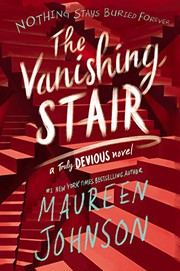
The Vanishing Stair
Stevie Bell returns to Ellingham Academy under a secret bargain, chasing the truth about a 1936 kidnapping while a new death makes the school feel smaller and…
2,026-word summary · 9 min read
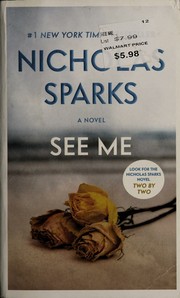
See Me
A law student with a violent past falls for a prosecutor whose old case returns as a stalker, in a romance with a thriller at its center.
2,007-word summary · 9 min read
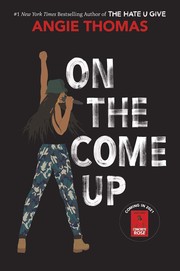
On the Come Up
Bri Jackson, a sixteen-year-old rapper in Garden Heights, chases a record deal while a viral song turns her into a symbol she never wanted to be.
2,034-word summary · 9 min read
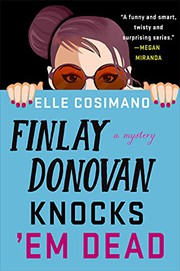
Finlay Donovan Knocks 'Em Dead
Someone has put a contract on Finlay Donovan's ex-husband, and the novelist and her nanny have to find the hitman before the school pickup.
1,990-word summary · 9 min read
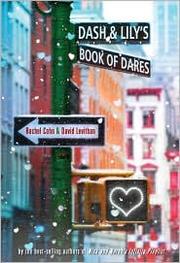
Dash & Lily's Book of Dares
Two lonely New York teenagers trade dares in a red notebook left at the Strand, falling for each other on the page before they meet.
2,228-word summary · 10 min read
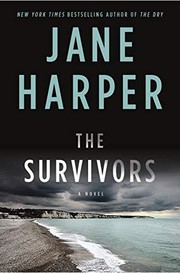
The Survivors
Kieran Elliott returns to Evelyn Bay twelve years after a storm killed his brother, and a young woman's murder forces the town to face what it has concealed.
2,571-word summary · 11 min read

One of Us Is Dead
In Buckhead, Atlanta, five women narrate a murder among manicures, fundraisers, and social warfare. Jeneva Rose's 2022 thriller is a gossipy revenge fantasy…
2,471-word summary · 11 min read
Family of Liars
The prequel to We Were Liars: Carrie Sinclair finally tells the story of the summer of 1987, the boy who died on Beechwood Island, and the lie her family built…
2,072-word summary · 9 min read
The No-Show
Three women are stood up on Valentine's Day by the same man, but the timeline is not what it seems. O'Leary's warmest book with a knife in it.
2,127-word summary · 9 min read

The Woods
Twenty years after two teenagers were murdered and two vanished at summer camp, prosecutor Paul Copeland identifies a fresh corpse as one of the missing.
2,490-word summary · 11 min read
Stormbreaker
A fourteen-year-old boy loses his uncle, then his ordinary life, when MI6 sends him undercover to a Cornish computer plant where the giveaway machines hide a…
2,822-word summary · 13 min read