
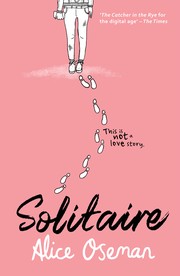
Solitaire
2,068-word summary 9 min read 400 pages in the book
- First published
- 2014
- Publisher
- HarperCollins Children's Books
- Pages
- 400
- ISBN
- 9780007559237
Reading options
What's inside (8 sections)
I read Solitaire after Heartstopper because I wanted Tori side, and got a colder, funnier, sadder book than the comics. Alice Oseman first published it in 2014 with HarperCollins Children's Books, a 400 page edition with ISBN 9780007559237. It is a standalone novel in the same universe as Heartstopper, with Nick and Charlie as supporting characters. Oseman wrote it at nineteen, which shows in the best way, raw, sure about school, unsure about everything else. Check content notes before reading. This book goes near depression, self harm, eating disorders, and bullying without softening.
Tori Spring is sixteen, in sixth form, tired. She likes to sleep and blog. Last year she had friends. Then her brother Charlie had a breakdown, eating disorder, self harm, hospital. The family revolved around him. Tori drifted. Now she watches life like a nature documentary. She narrates in dry first person, funny in a way that hides hurt. I do not care, she says often, about Michael Holden, about Solitaire, about school. She cares. She just does not know how to say it without sounding needy.
Solitaire is a prank group at Higgs and Truham schools. They hack screens, lock doors, flood halls with misleading posters, shut down school for a day. At first Tori finds it funny. Someone finally disrupts the dull routine. Then pranks turn meaner, targeting vulnerable kids, outing secrets, breaking things that matter. Tori, who blogs anonymously, decides with new friend Michael Holden to find who runs Solitaire. Not to save the school. To have something to do.
Tori and Michael
Michael Holden is the opposite of Tori and her perfect foil. He is loud, cheerful, odd, wears weird sweaters, waves at everyone. He decides Tori is his friend on day one. She tells him to go away. He stays. He brings biscuits. He waits after class. He asks about her blog. She insults him. He laughs. His persistence could feel creepy. Oseman saves it by giving Michael his own loneliness. He is new, friendless, living with a dad who works, hiding sweetness behind noise. He needs Tori as much as she pretends not to need him.
Their detective work drives plot. They stake out computer rooms. They track printer codes. They interview Charlie, who knows school gossip. They suspect teachers, prefects, ex friends. Michael theorizes wildly. Tori deflates theories with logic. Their banter is excellent, fast, British school specific, about coursework, rain, bad coffee in staff rooms. One stakeout where they hide in a cupboard and Michael whispers facts about cephalopods while Tori tries not to laugh made me snort on a bus.
Under banter, both hide pain. Tori sleeps too much, eats too little or too much, cuts herself once and hides it. Michael smiles too wide, talks too fast, goes quiet when asked about home. They recognize each other without naming. When Tori finally tells Michael she thinks she might be depressed, he does not fix. He listens. He says he gets it. He stays. That scene, plain and undramatic, is the book working as intended. No speeches. Just company.
Nick and Charlie appear as a steady couple, already together, affectionate in hallways. For Heartstopper fans, seeing them from outside is lovely. Nick is kind to Tori in a big brother way. Charlie, fragile and recovering, worries about Tori while managing his own meals. Tori loves Charlie fiercely and guiltily. She thinks her problems are smaller than his, so she should shut up. Oseman gently argues the opposite. Pain is not a competition. Charlie tells Tori she deserves help too, which she hears but cannot yet use.
School as weather
Higgs and Truham, girls and boys schools that mix for sixth form, feel damp and real. Long corridors, flickering lights, teachers who try and teachers who coast, coursework that never ends, university applications looming. Oseman wrote this while in school herself, and it shows in details adults forget. The specific dread of Monday briefing. The way canteen tables sort. The group chat that pings at midnight with homework and gossip. The career talk where everyone lies about knowing what they want.
Solitaire pranks escalate with term. First funny, screens showing memes during assembly. Then disruptive, doors locked during exams. Then cruel, personal photos shared, a teacher humiliated, a disabled student targeted. Tori initial amusement curdles. She helped by blogging about them, which gave them fame. Guilt pushes her to act. Michael, who loved the chaos, also sobers when someone gets hurt. Their shift from audience to investigators mirrors how teens learn that irony has costs.
The reveal of who runs Solitaire works without being a thriller twist. It is sadder than shocking. Lonely kids who wanted to matter, who thought disruption equals voice. Tori understands them because she could have been them. She chooses differently, not to save school but to protect one person who might break. That small motive feels true to depression. Big causes feel abstract. One friend feels possible.
Family chapters ground the school plot. The Springs love each other awkwardly. Mum works, Dad tries, Charlie recovers in steps, Oliver the little brother asks blunt questions adults dodge. Dinner scenes are quiet masterpieces. Pass the peas. How was school. Fine. Charlie counts bites. Tori watches. Mum watches Tori watching. No one says eating disorder out loud every night, but it sits at the table. When Tori finally tells her parents she is struggling, they listen badly at first, then better. That progression, bad then better, feels honest about families learning.
Bleak, funny, honest
Tone is the risk and reward. Tori voice is bleak and funny at once. She jokes about wanting to sleep for a year while describing panic in toilets. Some readers will find her repetitive. I do not care becomes a tic. Oseman knows. She lets other characters call Tori on it. Michael says, you say that a lot for someone who showed up. Charlie says, you are allowed to feel bad too. Those lines land because they come from love, not lectures.
Fair criticism is fair. Plot meanders. School days repeat. Blog posts summarize feelings already shown. The Solitaire mystery pauses for long stretches while Tori naps. Readers wanting Heartstopper warmth may find this cold. Oseman warns about that herself. Solitaire is not Heartstopper. It is the tired older sister book, less hopeful, more honest about waiting lists, bad counselors, friends who mean well and say wrong things.
Representation matters here. Tori is straight, introverted, possibly depressed, figuring out friendship more than romance. Michael is gay, or queer, open about crushes, rejected kindly and cruelly. Charlie eating disorder and self harm recovery is shown with care, meals counted, scars mentioned without detail, setbacks without shame. Nick support is steady without being savior. No one is cured by love. People are accompanied, which is better.
I liked the blog device. Tori writes Solitaire blog, anonymous, wry, read by few. She tells truth there she cannot say aloud. When Michael finds it, she feels exposed, then relieved. Being known, even in text, helps. Oseman, who started as a blogger, trusts online voice as real voice. For teens who live partly online, that respect matters.
Who should read it
Ages fourteen and up, with care. There is depression, self harm, disordered eating, bullying, underage drinking, strong language. Readers in acute crisis should read with support or wait. Those who loved Heartstopper for softness should know this is harder. Those who felt unseen by tidy recovery stories may feel seen here.
Read it before or after Heartstopper. Chronology overlaps. Solitaire introduces Nick and Charlie before their comics focus. Nick and Charlie novella follows. Radio Silence shares universe themes. You can start here for Tori, then read Heartstopper for warmth. Keep tea nearby. Expect to want to hug Michael Holden and shake him at once.
I closed it thinking about Tori last line energy, still tired but still here. She does not get fixed. She gets a friend who stays, a brother who understands, parents who try again. Solitaire group ends, school continues, rain keeps falling. Tori gets up. Some days that is the whole story. Oseman, at nineteen, knew that. At thirty, I needed reminding.
Blog, brother, and being known
Tori blog deserves its own note because it is where she tells truth. Online she is wry, observant, honest about hating school pep talks. Offline she shrugs. Michael finds the blog and recognizes her immediately, which terrifies her. Being read feels like being caught. He likes what he reads, which confuses her more. If the hidden self is likable, why hide. She has no answer, only habit. Their talks about writing, about audience, about performing cheer, are the most adult pages. Oseman, a blogger herself, trusts that online selves are selves, not masks. For teens who live half online, that respect lands.
Charlie recovery threads through Tori story without taking over. He eats meals counted, attends therapy, jokes about hospital food, has bad days he hides from parents. Tori watches and learns what help looks like. Charlie does not tell her to cheer up. He tells her he gets tired too. He invites her to walk with him after dinner, no talk needed. Those walks, two siblings in coats too big, say more than advice. When Charlie relapses briefly, Tori panics and calls Nick, who comes fast and stays calm. Seeing Nick care for Charlie without fixing teaches Tori what Michael tries to be for her. Presence, not cure.
Parents learn slowly and lovingly. Mum works long hours and misses signs because she watches Charlie closely. Dad jokes to deflect worry. When Tori finally says she thinks something is wrong with her, they fumble. Mum cries. Dad goes quiet. They book a doctor, wait months, try again. The waiting list reality, so British and so real, gets pages. No private cure appears by magic. They cope with school counselor, with books, with Michael invited for dinner. That dinner, awkward and kind, with Oliver asking Michael if he likes Tori and Michael saying yes as friend too loudly, made me laugh and ache. Families try badly and keep trying. That is the whole lesson.
School staff get fair sketches. One teacher notices Tori sleeping and offers extension without prying. One mocks Michael cheer and regrets it when class goes silent. The head cares about reputation more than kids, which fuels Solitaire anger. Tori sees this clearly because she watches. Her blog post about adults who love order more than people gets shared widely in school and gets her detention. She serves it writing. That small rebellion, writing through punishment, shows growth without speeches. She uses voice instead of sleep.
What changes by spring
Change arrives without fanfare, which suits the book. Tori does not get cured. She gets tools. She keeps a sleep log for the doctor. She tells Michael when thoughts darken instead of joking past. She lets Charlie walk with her even when she wants to be alone. She finishes a blog post and hits publish though hands shake. These are small wins the book counts. No prom transformation. No award. Just a girl who answers a text instead of ignoring, who eats lunch though taste is ash, who stays after class to ask for help.
Michael changes too. He stops performing cheer every minute. He admits he is scared about exams, about his dad working late, about being the new kid who tries too hard. Tori listens without fixing, which is new for her. She used to deflect with jokes. Now she sits with his quiet. Their friendship steadies into something neither calls best, but both rely on. When Solitaire strikes last, targeting Michael directly, Tori stands beside him publicly. That public standing costs her invisibility, which she once prized. She pays willingly.
Nick and Charlie wedding of care, not marriage, just daily care, shows Tori what steady looks like. Nick makes Charlie tea without asking. Charlie tells Nick when food feels hard. They argue about films and make up fast. Tori watches and takes notes, not to copy but to believe such ease exists. Her parents start similar small repairs. Dad makes soup. Mum leaves work early once. Oliver draws Tori as superhero with tired eyes. She keeps the drawing. These domestic details accumulate into hope that does not feel forced because no one declares it. They just keep showing up, which is the book thesis in action.
FAQ
When was Solitaire published and how long is it?
HarperCollins Children s Books first published it in 2014. The edition runs 400 pages with ISBN 9780007559237.
Is Solitaire part of Heartstopper?
No. It is a standalone novel in the same universe as Heartstopper, with Nick and Charlie as supporting characters.
What age is Solitaire appropriate for?
Ages 14 and up fits best. There is depression, self harm, eating disorders, and school bullying.
Similar books
Radio Silence
Head girl Frances loves a secret podcast made by shy Aled, and both crack under A-levels in Oseman's warm 2016 story of friendship, fandom, family and choosing…
2,778-word summary · 12 min read

Every Last Word
A girl with OCD finds poetry and friends who know her secrets.
2,434-word summary · 11 min read

Girl in Pieces
After treatment ends early, seventeen-year-old Charlie Davis tries to rebuild in Tucson through work, drawing, and fragile friendships.
2,730-word summary · 12 min read

Turtles All the Way Down
Aza Holmes lives with intrusive thoughts while chasing a missing billionaire with Daisy.
2,007-word summary · 9 min read
Nick and Charlie: A Heartstopper Novella
Nick is off to university and Charlie is staying behind. One last summer to decide if first love can survive distance.
2,329-word summary · 10 min read

Dumplin'
Willowdean Dickson enters her town's beauty pageant as a protest and discovers that confidence is harder to keep once she lets someone close.
1,922-word summary · 9 min read

Big Swiss
A transcriptionist for a sex coach falls for one of his clients, the tall Swiss gynecologist she calls Big Swiss, in a funny novel about work and secrets.
2,523-word summary · 11 min read

Since You've Been Gone
Shy Emily spends summer finishing her vanished best friend Sloane list of thirteen dares, finding Frank, Dawn, and courage.
2,566-word summary · 11 min read

Isla and the Happily Ever After
Shy Isla Martin finally dates longtime crush Josh Wasserstein after a Manhattan summer and senior year at SOAP Paris, then learns love needs honesty to last.
2,293-word summary · 10 min read

This Is Where It Ends
Four seniors face 54 minutes of terror when a gunman locks their Alabama high school. A minute by minute story of fear, loyalty, and loss.
2,510-word summary · 11 min read
Queenie
Jamaican British Queenie spirals after Tom break while friends hold her.
2,056-word summary · 9 min read

I Am the Messenger
Nineteen year old Ed stops a robbery, then gets playing cards sending him to help strangers.
2,124-word summary · 9 min read
A Deadly Education
El can level mountains with a word, but surviving magic school takes allies, control, and a hard choice about power.
2,959-word summary · 13 min read

The Absolutely True Diary of a Part-Time Indian
Fourteen-year-old Junior leaves his Spokane reservation school for an all-white farm town, drawing cartoons through grief, basketball, and divided loyalty.
3,224-word summary · 14 min read

Stargirl
Leo Borlock likes blending in until homeschooled Stargirl Caraway arrives at Mica High with a ukulele, a pet rat, and kindness that tests them both.
2,980-word summary · 13 min read

Speak
After calling police at a party, ninth grader Melinda stops speaking until art helps her tell.
2,073-word summary · 9 min read
All the Bright Places
Grieving Violet and struggling Finch wander Indiana for a school project and each other.
2,208-word summary · 10 min read

The Perks of Being a Wallflower
Chbosky's Perks retold: Charlie's letters, Sam and Patrick, first year of high school in Pittsburgh.
1,951-word summary · 9 min read
This Winter
On one difficult Christmas Day, Tori, Charlie, and Oliver Spring try to hold their family together while Charlie's eating disorder makes every tradition a test.
2,034-word summary · 9 min read
Loveless
Georgia starts university sure she wants love, then learns she is aro-ace.
2,539-word summary · 11 min read

Heartstopper: Volume Five
Nick and Charlie face exams and university distance while holding on.
2,057-word summary · 9 min read

Heartstopper: Volume Four
Nick and Charlie face eating disorders, coming out, and first love in Oseman's tender fourth volume.
2,393-word summary · 11 min read

Heartstopper: Volume Two
Nick and Charlie test dating in Heartstopper Volume Two: coming out to family, a Paris trip, and Tao's doubts.
2,212-word summary · 10 min read

Heartstopper: Volume One
Charlie and Nick go from rugby mates to something tender and true.
1,940-word summary · 9 min read

What Happened to Goodbye
Mclean has reinvented herself in four towns since her parents divorced. In Lakeview she uses her real name, and for the first time staying put becomes a choice.
2,796-word summary · 12 min read

Anya's Ghost
A lonely Russian immigrant falls into a well, befriends the ghost trapped there, and discovers that the ghost's help comes with a dangerous price.
2,001-word summary · 9 min read

Alone With You in the Ether
Two people in Chicago agree to six conversations, and the experiment becomes a love affair that is also a study of bipolar disorder, obsession, and the shape…
2,713-word summary · 12 min read

Little Earthquakes
Four Philadelphia women meet during pregnancy and discover that new motherhood is nothing like the plan, while friendship becomes the thing that holds them…
1,997-word summary · 9 min read
Hard Luck
Rowley has a girlfriend, so Greg turns to a Magic 8 Ball, a family Easter hunt and the school yearbook for answers.
2,586-word summary · 11 min read
Wilder Girls
At a quarantined boarding school off Maine, three girls with strange mutations search for a missing friend and learn what the adults have hidden.
2,594-word summary · 12 min read