
Turtles All the Way Down
2,007-word summary 9 min read 304 pages in the book
- First published
- 2017
- Publisher
- Dutton Books for Young Readers
- Pages
- 304
- ISBN
- 9780525555360
Reading options
What's inside (5 sections)
I have had anxious spirals that sound like Aza's, so I read this slowly and with care. Turtles All the Way Down was published October 10, 2017 by Dutton Books for Young Readers, 304 pages in hardcover, ISBN 9780525555360, author John Green. It follows sixteen year old Aza Holmes, who lives with intrusive thoughts about infection and whose best friend drags her into a missing billionaire mystery for reward money. I found it tender, precise, and occasionally hard to sit inside, which feels honest to its subject.
Aza lives in Indianapolis with her mother, a teacher, after her father died years ago when she was young. She takes medication, sees a therapist, drinks hand sanitizer in her mind if not always in act, picks at a callus on her finger until it bleeds and then worries the wound will kill her. Her thoughts loop. What if C. diff is in me. What if I am not really me but bacteria driving. She knows these thoughts are not rational and cannot stop them. Green writes the loop from inside without explaining away. Sentences repeat with small changes. A paragraph circles and tightens. Reading it felt like holding breath.
Her Best and Most Fearless Friend Daisy is a Star Wars fanfiction writer, funny, loud, working at Chuck E. Cheese to save for college. Daisy sees a news story about Russell Pickett, a billionaire who vanished before fraud charges, leaving a hundred thousand dollar reward for information. Daisy wants to investigate because money matters and because adventure calls. Aza knows Davis Pickett, the billionaire's son, from camp years ago. They reconnect. Davis is gentle, rich in a way that isolates, grieving a father who may be dead and may be criminal. His younger brother Noah loves space and asks plain questions adults dodge.
The mystery is really a frame. Aza and Daisy visit the Pickett property, meet Davis, exchange numbers, take a photo that becomes evidence. They talk to a security guard, to a lawyer, to a blogger who thinks he knows. They find a tuatara, an old reptile Davis cares for, which becomes a quiet symbol for survival. Clues point to places, to a river, to a note. Aza follows because Daisy pushes and because Davis listens in a way that makes her feel less alone inside noise. The reward fades as motive. Connection replaces it.
Davis and Aza like each other. He texts poems. She worries about kissing because mouths have bacteria. They kiss anyway, once, carefully, and Aza spirals after about infection. He is patient in a way that feels young and real. He does not fix her. He asks what helps. Sometimes he gets it wrong, offering logic when she needs company. A scene where they stargaze and Aza tries to stay in the moment while thoughts pull her under is beautifully written. Love here is not cure. It is company at the edge of a hole.
Daisy, Davis, and daily life
Daisy deserves a full paragraph because she is more than sidekick. She writes Reylo fanfiction with thousands of readers, earns a little, dreams of more. She loves Aza fiercely and resents how much space Aza's illness takes. She says so once, angrily, then apologizes in a way that does not erase the truth. Friendships where one person is ill often hold that tension. Green lets Daisy be both loyal and tired. A late fight about Daisy using Aza as material in fiction hurt me because both are right. Writers use life. Friends deserve privacy. They repair slowly, through work shifts and rides, not speeches.
Davis carries his own trap. Rich but not free. His father gone, mother dead, house run by staff, lawyers circling. He shows Aza the tuatara and talks about lasting. He gives her a phone, a car ride, time. He also disappears when shame hits. His brother Noah draws and asks if their dad is a bad guy. Davis does not know how to answer. The Pickett money, meant to protect, isolates. Aza recognizes the shape. Her thoughts isolate too. Different prisons, similar loneliness. Their bond makes sense without being idealized.
School life is sketched with care. History class with presentations. Lunch with Daisy. A car named Harold. A therapist named Dr. Singh who asks what Aza values and teaches thought defusion without promising silence. Medication adjusted. Mother working late and loving through exhaustion. These ordinary details ground the spiral. Aza does homework while counting sips. She goes to work. She shows up. Functioning with illness is shown as effort, not inspiration.
The missing billionaire thread resolves quietly rather than with chase. I will not detail the find, to preserve the book's restraint, but it involves a river, a boat, and choices about money. The reward, when it comes, is shared in a way that reflects growth rather than triumph. Daisy gets help for college. Aza's family gets breathing room. No one is saved by cash. The mystery was never the point. Learning to live with unanswered questions was.
Aza's father haunts the edges. Photos. Stories. A missing presence that makes her fear loss more. Her mother dates cautiously and tells Aza she is allowed to be happy even when Aza is struggling. That permission matters. Parents of ill kids often pause their lives. Green's portrait of Aza's mother, tired, competent, loving without martyr glow, is one of the best adult portraits in his books. Dr. Singh is similarly steady, professional, warm, with limits. Therapy helps but does not erase. Medication helps but has costs. The book respects treatment without selling miracle.
Style and honesty
Green's style here is cleaner than in his earlier books, less aphorism heavy, more image led. Rivers, spirals, shells, wounds. The famous title refers to a story about the world resting on turtles all the way down, used here for thought regress. What if I doubt my doubt. What if the me doubting is also sick. That regress has no bottom. Aza learns to live above it rather than solve it. I found that framing useful in my own life. Not victory over thoughts, but relationship with them.
The intrusive thought passages are the strongest and hardest. Green, who has spoken about his own OCD, writes the callus picking, the sanitizer drinking, the mental reviewing with clinical accuracy and literary care. Readers with OCD may feel seen and may also feel triggered. The book does not flinch. It shows Aza drinking sanitizer and getting sick. It shows her picking until bleeding. It shows her missing school for fear. If you live this, read with support nearby. If you do not, read to understand, not to gawk.
What wobbles for me is plot thinness in the middle. The billionaire search stalls while Aza spirals, which is thematically right but narratively slow. A few chapters circle house, school, hospital without new information. I skimmed a security interview and a lawyer meeting. The book knows the mystery is excuse, yet still needs to feed it. When feeds run low, pages feel like waiting. The last third tightens as money and river converge, rewarding patience.
Daisy as fanfiction writer is delightful but sometimes takes over. Excerpts from her story appear and comment on main action. I liked the meta play, how Daisy rewrites Rey and Kylo to process Aza and Davis. At times the excerpts run long and pull from Aza's urgency. A shorter sample would keep balance. Still, Daisy's writing as economic hope, as identity beyond helper, is important. She is more than Best Friend. She is author.
A smaller quibble is Davis as too good. Patient, poetic, rich, sad, handsome. He has flaws, avoidance, awkwardness about money, but the book loves him. Aza's worry that she is burden finds little friction in Davis. He accepts more than most teens would. That acceptance is wish fulfillment, perhaps necessary for hope, but I noticed. Real love with illness includes more rupture. The book gives rupture mostly to Daisy friendship, which is braver and better.
Still, I closed with wet eyes and a steadier breath. The final chapters look years ahead, showing Aza as adult with love and work and continued thoughts. She is not cured. She is living. That long view, rare in young adult, matters. Illness as companion rather than villain to slay. Green writes an author's note about his own OCD that I recommend reading slowly. Art as attempt to make the loop shareable.
If you need a mystery, look elsewhere. If you need company inside anxiety, or language to love someone inside it, start here with care and time.
Harold, hospital, and holding on
A few smaller pictures kept me steady while Aza spiraled. Her car Harold, old and reliable, with wrappers in doors. Daisy driving too fast and singing wrong words. Dr. Singh's office with tissue box and clock, where Aza learns to say I am having the thought that rather than I am. Her mother falling asleep on laundry while grading. Davis feeding the tuatara with lettuce and talking about time. Noah asking if stars die. These ordinary anchors matter because illness tries to make everything about itself. The book insists on lunch, homework, gas money alongside.
Hospital scenes are brief and well drawn. Aza goes for stomach pain after sanitizer, waits under lights, answers questions honestly and feels shame. Nurses are kind without fuss. Her mother holds her hand and does not lecture. Daisy visits with comics and leaves when Aza sleeps. No miracle cure offered. Fluids, rest, referral. That plain care contrasts with billionaire drama and keeps the book honest. Help is often boring and essential.
The river search near the end deserves note without spoiling. Mud, rain, boats, police lights. Daisy determined. Davis quiet. Aza scared of water and germs but going anyway for a friend. When they find what they find, no one cheers. Money follows, but the book treats it as complication rather than prize. Lawyers, taxes, sharing. Aza worries cash will change Daisy friendship. Daisy worries Aza thinks she only came for cash. They talk it through badly and then better. That awkward repair felt truer than any mystery solve.
I also appreciated the author's note about OCD. Green names his own loops and says fiction cannot cure but can company. Reading that after Aza's story softened my criticisms about thin plot. The plot was never the point. Making interior noise shareable was. On that terms, the book succeeds. I still wanted more Davis depth and less fanfiction excerpt, but those are preferences beside the main achievement. A voice for spirals that does not mock or mystify.
If you live with intrusive thoughts, read with care and company. If you love someone who does, this offers language. How to ask what helps. How to sit without fixing. How to love a person whose brain says you are danger. Daisy learns. Davis learns. Aza learns to let them stay while she works. That staying is the love story.
A last note on mothers and money. Aza's mother works extra shifts to pay for therapy and meds, hides bills, packs lunches with notes. When reward money arrives, she cries more from relief than joy. Davis's wealth cannot buy his father back or his brother calm. Daisy needs wages from costumed work to dream college. Green shows class without lectures. Who can afford help. Who must wait. Who gets second chances. Those economics sit under romance quietly and make happy moments feel earned rather than gifted.
I also kept the tuatara in mind days after. Ancient reptile, slow, surviving. Davis cares for it when he cannot care for himself. Aza watches it breathe and borrows calm. No big metaphor speech. Just an old animal persisting. For a book about spirals with no bottom, a creature that simply continues is enough hope. Not cure. Continuation.
Facts held: first published October 10, 2017 by Dutton Books for Young Readers in the United States, 304 pages in hardcover, ISBN 9780525555360, author John Green. Summary follows that text.
FAQ
When was Turtles All the Way Down published?
It was first published October 10, 2017 by Dutton Books for Young Readers. The hardcover runs 304 pages with ISBN 9780525555360.
Who are the main people?
Aza Holmes, her friend Daisy, Davis and Noah Pickett, her mother and Dr. Singh.
Is it part of a series?
No. It is a standalone novel.
Similar books
More like Turtles All the Way Down →
Paper Towns
Quentin chases clues after Margo vanishes, learning the girl he imagined was never the whole story.
2,198-word summary · 10 min read

The Raven Boys
Blue Sargent joins four Aglionby boys hunting a Welsh king on a Virginia ley line.
2,537-word summary · 11 min read
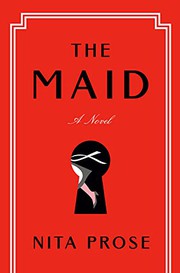
The Maid
Hotel maid Molly Gray finds a dead guest and must use her eye for detail to clear herself.
2,031-word summary · 9 min read

All the Bright Places
Grieving Violet and struggling Finch wander Indiana for a school project and each other.
2,208-word summary · 10 min read
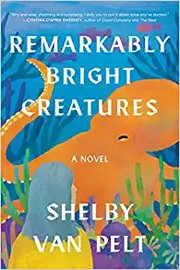
Remarkably Bright Creatures
A widowed night janitor, a lost young man, and a grumpy octopus circle the same old loss in a small seaside town.
2,012-word summary · 9 min read

The Perks of Being a Wallflower
Chbosky's Perks retold: Charlie's letters, Sam and Patrick, first year of high school in Pittsburgh.
1,951-word summary · 9 min read