
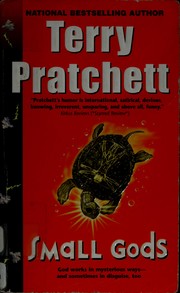
Small Gods
2,063-word summary 9 min read 384 pages in the book
- First published
- 1992
- Publisher
- HarperTorch
- Pages
- 384
- ISBN
- 9780061092176
- Series
- Discworld (#13)
Reading options
What's inside (8 sections)
I saved Small Gods for a rainy week because friends said it was Pratchett with heart showing, and they were right. First published in 1992 by Victor Gollancz, the HarperTorch edition runs 384 pages with ISBN 9780061092176. It is Discworld book thirteen, but written as a standalone. No earlier Discworld book is needed. It tells how the god Om learned humility as a tortoise and how a novice named Brutha learned to think for himself. It is funny and furious about churches, empires, and books.
The premise flips fantasy. On the Discworld, gods need belief to live. More believers, more power. The great god Om, worshipped by the Omnian church with temples, priests, and torturers, wakes one morning as a small tortoise with one believer. One. Brutha, a novice gardener who remembers every word he hears, who tends melons, who believes fully and kindly. Om shouts in Brutha head. Hey, you. Brutha, who hears voices of gods the way others hear weather, answers with chores. Would you like a lettuce.
Omnia, the theocracy Om supposedly rules, is run by Deacon Vorbis, a bald, quiet man who never raises his voice and orders torture over tea. The church teaches that Om is all powerful, jealous, and on their side. It hunts heretics, burns books, wages holy war on neighboring Ephebe, which loves philosophy and free argument. Brutha, who cannot lie well and will not hurt, is swept into Vorbis retinue as a scribe because he remembers. Om, in a lettuce crate, comes along, furious at being small, at being doubted, at needing a boy who would rather weed.
Brutha the rememberer
Brutha is my favorite Pratchett innocent, kinder than Rincewind, braver than Mort at first. He is big, slow, strong from garden work, with perfect memory and no ambition beyond doing right. He believes Om is good because the book says so. Meeting Om as a grumpy tortoise breaks that gently. Om lies. Om boasts. Om demands eagles to eat his enemies. Brutha feeds him lettuce and asks why good people suffer. Om has no answer. That gap drives the book.
Their road trip from Omnia to Ephebe is classic Pratchett travel, desert, philosophers, soldiers, worse food. Brutha carries Om in a box. Om complains. Brutha prays. Om tells him to stop praying and walk faster. Along the way Brutha meets Simony, a young soldier who doubts the church but loves his country, and Didactylos, a blind philosopher in a barrel who argues gods are excuses. Brutha listens to all. He remembers everything, which means he cannot unhear contradictions. His faith changes shape without breaking. He still believes in goodness. He stops believing the church owns it.
Vorbis watches Brutha with interest because true believers are useful and dangerous. He brings Brutha to Ephebe for a debate meant to humiliate philosophers and justify war. Brutha, who never debated, speaks plainly about what he saw, poor fed, books burned, men tortured for questions. Philosophers cheer. Vorbis smiles. War comes anyway. Pratchett shows how power uses even truth as pretext. Brutha learns that speaking well does not stop armies. Doing small right things while armies march matters more.
Om learns slower. As a tortoise he is dropped, stepped on, nearly eaten by an eagle, saved by Brutha hands. He tries to smite and fails. He tries to command other gods and is ignored because no one believes. He starts to listen to Brutha prayers not as worship but as company. One night in the desert, cold and scared, Om admits he does not remember creating the world. He remembers being believed into shape. That admission, for a god, is huge. It reframes worship as responsibility, not tribute.
Ephebe, war, and books
Ephebe chapters let Pratchett play with philosophy. Tyrant, generals, scholars argue in baths while slaves fan. Didactylos asks what is truth. Others answer with jokes. Brutha, overwhelmed, asks simple questions that cut. If Om is good, why torture. If books hold wisdom, why burn. Philosophers love him. Soldiers distrust him. Vorbis uses the chaos to start war, claiming Omnians were insulted. Battle scenes are brief and stupid in the right way. Men die for lines on maps while gods watch like sports fans.
The library fire is the wound of the book. Ephebe library, with scrolls from many lands, burns during invasion. Brutha runs in to save books, not gold. He carries armfuls while roof falls. Om shouts to leave them. Brutha refuses. That choice defines him. Words matter more than survival because words outlive tortoises and deacons. Pratchett, a lover of books who worked as a librarian of ideas, writes this without irony. It is the most serious page in a funny book.
Back in Omnia, Vorbis seizes full control. He tortures Simony, imprisons Brutha, plans to kill the prophet who outshone him. The church dungeons are drawn plainly. No gore feasts. Cold, thirst, waiting. Vorbis visits Brutha and talks theology like a clerk. He believes cruelty is kindness because it saves souls. Brutha, who felt the lash, answers that pain teaches only pain. Vorbis disagrees politely and orders more. That politeness scares more than shouting.
Om regains a little power as Brutha faith deepens, enough to run faster, to shout louder, to survive eagle drops. Not enough to smite armies. The book refuses easy miracle. When miracle comes, it comes through people acting together, not lightning. Soldiers refuse an order. Priests hide books. A tortoise runs across a battlefield at the right moment and trips the right man. Pratchett calls this small gods doing small things. It feels larger than epic duels.
What it argues
The argument is plain and radical. Do good because it is good, not because gods demand it. Belief should make you kinder, not crueler. Churches that need torture admit their god is small. Brutha final reform, after war and fire, separates church from принуждение. He writes simple rules. No torture. No forced worship. Feed people. Teach reading. Om, restored to something like godhood but chastened, agrees to be a god who earns belief rather than extracts it. It is a hopeful ending that knows history will mess it up again. The last pages hint future priests will misread Brutha on purpose. That sting keeps hope honest.
Humor carries the weight. Om insulting eagles. Didactylos arguing with his nephew who writes everything down wrong. Simony trying to be cynical while carrying Brutha when he faints. A philosopher who proves black is white and gets run over. Guards who follow orders literally to avoid blame. The jokes are not decoration. They show how power looks from below, absurd, self serious, tripped by lettuce.
Fair criticism is light but real. At 384 pages, desert walking repeats. Theology debates circle. Women get few pages, mostly mothers and maids, though what they get is respectful. New readers who want Rincewind or Death cameos will wait. Death appears briefly and perfectly, but this is Brutha book. Some gags about philosophers assume school knowledge. If you skim those, plot still holds.
The book stands alone well. You need no Discworld knowledge. The world explains itself. Flat world on turtle, gods as weather, Ankh Morpork mentioned only in passing. Start here for Pratchett ideas, then read Guards Guards for city joy or Reaper Man for Death heart. Small Gods is the one to hand to friends who think fantasy cannot think.
Who should read it
Teens and adults ready for satire fit best. There is torture, war, religious coercion. No explicit sex, mild language. Young fantasy fans who loved The Hobbit will manage the walking pace. Readers hurt by churches should know the book punches up at power, not at faith. Brutha faith survives, kinder. That distinction matters.
I closed it wanting to tend something. Melons, books, friendships. Brutha, who remembered everything, chose to remember kindnesses most. Om, who forgot everything as a god, learned to remember one boy voice. Small gods, small acts, large consequences. Do things because they are right. They might say something different another time, but right now, in this desert, carry the tortoise. Feed him lettuce. Keep walking.
Simony, Didactylos, and arguing well
Simony the soldier gives the book its spine among thinkers. Young, brave, angry at priests who sent friends to die, he trusts swords more than words. He rescues Brutha twice, carries Om box when Brutha faints, argues with Didactylos about whether truth feeds anyone. His arc from believer in Omnia to believer in people mirrors Brutha without copying. When he refuses an order to kill prisoners, he does it quietly, without speech, and accepts punishment. That refusal spreads. Soldiers watch. Some join. Armies break from small noes more than big battles. Pratchett knew.
Didactylos the philosopher gives the book its brain and jokes. Blind, in a barrel, with a nephew who writes down everything wrong, he argues gods are human excuses, that truth is what works, that wise men doubt. Brutha listens and asks simple questions that stump him. If there are no gods, why be good. Didactylos answers badly, then better. Because it is good. That exchange, pagan philosopher and novice monk agreeing on kindness without gods, is the book thesis in dialogue. Their debates in Ephebe baths, with Tyrant laughing and generals bored, show ideas matter when they change how strangers treat each other after.
The Storian idea, though named later in series, starts here in spirit. Who writes history. Vorbis writes reports where defeats are victories. Didactylos nephew writes sayings wrong. Brutha remembers exactly, which makes him dangerous to liars. When Brutha finally writes his own book of what happened, simple rules and true stories, priests later edit it to justify power. The last pages show that editing starting. It stings because readers just lived truth. Pratchett warns that even good books get used badly. Write anyway. Remember anyway. Tend melons anyway.
Vorbis quiet evil deserves a final note. He never shouts. He offers tea. He remembers names of torturers children. He believes pain saves souls, which lets him sleep. Brutha faces him without hatred, which confuses Vorbis more than defiance. When end comes in the desert, it comes through small things, heat, thirst, a tortoise walking past. No duel. Just consequences. I found that more satisfying than smiting. Evil that files papers meets a world that keeps walking without it.
After the desert
What happens after war matters more than battles and Pratchett knows it. Brutha returns to Omnia not as conqueror but as reformer with shaking hands. He opens the church doors. He frees prisoners. He burns torture devices, not books. Priests who served Vorbis fear punishment. Brutha gives them work instead, copying, teaching, feeding. Some accept. Some plot. He knows plots will come. He builds anyway. That building, slow and bureaucratic, gets fewer pages than desert march but stays with me longer. Revolutions end. Administration decides what they meant.
Om adjusts to renewed belief with new humility, or tries. Believers return, prayers rise, power flows. He could become large again and demand. He remembers being small, hungry, carried. He answers prayers with weather help and silence where silence serves better. When priests ask for signs to smite enemies, he sends rain for crops instead. Some call him weak. Brutha calls him grown. Their talks, god and prophet arguing like old road companions, keep humor. Om complains about hymns. Brutha corrects theology. Neither pulls rank. That friendship, forged in a box, holds church together more than doctrine.
Simony becomes guard captain who refuses torturers in ranks. Didactylos writes a book that gets copied wrong, which he expects. Philosophers debate Brutha reforms in baths while eating grapes. The library rebuilds slowly, with Brutha carrying first scroll himself. That image, big man with a book, closes the argument. Words carried by hands matter more than gods carried by fear. Pratchett, who loved libraries, ends where he began. Tend, remember, question. Small acts, repeated, become faith worth having.
Brutha daily rule after, which monks quote, is simple enough for a melon patch. Feed people. Teach reading. Do not force worship. Ask before taking. Rest on hot afternoons. Om adds his own temple note, shorter. Listen first. Smite never. Bring lettuce sometimes. Together those rules fit on one page novices memorize. For a book about gods, ending with garden advice feels right. Big faiths start small. Keep them small enough to carry.
FAQ
When was Small Gods published and how long is it?
First published in 1992 by Victor Gollancz. The HarperTorch edition runs 384 pages with ISBN 9780061092176.
Where does Small Gods sit in Discworld?
Yes. It is Discworld book 13, but written as a standalone. No earlier Discworld book is needed.
Is Small Gods appropriate for younger readers?
Teens and adults fit best. There is torture, war, and sharp satire of churches and empires.
Similar books
More from Discworld first, then related titles.
The Color of Magic
A failed wizard guides a tourist across a flat world on a turtle, with comic fantasy chaos.
2,032-word summary · 9 min read
The Light Fantastic
Rincewind and Twoflower fall off the world while wizards race a red star.
1,974-word summary · 9 min read
Equal Rites
A dying wizard passes his staff to a baby girl, and Granny Weatherwax escorts Esk to Unseen University in Pratchett's third Discworld book.
2,871-word summary · 13 min read
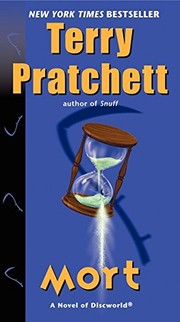
Mort
Death hires apprentice Mort in this 1987 Discworld comedy, where a spared princess splits reality and duty bends for love, with no Rincewind.
2,386-word summary · 11 min read
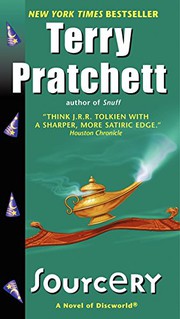
Sourcery
A dying wizard hides his soul in a staff, his eighth son becomes a sourcerer strong enough to break the world, and Rincewind is sent to stop him with a sock.…
2,404-word summary · 11 min read
Wyrd Sisters
Three Lancre witches rescue a murdered king's baby, hide Lancre's future, and trap a guilty duke with a play in Ankh-Morpork.
3,085-word summary · 14 min read
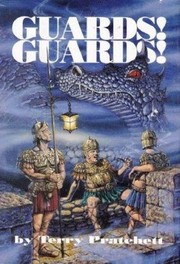
Guards! Guards!
A drunk captain, his last two guards, and an earnest recruit face a summoned dragon in Ankh-Morpork in Pratchett's funny eighth Discworld book.
2,307-word summary · 10 min read
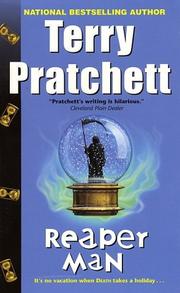
Reaper Man
Death gets fired and farms while Windle Poons refuses to die.
2,579-word summary · 11 min read
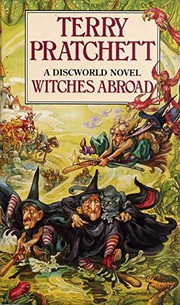
Witches Abroad
Three Lancre witches fly to Genua to stop a fairy godmother from forcing a servant girl into a storybook marriage, and find a city arranged around a happy…
2,651-word summary · 12 min read
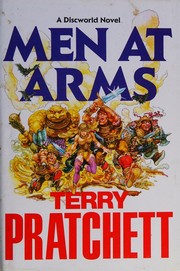
Men at Arms
The City Watch gets new recruits and a murder case when the Disc's only handgun turns up in Ankh-Morpork, in the fifteenth Discworld novel.
2,216-word summary · 10 min read
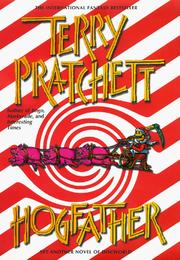
Hogfather
Death fills in for a missing Father Christmas, Susan Sto Helit hunts the Hogfather, and the twentieth Discworld novel turns Santa into a management problem.
2,871-word summary · 13 min read
Night Watch
Vimes is thrown back in time and must train his young self through a revolution.
2,003-word summary · 9 min read
The Wee Free Men
Nine-year-old Tiffany Aching teams with the Nac Mac Feegle to rescue her brother from the Fairy Queen.
2,600-word summary · 12 min read
Going Postal
A hanged con artist must revive Ankh-Morpork's dead Post Office and outwit a murderous rival in Pratchett's 33rd Discworld novel.
2,228-word summary · 10 min read
Hounded
A two-thousand-year-old druid runs a bookshop in Arizona, hides from an Irish god who wants his sword back, and talks to his dog.
2,159-word summary · 10 min read
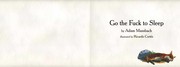
Go the Fuck to Sleep
A rhyming bedtime book for adults in which an exhausted father narrates the fourth hour of a toddler's stalling, one profane couplet at a time.
2,291-word summary · 10 min read
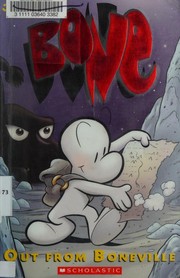
Bone, Vol. 1: Out from Boneville
Three cartoon cousins are run out of Boneville, separated by locusts, and dropped into a valley where rat creatures and an old grudge are waiting.
2,155-word summary · 10 min read
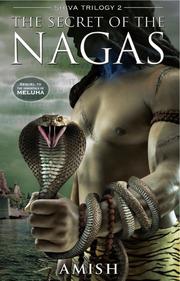
The Secret of the Nagas
Shiva hunts the Naga who attacked Sati, discovers her hidden twin sister and lost son, and follows the trail to the Naga capital of Panchavati.
2,442-word summary · 11 min read
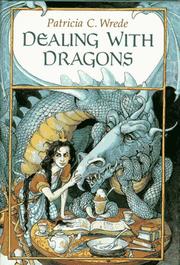
Dealing with Dragons
A princess who hates embroidery runs away to become the cook and librarian for a dragon, then has to outthink wizards, knights, and a plot against the dragon…
2,563-word summary · 11 min read
Nettle & Bone
Marra, a princess in a convent, leaves to save her abused sister, but first she must finish three impossible tasks: a bone dog, a nettle cloak, moonlight in a…
2,061-word summary · 9 min read
America (The Book): A Citizen's Guide to Democracy Inaction
Jon Stewart and the Daily Show writers turn a high school civics textbook inside out, with a foreword from beyond the grave.
2,511-word summary · 11 min read
The Bane Chronicles
Eleven stories across five centuries follow Magnus Bane from a ban in Peru to his first date with Alec in this illustrated Shadowhunter companion.
2,470-word summary · 11 min read
The Zombie Survival Guide: Complete Protection from the Living Dead
Max Brooks's deadpan survival manual explains the Solanum virus, the only ways to destroy the living dead, fortifying a home, and the outbreaks history quietly…
2,650-word summary · 12 min read
By the River Piedra I Sat Down and Wept
Pilar, 29, meets her childhood friend again in Madrid and finds a rumored miracle worker. One winter week through the Pyrenees to the river Piedra, and the…
2,845-word summary · 13 min read
A Connecticut Yankee in King Arthur's Court
Hank Morgan, a Connecticut factory man, wakes in King Arthur's England, rises to chief adviser, and rebuilds the kingdom until his own inventions turn on him.
2,193-word summary · 10 min read
The Buried Giant
An old couple crosses a misty post Arthur Britain searching for a son.
2,593-word summary · 12 min read
Redshirts
Ensigns realize they die to serve a bad TV show's narrative.
2,152-word summary · 10 min read
God Is Not Great
Hitchens argues religion poisons life across history and texts.
2,545-word summary · 11 min read
A Canticle for Leibowitz
After nuclear war, monks save books across centuries while the world rebuilds and falls again.
2,381-word summary · 11 min read
The Time Keeper
Mitch Albom's 2012 fable follows Dor, the first measurer of time punished in a cave, as he returns to guide a heartbroken teen and a dying businessman toward…
2,466-word summary · 11 min read